On June 24, 2026, Midjourney launched 'Meme Mode', a new feature that lets you generate images based on famous meme templates using a simple --meme parameter. It's fast, fun, and a clever way to quickly remix formats like "Distracted Boyfriend" or "Woman Yelling at a Cat" with your own subjects. It’s perfect for a quick, reactive post.
But for social media managers and brand builders, it highlights a strategic problem. When an AI tool makes it easy for everyone to use the same templates, your content starts to look like everyone else's. Participating in a trend is one thing; getting lost in it is another. Using the same meme format as your competitor, just with a different face swapped in, isn't a strategy for differentiation—it's a strategy for homogenization.
The workflow for creating a truly original meme format
To stand out, you need a workflow that moves beyond remixing and into original creation. It’s a simple shift in thinking: instead of asking the AI to copy a known template, you guide it to create a new one that reflects your brand's unique point of view. The process involves generating a unique visual and then finishing it with perfect, on-brand text and assets—all in one place.
This is not about complicated multi-tool processes. It's a single, repeatable workflow designed for brand consistency. The MyUP AI platform integrates image generation with your saved Brandkit (colors, fonts, logos) to produce finished assets, not just raw images. The user provides the creative direction; MyUP handles the production.
You can start creating your own custom meme format right now with this workflow. It combines a powerful image generator with a brand-aware editor.
Workflow code: #myup-kbgo-tlle
Product Brand Post
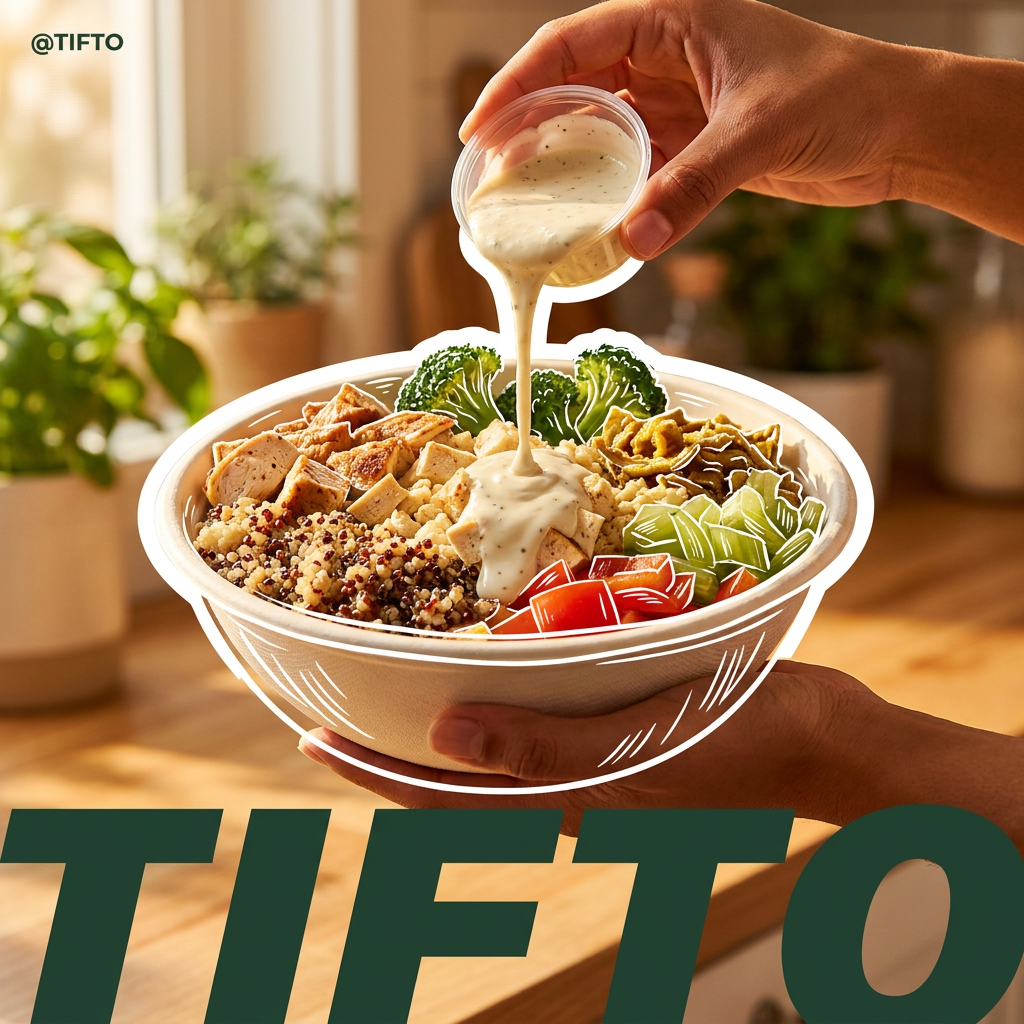
Drop in your product to generate a cohesive nine-post Instagram grid. It blends warm lifestyle photography and flat-lay packaging with bold hand-drawn doodles, collages, and urban billboard mockups. Everything automatically styles itself to your brand's colors.
Regenerate using your own assets.
Step 1: Prompt a unique visual concept (not a template)
The biggest mistake in AI meme generation is trying to describe an existing meme in the prompt. Prompts like "Generate the Drake Hotline Bling meme format with a cat" will only ever produce a slightly off-kilter copy. The key is to prompt for an original scene that communicates the emotion or idea of the meme.
Think about the core message. Is it about choosing one thing over another? A moment of sudden realization? An absurd solution to a simple problem? Brainstorm a visual that tells that story in your brand's world.
Examples of original concept prompts:
- Instead of 'Distracted Boyfriend': "A golden retriever enthusiastically drops its boring old tennis ball to chase a shiny new drone. Close-up on the abandoned, dejected tennis ball."
- Instead of 'Woman Yelling at a Cat': "An exasperated, cartoonish-looking accountant points accusingly at a small, smug-looking piggy bank that is completely empty. The piggy bank has a tiny, unapologetic smile."
- Instead of 'Expanding Brain': "A single small potted plant on a desk. In the next panel, it has grown slightly. In the third panel, it's a massive, sprawling jungle plant taking over the entire office, with vines around the computer monitor."
These prompts generate unique visual assets that you own. They become a recognizable format for your brand, not a remix of someone else's viral hit.
Step 2: Add on-brand text and logos that are actually legible
Generating the image is only half the battle. Nearly every standalone AI image generator struggles with rendering clean, accurate text. You get warped letters, nonsensical words, or typography that clashes with your brand's identity—a problem we've explored with models like Stable Diffusion 3. Fixing this usually means downloading the image and manually adding text in another design tool—a slow, clunky process.
This is where a brand-aware workflow becomes essential. After MyUP generates your unique visual, it doesn't just stop there. It uses your pre-loaded Brandkit to automatically apply text using your brand's specific fonts and colors. You can add captions, place your logo, and adjust the layout, confident that every element is perfectly on-brand. The AI handles the heavy lifting of generation, but you retain full control to validate and fine-tune the final output.
This solves the biggest friction point in using AI for social content: ensuring the final asset is not just visually interesting, but also professionally finished and consistent with your brand. For a deeper dive on this, see our complete workflow for getting perfect, on-brand text from AI.
Step 3 (Optional): Give it an authentic, 'deep-fried' look
Sometimes, a perfectly clean, high-resolution AI image can feel too sterile for a meme. Part of the culture is the slightly degraded look of an image that's been screenshotted and re-shared a thousand times. This aesthetic, often called "deep-fried," signals authenticity and cultural fluency.
You can mimic this effect directly in your prompt. After describing your main scene, try adding modifiers to introduce subtle imperfections. This is what's known as 'AI Meme Aging'.
Simply add terms like these to the end of your prompt:
- ... jpeg artifacts, slightly blurry
- ... low quality, 90s digital camera photo
- ... high ISO, film grain, slight color bleed
This step is entirely optional, but it's a powerful way to make your AI-generated meme feel less like a corporate graphic and more like a native piece of internet culture.
When to remix vs. when to create
So, should you abandon template-based meme makers entirely? Not necessarily. The right tool depends on the job.
Use a remixer like Midjourney's Meme Mode when:
- You need speed above all else. You're reacting to a live event or a trend that will be over in 24 hours.
- The format itself is the joke. The humor comes from recognizing the specific, well-known template.
- It's for a low-stakes reply or comment. You're engaging in conversation, not publishing a pillar piece of content.
Use an original creation workflow in MyUP when:
- You want to build a recognizable brand asset. You're creating a signature format that followers will associate with you.
- Brand consistency is non-negotiable. You need your exact fonts, colors, and logo on the final output.
- You're building a content campaign. You need a unique visual theme that can be repeated and adapted over time.
Remixing is for participating. Creating is for owning.
Stop participating in trends—start creating them
Tools like Midjourney's Meme Mode have made it incredibly easy to join the conversation. But for brands that want to lead it, the goal has to be different. The internet is saturated with content; the only way to cut through the noise is with originality.
By using an AI workflow built for brand consistency, you move from being a consumer of meme culture to a creator of it. You build a library of unique visual formats that are instantly recognizable as yours, strengthening your brand identity with every post. Stop just remixing the last trend, and start building the next one.