The biggest problem with AI lookbooks was solved yesterday
For any fashion brand experimenting with AI image generation, the process has been a mix of excitement and deep frustration. You could generate a stunning shot of a model wearing your new jacket, but trying to create a second image of that *same model* wearing the matching pants was nearly impossible. The result was a collection of random faces, not a cohesive lookbook. This inconsistency made AI-generated visuals look unprofessional and unusable for serious brand storytelling.
As of July 4, 2026, that problem is over. Midjourney's V7 update introduced a radically improved Character Reference feature, using the `--cref v2` parameter. It finally allows you to lock onto a character's face and features with remarkable accuracy across multiple generations. The barrier to creating professional, consistent AI-powered photoshoots has been removed overnight.
But having a powerful new feature is one thing; operationalizing it for an entire apparel collection is another. You need more than just a consistent model; you need a consistent brand aesthetic, repeatable production, and a way to manage the entire process. This is the new workflow for generating a complete, on-brand lookbook, built on Midjourney's new power and managed inside MyUP.
Step 1: Create your 'base model' and lock in your Brandkit
Before you can shoot a collection, you need to cast your model. Your first step is to generate the ideal 'base model' image that will serve as the character reference for every subsequent shot. This isn't just about a pretty face; it's about finding a look that embodies your brand's persona. Generate a few options with a simple, clean prompt focusing on facial features, expression, and lighting. A good starting point is a medium close-up shot with neutral lighting.
Once you have an image you're happy with, this becomes your anchor. This single image URL will be fed into the `--cref` parameter to ensure your model's identity remains stable.
But a consistent model in an inconsistent world is still chaos. This is where MyUP's Brandkit comes in. Before you generate the rest of your lookbook, you must define your brand's visual universe. Your Brandkit in MyUP stores your brand's core colors, font styles, logo, and, most importantly, its overall aesthetic. Is your brand's vibe 'sun-drenched coastal chic,' 'moody urban techwear,' or 'minimalist Scandinavian luxury'? You define this once in your Brandkit, and MyUP automatically applies that style to every image, ensuring your lighting, color grading, and mood are always on-brand, no matter what the model is wearing.
Step 2: Build the repeatable lookbook workflow in MyUP
With your base model image ready and your Brandkit defined, it's time to build the production line. A lookbook isn't a single image; it's a series of repeatable shots. Doing this one by one is slow and prone to error. In MyUP, you build a workflow that combines your three key ingredients: the model, the brand style, and the product.
Your workflow will lock in two of these elements: the character reference URL of your base model and your pre-configured Brandkit. The only thing that will change from shot to shot is the third element: the clothing prompt. This structure turns a complex creative task into a simple, repeatable process. The user validates the output; MyUP handles the production, ensuring every shot is consistent with the last.
To get started immediately, you can use a pre-built workflow. This template is already set up to take a product description and generate a high-quality, on-brand social media post featuring a model. Simply load it, connect your Brandkit, and provide your base model's image as the character reference.
Workflow code: #myup-3sro-edbt
Brand Clothes Post
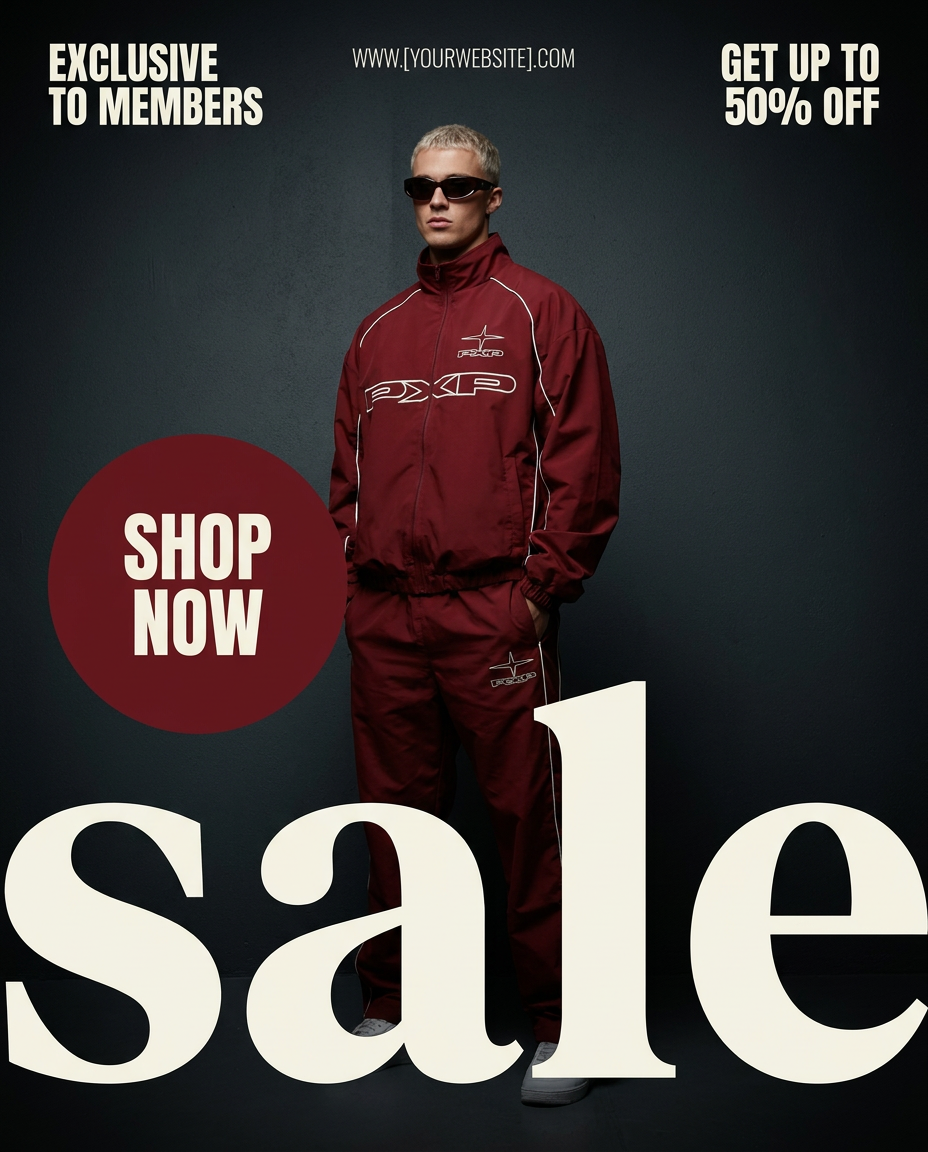
Turn any outfit photo into a high-end fashion promo poster. It centers your subject in a full-body shot against a dark, dramatic studio backdrop, perfectly cropped for social feeds. It gives your apparel a moody, editorial look instantly.
Regenerate using your own assets.
Step 3: Generate the entire collection, from jackets to shoes
Now, you execute. With the workflow established, generating the visuals for your entire collection becomes a matter of iteration. For each item in your line, you run the workflow with a new prompt. The core of your prompt remains the same—your model reference and brand style are locked—but you swap out the details.
- 'A model wearing a black waterproof technical jacket, standing on a rainy city street at night.'
- 'The same model wearing white leather sneakers with blue accents, sitting on concrete steps in bright daylight.'
- 'A full-body shot of the model wearing a beige linen pantsuit in a minimalist art gallery.'
Because the character and brand aesthetic are handled by the MyUP workflow, you can focus purely on describing the product and the setting. This is how you scale. You can generate dozens of images, each featuring a different product, background, and pose, but all tied together by the same model and your brand's unmistakable visual identity. This level of consistency was the missing piece for creating a believable AI-generated fashion lookbook, and now it's a systematic process.
For more dynamic product shots, like those needed for sportswear, you can use a workflow tailored for action and energy. This template helps create visuals that feel active and powerful, perfect for performance apparel.
Workflow code: #myup-ywpr-rqz6
Professional Sportswear Ad
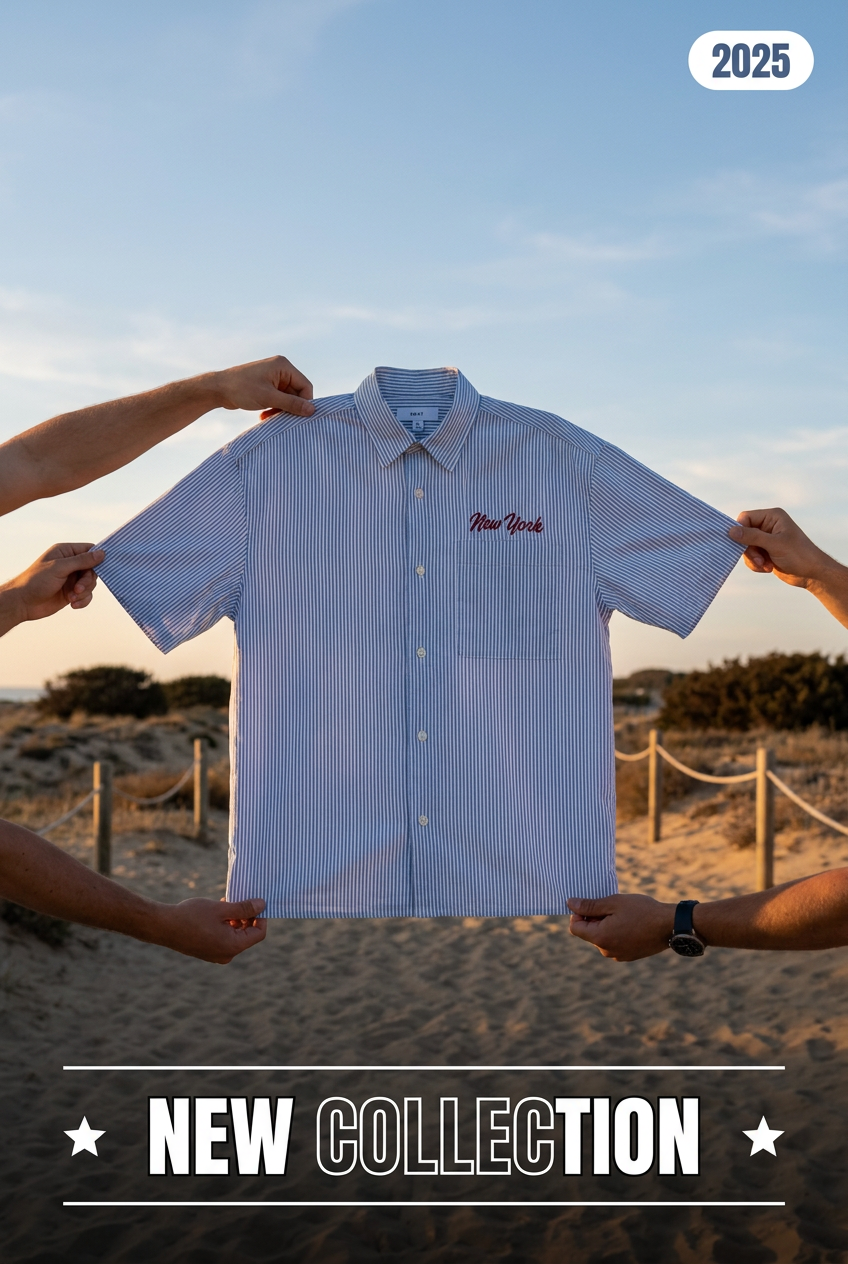
Suspends your apparel right in the center of a high-energy promo shot, held up by hands around the frame. It gives your shirts or jerseys a gritty, collaborative streetwear editorial look that feels alive and physical.
Regenerate using your own assets.
Step 4: Create editorial shots and campaign assets
A lookbook is more than just a catalog of products. It's also about selling a lifestyle and a vision. Once you've shot your core product-on-model images, you can use the exact same workflow to create higher-concept editorial and campaign assets. The only change is the prompt's focus.
Instead of describing the product in detail, you describe a scene, a mood, or a story. Because you have perfect AI character consistency, you can place your brand's 'face' in any scenario to build a narrative. Think bigger than e-commerce grids. Think magazine covers, social media campaign heroes, and website banners.
You can create a dramatic, editorial-style shot by adjusting the prompt to be more artistic: 'Close-up beauty shot of the model, avant-garde makeup, dramatic studio lighting, looking intensely at the camera.' The model stays the same, but the context elevates the image from a product shot to a brand statement. This allows you to create a full suite of marketing assets from a single starting point, ensuring your campaign is visually unified across all channels.
This workflow is designed to produce exactly that: a high-fashion, editorial-style image perfect for a campaign's hero visual.
Workflow code: #myup-yk1h-uqy8
High-End Editorial Fashion Magazine Cover
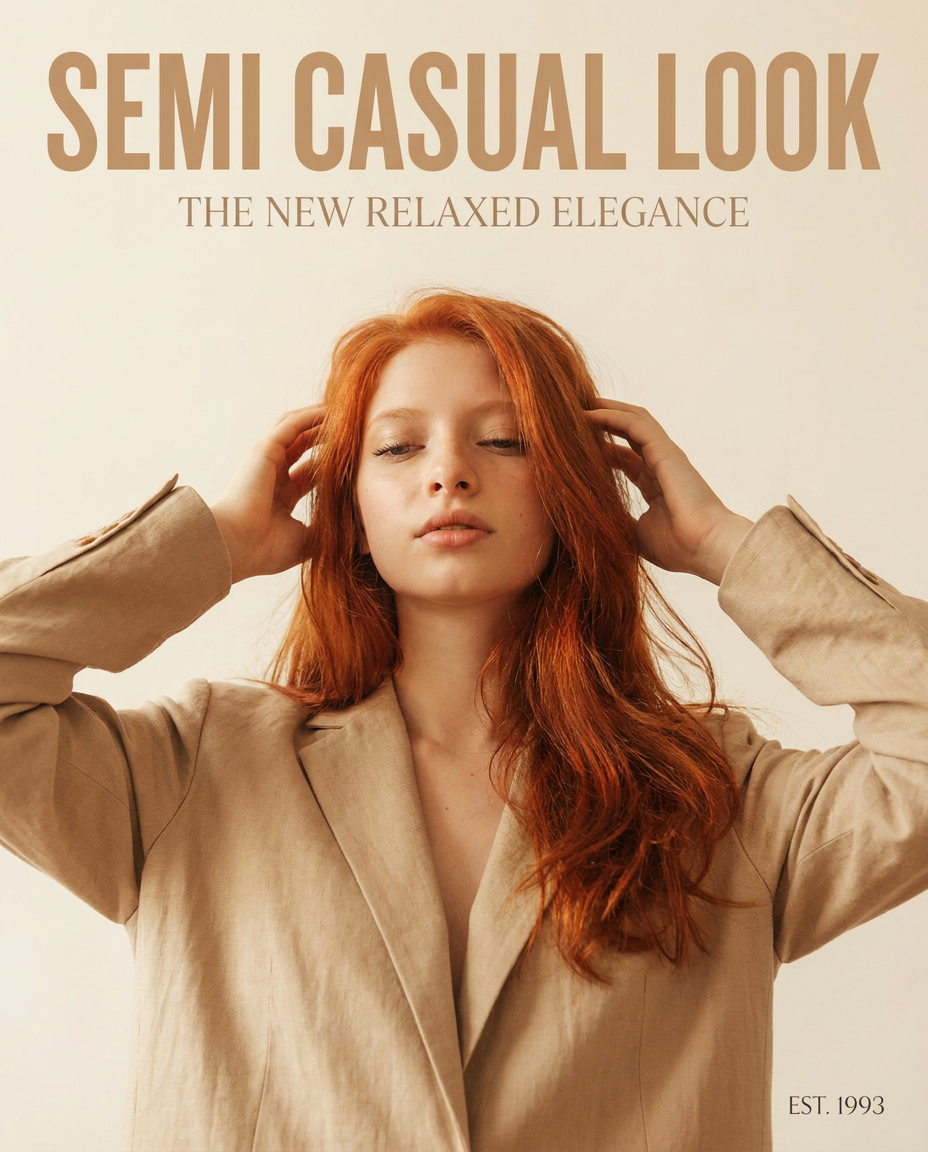
Drop in any portrait and turn it into a high-end editorial magazine cover. It frames your subject beautifully with relaxed, high-fashion posing and soft styling for a polished print aesthetic.
Regenerate using your own assets.
The photoshoot is over: what to do with your AI lookbook
The days of compromising with a series of random, disconnected AI images are gone. With Midjourney V7's `--cref` feature integrated into a MyUP workflow, generating a complete, consistent, and on-brand lookbook is no longer a futuristic idea—it's a practical production method available today. You can now move from a product concept to a full visual campaign in hours, not the weeks or months required for traditional photoshoots.
By establishing a base model, locking in your visual identity with a Brandkit, and building a repeatable workflow, you replace logistical complexity with creative control. Your brand's story is told through a consistent face and a consistent aesthetic, building the recognition and trust that single, one-off images never could. The virtual photoshoot is officially open for business.