On July 4, 2026, the AI creative world got the feature it had been waiting for: Midjourney rolled out 'Character Reference' (`--cref`), a tool that finally delivers on the promise of consistent AI characters. The immediate excitement was justified. For storytellers, artists, and solo creators, a massive technical hurdle just vanished.
But for brands, agencies, and marketing teams, the question isn't just, "Can I create a consistent character?" The real question is, "Now that I have a consistent character, how do I manage, scale, and deploy it as a professional brand asset?"
Generating a character is the easy part. An AI-generated character isn't a mascot until it can show up consistently, everywhere your brand does. A mascot is a system, not a single image. This is where one-off features fall short and a brand-centric platform becomes essential. This guide lays out the two-phase professional workflow for not just creating a mascot, but turning it into a tireless content engine for your brand using MyUP.ai.
Phase 1: Defining your mascot’s DNA
Before you write a single prompt, you need to do the strategic work that AI can't. A successful mascot has a defined identity, or what we call its DNA. This is the crucial 'human control' phase where you make the key creative decisions. The AI's job is to execute on this vision, not invent it. A detailed DNA brief prevents inconsistent or off-brand results later.
Your mascot's DNA should include:
- Core Physical Traits: Go beyond the basics. List non-negotiable features. Is it a friendly robot with a brushed aluminum finish and glowing orange eyes? A clever fox with a specific shade of auburn fur and a cream-colored tail tip? Document these details meticulously.
- Personality & Voice: Is the mascot witty, nurturing, mischievous, or stoic? How would it react in different situations? This informs its expressions and poses in future content.
- Style Guide: Define the visual universe it lives in. Is it always rendered in a flat, vector style? A detailed 3D render? A gritty, comic-book ink style? This rule ensures it never looks out of place.
- Key Poses & Expressions: List 3-5 signature poses. A thumbs-up, a thinking pose, a celebratory jump. This builds a recognizable library of actions for your team to use.
- The "Never" List: What should the mascot never do or look like? Never sad, never wearing the color red, never shown with realistic human hands. Boundaries are just as important as possibilities.
Phase 2: Saving your mascot’s DNA in a MyUP Brandkit
Once you've defined your mascot's DNA, you need a place to store it where an AI can access it repeatedly and reliably. A Google Doc is not a system. A prompt library is a start, but it’s still manual. This is where MyUP’s Brandkit transforms your mascot from a creative idea into a functional asset.
The MyUP Brandkit is a central hub for your entire visual identity. Instead of just storing logos and colors, you can create a detailed profile for your brand mascot. You translate the DNA you defined in Phase 1 into specific style and text fields within the Brandkit.
- Your mascot's physical traits and personality notes become saved text descriptions.
- The visual style guide becomes a saved style prompt that can be applied automatically.
- Your brand colors, fonts, and logo live alongside the mascot, ready to be combined into finished assets.
By saving this DNA once, you empower MyUP to act as your production assistant. You no longer have to copy-paste long, complex prompts or hope the AI remembers your character from one generation to the next. The Brandkit becomes the single source of truth, ensuring every piece of content featuring your mascot is perfectly consistent. The user validates the output; MyUP handles the production.
Putting your mascot to work: 3 workflows for instant content
This is where the system pays off. With your mascot’s DNA secured in your MyUP Brandkit, you can now run repeatable workflows to generate on-brand content in seconds. Instead of starting from a blank canvas, you start with a template that already knows your brand and your mascot.
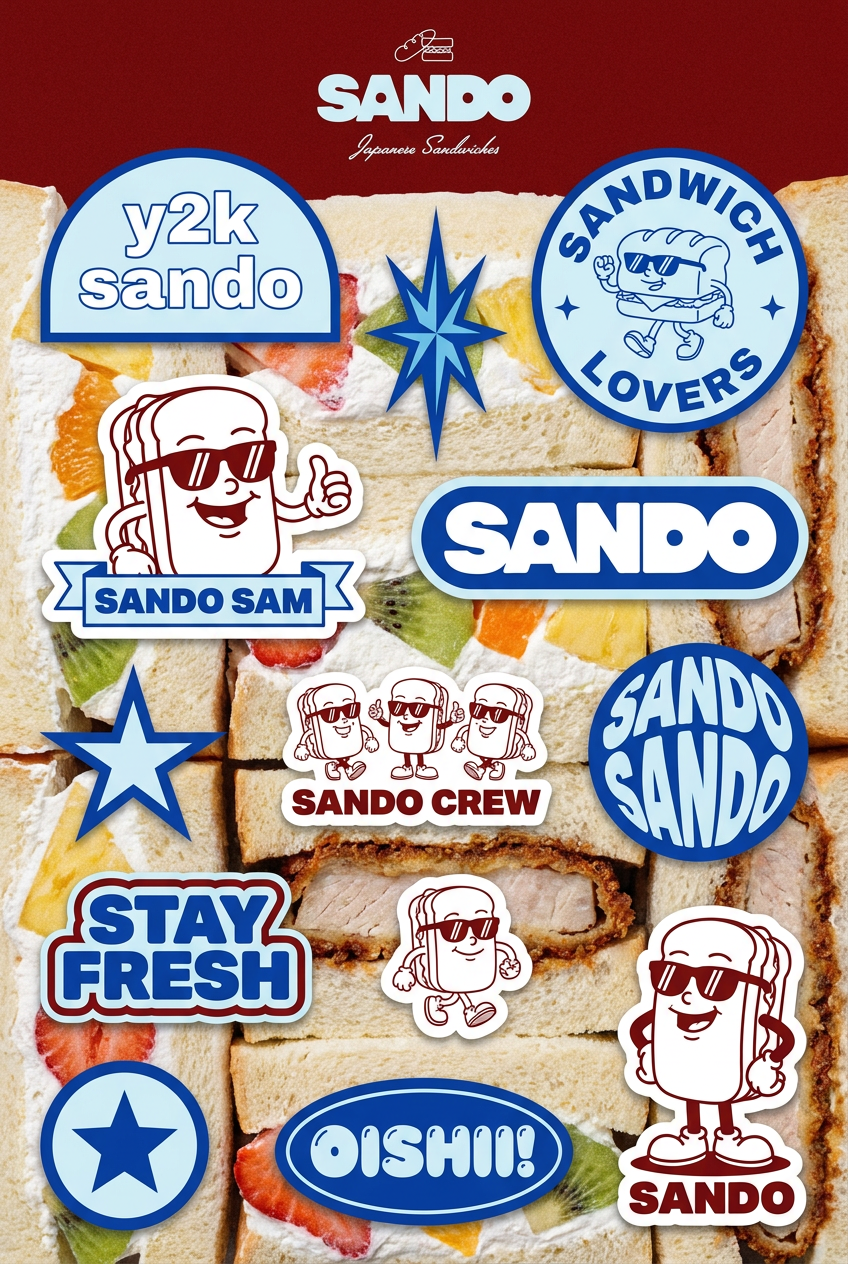
Workflow: Create a sheet of branded stickers with your mascot
Need a fun asset for social media stories, packaging inserts, or event swag? A sticker sheet is a perfect way to showcase your mascot's personality. Instead of prompting each sticker individually, a dedicated workflow can generate a variety of poses and expressions based on your Brandkit, all in a consistent style.
Workflow code: #myup-swqt-4zo3
Product Stickers
Turn your logo into a nostalgic, vibrant Y2K-style vertical ad. It automatically pulls your brand colors to create matching sweet treats like custom donuts or cupcakes in the background, giving you a super playful retro-pop aesthetic.
Regenerate using your own assets.
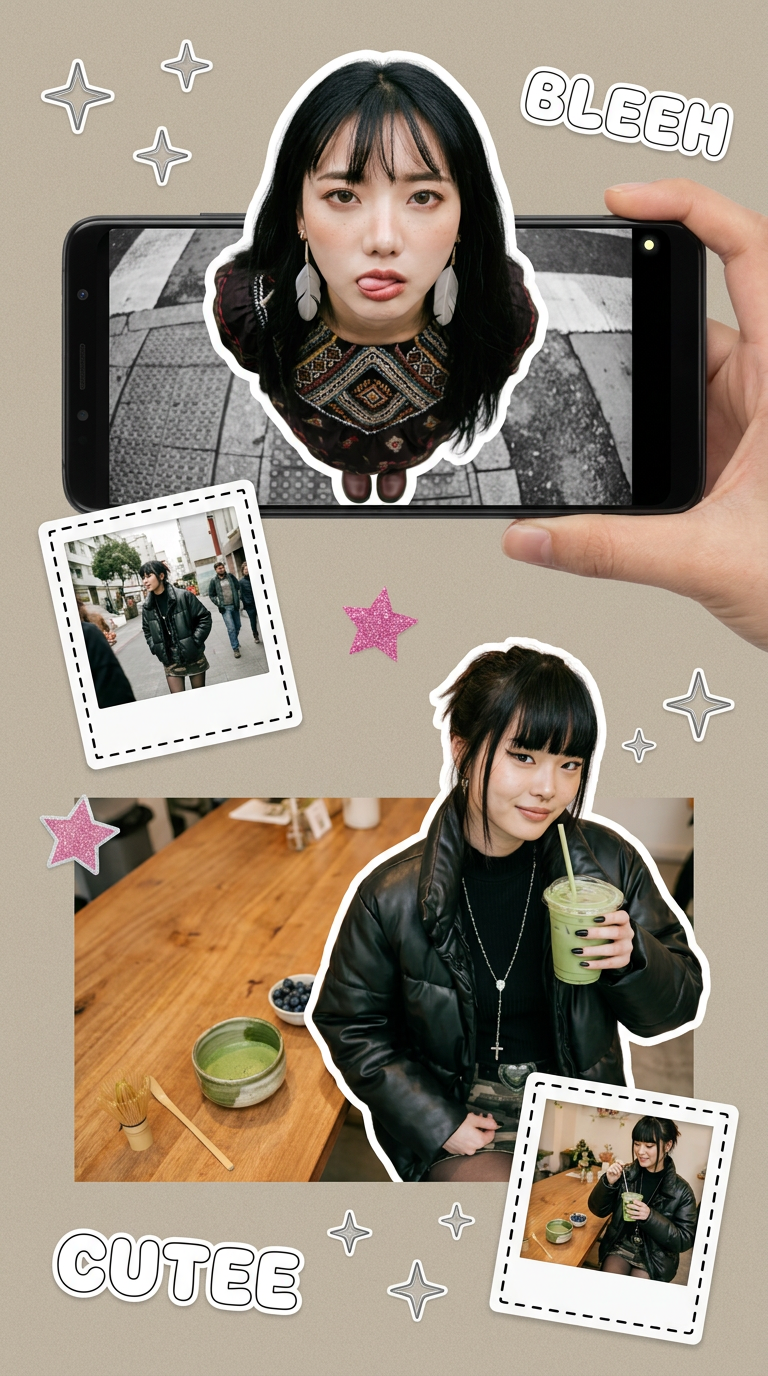
Workflow: Place your mascot in a trendy social media post
Your mascot needs to live where your audience does. This workflow lets you instantly drop your character into a timely, engaging format like a Y2K-style scrapbook collage. MyUP pulls the mascot's identity from the Brandkit and seamlessly integrates it into the design, complete with your brand's colors and fonts. You can find more details on building out these kinds of assets in our guide to creating a consistent AI brand mascot.
Workflow code: #myup-sacz-tjdn
Y2K Scrapbook Collage Creator
Put two different people into the same scene without losing their real-world features. Just upload two portraits and drop them together into any setting or style you need. It keeps both faces incredibly accurate.
Regenerate using your own assets.
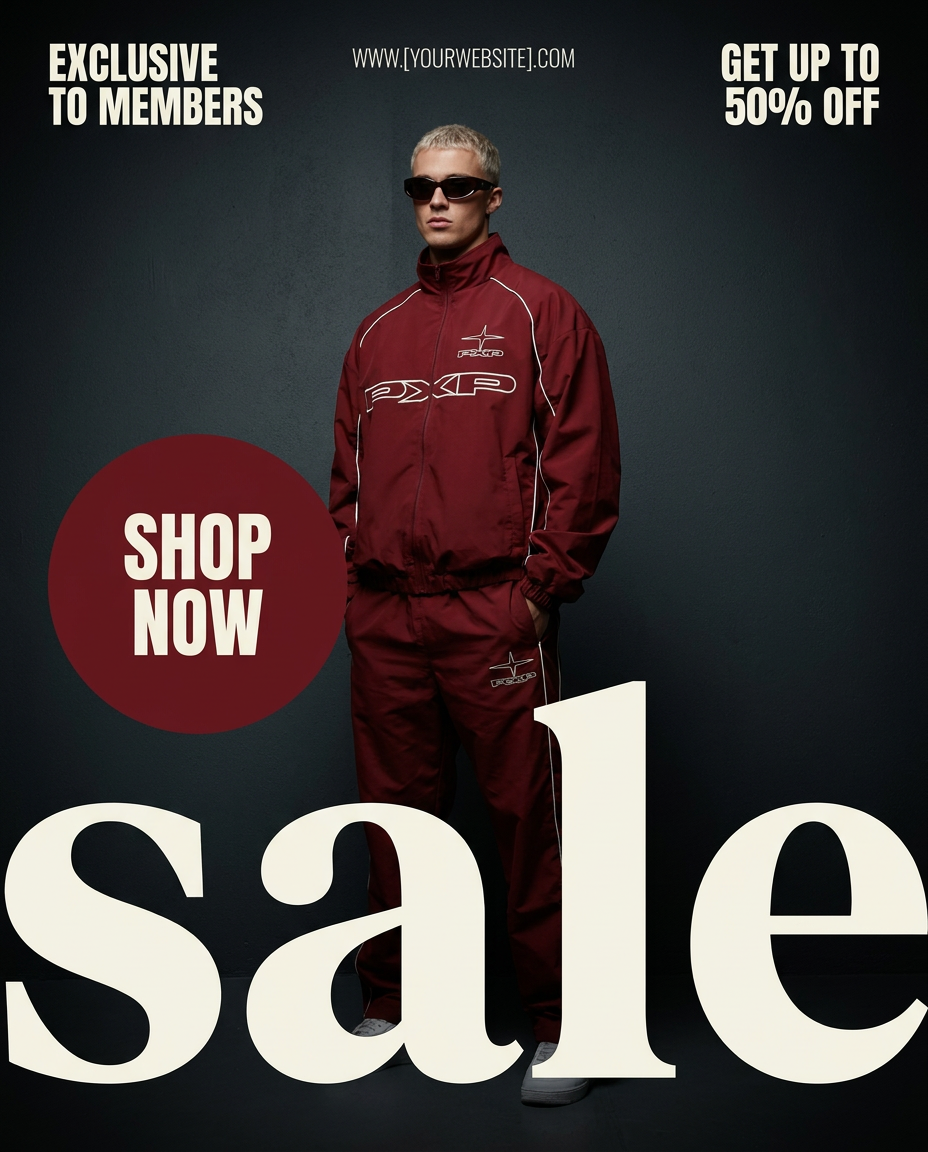
Workflow: Design merchandise featuring your mascot
Visualizing your mascot on products like t-shirts, hoodies, or tote bags is a critical step for monetization or marketing. This workflow uses your Brandkit to generate realistic mockups of your mascot on apparel, helping you create marketing visuals or even product listings without needing a photoshoot.
Workflow code: #myup-3sro-edbt
Brand Clothes Post
Turn any outfit photo into a high-end fashion promo poster. It centers your subject in a full-body shot against a dark, dramatic studio backdrop, perfectly cropped for social feeds. It gives your apparel a moody, editorial look instantly.
Regenerate using your own assets.
Why a brand platform beats a single feature
Midjourney's `--cref` is a fantastic technical achievement. But for a business, it's just one tool in a much larger production chain. Here’s where a one-off feature hits its limits and a platform-based approach wins.
Using a single feature (like Midjourney `--cref`)
- It's Manual: Every time you want to use your character, you need to find the reference image URL and construct the prompt again.
- It's Isolated: The character exists separately from your brand's logos, fonts, and color palettes. Combining them is a separate, manual step in another tool.
- It's Not Collaborative: How does your social media manager access the correct character reference? How do you ensure the whole team uses it correctly? It relies on shared documents and manual instructions.
- It's Single-Format: It outputs an image. Turning that image into a social post, a sticker sheet, or a video requires more tools and more work.
Using a brand platform (like MyUP.ai)
- It's Automated: You define the mascot's DNA in the Brandkit once. Every workflow automatically pulls the correct identity.
- It's Integrated: The mascot is part of your holistic brand identity, living alongside your logo, colors, and fonts. Workflows can combine all elements into a finished asset in one step.
- It's Collaborative: The Brandkit is the central source of truth for your entire team. Anyone can run a workflow and get a perfectly on-brand result without needing to know the master prompt.
- It's Multi-Format: The same Brandkit DNA can be used to generate images, social posts, product mockups, and even storyboards for video. This is essential for creating things like professional AI storyboards with consistent characters.
A feature can create a character. A platform manages a brand asset. As AI tools mature, the real advantage won't come from who has the latest feature, but from who has the most efficient system for putting that feature to work for their brand.