Just yesterday, on July 4, 2026, a new wave of 'one-click AI lookbook generators' made headlines, promising to replace traditional photoshoots. The idea is compelling: upload your designs, and get instant on-model photography. But for any serious brand, these tools miss the most important part of a lookbook: the story.
A real lookbook isn't a random assortment of faces wearing your clothes. It’s a curated collection with a consistent model, a cohesive aesthetic, and a clear point of view. One-click generators deliver a gallery of strangers. A professional workflow delivers a campaign. This guide lays out that professional workflow, showing you how to move from creating a single, reusable virtual model to generating an entire, on-brand collection on MyUP.ai.
Step 1: Create your consistent 'virtual model'
The biggest failure of generic AI image tools for fashion is character consistency. You might get a great shot of a model wearing your t-shirt, but you’ll never see that same model again. This makes it impossible to build a cohesive lookbook for a full collection. The first step isn't generating an outfit; it's casting your model.
In MyUP, this isn't left to chance. You define your virtual model as a foundational asset. You can use a reference image or a highly detailed text prompt to establish their features, body type, and overall look. Once you're satisfied, you can lock in that character's identity. This gives you a reusable 'virtual model' that you can call upon for every single piece in your collection, ensuring the same person appears in every shot. The process is about establishing a core asset you control, much like you would when building a consistent narrative for a comic strip or storyboard. You are the casting director, and MyUP ensures your chosen talent is always available.
Step 2: Define your lookbook's aesthetic with a Brandkit
A consistent model is crucial, but they need to exist in a consistent world. Your brand’s photography has a specific feel—the lighting, the environment, the mood. Is it shot in a minimalist studio with harsh shadows? Or outdoors during golden hour with a soft, grainy film look? Randomly generated backgrounds will break the illusion of a single, professional photoshoot.
This is where a MyUP Brandkit becomes your digital art director. It goes far beyond storing your logo and brand colors. You can define your entire photographic DNA with style keywords. For example, your fashion Brandkit could include terms like: 'moody urban lighting,' 'brutalist architecture background,' 'low-angle shot,' '35mm film grain.' When you apply this Brandkit to your lookbook generation, every image—regardless of the clothing—is rendered within this cohesive visual system. It’s how you ensure your product shots for a hoodie and a dress feel like they belong to the same collection and the same brand story. It transforms your Brandkit from a simple style guide into an executable production plan, much like creating an on-brand moodboard that actually directs the final output.
Step 3: The workflow for generating your entire collection
With your virtual model cast and your brand aesthetic defined, you’re ready for production. This is where you move from one-off image creation to an automated, systematic process. The goal is to iterate through your entire apparel line efficiently, without losing control or consistency.
The workflow in MyUP combines your core assets. You start with your consistent character, apply your aesthetic Brandkit, and then introduce the variable: your clothing. For each item in your collection, you can upload a flat product photo or simply describe it (e.g., 'a black oversized cotton hoodie with a small white logo on the chest'). MyUP handles the production, rendering your model wearing that specific item in the brand-defined environment. You, the user, simply validate the output and move to the next piece. This system turns a tedious, repetitive task into a streamlined process where you approve the results, rather than wrestling with the tool for every single shot.
To start generating your core on-model product shots right now, this workflow is the perfect starting point.
Workflow code: #myup-3sro-edbt
Brand Clothes Post
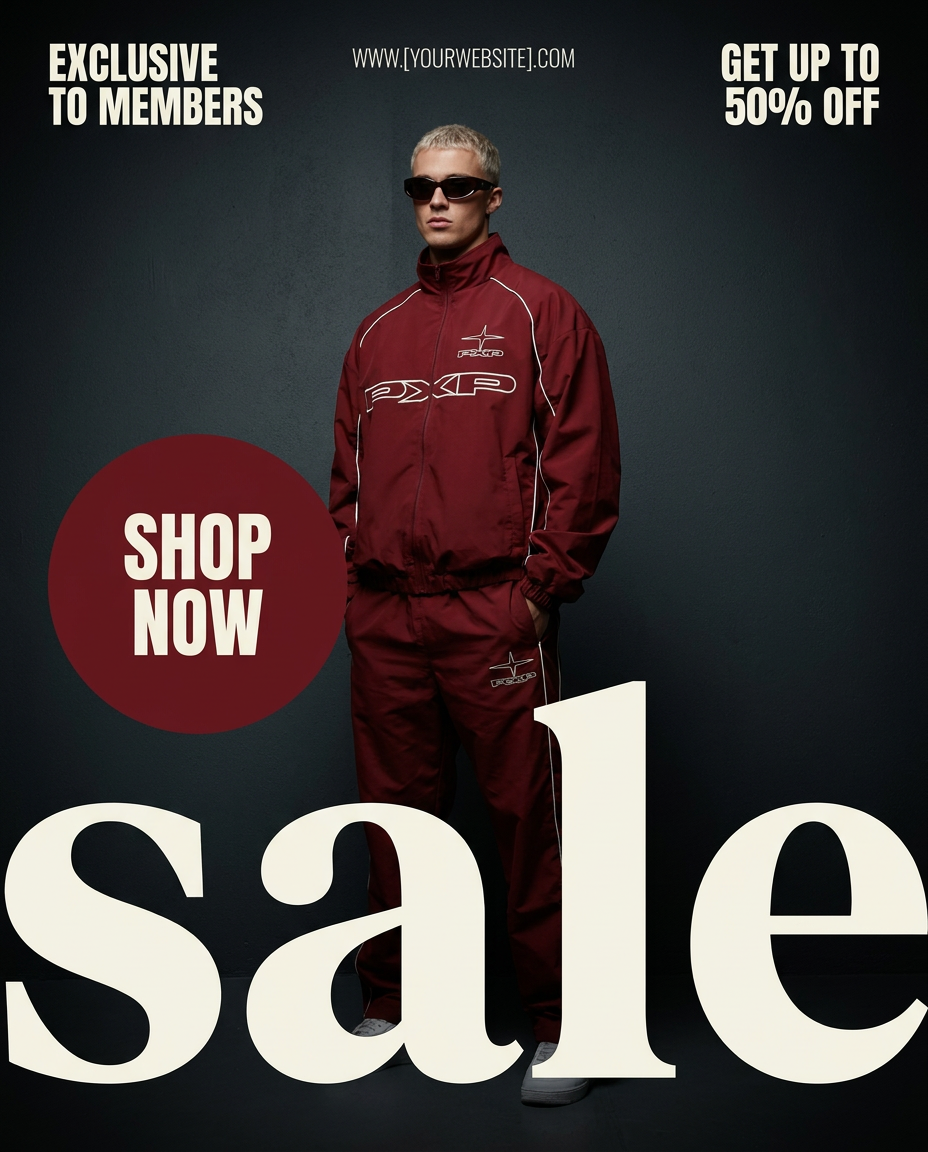
Turn any outfit photo into a high-end fashion promo poster. It centers your subject in a full-body shot against a dark, dramatic studio backdrop, perfectly cropped for social feeds. It gives your apparel a moody, editorial look instantly.
Regenerate using your own assets.
Step 4: From product shots to campaign assets
A great lookbook is more than just a series of product shots; it's the source material for your entire marketing campaign. The images you just generated are high-quality assets ready to be repurposed into social media posts, digital ads, and website banners. You don't need to start from scratch in a different tool.
Once you have a lookbook image you're happy with, you can use it as the input for another MyUP workflow. For instance, you can take a shot of your model wearing a new jacket and instantly place them into a dynamic, high-energy advertisement. The system already understands your brand's fonts and logo from your Brandkit, ensuring that any added text or branding elements are automatically applied correctly. This is how you scale content production—by creating a system where one asset seamlessly flows into the next stage of the marketing funnel, from catalog to conversion.
Use this workflow to turn one of your new lookbook images into a compelling, professional ad for your sportswear line.
Workflow code: #myup-ywpr-rqz6
Professional Sportswear Ad
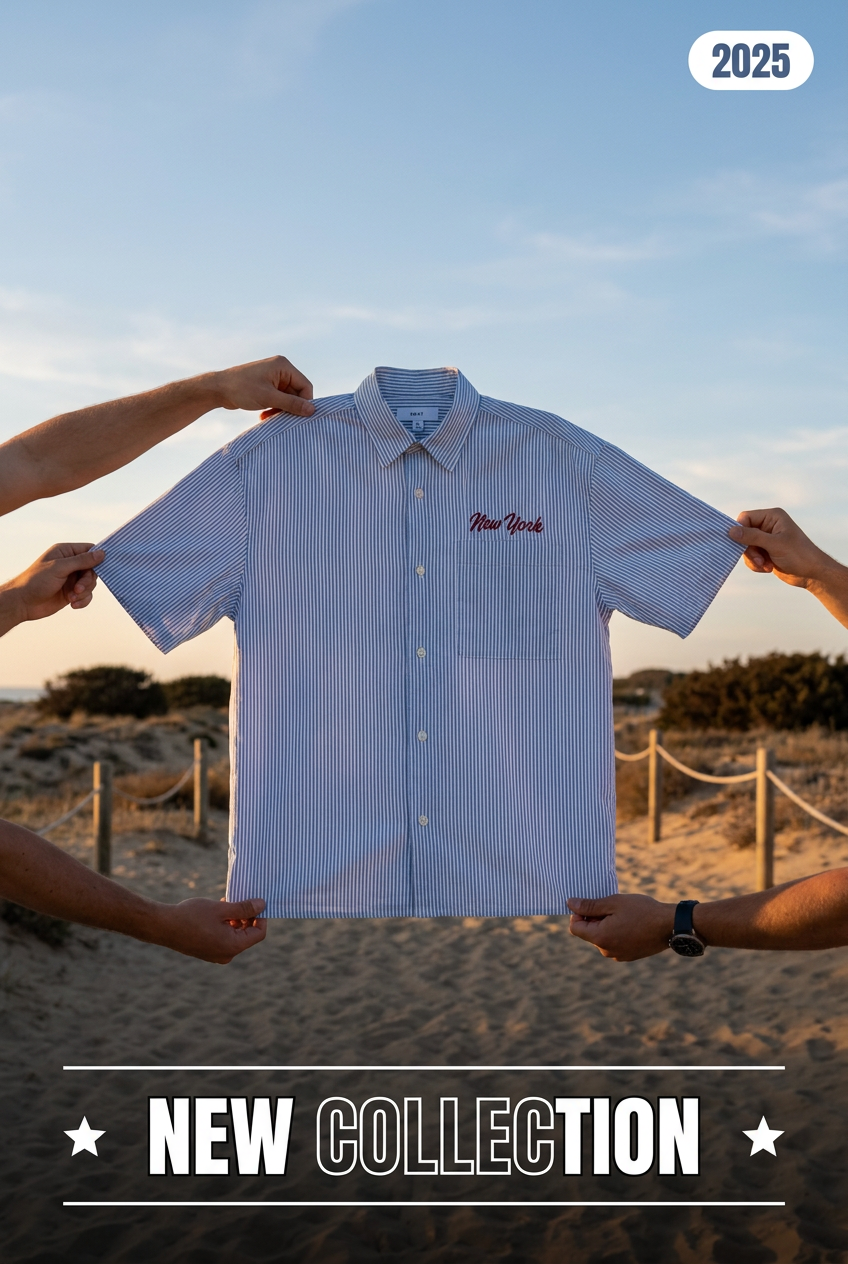
Suspends your apparel right in the center of a high-energy promo shot, held up by hands around the frame. It gives your shirts or jerseys a gritty, collaborative streetwear editorial look that feels alive and physical.
Regenerate using your own assets.
Taking it further: Creating high-fashion editorial content
The true test of an AI image workflow is its ability to move beyond functional product mockups to create aspirational, editorial-quality content. Your brand doesn't just sell clothes; it sells a vision. Your AI-generated assets should be able to capture that vision with the same level of quality you'd expect from a magazine shoot.
Using the same foundational assets—your consistent model and your Brandkit—you can push the creative direction further. Take one of your best lookbook shots and use a workflow designed for high-impact editorial content. You can place your model on the cover of a conceptual fashion magazine, complete with professional typography and layout. This demonstrates the creative ceiling of a workflow-based approach: you are not limited to a single output style. You are the creative director, and MyUP provides the production studio to execute any concept, from a clean e-commerce shot to a high-fashion cover story.
To see this in action, use the workflow below to transform a product shot into a stunning magazine cover.
Workflow code: #myup-yk1h-uqy8
High-End Editorial Fashion Magazine Cover
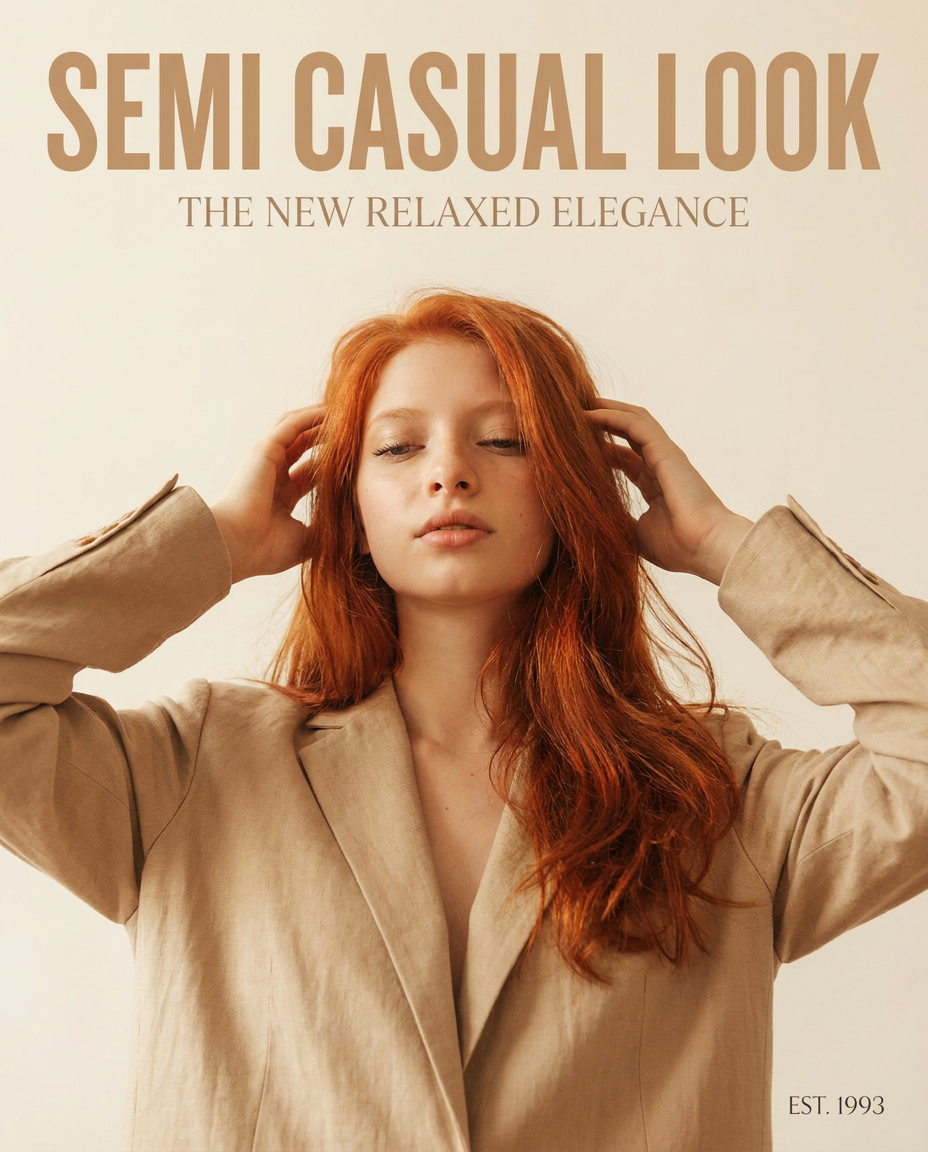
Drop in any portrait and turn it into a high-end editorial magazine cover. It frames your subject beautifully with relaxed, high-fashion posing and soft styling for a polished print aesthetic.
Regenerate using your own assets.
Your brand is a collection, not a single image
One-click AI tools give you a single image. A brand needs a system. Generating a lookbook that feels authentic and cohesive requires more than a clever prompt; it requires a workflow. By first establishing your core assets—a consistent model and a defined brand aesthetic—you build a repeatable system for content production. This is the difference between playing with an image generator and running a professional content operation.
On MyUP.ai, you're not just pushing a button and hoping for the best. You're directing a process, validating the results, and building a library of on-brand assets you can use across your entire business. Your brand sells a collection, and now your AI workflow can, too.