
Character consistency is solved, right? Not so fast.
In the last 48 hours, the world of AI image generation has been dominated by one topic: character consistency. Midjourney began testing its V7 '--cref' parameter, Adobe Firefly rolled out its 'Character Kit' beta, and Ideogram launched its 'Character' feature. The promise is intoxicating: finally, you can create a character and have them reappear, unchanged, across multiple images. Your brand mascot, your comic book hero, your campaign model—persistent and recognizable.
But if you're a creator or marketer who has spent the last day experimenting, you’ve likely run into the frustrating reality. While these features are a genuine leap forward, they are not a complete solution. A command-line parameter or a beta feature inside a single app doesn't solve the fundamental challenge of content production. A feature isn't a workflow. And for professional work, the workflow is everything.
Why prompt-hacks and new features fall short for brands
The excitement is real, but the limitations become obvious the moment you try to use these characters in a real project. The core problem is that these tools treat character creation as an isolated task, disconnected from the rest of your content process.
- They are platform-locked. Your Midjourney character created with '--cref' lives on Discord. Your Adobe Character Kit is confined to the Firefly ecosystem. Getting that character into a social media post, a presentation, or a video requires a clunky, manual process of downloading and re-uploading, stripping the asset of its context.
- They ignore your brand identity. An AI character is often a brand asset, meant to exist alongside your logo, color palette, and fonts. None of these new features integrate with a brand kit. You generate the character, then manually—and painstakingly—try to apply your brand identity in a separate design tool, killing efficiency.
- They aren't reliably repeatable. A prompt parameter is easy to forget or mistype. A reference image can be lost. How does a teammate pick up where you left off? For a character to be a true asset, it needs to be managed within a system that ensures anyone on your team can reproduce it perfectly, every time.
Consistency doesn’t come from a magic prompt; it comes from a disciplined process. A character is a brand asset, and it needs to be managed through a repeatable workflow, not a lottery of prompts and fragmented tools.
The workflow: How to create a reusable character asset in MyUP
Instead of chasing the latest feature, you need to build a system. In MyUP, we approach this by treating your character as a core component of a larger, automated workflow. The process is simple, repeatable, and connects directly to your other brand assets.
It breaks down into three stages: creating a high-fidelity 'genesis' image, locking that character into a chained workflow, and then deploying that character into any scene or composition you need—all while keeping your brand elements just a click away.
Step 1: Create your 'genesis' image
Everything starts with one definitive image. This isn't just a random first attempt; it's the master reference that will define your character's appearance. The key is a detailed, descriptive prompt that locks in the non-negotiable features. Don't just say 'a woman'; define her.
For example: 'Close-up portrait of a 32-year-old female architect named Elara, sharp green eyes, a faint scar above her right eyebrow, freckles across her nose, long black hair tied in a loose braid, wearing a simple grey turtleneck sweater. Photorealistic, soft natural lighting.'
The more specific you are here, the more data the AI has to maintain consistency later. To create a high-quality portrait that establishes these details with clarity, starting with a professional template is the fastest path. This template, for instance, is designed for high-end advertising shots, making it perfect for creating a detailed character face.
Workflow code: #myup-xjsb-hirr
Bold Portrait Food Advertising Photo

Get those high-impact, tight action shots of people actually enjoying your food brand. It drops your product right into a messy, realistic close-up bite shot that feels like a premium lifestyle campaign instead of a boring studio packshot.
Regenerate using your own assets.
Step 2: Lock in your character with a chained workflow
Here's the secret that moves you beyond simple prompting. In MyUP, you don't just generate an image and then start over with a new prompt. You build a chained workflow. Once you approve your 'genesis' image, the next step in your workflow can programmatically reference its seed and key visual descriptors.
This means you aren't just telling the AI to 'make it look like that photo.' You are instructing the system to reuse the core DNA of the first image while changing the context. This is where human control meets AI execution: you make the critical creative decision once—approving the definitive character—and MyUP handles the repetitive task of maintaining that look across subsequent generations. This structured approach is the key difference between personal experimentation and building a scalable brand asset, a topic we explore more in our guide to brand vs. personal AI generation.
Step 3: Generate variations in new scenes and poses
Now for the payoff. With your character locked into the workflow, you can generate endless variations with confidence. You modify the prompt to change the scene, the action, the lighting, or the composition, but the core character reference remains constant.
Take the architect Elara from our genesis image. Now we can place her on a construction site, in a client meeting, or sketching at a desk. To put her in a completely different context, like an ad campaign, you can connect your character workflow to a new template. For example, let's move her from a portrait to a dynamic action shot for a sportswear brand.
Workflow code: #myup-ywpr-rqz6
Professional Sportswear Ad
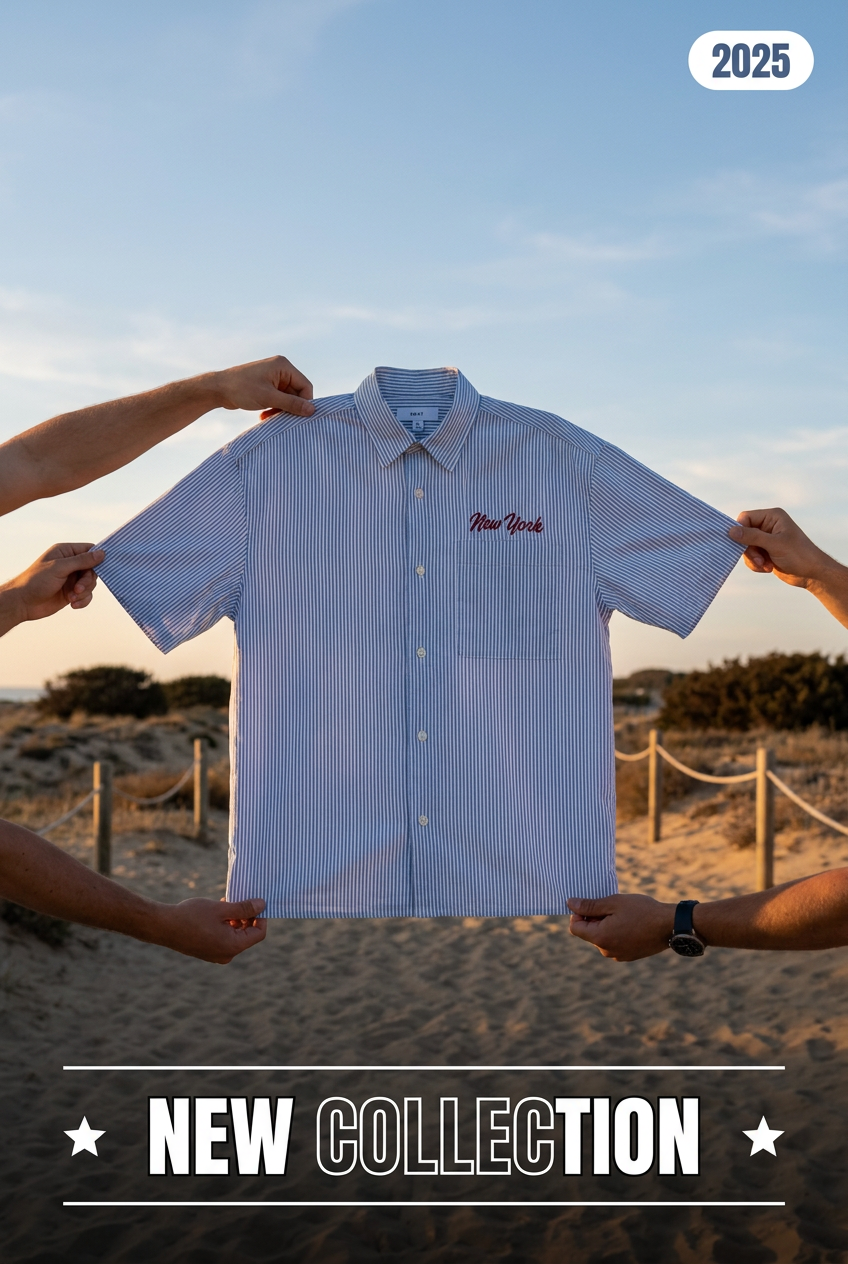
Suspends your apparel right in the center of a high-energy promo shot, held up by hands around the frame. It gives your shirts or jerseys a gritty, collaborative streetwear editorial look that feels alive and physical.
Regenerate using your own assets.
Because the character's core attributes are locked in the workflow, she remains recognizable, even in a totally new environment and style. This method is the foundation for creating everything from simple ad variations to complex visual stories, as we detail in our 10-minute AI storyboard workflow.
From character to campaign: Using your asset in the real world
A consistent character is only useful if you can deploy it easily. Because this entire process happens inside a MyUP workflow, your character is never isolated. At any step, you can apply your saved Brandkit to automatically add your logo, apply brand colors as overlays, or insert text using your brand fonts.
This transforms your character from a simple image into a finished marketing asset in seconds. You can go from a 'genesis' portrait to a polished, on-brand magazine cover featuring the same character, without ever leaving the platform or opening another design tool.
Workflow code: #myup-yk1h-uqy8
High-End Editorial Fashion Magazine Cover
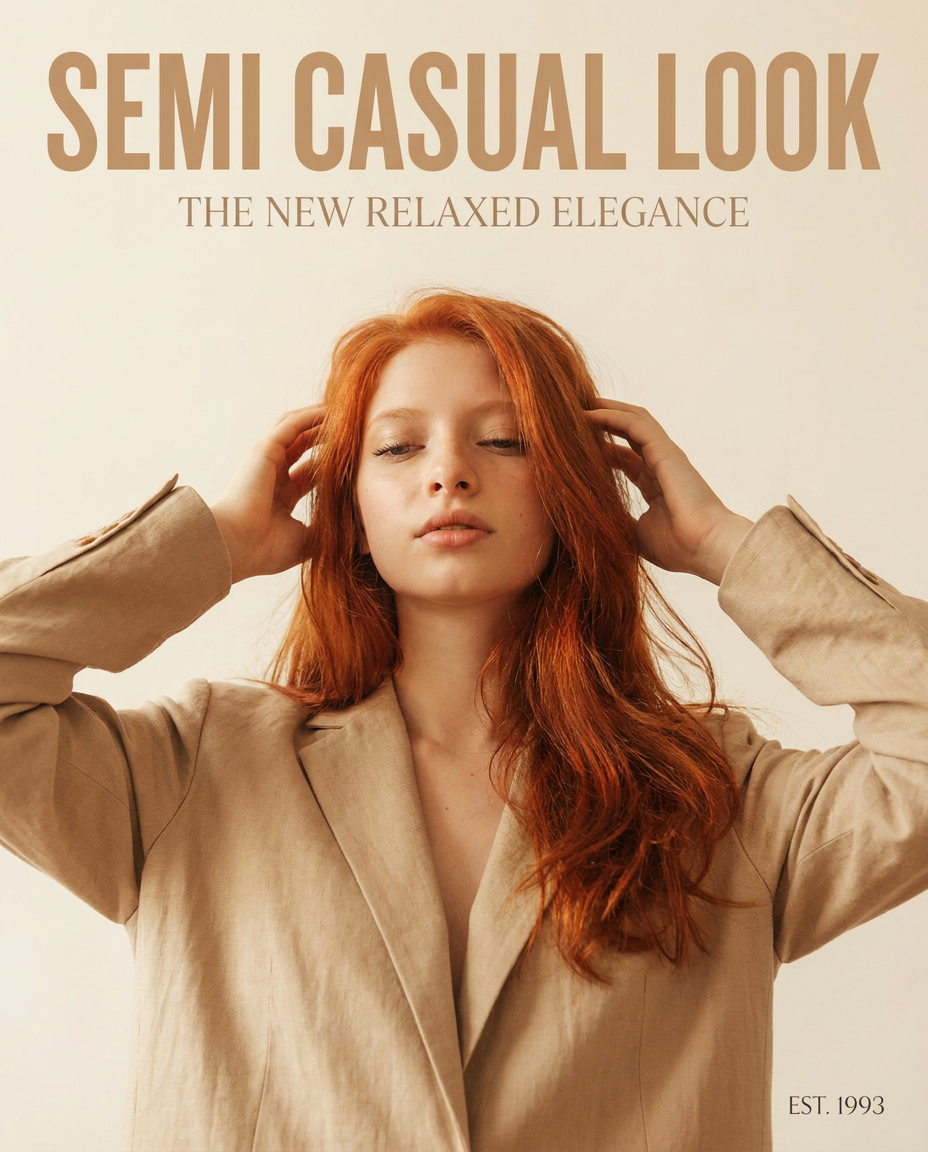
Drop in any portrait and turn it into a high-end editorial magazine cover. It frames your subject beautifully with relaxed, high-fashion posing and soft styling for a polished print aesthetic.
Regenerate using your own assets.
This is the power of a workflow over a feature. The goal isn't just to create a consistent character; it's to create and deploy on-brand content at scale.
Stop chasing features, start building workflows
The new features from Midjourney, Adobe, and Ideogram are exciting, and they validate a problem creators have been struggling with for years. But they are pieces of a puzzle, not the whole picture. True creative control and professional consistency don't come from a single parameter. They come from a disciplined, repeatable process.
By treating your character as a managed asset within an integrated workflow, you move beyond hoping for a lucky generation. You build a system that is scalable, team-friendly, and always on-brand. Stop wrestling with fragmented tools and start building a content engine. Create an account on MyUP.ai and build your first reusable character workflow today.