
On June 29, 2026, the AI creative world got two massive updates. Google made Gemini’s personalized image generation free for US users, and Midjourney launched its powerful '--personalize' feature. The promise was the same: AI that finally understands *you*.
The hype was immediate. But for creators, marketers, and founders with a job to do, these announcements raise a much more practical question: is this the personalization we actually need? Or is it a distraction from the real challenge of producing consistent, on-brand content at scale?
The two types of AI personalization (and why one is a trap for brands)
The term 'personalization' is now being pulled in two very different directions. Understanding the distinction is critical for anyone using AI for professional work.
1. Personal Personalization (The Gemini Model)
This model uses your private, personal data to influence its output. Gemini can look at your photos, your calendar, and other data connected to your Google account to inform its generations. If you ask it to create an image of 'a relaxing beach scene,' it might incorporate elements that resemble beaches you've actually visited and photographed.
For a consumer, this is a fascinating feature. But for a brand, it's a gimmick. A social media post for a new software product has no business being influenced by your vacation photos. It introduces randomness and irrelevance where you need precision and control. It’s personalization for your life, not your work.
2. Style Personalization (The Midjourney Model)
Midjourney’s '--personalize' feature is different. It allows you to train a custom aesthetic based on images you’ve previously generated and liked. You can develop a unique 'vibe'—moody, minimalist, retro-futuristic—and apply it consistently with a simple code. This is a huge leap forward for creators who want to escape the generic 'AI look' and develop a signature style.
This is a powerful tool for artists and influencers. But for a brand, a 'style' is only one piece of the puzzle. And it’s not the most important one.
The missing piece: why style isn't the same as brand
A brand is not a mood. It’s a system of non-negotiable rules. It’s your logo, which must be placed correctly and never altered. It’s your specific color palette—#E60023 for Pinterest, not just 'a nice red.' It's your official font, which has to be consistent across every single touchpoint.
Style personalization can get you in the right aesthetic neighborhood, but it can't find the exact address. It doesn't know your logo, your hex codes, or your typography rules. You still have to spend time in post-production fixing, correcting, and adding the actual brand elements, which defeats much of the purpose of using AI for speed.
This is the gap that professional creators are struggling with. What they need isn't personal or style personalization. They need Brand Personalization: an AI that knows and applies your entire visual identity system automatically.
How to get true brand personalization with a MyUP Brandkit
Brand Personalization isn't about letting the AI guess what you want; it's about giving it the official rulebook. This is the core principle behind the MyUP.ai Brandkit. It's a saved, reusable visual identity that acts as the single source of truth for every piece of content you generate.
You build it once, and it’s remarkably simple. Just enter your website's URL, and MyUP automatically scans your site, extracts your logo, identifies your exact color palette, and detects your fonts. This isn't a stylistic approximation; it's your actual brand DNA, stored and ready to be deployed.
From that point on, every workflow or template you run on MyUP uses your Brandkit. The AI doesn't just generate a pretty picture; it generates an asset that is already yours. The user’s job shifts from tedious manual correction to creative validation. You approve and adjust; MyUP handles the production according to your rules.
Want to see it in action? This workflow for a standard product-focused social media post automatically applies your Brandkit to ensure the colors, fonts, and overall feel are perfectly aligned.
Workflow code: #myup-kbgo-tlle
Product Brand Post
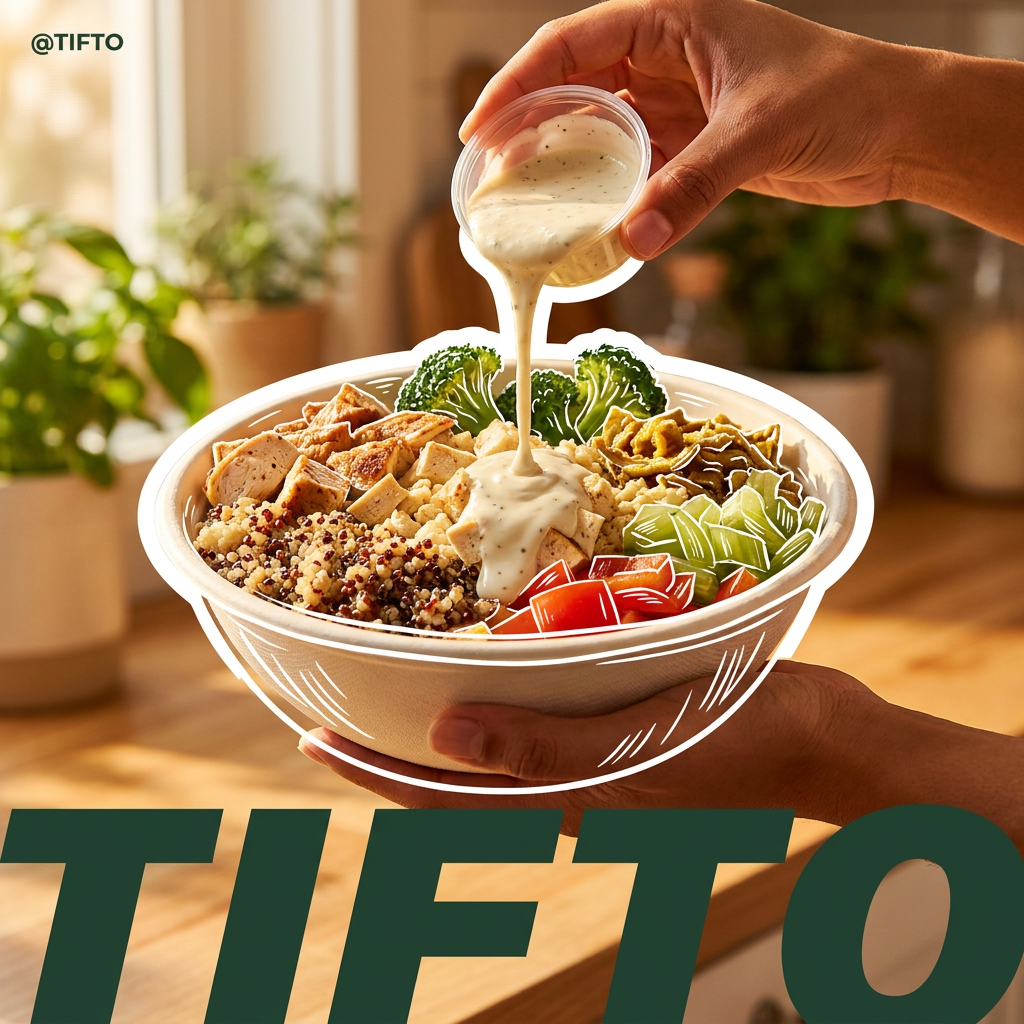
Drop in your product to generate a cohesive nine-post Instagram grid. It blends warm lifestyle photography and flat-lay packaging with bold hand-drawn doodles, collages, and urban billboard mockups. Everything automatically styles itself to your brand's colors.
Regenerate using your own assets.
From brand identity to content production: putting your Brandkit to work
Once your Brandkit is established, the system scales effortlessly. You’re no longer just creating single images; you’re running a content production engine where brand consistency is the default setting.
Need a social media post showing off a new apparel line? A workflow can apply your brand's aesthetic to the clothing and the overall composition, ensuring it feels like it came from your design team, not a generic AI.
Workflow code: #myup-3sro-edbt
Brand Clothes Post

Turn any outfit photo into a high-end fashion promo poster. It centers your subject in a full-body shot against a dark, dramatic studio backdrop, perfectly cropped for social feeds. It gives your apparel a moody, editorial look instantly.
Regenerate using your own assets.
Or perhaps you need a more stylized graphic, like a poster for a new food product. Instead of starting from scratch and trying to describe your brand's unique typographic style, you can use a workflow that integrates your Brandkit's fonts and colors into a compelling design automatically.
Workflow code: #myup-6hp6-zwh2
Minimalist Hand-Lettered Food Brand Poster
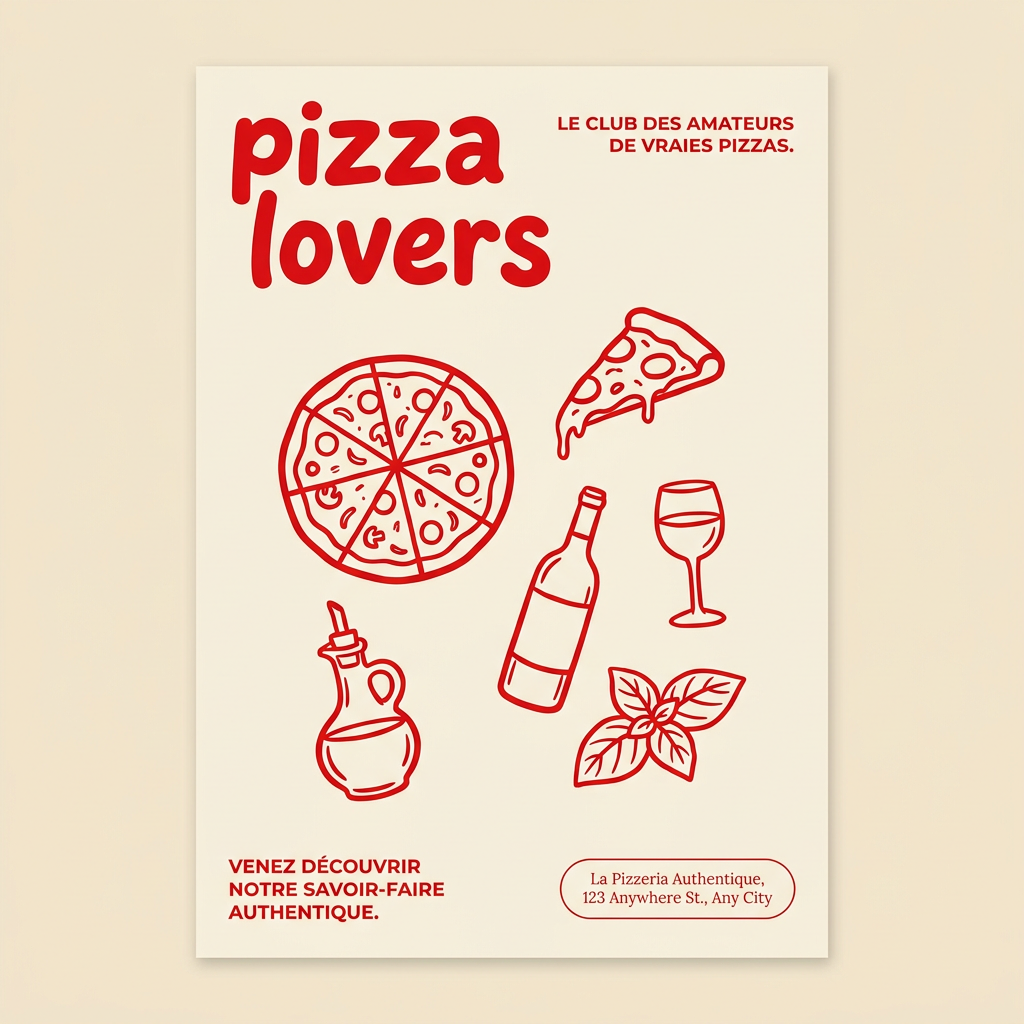
Generate clean, minimal posters for your food brand or cafe. It sets up a soft cream background with tons of breathing room, contrasted by a bold, chunky handwritten title in vivid red. It's a gorgeous editorial layout that makes your brand look instantly high-end.
Regenerate using your own assets.
This is the difference between a creative tool and a professional production platform. A Brandkit turns AI from a source of random inspiration into a reliable, scalable extension of your brand team.
The verdict: choose the personalization that serves your goals
The new features in Google Gemini and Midjourney are genuinely exciting. For personal art, creative exploration, and developing a unique artistic signature, they are incredible tools that push the entire industry forward.
But for marketers, social media managers, and founders, the job is different. The goal isn't just self-expression; it's building a recognizable, consistent, and trustworthy brand presence. For this work, personalization based on your private life is irrelevant, and personalization based on a vague 'style' is insufficient.
You need a system built for brand rules. You need an AI that knows your logo, your colors, and your fonts as well as you do. For professional content creation, Brand Personalization is the only model that matters. And it's the model we've built at MyUP.ai.