
In July 2026, the AI content creation industry had a collective wake-up call. The backlash against Meta for using public Instagram photos to train its AI wasn't an isolated incident; it was a symptom of a larger problem. In the same week, Stability AI launched 'Stable Artisan' on July 12, marketing it as an 'IP-safe' model, while Adobe previewed its own 'Brand Kit' feature for Firefly. The message from the market is now unmistakable: the era of using public, unpredictable AI models for professional brand content is over.
For any brand, marketer, or agency creating visuals, this isn't just industry news. It's a strategic inflection point. Relying on AI that scrapes the public internet is no longer just an experiment; it's a direct business risk. The professional standard has shifted, and it’s built on private, controlled, and consistent generation.
The three hidden risks of using public AI models for your brand
Using a generic AI image generator for your brand feels fast and cheap, but it comes with significant hidden costs. These aren't minor creative hurdles; they are fundamental risks to your brand's equity and legal standing.
1. Legal and ethical risk
Models trained on the open internet are a black box of unvetted data. They often contain copyrighted artwork, licensed photography, and, as the Meta incident revealed, the personal photos of millions of people who never gave their consent for commercial use. Using these tools means you are one generation away from inadvertently infringing on someone's copyright or violating privacy rights. For a business, this is an unacceptable and entirely avoidable liability.
2. Brand consistency risk
A brand is a promise of consistency. Public AI models are engines of randomness. Every time you prompt for an image, you get a different interpretation of your brand's style, colors, and logo placement. A viral post on X recently highlighted this perfectly, showing a series of AI-generated ads for the same fictional brand that looked like they came from different companies. This inconsistency erodes brand recognition and makes your marketing efforts feel amateurish and disjointed. You can't build brand equity on a foundation of unpredictability.
3. Quality and control risk
The output of public models is, by definition, an average of the internet. It’s often generic, stylistically bland, and lacks the specific point of view that makes your brand unique. As a creator, your role is to validate the output, but you can't steer a tool that has no memory of your brand's identity. You're left trying to force brand alignment through complex prompts, a process that wastes time and rarely produces the high-quality, specific assets you actually need.
The professional alternative: a private Brandkit
The solution to these risks is to move from a public, open system to a private, closed one. Instead of relying on an AI that has learned from everyone, you need an AI that learns exclusively from you. This is the core concept behind a Brandkit.
A Brandkit is a secure, private container for your brand's visual identity. It holds your specific logos, color palettes, fonts, and stylistic guidelines. When you generate content, the AI uses your private Brandkit as its only source of truth, not the public internet. This ensures every single asset is legally safe and perfectly on-brand.
The recent announcement of a 'Brand Kit' feature by Adobe for its enterprise clients validates this approach on a massive scale. It confirms that for serious commercial use, a private, brand-aware system is the only viable path forward. However, you don't need an enterprise-level budget to achieve this level of safety and control. On MyUP.ai, creating and using a private Brandkit is a core part of the workflow, accessible to every creator and team.
Your brand-safe workflow: from URL to on-brand assets in minutes
MyUP is designed to make professional-grade, brand-safe creation simple. You can establish your entire visual identity and start generating content in a few minutes. Here’s how it works:
- Create Your Brandkit Instantly: Start by entering your brand's website URL into MyUP. The platform automatically analyzes your site and extracts your core visual assets—logo, colors, and fonts—into a secure Brandkit.
- Validate, Don't Re-create: MyUP presents your extracted identity for your approval. You have full control to adjust colors, upload alternative logos, or refine fonts. The key is that you do this once. Your brand is now saved and ready for every future project.
- Generate with a Workflow: Instead of starting from a blank prompt, you use a template or workflow that is automatically connected to your Brandkit. The AI handles the production; you validate the results.
To see this in action, you can immediately create a social media post for one of your products. This workflow will automatically apply your new Brandkit to ensure the colors, fonts, and overall style are a perfect match.
Workflow code: #myup-kbgo-tlle
Product Brand Post

Drop in your product to generate a cohesive nine-post Instagram grid. It blends warm lifestyle photography and flat-lay packaging with bold hand-drawn doodles, collages, and urban billboard mockups. Everything automatically styles itself to your brand's colors.
Regenerate using your own assets.
From product ads to hiring posters: achieving total visual consistency
The real power of a Brandkit is its reusability. Once your identity is saved in MyUP, you can apply it to any type of creative asset without re-entering brand guidelines. This solves the core problem of consistency across entire campaigns. Your product visuals will have the same DNA as your recruitment materials, and your social posts will align perfectly with your website.
For example, using the exact same Brandkit you just created, you can instantly generate a more polished studio product ad. The lighting, composition, and style will change, but the brand identity remains locked in.
Workflow code: #myup-u4lt-o0ho
Studio Product Ad
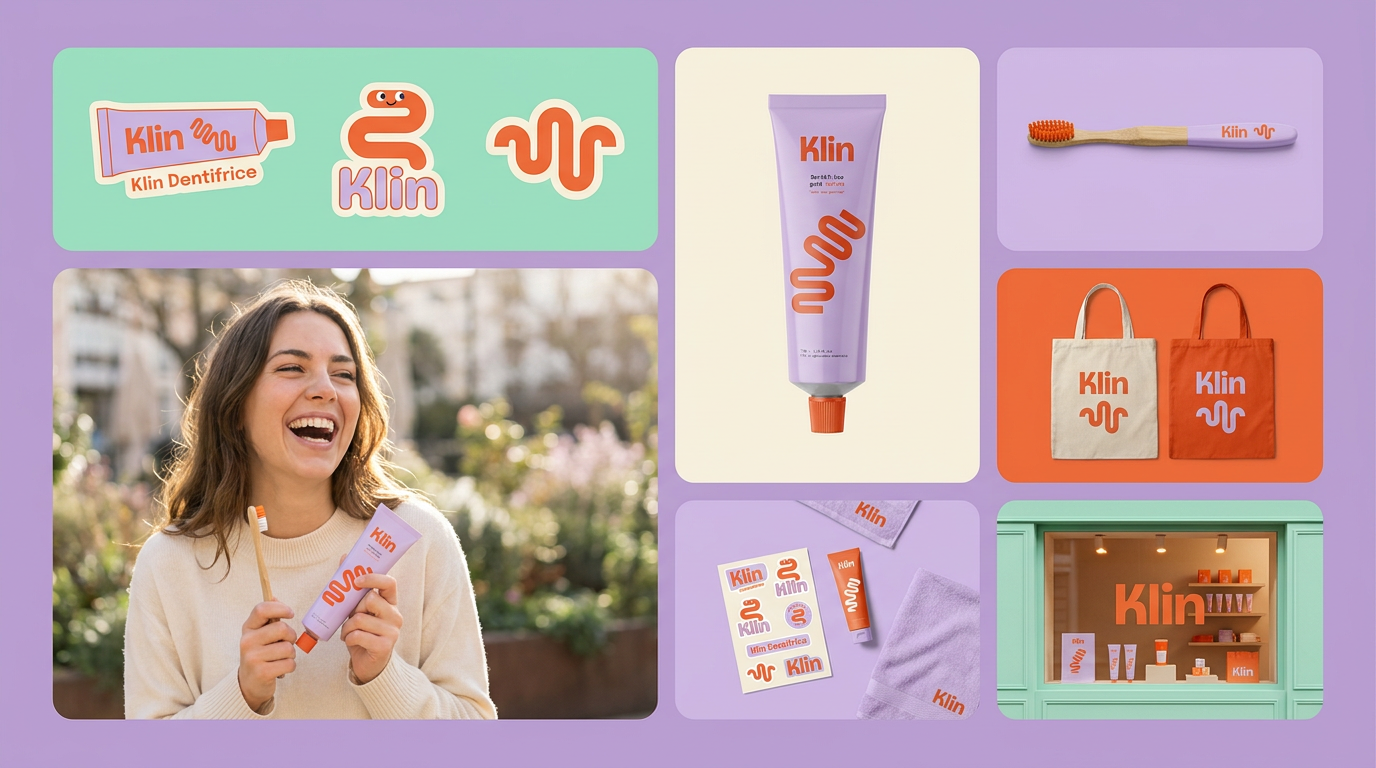
Drop in a single product photo to instantly build a cohesive visual identity. It automatically samples your item's dominant colors to generate a beautifully matched mosaic moodboard, giving your brand an instant, polished aesthetic.
Regenerate using your own assets.
This consistency extends far beyond product marketing. What if your HR team needs to create a hiring announcement? Instead of them trying to guess brand colors or find the right logo file, they can simply use a different workflow. The output is a completely different asset for a different purpose, yet it's instantly recognizable as part of your brand.
Workflow code: #myup-eiob-7tbc
Modern Hiring Poster
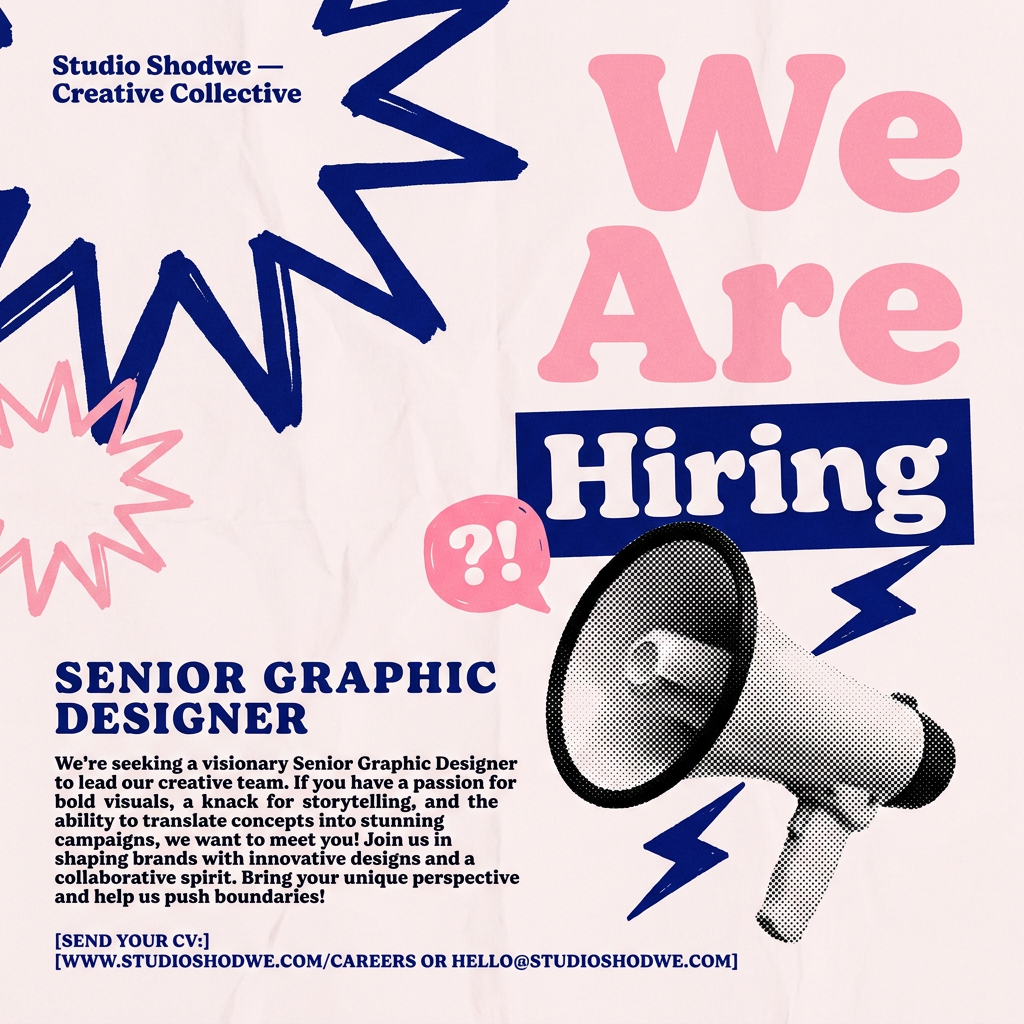
Turn your open roles into stylish social announcements. It sets your hiring details against a soft, textured paper background with clean, editorial typography. Perfect for giving your brand a polished, modern look when you're looking to hire.
Regenerate using your own assets.
This is how professional teams scale content production without diluting their brand. By separating the brand identity from the creative task, you ensure every piece of content, regardless of who creates it, is safe, legal, and on-brand. For a deeper look into this process, see our guide on the workflow for brand consistency in product photos.
Workflow code: #myup-aon6-zvop
Studio Product Ad
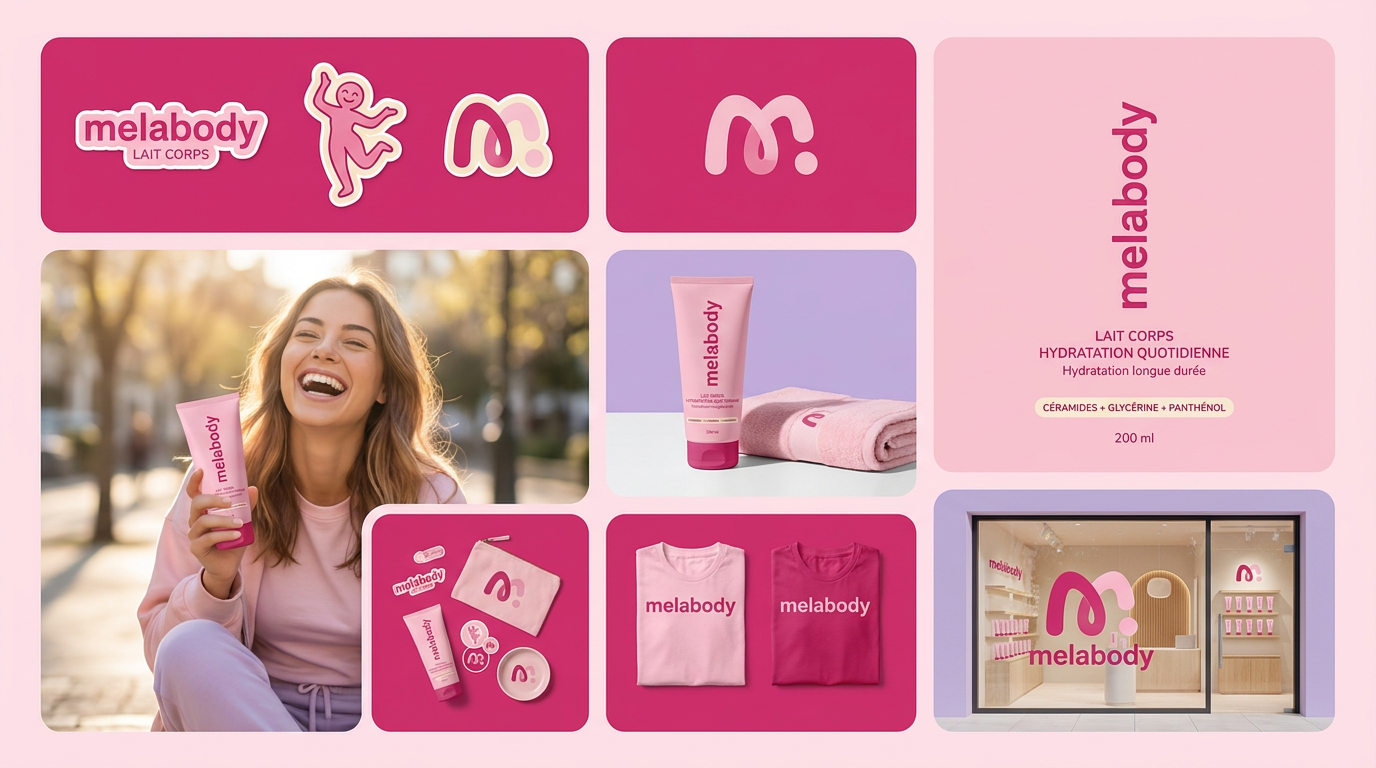
Turn any product photo into a cohesive brand moodboard. It automatically extracts the dominant color from your image to style the background, framing everything in a clean mosaic layout that perfectly matches your aesthetic.
Regenerate using your own assets.
The new standard for brand content is private, not public
The events of July 2026 drew a clear line in the sand. AI models trained on public data were a fascinating phase of experimentation, but they are not the tools for professional production. The new standard for creating brand content with AI is private, secure, and controlled.
Moving to a Brandkit-driven workflow on MyUP isn't just about avoiding risk; it's about gaining a competitive advantage. It allows you to produce higher-quality, more consistent content faster than ever before, all while protecting the brand equity you've worked so hard to build. The conversation around tools like Meta's AI and its use of Instagram photos has made it clear that the professional workflow must prioritize safety and control.
Start building your library of safe, on-brand assets today. Even a simple, minimalist poster becomes a powerful brand statement when it's generated from your unique visual identity.
Workflow code: #myup-k4td-9k6z
Minimalist Poster
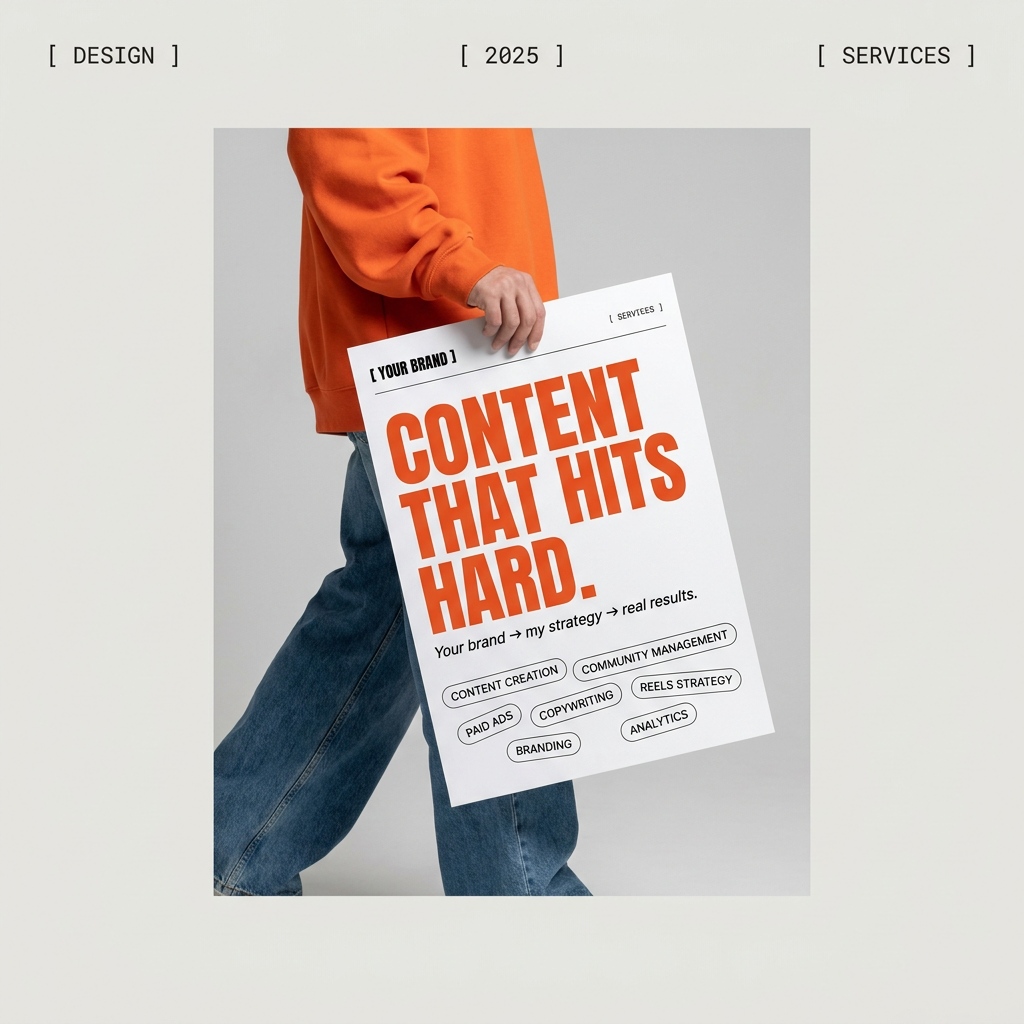
Give your social feed a clean, gallery-like aesthetic. This layout frames your images with structured mono typography and soft, neutral backgrounds for a high-end editorial look. It's perfect for minimal product launches or brand announcements.
Regenerate using your own assets.