
With the launch of dedicated tools like Authentic AI today, August 13, 2026, and new 'Style Presets' from Stability AI, the market for AI-generated User-Generated Content (UGC) is officially here. These tools promise to deliver that coveted low-fi, 'real person' aesthetic with a single click. But there's a problem: they're selling a style filter, and authenticity isn't a filter. It's context.
A video feels real not because of some artificial camera shake, but because the person, the environment, and the product feel coherent and believable together. Black-box generators that spit out random faces in generic settings can't deliver this. They lack the control needed to build a credible campaign. For marketers and brands who need content that actually converts, a one-size-fits-all approach to authenticity is a dead end.
This guide lays out the professional workflow for creating UGC-style video ads that work. It’s a multi-step process inside MyUP.ai that gives you control over the crucial elements: a consistent character, a library of realistic scenes, and absolute brand integrity. This is how you build a scalable production pipeline for believable ads, not just a folder of one-off novelties.
Step 1: Define your reusable 'creator' character
The first failure of most AI UGC generators is character inconsistency. A successful UGC campaign often features the same creator across multiple videos, building familiarity and trust with the audience. A generator that produces a different random person in every clip breaks this illusion instantly. Your campaign has no face; it's just a collection of disconnected deepfakes.
The foundation of a believable campaign is a consistent, reusable character. Instead of prompting for a 'person holding a product' and hoping for the best, the first step in a professional workflow is to define your 'creator' as a distinct asset. In MyUP, this means creating a character with defined features that you can call upon again and again. This isn't about creating a perfect supermodel; it's about establishing a specific, recognizable face for your campaign. For a deeper dive on this, see our guide on creating consistent AI storyboard characters.
By treating your character as a core campaign asset, you can place them in any context you need later. This separation of character from scene is the first and most critical step toward a controllable and scalable production process. The user—you—defines the persona, and MyUP handles rendering them consistently across every piece of content.
Step 2: Build your library of 'messy, real-world' scenes
Authenticity lives in the environment. The 'user-generated' feel comes from backgrounds that look like real life: a kitchen with clutter on the counter, a living room with imperfect lighting, a bedroom that isn't professionally staged. Polished studio shots or unnaturally tidy stock photo environments immediately signal 'advertisement'.
Your next step is to build a library of these imperfect, realistic scenes. The goal is to create a set of backdrops that feel lived-in and genuine. Think about where your actual customers would use your product and generate those specific contexts. This could be:
- A bathroom counter with other products visible.
- A home office desk with papers and a coffee mug.
- A car's passenger seat.
- A public park bench.
On MyUP.ai, you can quickly generate dozens of these scene variations to build a diverse asset library. This gives you the flexibility to test which environments resonate most with your audience. The workflow below is a great starting point for creating high-impact, human-centric scenes that feel both premium and real.
Workflow code: #myup-xjsb-hirr
Bold Portrait Food Advertising Photo

Get those high-impact, tight action shots of people actually enjoying your food brand. It drops your product right into a messy, realistic close-up bite shot that feels like a premium lifestyle campaign instead of a boring studio packshot.
Regenerate using your own assets.
Step 3: Combine character and scene with your Brandkit
This is where the workflow delivers what one-click generators can't: brand integrity. Now you can combine your consistent character from Step 1 with a realistic scene from Step 2. But the most important part is ensuring your product is rendered perfectly. A UGC-style ad is worthless if the product in the creator's hand has a warped logo, the wrong brand colors, or looks like a generic placeholder.
This is a common failure point for most image and video models, but it's solved in MyUP using a Brandkit. By setting up your brand's visual identity once—your exact logo, color palette, and fonts—you can ensure that every time your product appears, it is 100% accurate. MyUP's workflow layers your Brandkit over the generation, so even in a 'messy' scene with varied lighting, your packaging is rendered with perfect fidelity. This is how you create believable 'product-in-use' shots at scale, a task we explore more in our workflow for placing products in any AI scene.
Use the following workflow to practice combining a subject with a product in a dynamic, authentic context. MyUP handles the complex production of merging these elements; you simply validate that the final composition meets your creative standard.
Workflow code: #myup-ywpr-rqz6
Professional Sportswear Ad
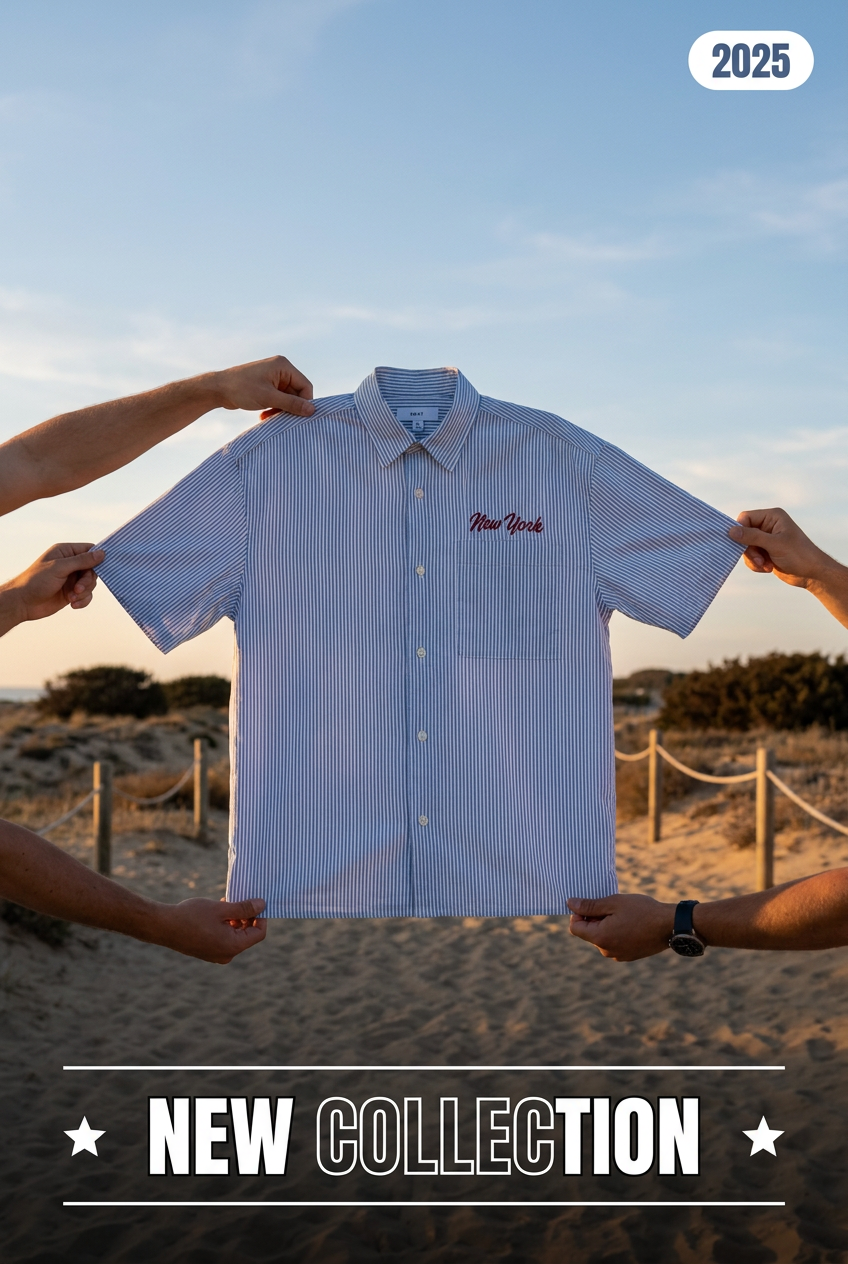
Suspends your apparel right in the center of a high-energy promo shot, held up by hands around the frame. It gives your shirts or jerseys a gritty, collaborative streetwear editorial look that feels alive and physical.
Regenerate using your own assets.
Step 4: Generate video clips and on-brand variations
With your character, scene, and branded product composed into a static image, the final step is to bring it to life. Using MyUP's video generation capabilities, you can turn these compositions into short, looping video clips perfect for social media ads on platforms like TikTok, Instagram Reels, and YouTube Shorts. You can introduce subtle motion—a slight head turn, a gentle camera drift, or the movement of background elements—to transform a static shot into an engaging video ad.
The true power of this workflow emerges here. Because you've built a system of modular assets (character, scenes, Brandkit), creating variations for A/B testing is trivial. You can generate dozens of clips testing your character in different scenes, holding the product in different ways, or with different lighting. This allows you to systematically test and identify which creative combinations drive the best performance, moving beyond guesswork.
Even a workflow designed for a polished, high-fashion look can be adapted to create these 'de-polished' UGC clips, demonstrating the flexibility of a workflow-based system over a fixed preset.
Workflow code: #myup-yk1h-uqy8
High-End Editorial Fashion Magazine Cover
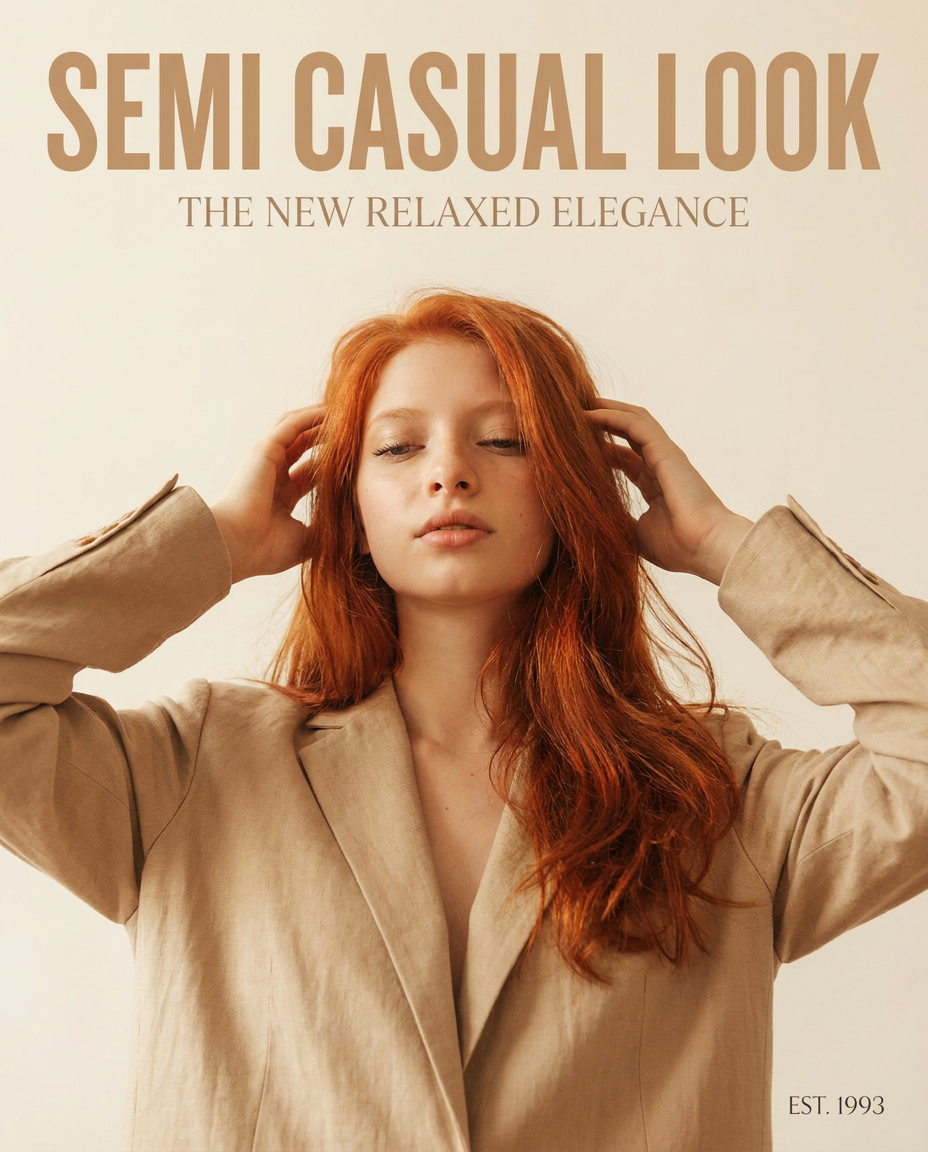
Drop in any portrait and turn it into a high-end editorial magazine cover. It frames your subject beautifully with relaxed, high-fashion posing and soft styling for a polished print aesthetic.
Regenerate using your own assets.
The workflow is the brand: why control beats the black box
The new wave of AI UGC generators offers a tempting shortcut, but they mistake a stylistic veneer for true authenticity. Real connection comes from consistency, context, and brand credibility—elements that require creative control, not a black-box preset. A 'UGC' filter can't build a relationship with your audience, but a believable character using your real product in a familiar setting can.
By adopting a structured workflow in MyUP.ai, you aren't just creating a single video ad; you're building a scalable production system. It’s a system where you define the creative strategy and control the assets that matter, while the platform executes the complex production. This is how you generate authentic, on-brand UGC that performs, clip after clip. You validate the output; MyUP handles the production.