
If you've been on X or LinkedIn lately, you've seen it: the Frankenstein's monster of AI-generated training videos. A presenter created with one tool, a voice from another, and animation from a third. The result? A 10-part course where the instructor looks slightly different in every module. The lighting shifts, the voice tone is off, the branding flickers. It looks cheap, and it undermines the authority of your content.
This isn't a creator problem; it's a tool problem. Generating a single AI video is easy. But producing a professional, scalable, and visually consistent training series requires a production *system*, not a collection of one-off tools. Here’s the workflow to build that system in MyUP.
The foundation: Lock in your brand before you press record
Before you even think about an AI presenter, you need a single source of truth for your visual identity. Inconsistent training videos often suffer from more than just a wobbly avatar; they have the wrong hex codes, stretched logos, and off-brand fonts on lower thirds and title cards. This happens when brand assets are managed manually for every video.
The only way to fix this at scale is with a Brandkit. In MyUP, you build your Brandkit once by providing a URL. MyUP automatically extracts your logo, color palette, and fonts. From that point on, every asset the platform generates—from video overlays to promotional graphics—will automatically use your correct branding. This is the non-negotiable first step. It eliminates the daily brand compliance checks and ensures every single frame is professional and correct, without you having to inspect it pixel by pixel.
Step 1: Create a consistent AI presenter and voice
The core of the consistency problem is the AI presenter. When you use separate tools for image generation and video animation, you lose control. The solution is to define your presenter as a single, reusable asset within your production workflow.
In MyUP, you select or create your AI avatar once. You pair it with a specific AI voice and tone, and you save this combination. This 'digital presenter' becomes a fixed part of your video workflow. Now, whether you're generating the first module or the tenth, the same person appears on screen, with the same voice, delivering the content. This builds trust and familiarity with the learner, crucial for effective training. You're no longer hoping for consistency; you're programming it. For a deeper dive into creating the perfect digital presenter, see our guide to the best AI talking head generators for on-brand video.
Step 2: Automate scene creation from your scripts and slides
With your brand and presenter locked in, you can automate the actual video production. Manually creating scenes, syncing narration, and adding visuals for a multi-part course is days of work. A workflow-based approach turns it into a repeatable, automated task.
You can design a MyUP workflow that takes your raw content—a text script, a bulleted list, or even a full slide deck—as its input. The workflow then breaks the content down into logical scenes, feeds the script to your saved AI presenter for narration, and generates each video segment. The user’s job shifts from tedious production to high-level validation. You approve the scenes, not build them from scratch.
Every professional video series needs consistent title cards. Instead of designing them one by one, you can use a workflow to generate them automatically. This template is a perfect starting point for creating clean, branded cover slides for every module.
Workflow code: #myup-k4td-9k6z
Minimalist Poster
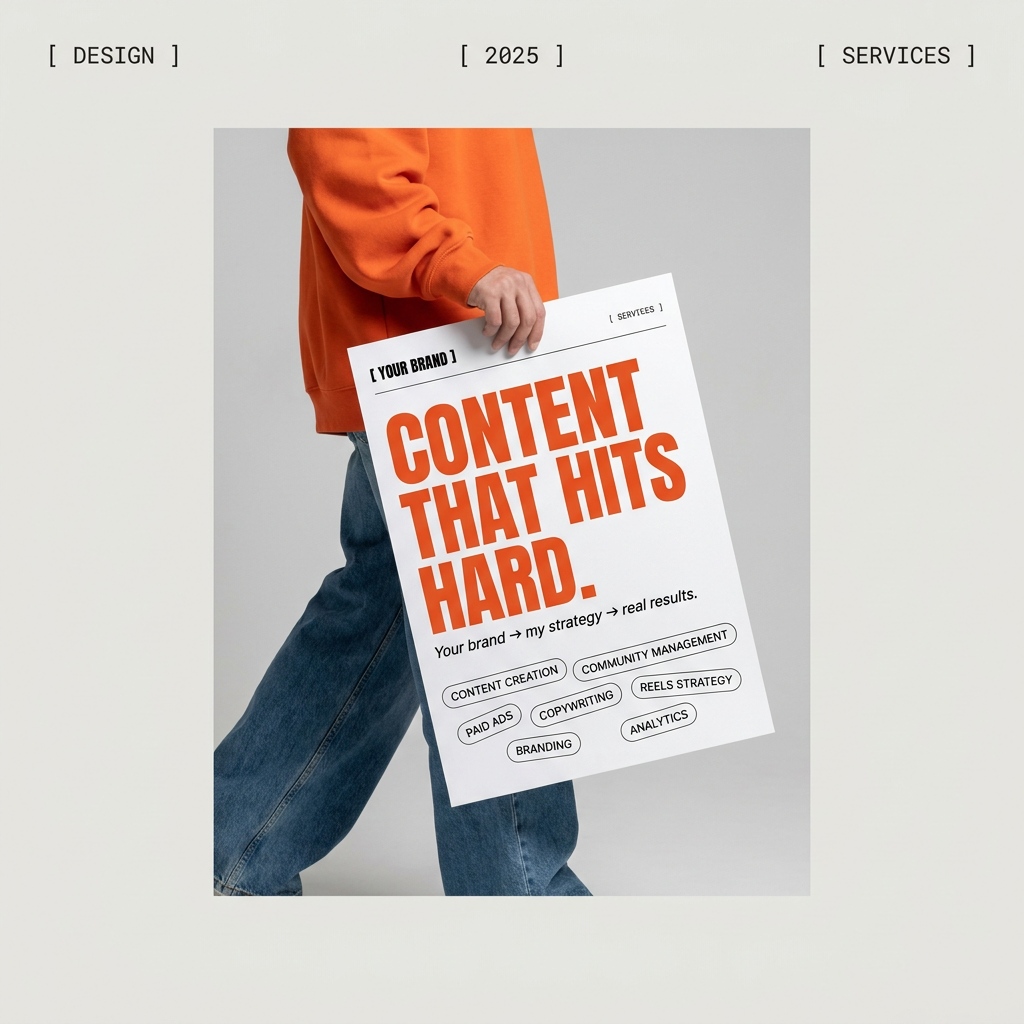
Give your social feed a clean, gallery-like aesthetic. This layout frames your images with structured mono typography and soft, neutral backgrounds for a high-end editorial look. It's perfect for minimal product launches or brand announcements.
Regenerate using your own assets.
Step 3: Brand every frame, from lower thirds to promotional assets
A training course is more than just the main video content. It includes intros, outros, lower-third titles for speakers, and callout graphics. A true production system handles these automatically, pulling from the Brandkit you already established.
Within your MyUP workflow, you can add steps to generate these supplementary assets. For example, a step to create a lower third will automatically use your brand fonts and colors. An intro sequence will feature your logo correctly. Furthermore, you need to promote the course. Instead of opening a separate design tool, you can add a branch to your workflow to generate on-brand social media posts announcing each new module.
This workflow is designed to create modern posters, but it's easily adapted to generate a series of sharp, on-brand announcements for your course on LinkedIn or internal channels.
Workflow code: #myup-eiob-7tbc
Modern Hiring Poster
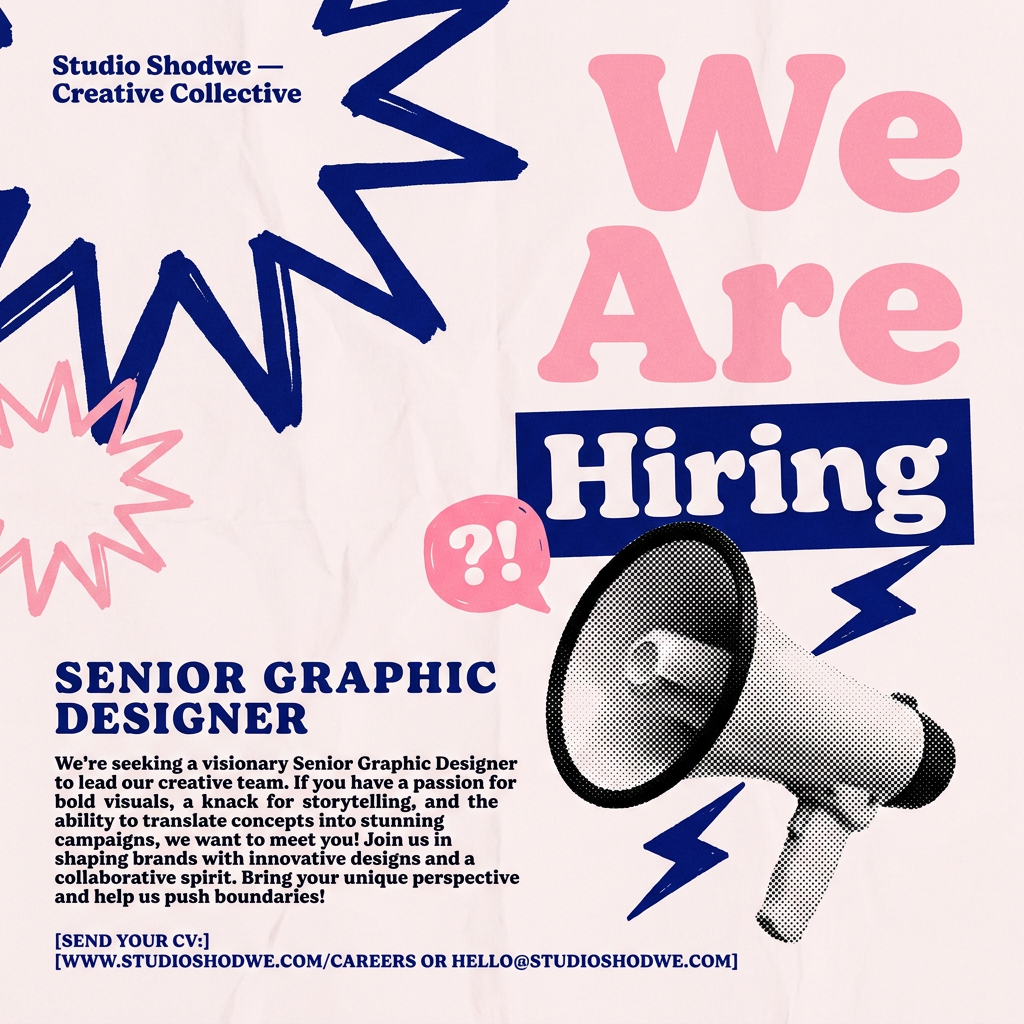
Turn your open roles into stylish social announcements. It sets your hiring details against a soft, textured paper background with clean, editorial typography. Perfect for giving your brand a polished, modern look when you're looking to hire.
Regenerate using your own assets.
Step 4: Scale your course from one module to ten
This is where the system pays off. You've designed the workflow—your automated video production line. Now you can run it at scale. To produce your entire 10-part course, you don't repeat the work ten times. You simply provide the ten different scripts as a batch input to your saved workflow.
MyUP will execute the workflow for each script, generating ten complete, perfectly consistent videos and their associated promotional assets. Every video will have the same presenter, the same voice, the same branding, and the same visual structure. This is how you move from being a video creator to a content producer, overseeing a system instead of being stuck in the manual work. This same principle of batch production can be applied to other formats, like creating a week of on-brand TikToks in one go.
To create a consistent set of summary graphics or key takeaways for each module, a grid-based layout works perfectly. Use this workflow to turn your key points into clean, shareable visuals.
Workflow code: #myup-n0bi-2wzk
Bold Editorial Grid Poster
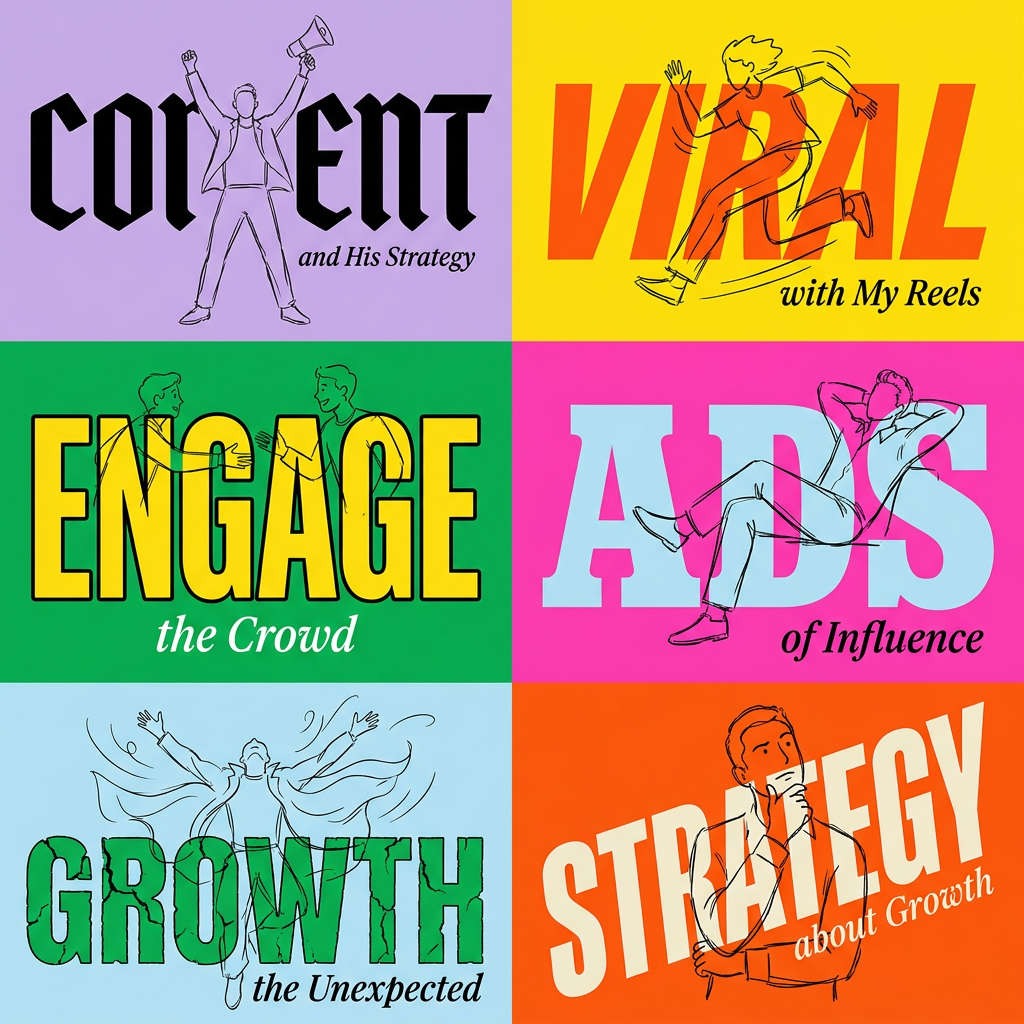
Create striking 2x3 editorial posters with six seamless, flat-color square cards in a perfect 4:5 grid. There are absolutely no gaps between the blocks, giving your content a bold, high-contrast magazine layout. It looks incredibly clean on any social feed.
Regenerate using your own assets.
When a dedicated AI video tool is the wrong choice
Specialized AI video platforms like Synthesia are excellent for producing a single, high-quality video with a stock avatar. They are polished, professional tools for a specific task.
However, they are the wrong choice for producing an entire corporate training *program*. A training program is a system of content, not just one video. It requires consistent branding across dozens of assets, a scalable production method, and the ability to create supplementary materials like worksheets and promotional posts. This is where single-purpose tools fall short.
MyUP isn't just an AI video generator; it's a brand content production platform. By integrating your Brandkit with automated, multi-step workflows, you build a content factory, not just a single car. For serious corporate training where consistency, scalability, and brand safety are paramount, you need the factory.