The wave of new AI video generators, like Luma AI's 'Dream Machine' that dropped in June 2026, has filled every social feed with surreal, impressive clips. It's exciting, but after the novelty wears off, a serious problem emerges for anyone building a brand: the output is chaotic. One clip is photorealistic, the next is anime, and the one after that is claymation. It's a collection of cool experiments, not a coherent brand campaign.
This visual randomness is more than just an aesthetic issue; it's a brand liability. When your audience can't recognize your content at a glance, you lose brand equity. Every off-brand video you post on a high-volume platform like TikTok actively works against the consistency you've built. The solution isn't a better prompt. It's a better workflow—one that puts your brand identity at the start of the process, not as an afterthought. This guide will walk you through that exact workflow on MyUP.ai, showing you how to go from a simple idea to a full week of on-brand TikToks.
Step 1: Stop prompting, start with your Brandkit
The fundamental mistake most people make with AI content creation is starting with the prompt. For professional use, you must start with the brand. Before you generate a single frame of video, your visual identity needs to be defined and locked in. In MyUP.ai, this is done with a Brandkit.
A Brandkit is a centralized, intelligent container for your visual identity. You can create one in minutes by simply providing your website's URL. MyUP scans your site and automatically extracts your brand's core components:
- Color Palette: Your primary, secondary, and accent colors are identified and saved.
- Typography: Your specific brand fonts for headings and body text are captured.
- Logo: Your logo is pulled and stored for easy application.
Once created, this Brandkit becomes the non-negotiable foundation for every piece of content. Any AI video workflow you run will automatically reference these assets. This means no more manually color-correcting clips to match your palette or overlaying text in a separate editor and hoping the font is right. The brand consistency is built-in, ensuring every output feels like it came from the same creative director.
Step 2: Plan your week's content theme
TikTok thrives on volume, but that volume needs a narrative. Generating seven random videos is just as bad as one. The key to efficient batch production is a simple thematic plan. Instead of thinking 'I need a TikTok for Monday,' think 'What's the story for this week?'
A simple weekly theme could be:
- Monday: Introduce the week's hero product.
- Tuesday: Show a behind-the-scenes look at how it's made.
- Wednesday: Feature a user testimonial or a common problem it solves.
- Thursday: Highlight a unique feature or benefit.
- Friday: Announce a weekend promotion or call-to-action.
- Saturday & Sunday: Share lifestyle content showing the product in use.
This structure turns your content into a mini-campaign. Now, when you move to AI generation, you're not just creating isolated assets. You're building a cohesive set of videos that work together, which is far more effective for audience engagement and brand recall.
Step 3: Generate a week of video clips with one workflow
With your Brandkit established and your weekly theme planned, you can now generate the core visual assets. This is where the power of a MyUP workflow becomes clear. Instead of generating videos one by one, you set up a single workflow to produce multiple variations that are all stylistically aligned.
A MyUP workflow is a repeatable series of production steps. For your TikTok content, a basic video generation workflow would instruct the AI to create short, vertical video clips based on your daily themes, but with one critical instruction: every single clip must adhere to the visual style defined in your Brandkit. This ensures the lighting, color grading, and overall mood are consistent across all seven videos.
You can start with a pre-built template designed for social media ads and customize it for your weekly plan. For example, this workflow for a sportswear ad is a perfect starting point for creating dynamic, on-brand product videos for TikTok.
Workflow code: #myup-ywpr-rqz6
Professional Sportswear Ad
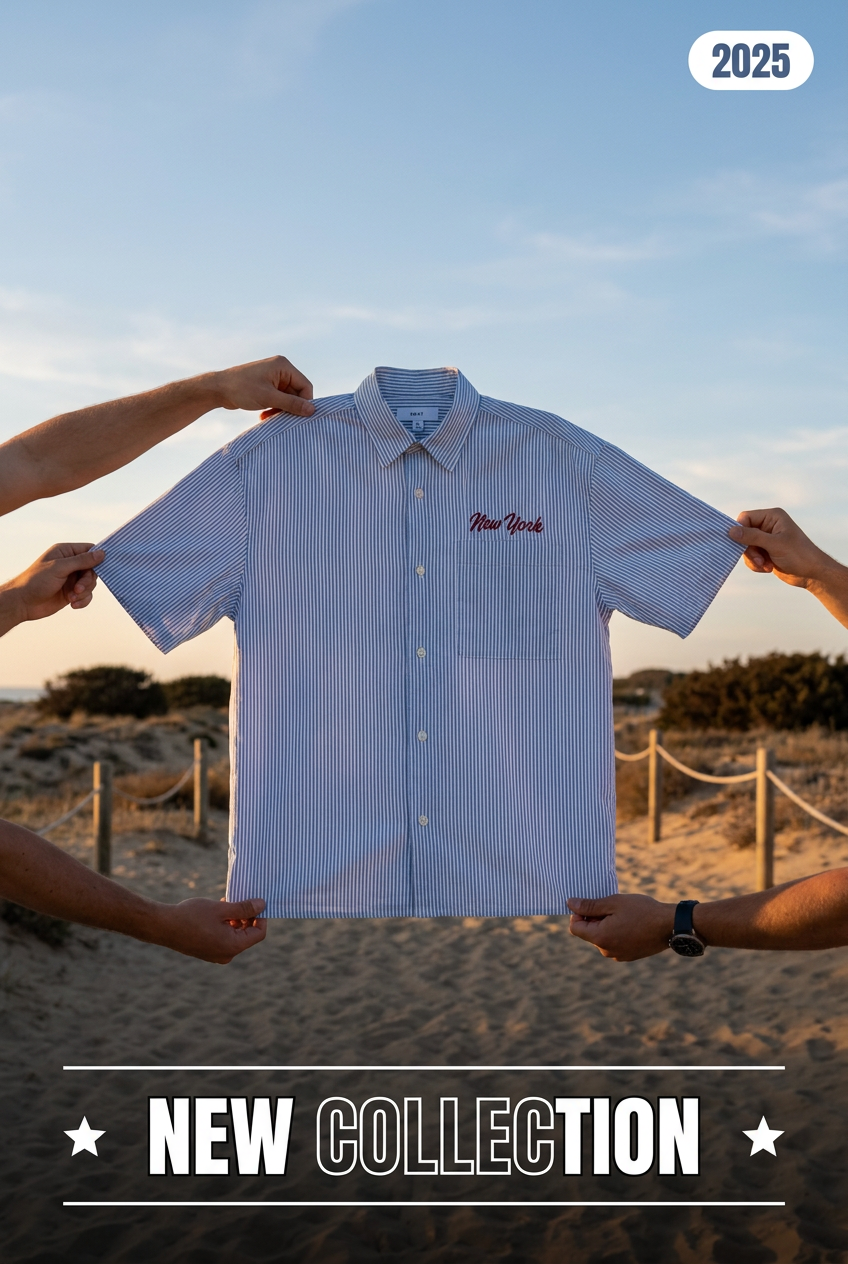
Suspends your apparel right in the center of a high-energy promo shot, held up by hands around the frame. It gives your shirts or jerseys a gritty, collaborative streetwear editorial look that feels alive and physical.
Regenerate using your own assets.
The user's role here is to provide the high-level concepts for each day (e.g., 'a video of our new sneaker on a city street at dusk'). MyUP handles the production, ensuring the visual DNA from the Brandkit is embedded in every frame.
Step 4: Add on-brand text, logos, and calls-to-action
Raw AI-generated video often struggles with legible text or correct logo placement. Trying to get a model to generate your slogan in your brand font is a recipe for frustration. A professional workflow separates video generation from graphic overlays.
In MyUP, adding text and logos is a final, precise step in the workflow. Because the system already has your Brandkit, it knows which font to use for your headline and where your logo should be placed for brand safety. You simply define the text for each day's video ('New Drop!', '50% Off This Weekend'), and the workflow applies it consistently using the correct typography and colors.
This systematic approach is how you get from a cool AI clip to a finished, performance-ready social media asset. It's the difference between an amateur experiment and professional content production. This is especially vital for creators who need to produce a high volume of assets, like those who might automate their podcast marketing or create dozens of product shots.
This workflow for a branded clothing post is a great example of a finished asset where the visual, text, and brand elements all work together.
Workflow code: #myup-3sro-edbt
Brand Clothes Post

Turn any outfit photo into a high-end fashion promo poster. It centers your subject in a full-body shot against a dark, dramatic studio backdrop, perfectly cropped for social feeds. It gives your apparel a moody, editorial look instantly.
Regenerate using your own assets.
From a week to a month: How to scale your on-brand video production
The true value of this workflow-based approach is that it’s not a one-time project; it's a reusable asset. Once you've perfected your 7-day TikTok workflow, you can save it as a custom template in your MyUP account.
When it's time to plan the next week's content, you don't start from scratch. You simply run your saved workflow, input the new daily themes, and generate another batch of seven on-brand videos in a fraction of the time. This system turns a time-consuming creative task into a predictable, scalable production process. You can create different workflows for different campaign types—one for product launches, one for brand storytelling, and another for user-generated content style ads. Much like creating diverse on-brand product scenes, the goal is variation within a consistent framework.
With a library of custom workflows, producing a month's worth of TikToks becomes a matter of planning and a few clicks, not endless hours in an editing suite. You can even create variations for different platforms, like a square version for Instagram or a 16:9 version for YouTube Shorts.
To see another example of a finished vertical ad, perfect for TikTok or Reels, check out this template.
Workflow code: #myup-fts6-4ihp
Vertical Gourmet French Fry Ad
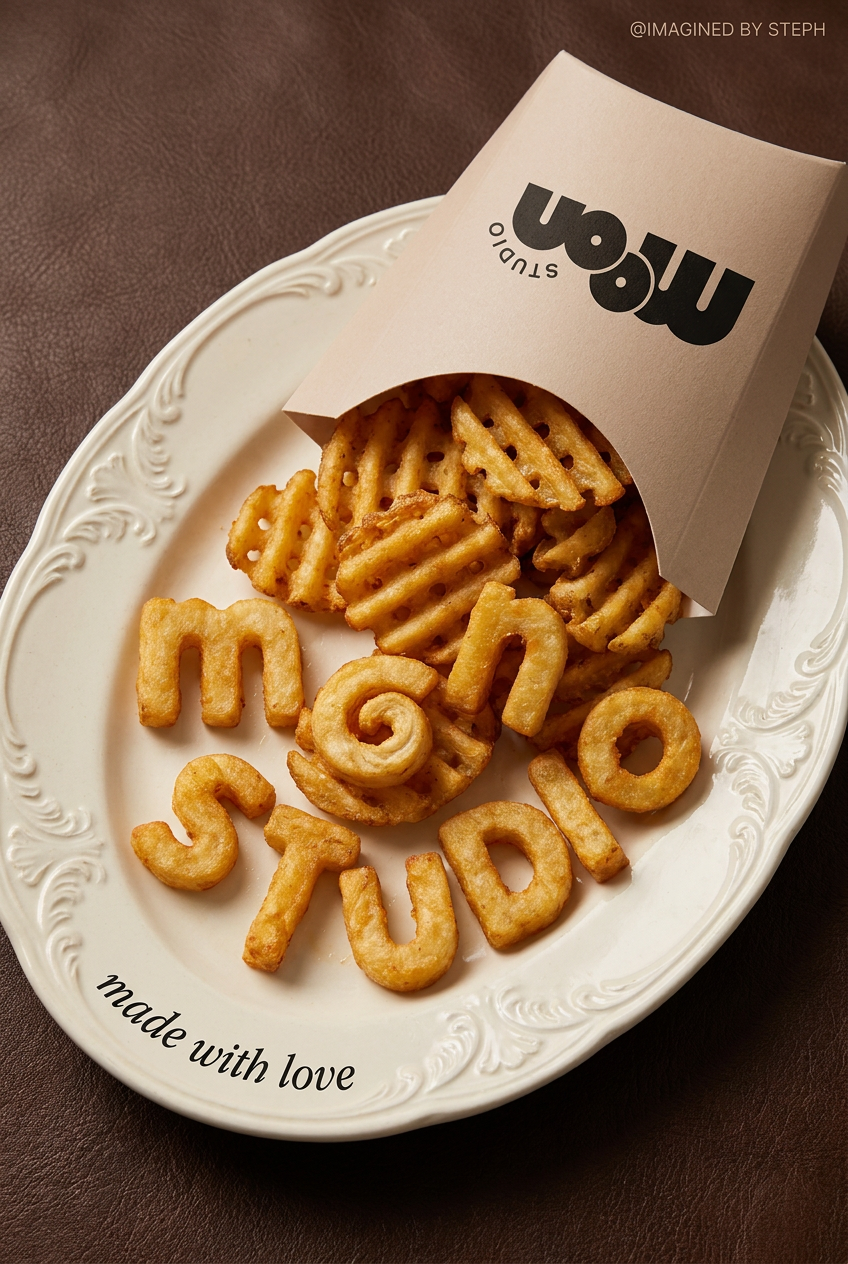
Transform your products into high-fashion editorial ads. This setup uses a dynamic diagonal layout and a slightly tilted overhead angle to give food and packaging incredible depth and texture. It's perfect for giving any brand a chic, premium look.
Regenerate using your own assets.
You control the brand, MyUP controls the production
The explosion of AI video tools has created incredible opportunities, but it has also created a sea of generic, off-brand content. Standing out requires more than just a powerful AI model; it requires a system. By putting your Brandkit at the center and using automated workflows, you shift from being a prompt engineer to a creative director.
You make the strategic decisions—the theme, the message, the call-to-action. You validate the results to ensure they align with your vision. MyUP handles the repetitive, time-consuming production work, ensuring every single video is a perfect reflection of your brand. This is how you escape the content treadmill and start building a recognizable, scalable brand presence on TikTok and beyond.