
If you’ve tested an AI talking head generator recently, you’ve probably felt it. A flicker of amazement at the technology, followed by a sinking feeling that the result looks… exactly like every other AI-generated video out there. You're not wrong. As of mid-2026, social media is buzzing with marketers and creators complaining about the sea of generic, corporate-looking avatars that feel disconnected from their brands.
You searched for the “best” generator, but the truth is, a realistic face is only one piece of the puzzle. The best tool for a business isn't just a face generator; it's a system for putting that face into a branded environment. This is where most standalone tools fall short, and where a workflow-based approach becomes essential.
Why your AI talking head videos look off-brand (and it’s not the avatar’s fault)
The core problem isn't the quality of the AI avatar. Tools like Synthesia and HeyGen produce remarkably realistic digital humans. The problem is that they deliver an ingredient, not a finished meal. You get a high-quality video file of a person speaking against a plain or stock background, completely detached from your brand's visual identity.
A brand is more than a person speaking. It's the specific fonts in your lower-thirds, the exact hex codes in your background, the precise placement of your logo, and the overall aesthetic that your audience recognizes. When you drop a generic avatar into your feed, you're not just creating content; you're diluting your brand identity. The video might convey information, but it fails to build brand equity.
The 3 criteria for a business-ready AI video generator
When evaluating tools for professional use, realism is table stakes. To move beyond novelty and into production, you need to judge them on a more complete set of business criteria. Here’s a better framework:
- Avatar Realism: How lifelike is the avatar? This includes lip-sync accuracy, natural micro-expressions, and believable movement. Recent updates like Veed's 'AI Eye Contact Correction' show the industry is maturing here.
- Voice Quality & Control: How clear and natural is the text-to-speech engine? Can you clone a specific voice for consistency, and does it offer nuanced control over tone and pacing?
- Brand Integration: How deeply can you embed your brand's visual identity into the final video? This is the most critical and often overlooked criterion. It’s not about uploading a logo; it’s about systemic control over fonts, colors, layouts, and backgrounds.
Most reviews stop at the first two points. But for any content that faces customers, the third criterion is what separates a gimmick from a scalable production tool.
A quick comparison: Synthesia vs. HeyGen vs. Veed
Let's briefly evaluate the market leaders against our three criteria. All of these are powerful platforms, but they are designed around the avatar itself, not the brand environment.
- Synthesia: The industry leader in avatar realism and voice cloning. It's an exceptional tool for creating the core 'talking head' component, especially for corporate training and information delivery. However, its branding options are template-based, limiting deep customization of elements like typography and complex graphic overlays.
- HeyGen: A strong competitor known for a wide variety of avatars and a fast, intuitive interface. It excels at quick-turnaround social media videos. Like Synthesia, its strength is in generating the avatar, but wrapping it in a truly custom, non-templated brand environment requires exporting the video and finishing it elsewhere.
- Veed: A video editor first, with AI avatar generation as a feature. This gives it more flexibility with adding text, shapes, and overlays. Yet, it still relies on manual adjustments for each video. It lacks an automated system like a Brandkit to ensure every single video asset adheres perfectly to your brand guidelines without constant tweaking.
The conclusion is clear: these tools are best viewed as specialized 'avatar engines'. To create a truly on-brand video, you need a system that treats the avatar as a component to be integrated into a larger brand framework.
The workflow: From a generic avatar to an on-brand video presenter
The solution isn't to find a single tool that does everything, but to use a workflow that combines best-in-class avatar generation with a powerful brand automation platform. This is what you can build and automate in MyUP.ai.
Instead of trying to force a brand into a video generator's limited templates, you generate the raw talking-head video and bring it into MyUP. Here, the platform automatically wraps it with all your unique brand elements, creating a polished, professional, and consistent final product. The user validates the output; MyUP handles the repetitive production.
Here’s how it works, step-by-step.
Step 1: Create your branded video assets in MyUP
Before you even generate the avatar, you need a stage for it to present on. Your video needs a branded background, and potentially title cards or chapter markers that align with your visual identity. You can create these static assets inside MyUP using its powerful image generation workflows.
For instance, you can use a simple poster template to generate a clean, abstract background that uses your brand's color palette. It doesn't have to be complex; a subtle gradient or a pattern can instantly elevate the video from a generic stock background.
Workflow code: #myup-k4td-9k6z
Minimalist Poster
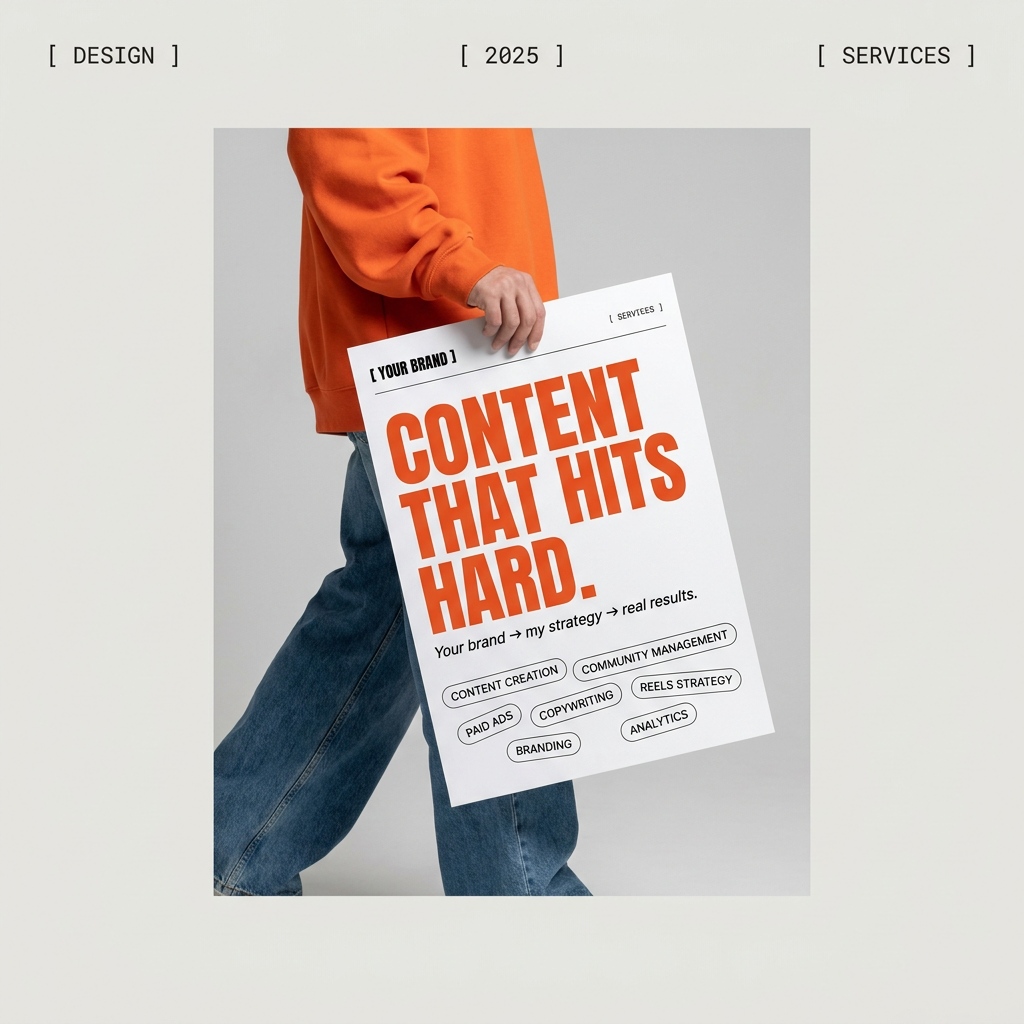
Give your social feed a clean, gallery-like aesthetic. This layout frames your images with structured mono typography and soft, neutral backgrounds for a high-end editorial look. It's perfect for minimal product launches or brand announcements.
Regenerate using your own assets.
Similarly, you can create a title card or a lower-third template. This ensures the typography matches your brand guidelines perfectly, something that's difficult to control in most video tools. By creating these as separate assets first, you gain full creative control.
Workflow code: #myup-eiob-7tbc
Modern Hiring Poster
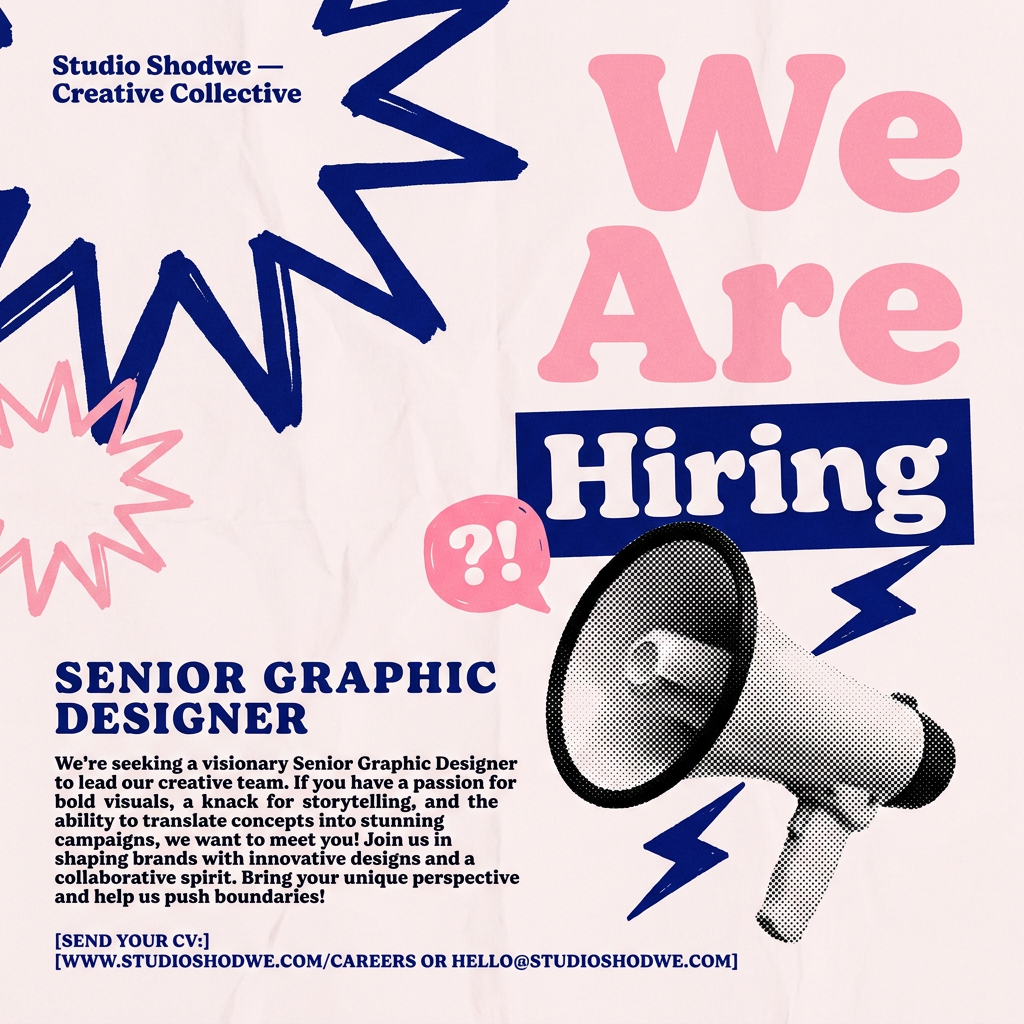
Turn your open roles into stylish social announcements. It sets your hiring details against a soft, textured paper background with clean, editorial typography. Perfect for giving your brand a polished, modern look when you're looking to hire.
Regenerate using your own assets.
Step 2: Assemble and automate with your Brandkit
This is where the magic happens. Once you have your raw avatar video (from a tool like Synthesia) and your branded assets (from Step 1), a MyUP workflow automates the assembly. When you upload the avatar video, MyUP's system layers on your assets based on your pre-built Brandkit.
Your Brandkit stores your logo, brand colors, and fonts. The workflow automatically applies them:
- Your logo is placed in a consistent position (e.g., top-right corner).
- Your custom background is placed behind the avatar.
- Any text overlays, like the presenter's name or a key takeaway, are rendered using your brand's specific font files.
This process transforms the generic avatar into a true brand representative. You can even create a standardized, on-brand call-to-action end card to use across all your videos, ensuring a consistent user journey. Building a complete visual identity with a Brandkit is the foundation for this kind of automation.
Workflow code: #myup-n0bi-2wzk
Bold Editorial Grid Poster
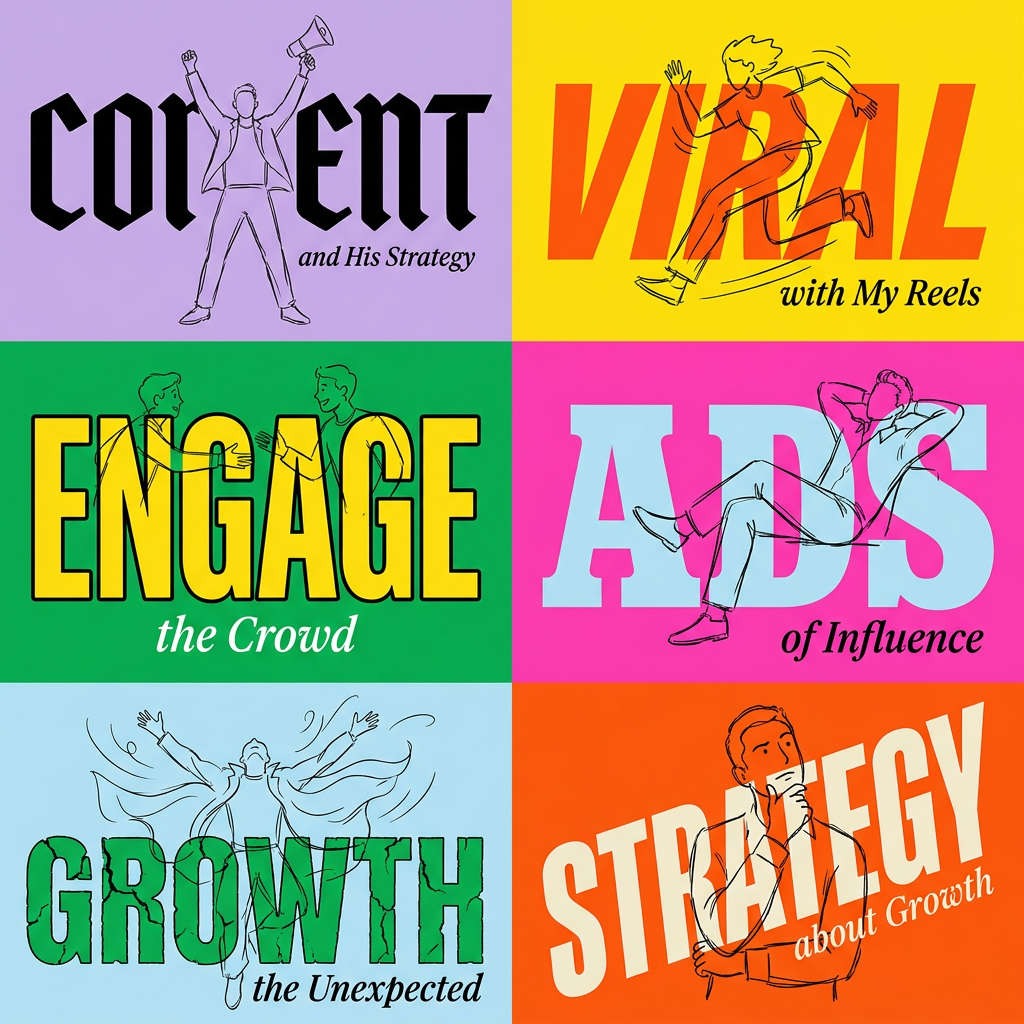
Create striking 2x3 editorial posters with six seamless, flat-color square cards in a perfect 4:5 grid. There are absolutely no gaps between the blocks, giving your content a bold, high-contrast magazine layout. It looks incredibly clean on any social feed.
Regenerate using your own assets.
The result: A video that actually speaks for your brand
Imagine the difference. On one side, you have the raw output from a generator: a person speaking in a digital void. On the other, you have the MyUP workflow output: the same person, now framed by your brand. They're positioned against a custom background, with your logo subtly present, and any on-screen text is in your brand's typeface.
This isn't just a cosmetic change. It's a fundamental shift in perception. The branded video feels authoritative, trustworthy, and integrated. The generic video feels cheap and disconnected. By controlling the environment, you give the avatar context and credibility. You’ve moved from creating a talking head to producing a piece of on-brand video content.
Is a full branding workflow always necessary?
To be fair, no. If you're creating a quick, internal-only training video or a draft for feedback, a free AI talking head generator might be all you need. The recent spike in searches for 'free' options shows many users are just looking for a low-cost way to get started.
But the moment that video is public-facing—used for marketing, sales, social media, or customer support—the calculus changes. For any content that represents your brand in the open market, consistency and professionalism are non-negotiable. The time saved by not having to manually brand each video quickly justifies the cost of a platform built for automation. A workflow isn't an extra step; it's the step that ensures the first step was worth doing.
Ready to move beyond generic avatars? Explore MyUP's plans and pricing to see how a workflow can transform your video production.