Every week, it’s the same drill. You’ve recorded, edited, and scheduled your new podcast episode. The hard part should be over. But now comes the promo grind: resizing cover art, creating quote cards for Instagram, designing a YouTube thumbnail, making a clip for Stories, and maybe even a LinkedIn post. Each asset takes time, and by the end, they often look like distant cousins rather than a cohesive family. You're a podcaster, not a production designer.
Lately, you might have seen a curious trend: creators on social media are generating entire, stunningly consistent visual packages for podcasts that don't even exist. It's a testament to a real, unmet need—the desire for a complete, professional asset system. The good news is that you can have this for your actual show, without the manual labor. This guide lays out the exact MyUP.ai workflow to automate your entire weekly asset drop, turning hours of tedious design work into a single, repeatable task.
Step 1: Build your podcast's visual engine (once)
Before you can automate production, you need to define what “on-brand” means for your show. In MyUP, this is handled by your Brandkit. Think of it as a central vault for your podcast's visual identity. This is a one-time setup that pays dividends every single week.
Instead of manually picking your brand colors or hunting for the right font file every time you create a new asset, you build it once. In your MyUP Brandkit, you’ll upload:
- Your Logo: All variations, like your primary logo, wordmark, and any icons.
- Brand Colors: Define your exact hex codes for your primary, secondary, and accent colors.
- Brand Fonts: Upload your specific font files for headlines and body text to ensure perfect typographic consistency.
- Visual Style: You can even add descriptive keywords or reference images that define your show's aesthetic—e.g., “minimalist and clean,” “bold and retro,” or “dark and moody.”
This isn't just about storage; it's about execution. Once your Brandkit is saved, every workflow and template you use in MyUP will automatically pull from it. Your logo is always placed correctly, your colors are always right, and your fonts are always on-brand. The manual work of ensuring consistency is eliminated before you even begin.
Step 2: The one-click workflow for a full episode asset pack
With your Brandkit in place, you can now build the repeatable workflow that generates your assets. The goal is to create a system where you provide the episode-specific details, and MyUP handles the production across multiple templates.
A MyUP workflow is a series of steps that prompts you for inputs and then uses them to generate content. For a podcast, your weekly inputs are simple and predictable:
- Episode Number
- Episode Title
- Guest Name (if applicable)
- Guest Photo (if applicable)
- A key quote or takeaway
The workflow takes these inputs and injects them into a pre-selected batch of templates. You run the workflow, provide the details for the week's episode, and MyUP generates a complete package: the square episode cover for Spotify, the vertical story for Instagram, the landscape thumbnail for YouTube, and the quote card for X and LinkedIn. The user validates the output, and MyUP handles the rest. This transforms asset creation from a scattered, multi-tool chore into a single, streamlined operation.
Generate on-brand social cards that stop the scroll
Your social media graphics are often the first visual touchpoint for a new episode. They need to be recognizable and compelling. Instead of starting from a blank canvas, your MyUP workflow can populate professionally designed templates that are already locked into your brand identity.
Imagine you need a clean, modern announcement graphic for your latest episode. The workflow can take your episode title and guest photo and place them into a layout that prioritizes readability and visual impact. You don't have to resize anything or check color codes; your Brandkit ensures it's already perfect. The AI generates the composition, and you give the final approval.
For a sharp, editorial feel that works well on platforms like Instagram and LinkedIn, you can use a template like this one. It combines typography and imagery in a structured grid, making your content look polished and authoritative.
Workflow code: #myup-n0bi-2wzk
Bold Editorial Grid Poster
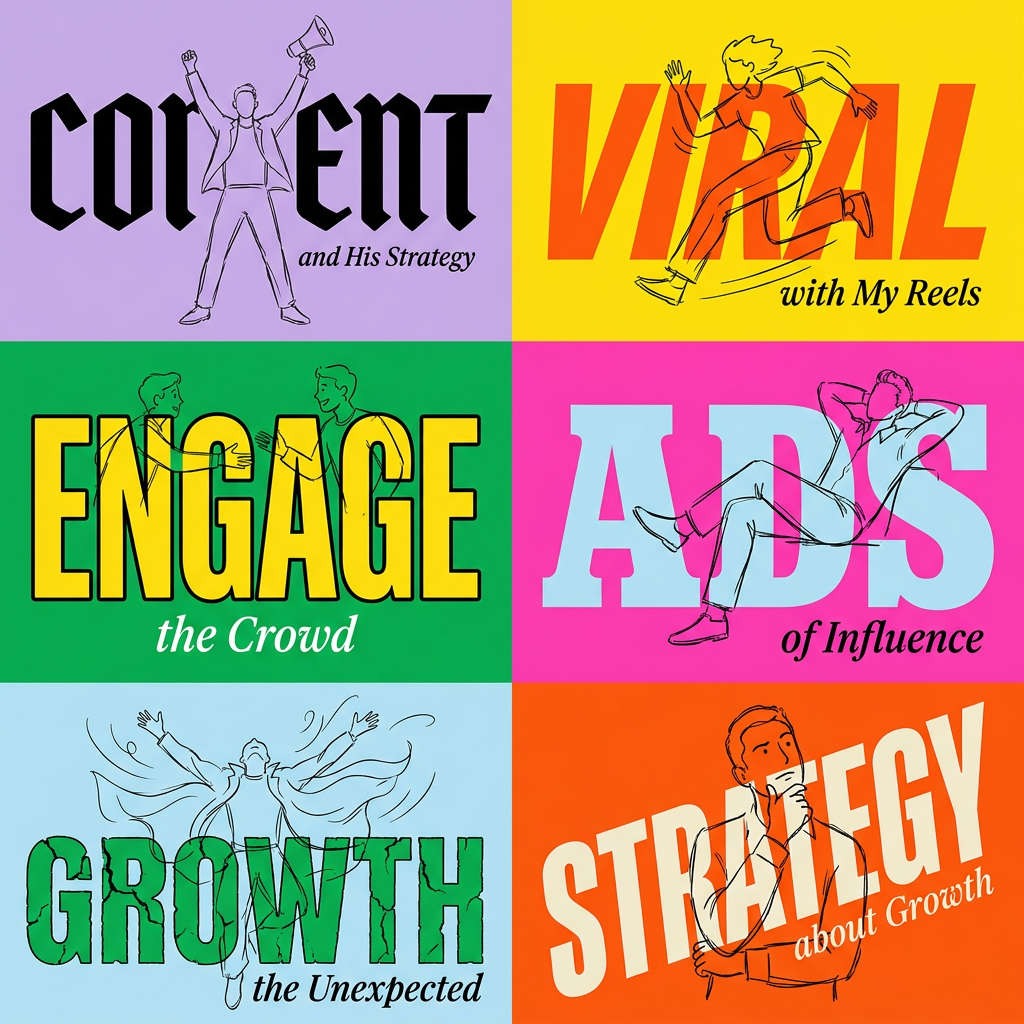
Create striking 2x3 editorial posters with six seamless, flat-color square cards in a perfect 4:5 grid. There are absolutely no gaps between the blocks, giving your content a bold, high-contrast magazine layout. It looks incredibly clean on any social feed.
Regenerate using your own assets.
Create unique episode art for any platform
Consistency doesn’t mean boring. Your Brandkit acts as a creative constraint, ensuring every asset feels like it belongs to your show, but you can still explore different styles within that framework. A single workflow can generate assets with wildly different aesthetics, allowing you to tailor your visuals to the episode's topic or a specific platform's culture.
Let’s say your podcast has a more indie, creative vibe. For a special episode, you might want a promotional poster that feels less corporate and more like a zine or an event flyer. Your workflow can use the very same inputs—episode title, guest name—and apply them to a completely different template. The colors and fonts are still yours, but the layout and stylistic elements are new. This is how you maintain a cohesive brand while keeping your visuals fresh and engaging. For more on creating a variety of on-brand visuals, see how you can generate diverse product scenes with a workflow.
To create a poster with a retro, cut-and-paste zine style, this workflow is the perfect starting point.
Workflow code: #myup-msop-hlxf
Retro Zine Style Event Poster
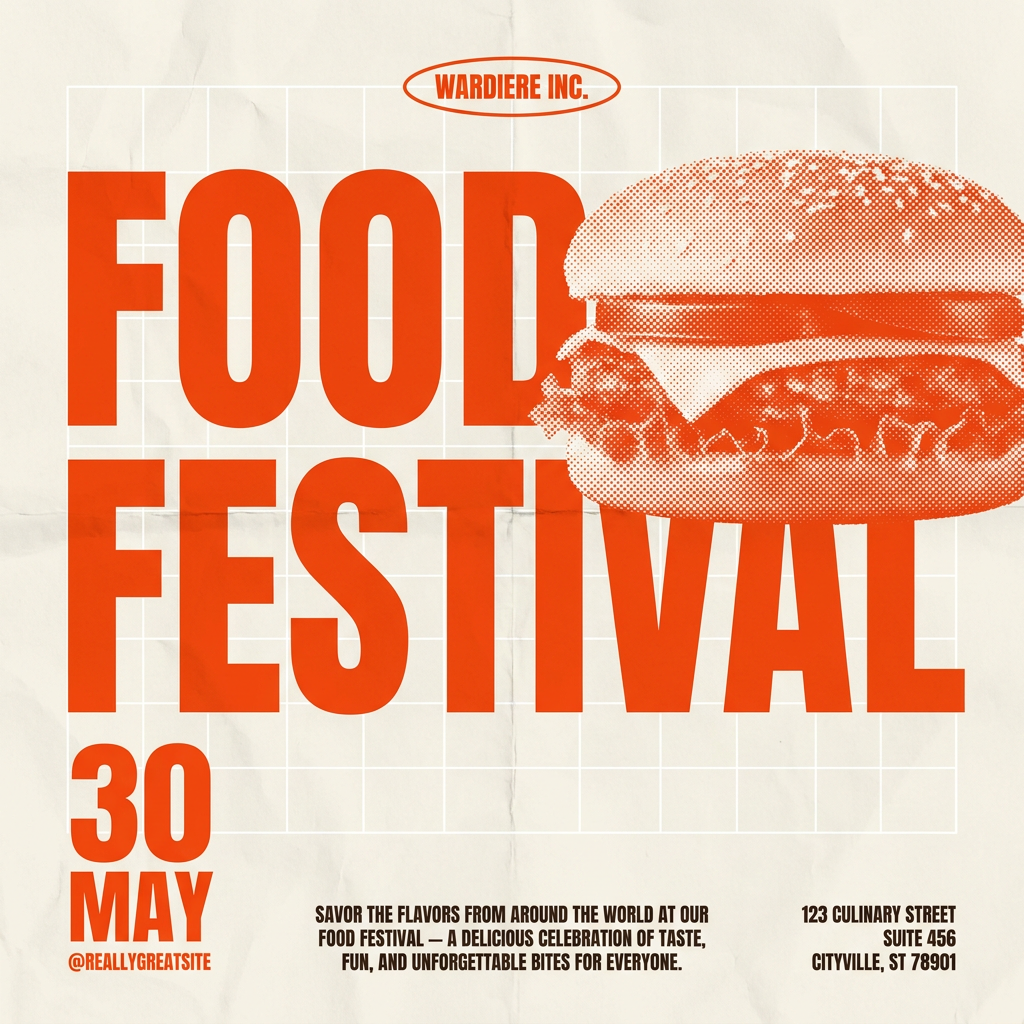
Give your social posts a gritty, analog zine aesthetic. It layers a crumpled paper texture and a subtle grid over a warm cream background to make any event graphic look like a tactile, photocopied flyer. Perfect for DIY gigs and bold promos.
Regenerate using your own assets.
Produce vertical video and story assets automatically
Static images are great, but video and animated assets are essential for platforms like Instagram Stories, TikTok, and Reels. The biggest time sink for podcasters is often creating audiograms or animated quote clips. This process typically involves exporting audio, importing it into a video editor, adding a static background, and painstakingly animating captions.
An automated MyUP workflow makes this obsolete. The workflow can take a short audio clip from your episode and automatically generate an audiogram. It uses your Brandkit to create a background with your logo and brand colors, adds an animated waveform, and transcribes the audio into dynamic, on-screen captions. You can even generate simple, elegant vertical posters for Stories that announce the new episode. This is a crucial step that many creators skip because of the time commitment, but with a workflow, it’s just another asset in your automatically generated pack. If you want to dive deeper into on-brand audio visuals, we have a dedicated guide to creating better AI audiograms.
For a clean, minimalist vertical poster perfect for Instagram Stories, use this template in your workflow.
Workflow code: #myup-sygb-rhnt
Minimalist Vertical Product Advertising Poster
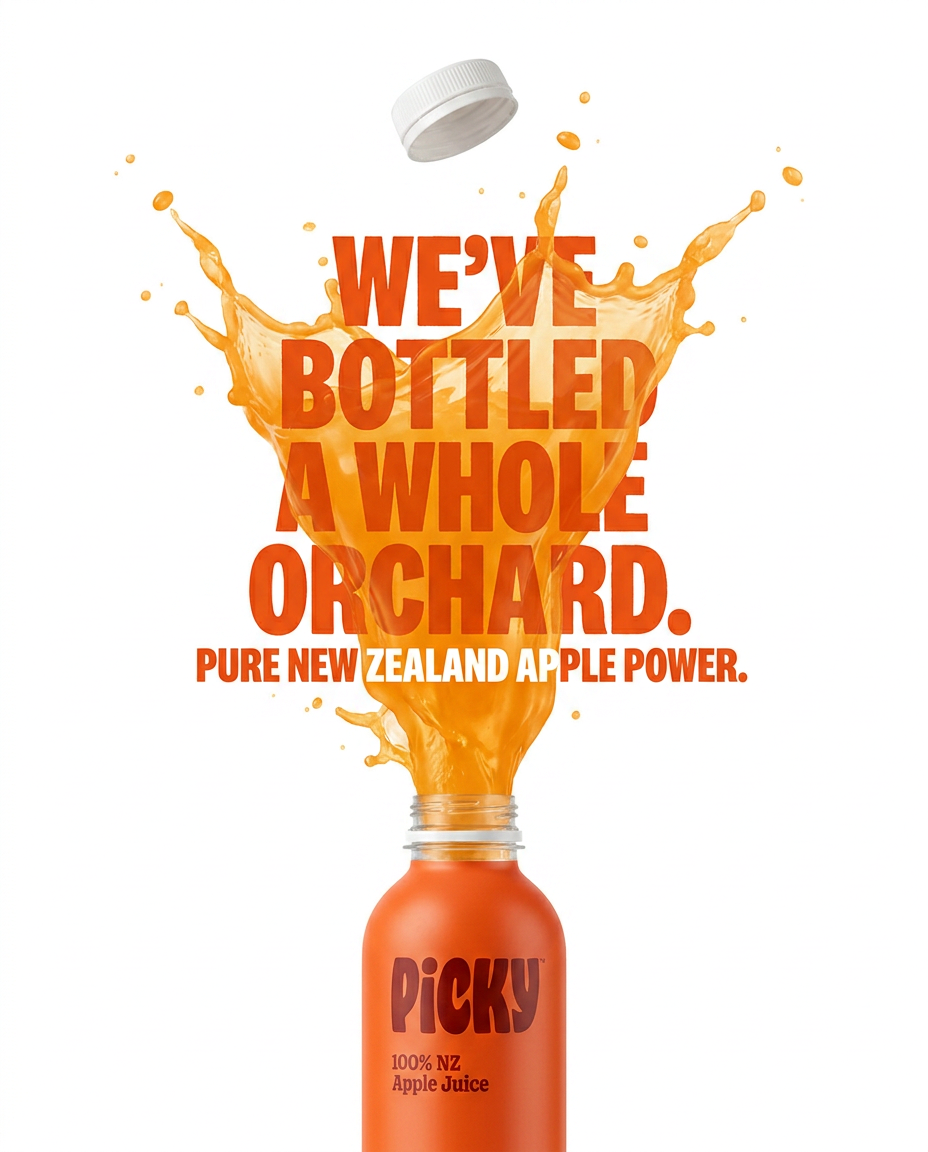
Drop the clutter and put your product in the spotlight. This setup places your item against a pure, seamless white background with a striking vertical flow that draws the eye straight up. It's perfect for creating clean, high-end studio posters.
Regenerate using your own assets.
From weekly chore to instant asset delivery
The old way of promoting your podcast was a frantic, last-minute scramble across multiple apps, resulting in inconsistent visuals that cost you hours. The new way is a single, repeatable workflow in MyUP. You set up your Brandkit once. Then, every week, you spend two minutes entering your episode details and receive a complete, on-brand promotional package ready for every platform.
This isn't just about saving time; it's about building a stronger, more professional brand. When listeners see your content, they should instantly recognize it. That consistency builds trust and authority. Stop being a part-time designer and get back to what you do best: creating a great show. Build your podcast asset workflow on MyUP.ai and put your marketing on autopilot.