The ability to control AI image layouts with features like Adobe Firefly's 'Structure Reference', released in June 2026, is a significant step forward. It gives creators a new level of compositional control over a single image. But for marketers and brand builders, that solves only one-tenth of the real problem.
The real challenge isn't generating one perfect image. It's creating ten slides that look like they belong together. This is the difference between a random assortment of AI-generated visuals and a professional, high-engagement thought leadership carousel on LinkedIn.
The real challenge isn't one AI image, it's 10 consistent slides
A great LinkedIn carousel is a cohesive story. Each slide builds on the last, guided by a consistent visual identity. This means the same fonts, the same color palette, the same logo placement, and a consistent photographic or illustrative style from the cover slide to the final call-to-action.
Single-image generation tools, even with advanced layout control, can't manage this. They operate in a vacuum, unaware of the nine other slides you need to create. The result is a time-consuming struggle to manually enforce brand consistency, defeating the purpose of using AI for speed and scale.
Why the 'ChatGPT to Canva' hack falls short for professional brands
You’ve probably seen the popular workaround on social media. It goes something like this:
- Step 1: Feed your blog post to ChatGPT and ask for 10 key points.
- Step 2: Take each point and generate an image for it in Midjourney or another image tool.
- Step 3: Import everything into Canva and manually arrange each slide, fighting with templates to apply your brand colors and fonts.
This multi-tool, copy-paste process is frustratingly inefficient. The visuals are often stylistically mismatched, the typography is a struggle to keep consistent, and the final output rarely feels like it came from a professional brand. It's a collection of slides, not a cohesive brand asset. The time you save on writing is lost ten times over in manual design and correction.
The 4-step workflow for automated, on-brand carousels
Instead of stitching tools together, a true AI workflow integrates the entire process from raw content to finished asset. It understands your brand not as a one-time instruction, but as a permanent set of rules to be applied automatically. You provide the strategic input; the workflow handles the repetitive production.
The entire process breaks down into four logical steps:
- Ingest: Give the AI your source content (a URL or text).
- Structure: The AI proposes a slide-by-slide outline, which you review and approve.
- Generate: The workflow creates unique, on-brand visuals for each slide using your Brandkit.
- Assemble: All elements are combined into a finished, multi-slide carousel, ready to export.
Step 1: Turn your source content into a slide-by-slide outline
Every great carousel starts with a strong narrative. But you don't need to manually slice your content into bullet points. A proper workflow begins by ingesting your source material directly. Just provide the URL of a blog post, a whitepaper, or even the transcript from a webinar.
MyUP’s AI reads and understands the content, then proposes a logical narrative flow broken down into individual slides. Your job is to act as the editor—validating the key points, refining the language, and ensuring the core message is sharp. You have full control over the story; the AI does the heavy lifting of structuring it. This is the first, crucial step in any effective content atomization workflow.
Step 2: Design a consistent visual system with your Brandkit
This is where the manual process breaks down and an automated workflow excels. Once your content is structured, MyUP automatically applies your Brandkit. Your logo, brand colors, and approved fonts are built-in, ensuring every slide is instantly recognizable and on-brand without any manual adjustments.
The first slide is the most important for stopping the scroll. You need a high-impact cover that clearly communicates the value of your carousel. A bold, editorial layout is perfect for establishing authority and grabbing attention right away.
Workflow code: #myup-n0bi-2wzk
Bold Editorial Grid Poster
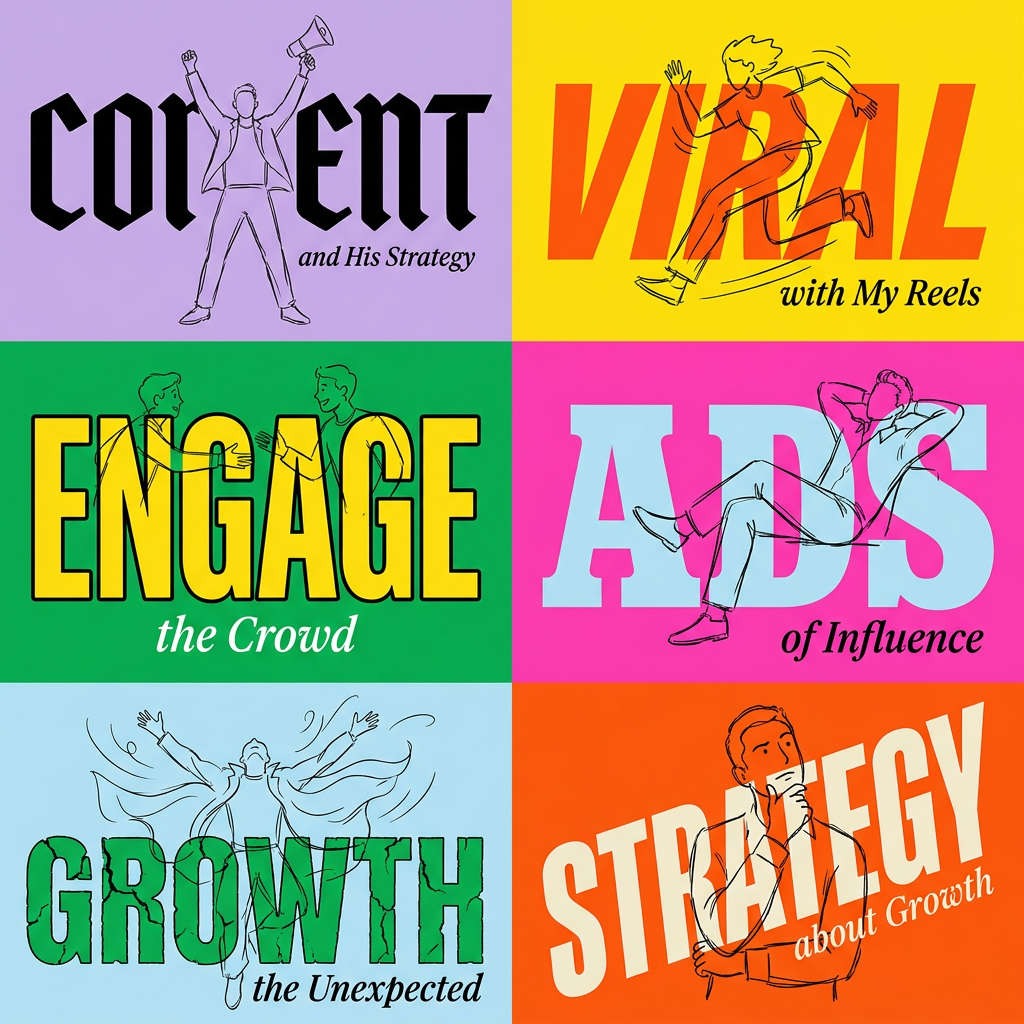
Create striking 2x3 editorial posters with six seamless, flat-color square cards in a perfect 4:5 grid. There are absolutely no gaps between the blocks, giving your content a bold, high-contrast magazine layout. It looks incredibly clean on any social feed.
Regenerate using your own assets.
Step 3: Generate unique, on-brand visuals for each key point
With the brand identity locked in, the workflow now creates a unique visual for each of your key points. This is the critical step that solves the inconsistency of the 'ChatGPT to Canva' hack. The AI generates distinct images or graphics for slides 2 through 9, but it does so within the stylistic constraints defined by your Brandkit.
Whether your brand's style is photorealistic, illustrative, or abstract, the visuals will feel like part of a unified set. For the body slides of a thought leadership carousel, a clean, minimalist design keeps the focus on the information while maintaining a professional aesthetic.
Workflow code: #myup-k4td-9k6z
Minimalist Poster
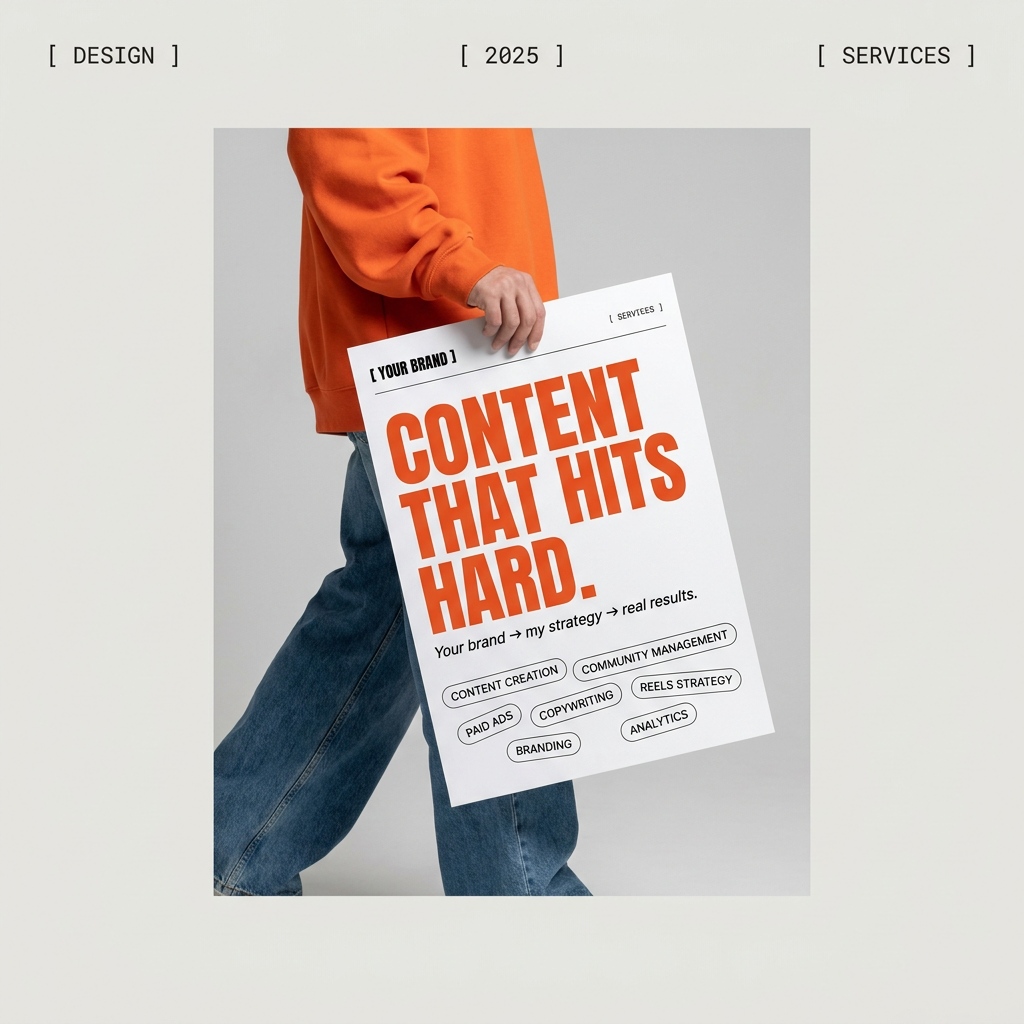
Give your social feed a clean, gallery-like aesthetic. This layout frames your images with structured mono typography and soft, neutral backgrounds for a high-end editorial look. It's perfect for minimal product launches or brand announcements.
Regenerate using your own assets.
Step 4: Create a compelling call-to-action slide
The final slide of your carousel has one job: to drive action. It needs to tell the reader exactly what to do next, whether that's to download a report, book a demo, or visit your website. You don't need a completely different design for this; a flexible workflow allows you to adapt an existing layout for a new purpose.
For example, a template designed for a hiring poster can be instantly repurposed for a strong CTA. The layout is already optimized for a clear headline and a single, focused message, making it perfect for your final slide.
Workflow code: #myup-eiob-7tbc
Modern Hiring Poster
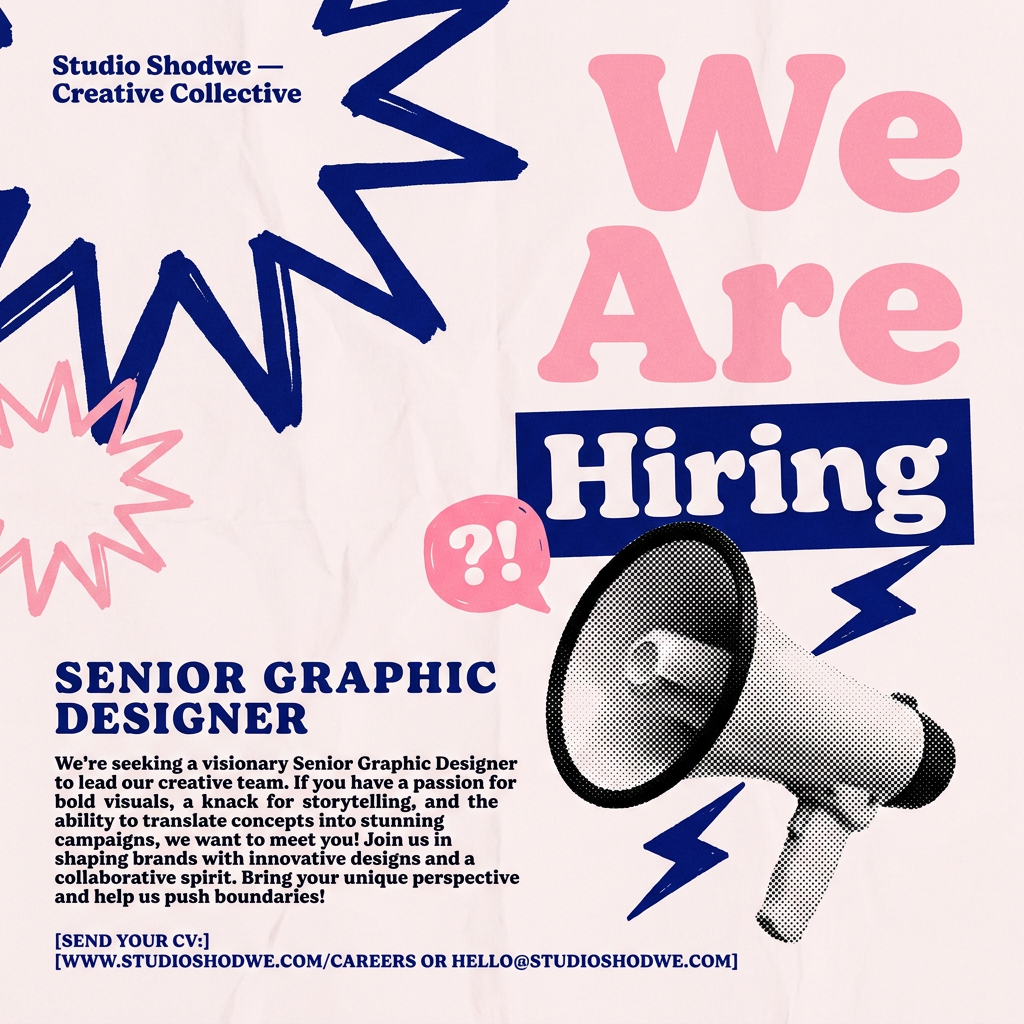
Turn your open roles into stylish social announcements. It sets your hiring details against a soft, textured paper background with clean, editorial typography. Perfect for giving your brand a polished, modern look when you're looking to hire.
Regenerate using your own assets.
From a 2-hour task to a 5-minute workflow
What was once a two-hour, multi-tab headache of copy-pasting, inconsistent generating, and manual brand-policing becomes a five-minute, single-platform workflow. By connecting your raw content directly to your brand identity, you move from simply generating slides to producing finished, campaign-ready assets at scale.
This is the core principle of AI-powered content creation: the human provides the strategy and validates the output, while the machine executes the repetitive production work. You approve the key points and the final look; MyUP handles the rest. Once you have a system for carousels, you can apply the same logic to creating other assets, like professional, on-brand AI GIFs, from the same source content.