
If your feed on X.com or LinkedIn looks anything like ours, you've seen the term 'Content Atomization' everywhere this week. As of June 25, 2026, it's the strategy every content marketer is talking about: taking one piece of pillar content and breaking it down into a dozen different assets to maximize its reach.
The idea is smart. The execution, however, is where it falls apart for most teams. You spend a week writing a brilliant blog post, hit publish, share the link... and then face the soul-crushing task of manually creating ten different social media graphics. The result is asset fatigue and a promotion strategy that never lives up to the quality of the original content.
Existing AI repurposing tools don't solve the real problem; they pull quotes and generate tweets. They don't generate the visuals. This is the workflow that does. It uses an AI agent to read your blog post, extract the core messages, and automatically generate a complete, on-brand visual campaign. Here's the workflow to turn your article's key takeaways into a series of shareable posts.
Workflow code: #myup-kbgo-tlle
Product Brand Post
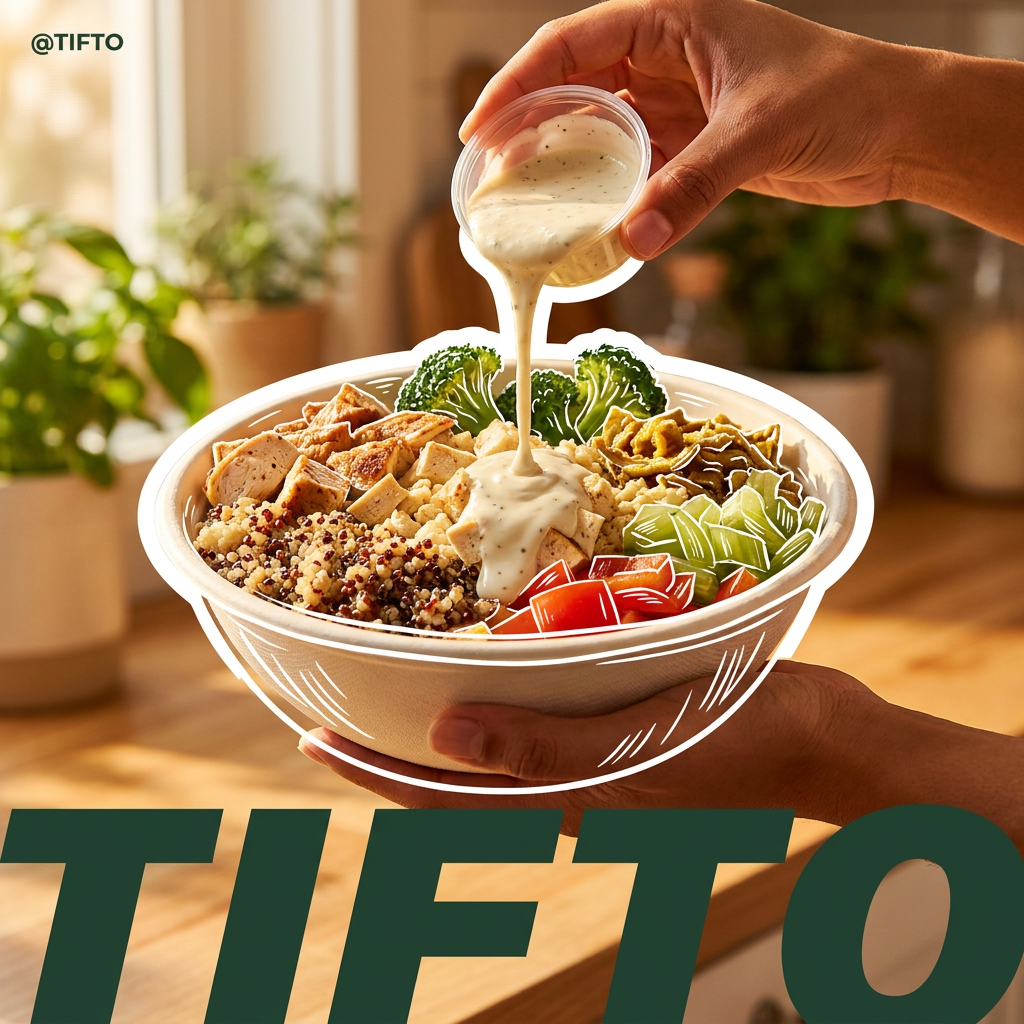
Drop in your product to generate a cohesive nine-post Instagram grid. It blends warm lifestyle photography and flat-lay packaging with bold hand-drawn doodles, collages, and urban billboard mockups. Everything automatically styles itself to your brand's colors.
Regenerate using your own assets.
Step 1: give your AI agent the blog post URL
The entire process begins with a single piece of information you already have: the URL of your published blog post, whitepaper, or report. There's no need to copy-paste text, write summaries, or manually feed prompts into a generator. You provide the source of truth, and the MyUP agent takes over the production work from there. This initial step is intentionally simple because the goal is to eliminate manual setup and get straight to the high-value work of creating the campaign assets.
Step 2: the agent reads, understands, and extracts key messages
This is where the 'intelligence' of the workflow comes into play. The MyUP agent doesn't just scan for keywords. It reads the article to understand its structure, arguments, and key takeaways. It identifies the most compelling elements to build a visual campaign around:
- Potent Quotes: It finds the sentences that are concise, impactful, and perfect for a quote card.
- Key Statistics: It isolates data points, percentages, and figures that can be turned into compelling data visualizations.
- Core Concepts: It deconstructs the main arguments into bite-sized summaries suitable for a carousel or a short video script.
This isn't simple text extraction. It's conceptual analysis designed to find the building blocks of a great social media campaign, saving you the hours you'd normally spend re-reading and cherry-picking highlights yourself.
Step 3: generate a multi-format visual campaign in one click
Once the agent has extracted the core messages, it executes the most powerful step: generating a diverse set of visual assets in parallel. The extracted quotes, stats, and concepts are automatically funneled into different visual templates from your brand's library. Instead of one-off image generation, you get a full campaign gallery.
A single quote might be used to generate a simple, elegant text-based graphic for LinkedIn and a more visually rich, illustrated card for Instagram. A key statistic could become a bold, numerical callout for X.com and a slide in a data-driven carousel. This multi-modal approach ensures your message is adapted to the context of each platform, moving far beyond just sharing the same link everywhere. This is also where you can get more creative, turning a core concept into a full AI-generated storyboard for a short video ad.
Step 4: how the Brandkit keeps every asset perfectly consistent
This is the critical piece that makes automated repurposing viable for professional brands. Generating ten assets is useless if they don't look like they came from the same company. MyUP's Brandkit is the central nervous system for your visual identity. You build it once—uploading your logo, defining your color palette, and setting your brand fonts—and it's automatically applied to every single asset the agent generates.
Every quote card uses your brand's typography. Every data visualization uses your approved color palette. Your logo is placed consistently on every image and video clip. This is a fundamentally different approach from what's emerging elsewhere. While tools like Adobe Firefly recently introduced 'Style Kits' to help replicate an aesthetic, a Brandkit is more deeply integrated. It's not just a style reference; it's a set of enforceable rules that are part of the production workflow itself, ensuring true brand integrity at scale.
Step 5: your role—approve and deploy
Automation handles the production, but you retain strategic control. The final step in the workflow is yours. MyUP presents you with a gallery of the generated campaign assets. Here, your job shifts from tedious designer to strategic editor. You can review all the visuals, approve the ones you like, discard any that miss the mark, or make minor text adjustments. The system does the heavy lifting of creation; you provide the final human validation. This 'execute, then validate' model frees up your team to focus on campaign strategy and performance, not on endless hours in a design tool. It's the core principle behind building a truly effective AI social media agent that works for you, not the other way around.
From pillar to posts: what your new campaign includes
After running this workflow, you haven't just saved a day's worth of work. You've created a comprehensive distribution package for your pillar content. A typical campaign generated from a single blog post URL might include:
- 4x Quote Cards: Formatted for Instagram and LinkedIn, featuring different key takeaways.
- 2x Statistic Graphics: Bold, visual callouts of the most important data from your article.
- 1x LinkedIn Carousel: A multi-slide post that breaks down the core argument of your article.
- 2x Short Video Clips: 'Living photos' or simple animated text videos for Reels and Shorts.
- 1x Audiogram Snippet: If your post includes an audio version, a shareable clip for social.
You've turned one asset into ten, maximizing its ROI and ensuring the insights you worked so hard to develop actually reach your audience on every platform they use. This same principle of breaking down a large task into automated steps can be applied to more complex projects, like automating an entire week of LinkedIn content from a few core ideas.