On July 12, 2026, Stability AI announced Style-Tune for SD3, a feature designed to capture and reuse a specific visual style from a few example images. For any creator who has spent hours wrestling with prompts to maintain a consistent look, this felt like a huge step forward. And it is—it validates a universal pain point. The industry is finally acknowledging that 'prompting harder' isn't a sustainable workflow.
But after the initial excitement, the core problem remains: a style filter isn't a style system. Style-Tune can learn the visual texture of your reference images, but what about the specific typography that defines the aesthetic? The compositional rules? The exact hex codes of the color palette? An AI-generated image that gets the grain and lighting right but is paired with the wrong font inside a generic layout is still an off-brand asset. To do professional work at scale, you need more than a visual reference; you need a complete, enforceable brand identity. This is where you move from chasing a style to building it as a reusable asset. We call it an AestheticKit.
A true aesthetic is a system, not a prompt
Think about any distinct visual style—say, 'Retro Zine'. It's more than a look; it's a set of rules. A single prompt can't reliably enforce a complex system like this. A true aesthetic is built from interlocking components:
- Color Palette: It’s not just 'retro colors'. It’s a specific, limited palette of muted, CMYK-like tones, an off-white paper color, a faded black, and maybe one vibrant, flat accent color.
- Typography: It’s never one font. It's a pairing—a chunky, distressed sans-serif for headlines (like 'Futura Condensed Extra Bold') and a classic typewriter font (like 'Courier') for body copy. The wrong font instantly breaks the illusion.
- Texture & Composition: The style is defined by halftone dots, visible paper grain, rough cut-and-paste collage layouts, and intentionally misaligned elements. These are compositional choices, not just visual effects.
You can try to cram all of this into a 200-word prompt, and you might get close once. But the next generation will interpret it differently. It's an inefficient, fragile process that leaves too much to chance. The professional workflow isn't about writing a better prompt; it's about building a better system. You define these rules once, save them, and apply them with a single click. This ensures every single asset—from a social post to a poster to a video thumbnail—is perfectly on-brand.
The workflow: How to build a reusable AestheticKit in MyUP
Inside MyUP.ai, this system is called a Brandkit. For any specific artistic style or project identity, you can think of it as your personal 'AestheticKit'. Building one is a one-time setup that pays off in speed and consistency forever.
Here’s the step-by-step process:
- Create a New Kit: From your MyUP dashboard, navigate to Brandkits and start a new one. Give it a clear name that describes the style, like 'Retro Zine Aesthetic' or 'Solarpunk Project'.
- Define Your Colors: This is the foundation. Don't just eyeball it. Use a color picker tool to grab the exact hex codes from your reference images and add them to the palette. This ensures your AI generations and template text elements use the precise colors that define your style.
- Upload Your Fonts: This is the step that tools like Style-Tune miss, and it's critical. A true aesthetic relies on specific typography. Upload the .otf or .ttf files for your primary headline font, secondary font, and body copy font. MyUP will automatically apply these to any template you use.
- Add Visual References: Here's where you teach the AI the visual DNA of your style. Upload 5-10 images that perfectly capture the aesthetic. Focus on images that showcase the lighting, texture, subject matter, and compositional motifs you want to replicate. The AI uses these as its core inspiration for every image it generates for this kit. This is similar to creating a style guide for a human designer, but for an AI. For a deeper look at building out a complete visual world, see our guide on how to create a game art style guide with AI.
- Save Your Kit: With your colors, fonts, and visual DNA uploaded, save the kit. That’s it. Your aesthetic is now a codified, reusable, one-click asset, ready to be deployed across any project.
Example 1: Generating a 'Retro Zine' event poster
Now, let's put the kit to work. The real power of this system isn't just generating a single image; it's producing a complete, composed asset. We're not starting with a blank canvas and a prompt. We're starting with a structured template that already has placeholders for images, headlines, and body text.
In MyUP, you select a poster template. In the editor, you'll see your available Brandkits. Simply click on your newly created 'Retro Zine Aesthetic' kit.
Instantly, the template transforms. The placeholder colors snap to your defined palette. The text styles update to your uploaded fonts. When you prompt the AI to generate an image for the poster, it uses your visual references to create a perfectly on-style image that is already placed within the correct layout. The user—you—simply validates the output and adjusts the copy. MyUP handles the production, ensuring every element adheres to the system you built.
To try this workflow yourself, you can use a template designed for this exact purpose. Just load it up and apply your own AestheticKit.
Workflow code: #myup-msop-hlxf
Retro Zine Style Event Poster
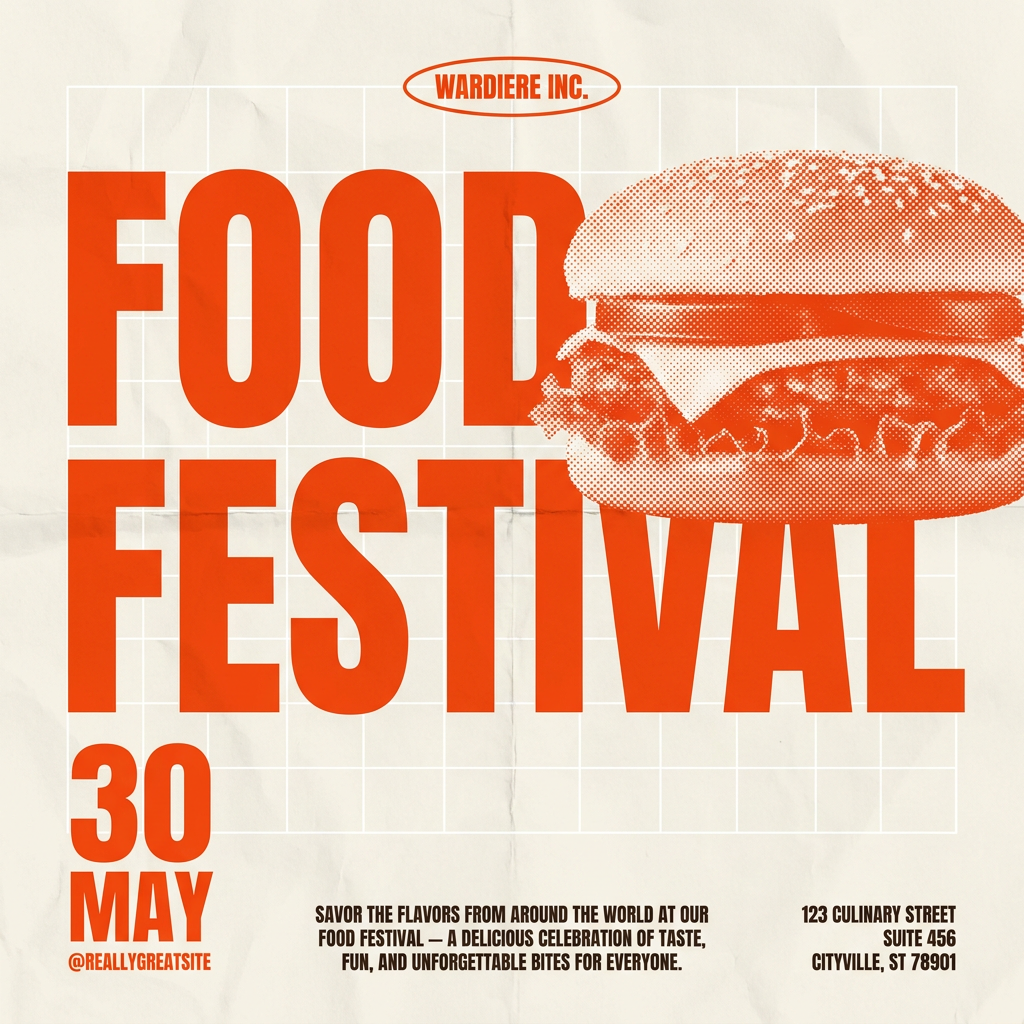
Give your social posts a gritty, analog zine aesthetic. It layers a crumpled paper texture and a subtle grid over a warm cream background to make any event graphic look like a tactile, photocopied flyer. Perfect for DIY gigs and bold promos.
Regenerate using your own assets.
Example 2: Testing the kit's versatility with different styles and layouts
An AestheticKit isn't a rigid filter; it's a flexible system. You can create multiple kits for different brands, projects, or campaigns. Let's say you also need assets in a 'Bold Retro' style, defined by vibrant yellows, clean lines, and heavy sans-serif type. You would simply create a second AestheticKit with that style's unique fonts, colors, and visual references.
Now, you can apply this new kit to a different template and get a completely different but equally consistent result. This workflow separates the style from the structure, giving you total creative control.
Here is a template for a bold, type-driven event poster. Apply your 'Bold Retro' kit to see it instantly adapt.
Workflow code: #myup-xbur-hzoi
Bold Retro Yellow Event Poster
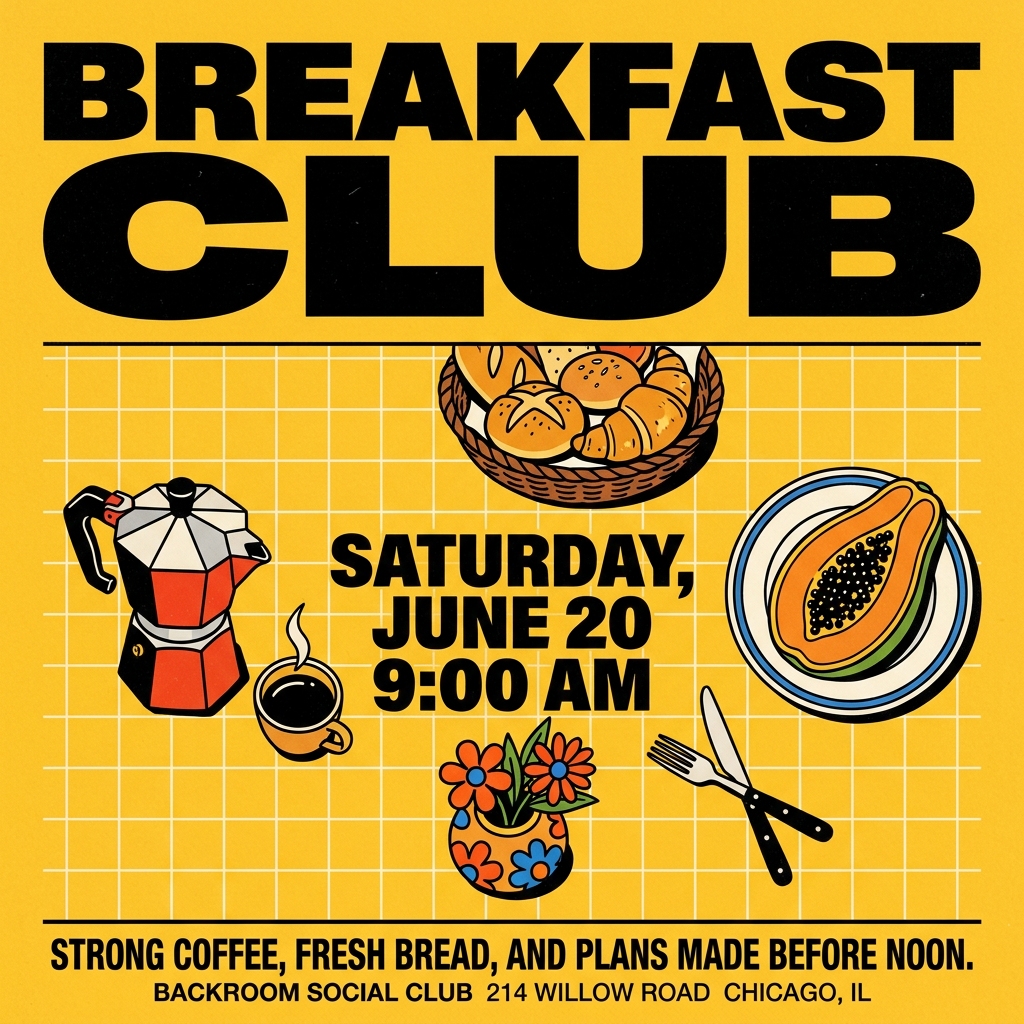
Turn your branding or event details into bold, nostalgic posters. It blends vibrant warm backdrops with a clean, retro square grid pattern to make any announcement look like a classic piece of mid-century graphic design.
Regenerate using your own assets.
The system also works perfectly for more complex, grid-based layouts common in editorial design. The AestheticKit ensures that even within a strict compositional structure, the colors, fonts, and generated imagery remain perfectly aligned with your style.
Workflow code: #myup-n0bi-2wzk
Bold Editorial Grid Poster
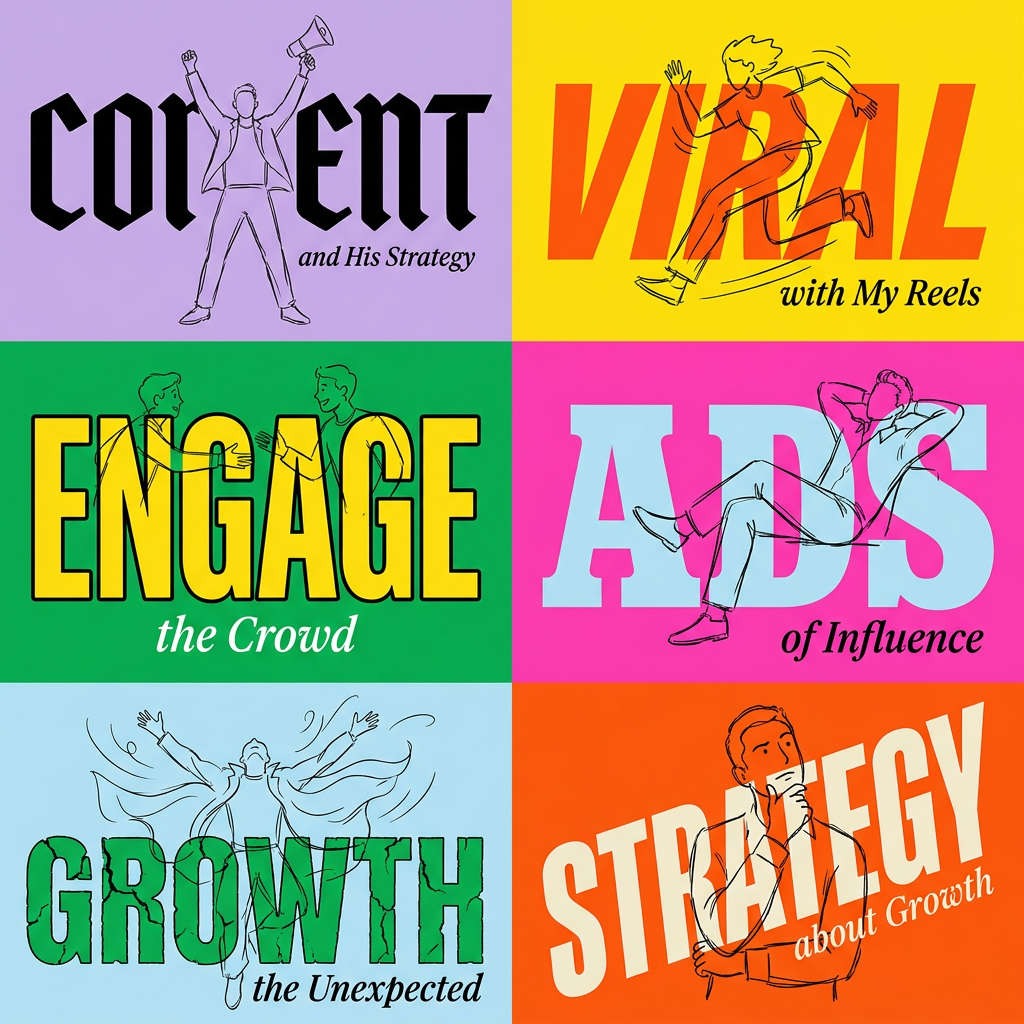
Create striking 2x3 editorial posters with six seamless, flat-color square cards in a perfect 4:5 grid. There are absolutely no gaps between the blocks, giving your content a bold, high-contrast magazine layout. It looks incredibly clean on any social feed.
Regenerate using your own assets.
Stop prompting, start building
The release of features like Stability's Style-Tune and Adobe's Structure Reference proves the industry is waking up to a critical need: creative control and consistency. But patching the problem with visual-only filters is a temporary fix for a systemic problem.
A true aesthetic is an integrated system of visuals, typography, color, and layout. Chasing that system with increasingly complex prompts is a frustrating, dead-end game. The future of professional AI creation lies in building your styles as reusable, intelligent assets.
By building your styles as AestheticKits in MyUP, you stop wrestling with the AI and start directing it. You codify your creative vision once, then deploy it effortlessly across hundreds of assets, confident that every single one is perfectly, systematically on-brand.