
If you've searched for an 'AI pitch deck generator' recently—and Google Trends shows a massive spike in searches for that exact term in July 2026—you’ve likely felt a familiar wave of disappointment. You enter a prompt, and what you get back is a set of generic slides with stock-style images and clashing layouts. It’s a collection of parts, not a persuasive story.
These tools promise to build a presentation but only offer a slightly faster way to fill in a template. They don't understand your brand, can't create a consistent visual language, and certainly can't build a narrative that flows from slide one to the final ask. For founders and marketers who need to create a compelling case, this isn't just a quality issue; it's a missed opportunity.
The solution isn't a better template filler. It's a completely different approach: an end-to-end workflow that treats your pitch deck as a single, cohesive project. This guide walks you through that exact process on MyUP.ai, from a one-line idea to a fully realized, on-brand presentation ready to win over your audience.
Why every AI presentation maker feels like a disappointment
The core problem with most AI presentation tools, whether it's Gamma or Canva's AI features, is that they operate in silos. The text generator creates an outline. Separately, an image generator creates a visual. Then, a templating engine forces both into a pre-designed box. The result is a deck where the 'Problem' slide has a blue, corporate-style illustration and the 'Solution' slide features a warm, photographic lifestyle image. The visual story is broken before it even begins.
A persuasive pitch deck relies on narrative and visual consistency. Every slide should feel like it belongs to the same story, reinforcing the same core brand identity. When an investor or client clicks through your deck, they should be immersed in your world, not distracted by a random assortment of AI-generated assets. This is where the fundamental difference between a 'tool' and a 'workflow' becomes critical.
The workflow difference: from slides to a cohesive story
Instead of generating individual, disconnected assets, a workflow approaches the presentation as a unified system. It starts with a central brand identity, generates a narrative structure based on your prompt, and then creates a unique visual language that is applied consistently across every single slide. Nothing is random. Everything is connected.
In MyUP, this isn't an abstract concept; it's the entire foundation of the platform. You don't just make slides—you build a repeatable system for creating them. The workflow understands that the image for slide 3 needs to be in the same universe as the image for slide 8. This ensures your big idea is supported by a professional, coherent, and memorable presentation, not undermined by generic, mismatched visuals. It's the only way to achieve truly on-brand slides with AI.
Step 1: Generate your narrative outline from a single prompt
Every great presentation starts with a strong story. Before you even think about visuals, you need a logical narrative flow. A typical workflow in MyUP begins not with image generation, but with structuring the story.
You can start with a simple prompt that defines your goal, for example: 'Generate a 10-slide pitch deck outline for 'Solas', a direct-to-consumer subscription box for sustainable, single-origin coffee.'
MyUP's AI will then generate a structured, persuasive outline, breaking your story down into essential components like:
- Slide 1: Title: Solas - The Future of Ethical Coffee
- Slide 2: The Problem: The coffee industry's transparency problem.
- Slide 3: The Solution: A curated, direct-from-farm coffee experience.
- Slide 4: Market Size: The growing demand for sustainable luxury goods.
- Slide 5: Our Product: How the subscription works.
- And so on...
This outline becomes the blueprint for your entire deck. Each point is a directive for the next step: generating a unique visual that tells that specific part of the story.
Step 2: Define your visual universe with a Brandkit
This is the step that most AI tools skip, and it's the most important one for brand consistency. Before generating a single image, you need to tell the AI what your brand looks like. In MyUP, you do this by creating a Brandkit. By simply providing your website URL, MyUP automatically extracts your logo, color palette, and fonts, creating a central source of truth for your visual identity.
This Brandkit acts as a permanent instruction for every asset the workflow generates. It ensures that every visual, from a conceptual illustration of 'The Problem' to a product shot of your coffee box, adheres to your specific aesthetic. There's no need to describe your brand style in every prompt; the workflow already knows. It's the difference between renting a style for one image and owning your brand's visual identity across all of them. This is how you turn a simple logo into a full brand identity that the AI can use.
Step 3: Create a powerful, on-brand title slide
With your narrative outline and Brandkit in place, you can start creating the visuals. The title slide is your first impression, and it needs to be captivating. It shouldn't be a generic template with your title typed over it. It needs to be a unique, statement-making image that captures the essence of your brand.
A MyUP workflow takes the first item from your outline ('Solas - The Future of Ethical Coffee') and uses your Brandkit to generate a key visual. You can guide it with a specific template designed for high-impact visuals. For a premium brand like 'Solas', a template that creates an editorial, high-fashion feel works perfectly.
Workflow code: #myup-yk1h-uqy8
High-End Editorial Fashion Magazine Cover
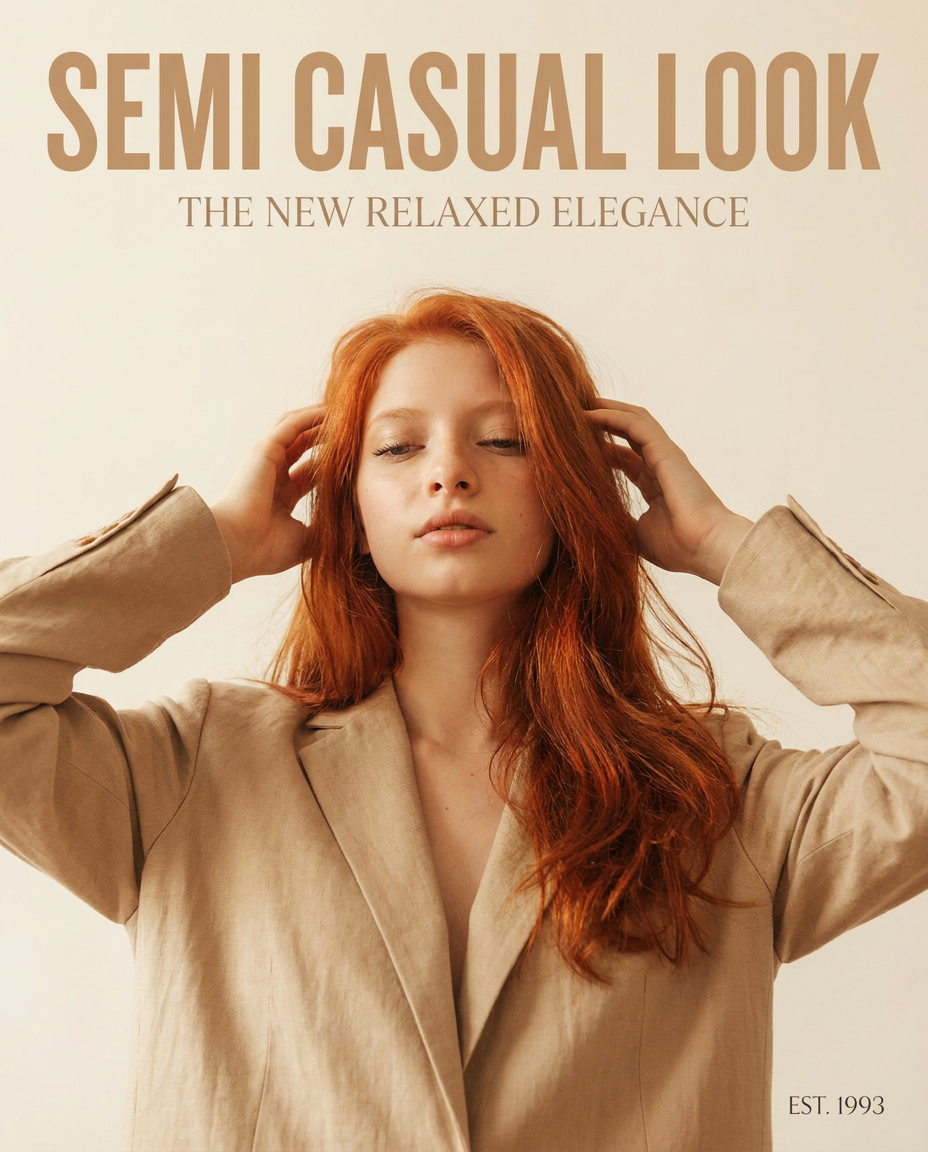
Drop in any portrait and turn it into a high-end editorial magazine cover. It frames your subject beautifully with relaxed, high-fashion posing and soft styling for a polished print aesthetic.
Regenerate using your own assets.
This workflow doesn't just find a stock photo of coffee; it creates a unique, art-directed image in your brand's style that establishes a professional and aspirational tone for the entire deck.
Step 4: Generate consistent visuals for every key point
Now, you repeat the process for the key slides in your outline. The magic of the workflow is that it maintains visual consistency automatically. For your 'Market Size' slide, you don't want a literal graph; you want a conceptual image that feels sophisticated and aligns with your brand. For the 'Problem' slide, you need a visual that evokes the right emotion without feeling generic.
The MyUP workflow moves down your outline, generating a unique image for each point, all governed by the same Brandkit. This creates a cohesive visual essay where every slide builds on the last. To create a clean, conceptual image for a slide like 'The Problem' or 'Market Size', a bold grid-based poster format can translate an abstract idea into a strong visual.
Workflow code: #myup-n0bi-2wzk
Bold Editorial Grid Poster
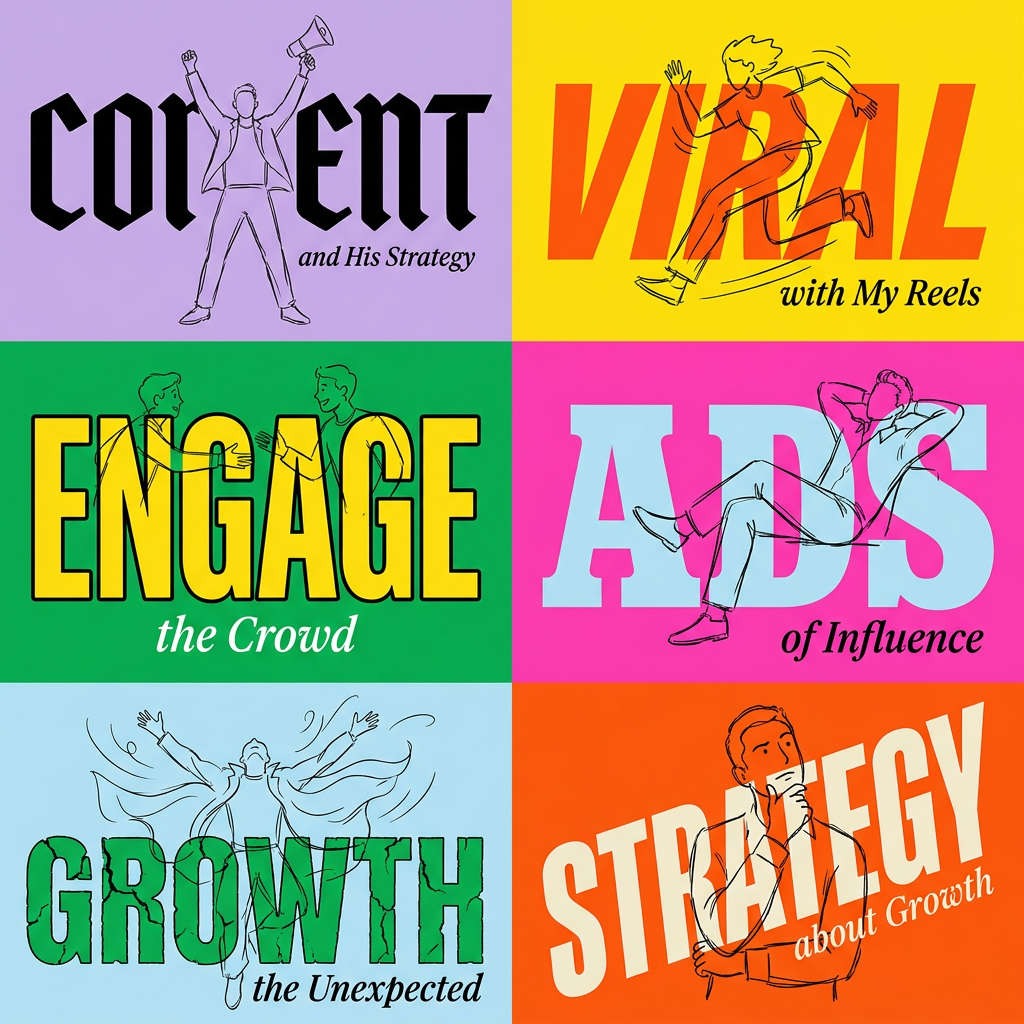
Create striking 2x3 editorial posters with six seamless, flat-color square cards in a perfect 4:5 grid. There are absolutely no gaps between the blocks, giving your content a bold, high-contrast magazine layout. It looks incredibly clean on any social feed.
Regenerate using your own assets.
The result is a deck where every image, whether it's abstract or literal, looks like it was created by the same design team for the same campaign.
Step 5: Illustrate your solution with clean product visuals
When you get to the 'Product' or 'Solution' slides, you need to show what you're selling. This is often where AI-generated decks fall apart, producing distorted or off-brand product mockups. A proper workflow, however, can be tailored to create clean, professional product shots that look real and fit your aesthetic.
Using a workflow designed for minimalist product advertising, you can generate images of your 'Solas' coffee box in on-brand settings. You can specify the context—on a marble countertop, with natural lighting, next to a specific ingredient—and the AI will produce a commercial-quality shot that adheres to your Brandkit's color palette and mood.
Workflow code: #myup-sygb-rhnt
Minimalist Vertical Product Advertising Poster
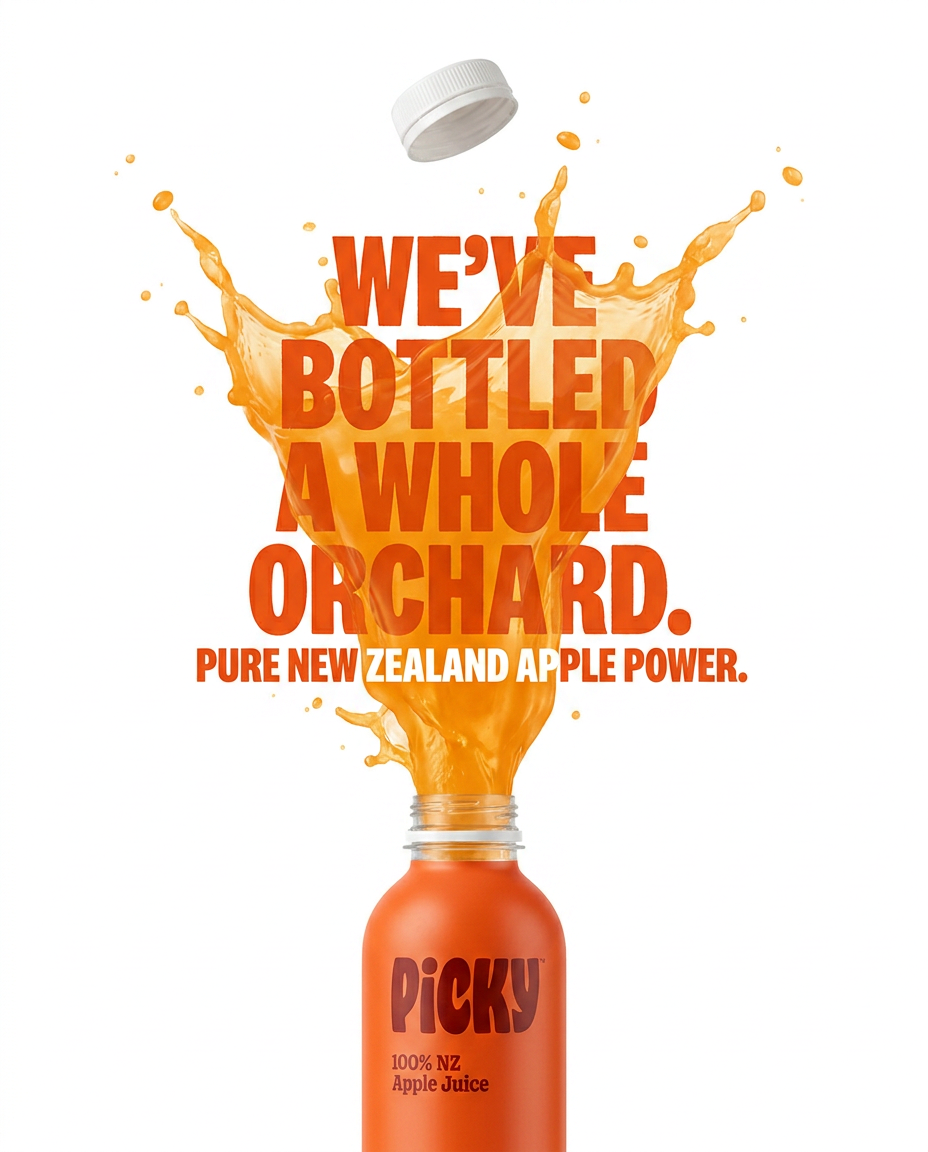
Drop the clutter and put your product in the spotlight. This setup places your item against a pure, seamless white background with a striking vertical flow that draws the eye straight up. It's perfect for creating clean, high-end studio posters.
Regenerate using your own assets.
This gives you the power to create a full suite of product photography for your presentation without needing a photo shoot.
Step 6: Assemble, review, and export your finished deck
Once your narrative and visuals are generated, the final step is assembly. The MyUP workflow automatically combines the text from your outline with the corresponding visuals. It applies your Brandkit's fonts and colors to all text elements, places your logo consistently on each slide, and arranges the content into a clean layout.
This is where human control becomes key. MyUP handles the heavy lifting of production, but you are the final editor. You can review the assembled deck, regenerate any visual you want to refine, tweak the copy, and reorder slides to perfect the story's pacing. Once you're satisfied, you can export the finished deck, confident that it presents a single, powerful, and cohesive brand story from start to finish.