
With the alpha release of Midjourney v7 on July 2, 2026, the internet is flooded with side-by-side comparisons against its main rival, Stable Diffusion 3. The images are more realistic, the in-image text is sharper, and the debate rages on: which model is “better”?
If you’re a marketer, a social media manager, or anyone trying to create content for a brand, this is the wrong question. Chasing the subtle differences in image quality between top-tier models misses the point entirely. The real bottleneck isn't the model's ability to generate a stunning one-off image. It's your ability to generate a dozen on-brand visuals for a campaign, consistently and on deadline.
The choice isn't between Midjourney and Stable Diffusion. It's between a one-off tool and a production system. This is why your workflow matters more than the model.
The one-off image trap: Where Midjourney and Stable Diffusion fail brands
Both Midjourney and Stable Diffusion are incredible technologies. But when used as standalone tools for business content, they create the same fundamental problem: the one-off image trap.
You spend an hour wrestling with prompts. You finally get that perfect shot of a person using your product in a specific lifestyle setting. It's beautiful. Now, you need five more images for the campaign carousel, a vertical version for Stories, and a banner for the website. And they all need to feel like they came from the same photoshoot, with the same lighting, mood, and brand colors.
This is where the tools break down for business use:
- Midjourney is a creative slot machine. It’s brilliant for exploration and generating unexpected, beautiful results. But that unpredictability is a liability for a brand. Getting it to produce the exact shade of your brand's blue, maintain a character's face across multiple images, or adhere to a strict photographic style is a battle of prompts and endless re-rolls. Features like Style Reference help, but they don't provide the granular control needed for true brand governance.
- Stable Diffusion is a technical hurdle. The power of Stable Diffusion lies in its open nature and deep customizability with tools like ControlNet and LoRAs. But this requires a level of technical expertise that most marketing teams don't have and shouldn't need. Setting up a complex node-based workflow in ComfyUI to get a repeatable result is an engineer’s task, not a marketer's. It's powerful, but it’s not a scalable production process for a team.
In both cases, you're left with a collection of individual assets, not a cohesive brand campaign. The time you save on the first image is lost ten times over trying to replicate it. This is the core issue that faster or higher-quality models alone will never solve. The problem isn't the image; it's the lack of an underlying system. And as we've covered before, this is the real bottleneck in content production.
Beyond the prompt: What a brand workflow actually delivers
A workflow isn't just a better prompt. It's an entire production system designed for repeatability and brand control. On MyUP.ai, this system is built on one core concept: your Brandkit.
Your Brandkit is a living, intelligent profile of your brand's visual identity. You build it once—by providing a URL or uploading assets—and MyUP automatically extracts your logo, color palette, fonts, and overall aesthetic. This isn't just a style guide for reference; it becomes an active set of rules that governs every piece of content you generate.
Here’s what a workflow built on a Brandkit delivers that a standalone model can't:
- Repeatable Production: Instead of starting from a blank prompt every time, you launch a workflow designed for a specific task, like “Create a Product Ad” or “Generate Social Post Visuals.” The workflow already knows the best practices for that format and, most importantly, automatically applies your Brandkit.
- Brand Governance: Your brand colors aren't just suggested; they are injected into the generation process. Your logo can be placed consistently. The overall mood and style are guided by your brand's DNA, not the model's default “opinion.” This drastically reduces the random, off-brand results. For a deeper dive, see our guide on achieving a truly consistent AI illustration style.
- Scalability: A saved workflow can be used by anyone on your team, ensuring that the content created by a junior designer is as on-brand as the content created by the art director. It turns content creation from a specialized, artisanal skill into a reliable, scalable process. The human validates the final output; MyUP handles the repetitive production work.
MyUP uses powerful models like Stable Diffusion 3 under the hood, but it wraps them in a system that solves the problems marketers actually face. You get the quality of a state-of-the-art model without the chaos or the complexity.
Workflow in action: Creating a campaign poster vs. a product photo
Let's make this concrete. Consider two common marketing assets: a bold, eye-catching campaign poster and a set of high-end editorial product photos.
Creating a Campaign Poster
You need a poster for a new food product. It has to be vibrant, feature the product clearly, and include your brand's typography and colors. Instead of starting from scratch in Midjourney and hoping for the best, you use a dedicated workflow in MyUP. This workflow is engineered to create compelling posters, applying your Brandkit's colors and style automatically to the generated image.
You just provide the core concept, and the system handles the composition and branding. To try this yourself, use the workflow below in MyUP.
Workflow code: #myup-tbky-nciq
Food Brand Poster
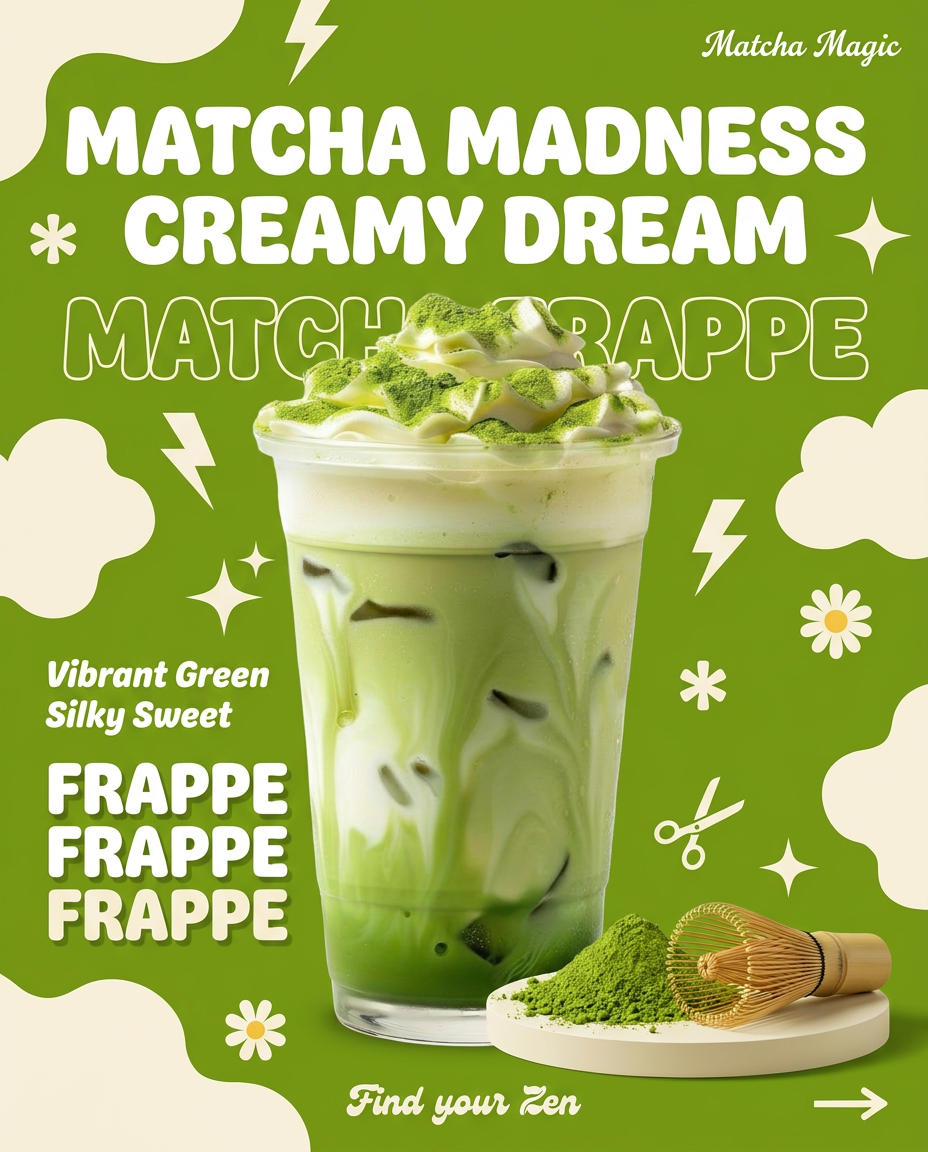
Instantly turn any food or drink product packaging into a bold, vibrant retro poster. The system automatically reads your bottle or box to grab its exact colors and ingredients, then crafts a perfectly coordinated vintage background around it.
Regenerate using your own assets.
Generating High-End Product Photography
Now, imagine you need a series of editorial photos for a luxury skincare line. The look needs to be consistent: soft lighting, specific textures, and an elegant, minimalist feel. This is notoriously difficult to maintain across multiple AI generations. A MyUP workflow for product photography bakes in the stylistic elements of high-end commercial shoots. Your Brandkit ensures the mood is always aligned with your brand's premium positioning.
You approve the final compositions, and MyUP delivers a consistent set of images ready for your catalog or social feed.
Workflow code: #myup-tc2h-gy9g
Luxury Editorial Product Photography
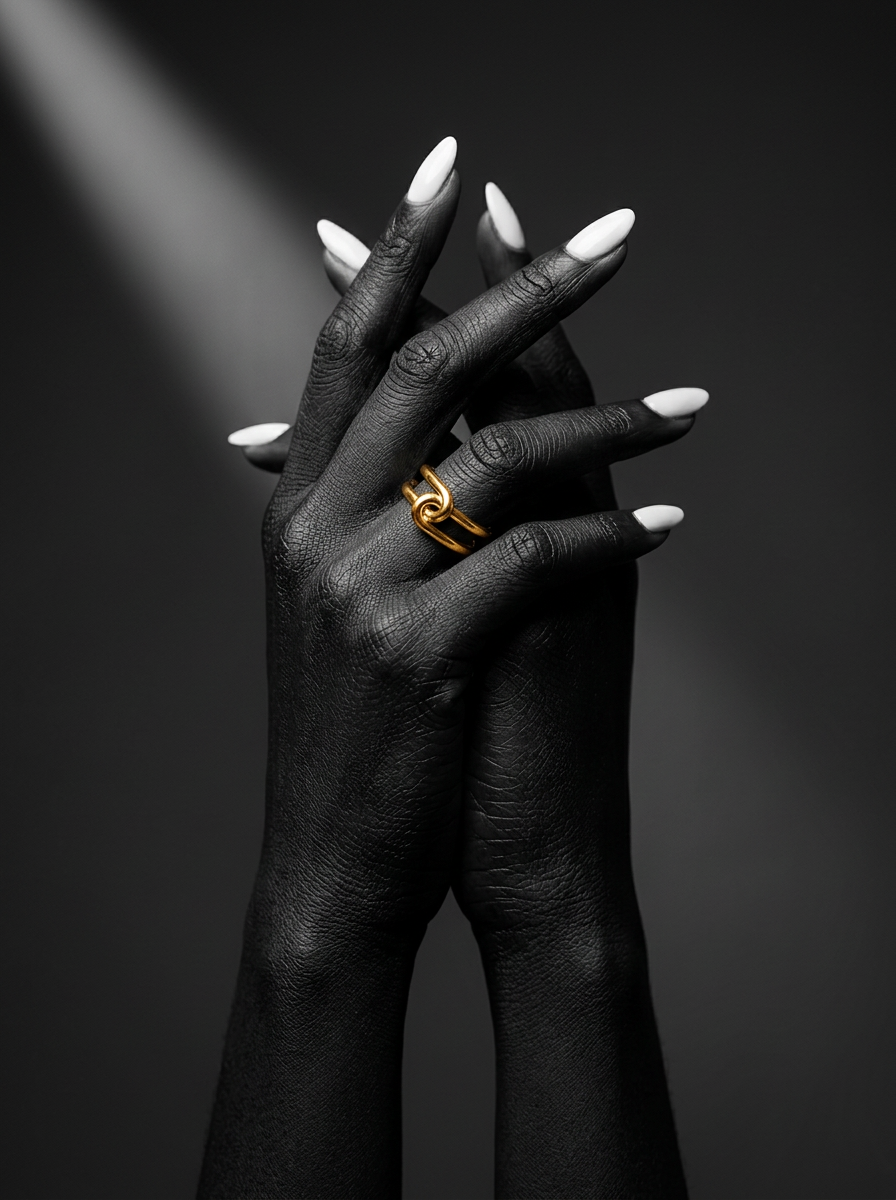
Get striking, high-end editorial shots focusing entirely on hands against minimalist backdrops. It strips away the distraction of faces to deliver a moody, fine-art look that's perfect for showcasing rings, nail art, or dramatic poses.
Regenerate using your own assets.
Designing a Magazine Cover
For something as specific as a fashion magazine cover, every detail matters—from the model's pose to the typographic layout. A generic prompt won't work. A specialized workflow, however, understands the conventions of editorial design and integrates your brand's unique aesthetic to produce a cover that feels authentic and professional.
Workflow code: #myup-yk1h-uqy8
High-End Editorial Fashion Magazine Cover
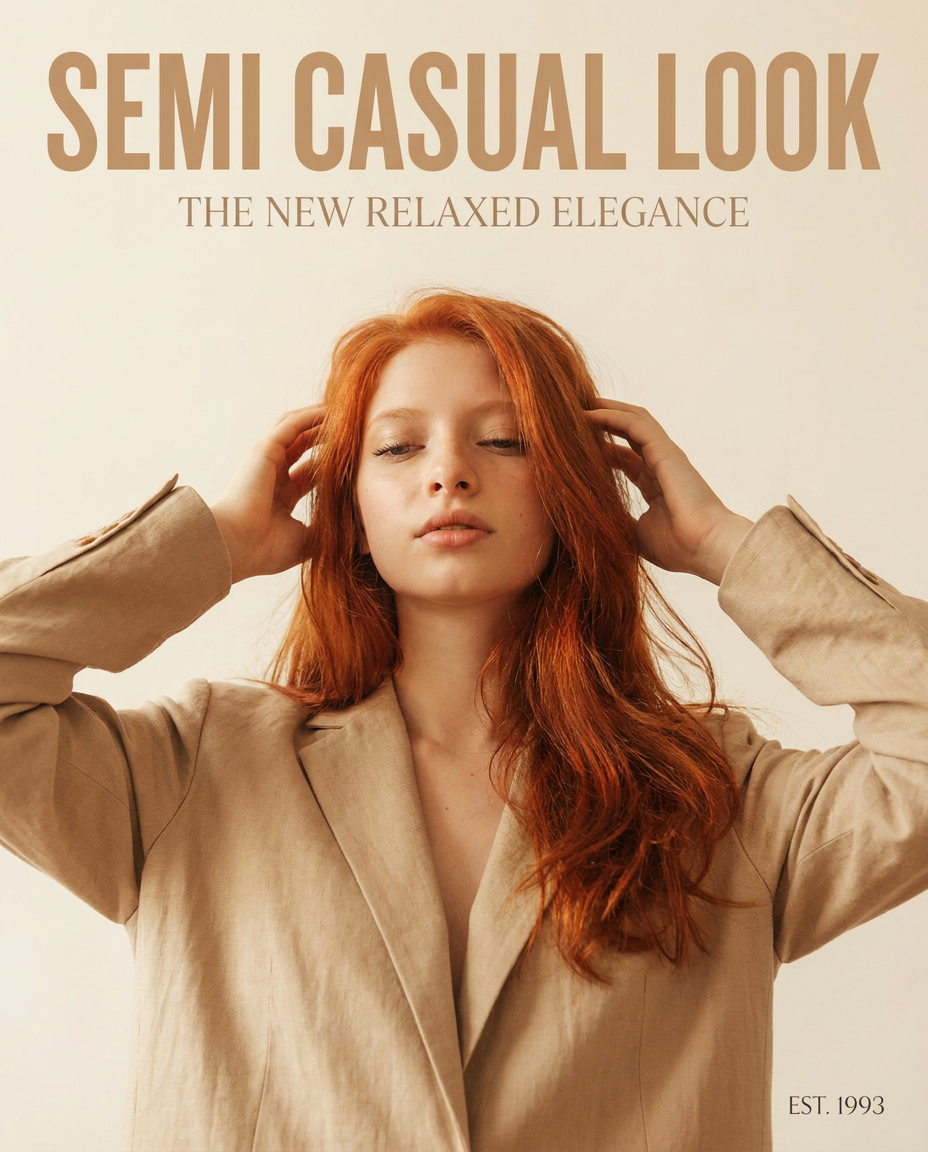
Drop in any portrait and turn it into a high-end editorial magazine cover. It frames your subject beautifully with relaxed, high-fashion posing and soft styling for a polished print aesthetic.
Regenerate using your own assets.
When to choose a model vs. when to choose a system
This isn't to say standalone models have no place. The key is understanding the job to be done.
Choose a standalone model (like Midjourney) when:
- You are an artist exploring new styles and concepts.
- Your goal is a single, spectacular image for inspiration or personal work.
- You value serendipity and creative randomness over precise control.
- You are not working against a strict brand style guide.
Choose a production system (like MyUP) when:
- You are a marketer, creator, or agency producing content for a brand.
- You need to create a high volume of visuals that are all stylistically consistent.
- Your team needs a scalable, repeatable process that doesn't depend on a single “prompt expert.”
- Your primary goals are brand consistency, speed of production, and scalability.
For businesses, the goal is not to create one perfect image. The goal is to build a content engine. And an engine requires more than just a powerful motor; it needs a chassis, a transmission, and a steering wheel—the complete system that makes it useful and controllable.
The right question isn't 'which model' but 'what's my engine?'
The excitement around Midjourney v7 is justified—the technology is advancing at an incredible pace. But for brand builders, focusing on the model-vs-model race is a distraction. The most powerful AI model in the world won't solve your content production bottlenecks if it can't deliver consistency at scale.
Stop asking if Midjourney is better than Stable Diffusion. Start asking: what is my content production engine? Is it a system built for random, one-off creations, or is it a repeatable, brand-governed workflow designed for business?
On MyUP, your Brandkit and our library of workflows are that engine. It’s a system where you provide the creative direction, and the platform handles the consistent, on-brand execution. That’s how you move from playing with AI to putting it to work.