Midjourney dropped its V7 model on July 2, 2026, and the headline feature, ‘Style Fusion,’ is already all over social media. It lets you blend the aesthetics of multiple images to guide your generations. It’s a clever feature and a clear admission of the single biggest problem in AI image generation: getting a consistent style is nearly impossible.
While Style Fusion is a step up from writing thousand-word prompts, it’s still a temporary, session-based fix. For any brand, creator, or agency that needs to produce more than one image, this isn't a workflow. It's a bottleneck. The real solution isn't a better trick; it's a better system.
Why prompt-wrestling and style references are a dead end
Before Style Fusion, achieving consistency meant one of two things: either becoming a master prompt engineer or going deep into the technical weeds. The first path involves creating brittle, 500-word “mega-prompts” that you copy-paste for every generation, hoping the model interprets it the same way twice. It rarely does. The slightest change can cause the entire style to drift.
The other path is using style references, like Midjourney’s --sref parameter. This is closer to a solution, but it’s still impermanent. Your style exists only as a reference ID tied to a specific model version. When the model updates, your style can break. This is the same fundamental trap as other one-off solutions like Gemini's Style Drop; they mistake a single reference for a robust brand identity.
The most extreme alternative is training your own model, typically a LORA (Low-Rank Adaptation) for a platform like Stable Diffusion. This offers incredible control but requires technical skill, a curated dataset of dozens of images, and significant time for training and testing. For most marketing teams and creators, it's simply not a viable option for day-to-day production.
The fix: treat your illustration style as an asset, not a prompt
The professional solution is to stop treating your style as a line of code you enter every time and start treating it as a permanent, living asset. Your brand's unique illustration style—its specific color palette, line weight, character designs, textures, and mood—should be defined once, centrally, and then automatically applied to every creation.
This is the entire philosophy behind the MyUP.ai Brandkit. Instead of describing your style in a prompt, you build it as an asset. You define your core colors, upload fonts, and, crucially, you codify your illustration style with descriptive keywords and rules. You tell the system: “My illustrations are always flat vector, use thick ink outlines, have a muted color palette, and feature characters with simple, rounded features.”
Once your Brandkit is saved, it becomes the source of truth. MyUP handles the complex prompt engineering in the background, injecting your style into every request. The user is freed up to focus only on the subject matter. You validate the output; MyUP handles the production, ensuring every single image adheres to the rules you defined.
The 3-step workflow for a permanent illustration style
Building this system on MyUP is straightforward. It moves the work from repetitive prompting to a one-time strategic setup.
Step 1: Deconstruct your style into core elements.Before you can build, you must define. Look at your ideal illustrations and break them down into their fundamental components. Don't just think 'cartoon style.' Get specific:
- Medium: Is it digital vector, watercolor, ink drawing, risograph print?
- Line Work: Is it clean and thin, heavy and bold, sketchy and textured, or are there no lines at all?
- Color Palette: Are the colors vibrant and saturated, muted and earthy, or a strict monochrome? List the hex codes.
- Shading & Texture: Is it flat with no shading, or does it use gradients, halftones, or paper textures?
- Subject Details: How are people or characters depicted? Simple geometric shapes, exaggerated features, realistic proportions?
Step 2: Build your illustration style in the MyUP Brandkit.Go to your Brandkit on MyUP.ai. You'll find sections for your logo, fonts, and colors. In the visual style section, you'll translate the elements from Step 1 into keywords and directives. You can input your color hex codes to lock in your palette and add style descriptors like 'flat 2D vector art,' 'heavy ink outlines,' 'subtle paper texture,' and 'Japanese woodblock printing influence.' This is where your style becomes a reusable asset.
Step 3: Generate with simple prompts and let the Brandkit do the work.This is the payoff. With your Brandkit active, you no longer need to include any style information in your prompts. Your prompt can be as simple as “an astronaut riding a bicycle on the moon.” MyUP automatically pulls from your Brandkit to generate an illustration of that scene in your brand's unique, pre-defined style. The consistency is built-in, not bolted on.
In practice: creating on-brand social posts with your style asset
Let's make this concrete. Imagine your brand uses a bold, retro zine aesthetic for event promotions. In other tools, you'd be prompting something like “1980s punk rock zine style poster for a music event, grainy texture, high contrast black and white, cut-and-paste collage elements, sans-serif blocky text...” and you'd have to do it for every single event.
With a MyUP Brandkit, that entire style is saved. When you need a new poster, you can use a workflow that already understands the layout and style. You just provide the new event details. The system handles the rest, generating a perfectly on-brand visual every time. This workflow is the direct answer to that need.
Workflow code: #myup-msop-hlxf
Retro Zine Style Event Poster
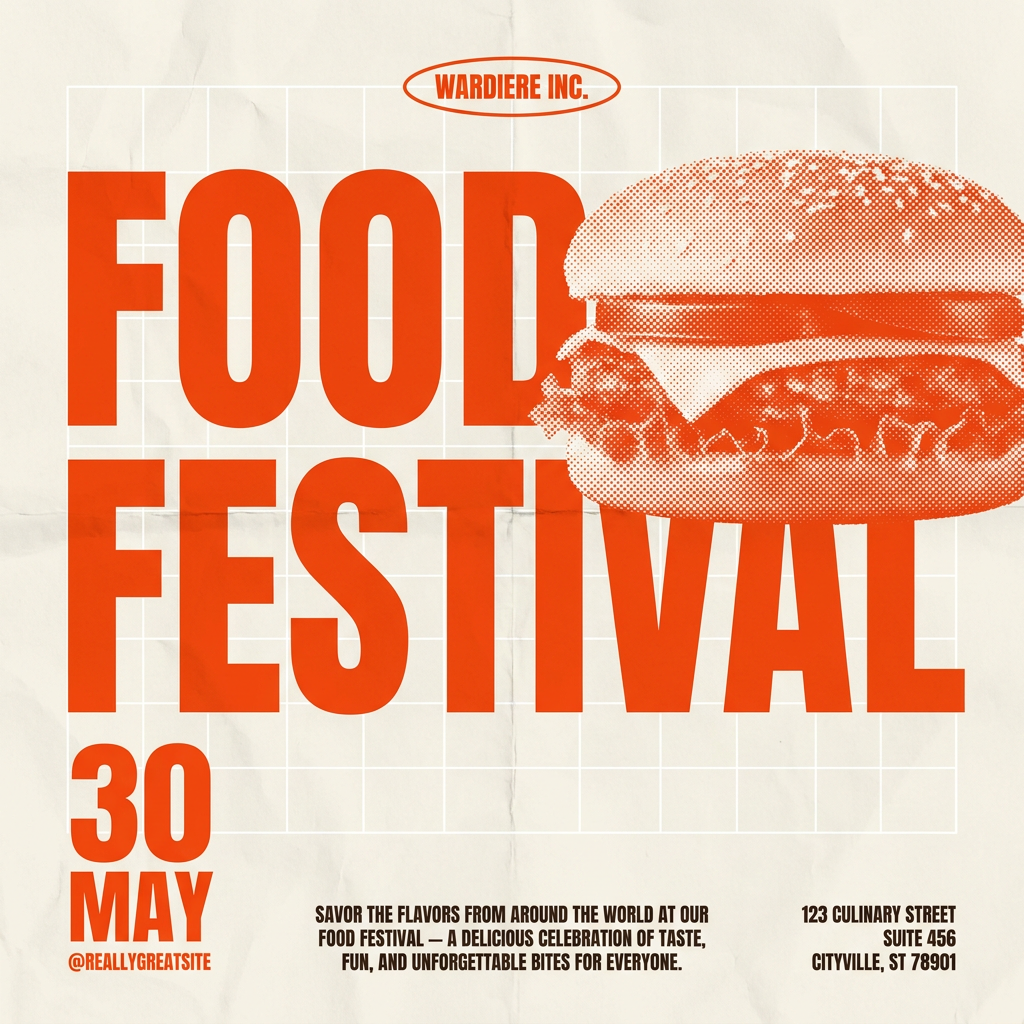
Give your social posts a gritty, analog zine aesthetic. It layers a crumpled paper texture and a subtle grid over a warm cream background to make any event graphic look like a tactile, photocopied flyer. Perfect for DIY gigs and bold promos.
Regenerate using your own assets.
Scaling up: from single illustrations to a full campaign
The real power of a system emerges when you need to scale. A single illustration is easy; a dozen for a campaign or a 9-grid for Instagram is where prompt-based methods completely fall apart. The subtle variations between each generation become glaringly obvious when placed side-by-side.
Because the MyUP Brandkit is a constant, it guarantees that the illustration for 'welcoming a new team member' has the exact same line weight, color palette, and character style as the one for 'announcing a new product feature.' You can build out an entire content calendar of visuals with absolute confidence in their consistency.
Need to create a full social media grid with a consistent editorial feel? There's a workflow for that. Launching a new clothing line and need a series of on-brand fashion posts? There's a workflow for that, too. The Brandkit ensures the style is locked in, and the workflows automate the production.
Workflow code: #myup-n0bi-2wzk
Bold Editorial Grid Poster
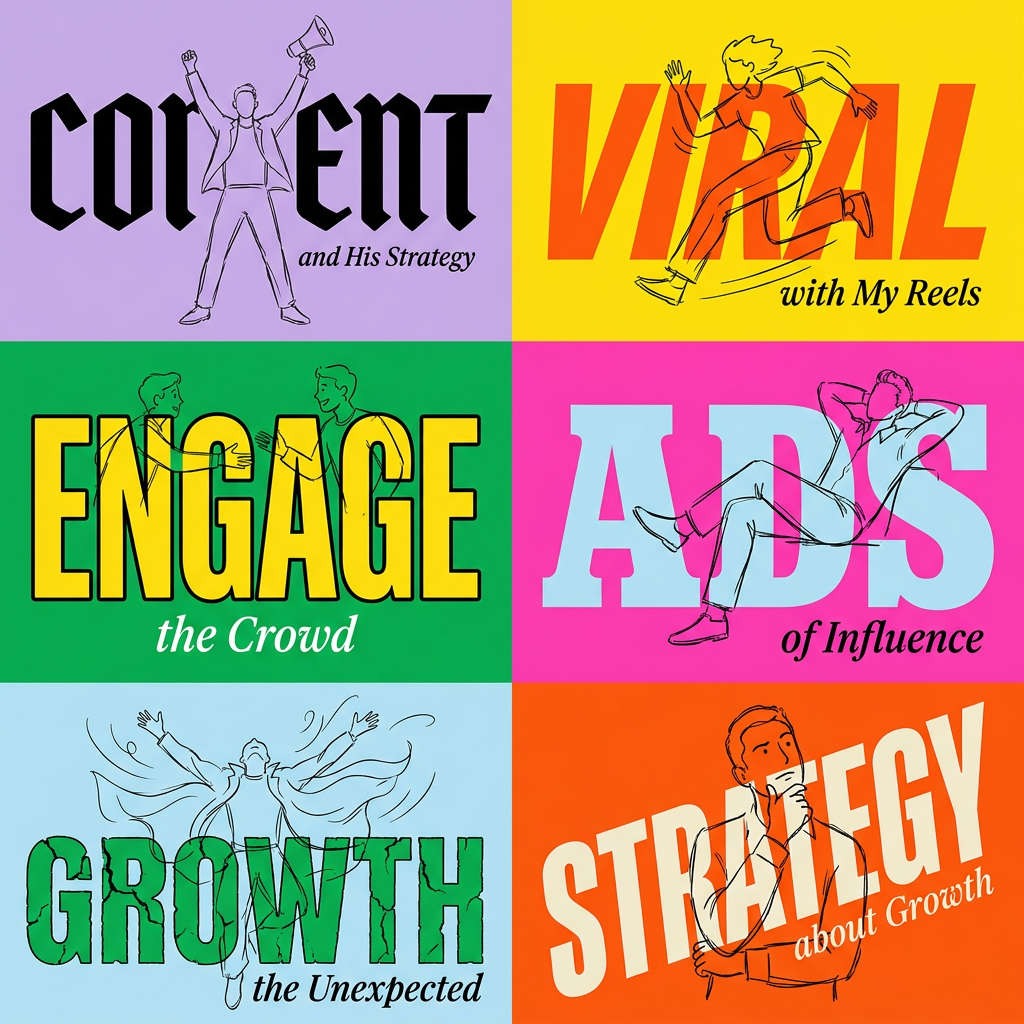
Create striking 2x3 editorial posters with six seamless, flat-color square cards in a perfect 4:5 grid. There are absolutely no gaps between the blocks, giving your content a bold, high-contrast magazine layout. It looks incredibly clean on any social feed.
Regenerate using your own assets.
Workflow code: #myup-3sro-edbt
Brand Clothes Post
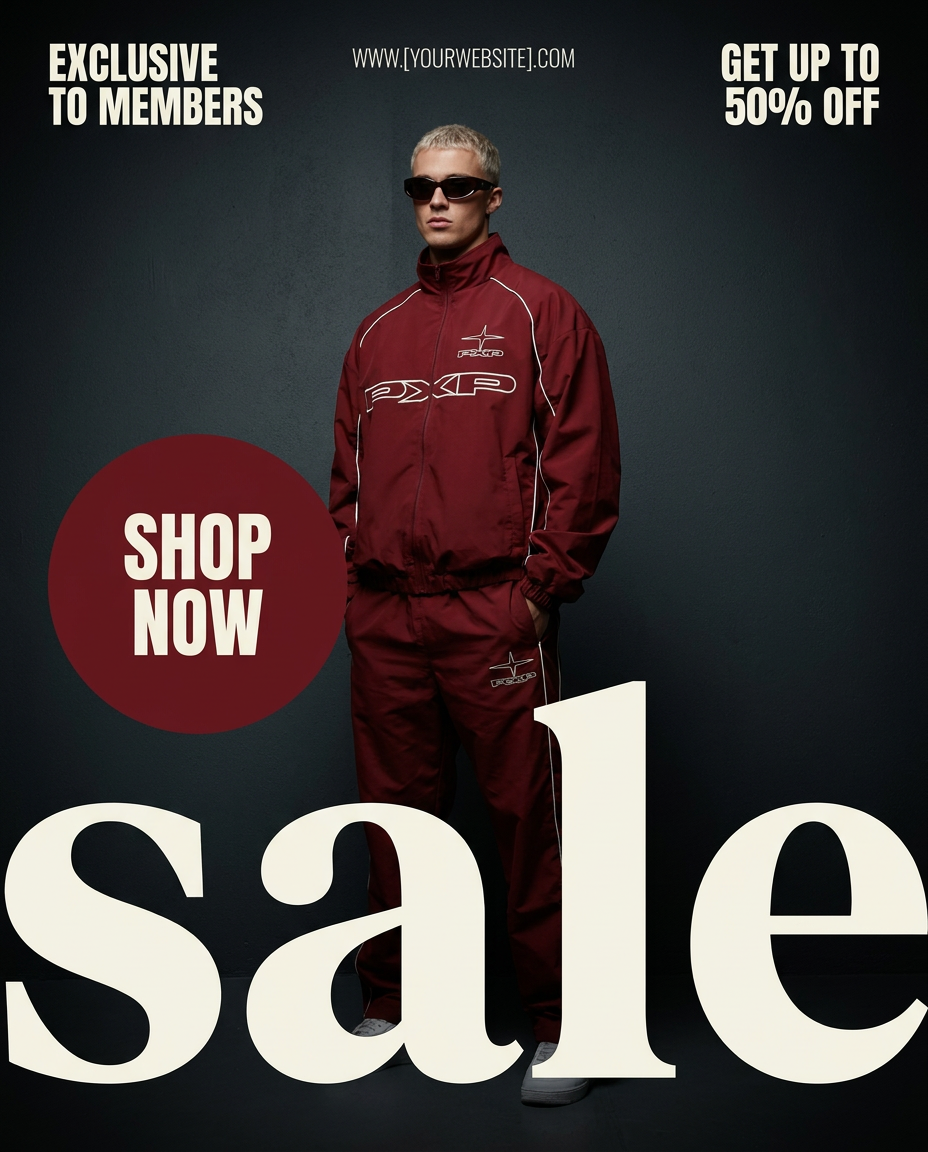
Turn any outfit photo into a high-end fashion promo poster. It centers your subject in a full-body shot against a dark, dramatic studio backdrop, perfectly cropped for social feeds. It gives your apparel a moody, editorial look instantly.
Regenerate using your own assets.
Stop chasing tricks, start building a system
New features like Midjourney's Style Fusion are exciting, but they are tactical tricks, not a professional strategy. Chasing the latest feature or prompt hack is a reactive cycle that keeps you dependent on the whims of the model developers. True creative control and production efficiency come from building a system where your brand's identity is a permanent, automated asset.
By defining your illustration style once in a MyUP Brandkit, you move from wrestling with the AI to directing it. You spend your time on creative ideas, not on fixing inconsistent outputs. That's not just a better way to generate images; it's a sustainable workflow for building a brand.