
So, Google's new AI Clips feature in Google Vids can turn your notes into a short video. It’s a neat trick, and for a quick, one-off summary, it might get the job done. But if you’re a social media manager or a brand creator, you know the truth: your job isn't to make one clip. It's to tell a story.
A successful TikTok, Instagram Story, or Reel is a narrative sequence. It's a series of connected moments that guide the viewer from a hook to a payoff. A single, generic clip doesn't do that. In fact, it creates a new problem: how do you create the *next* four clips to match it? That's where the real work begins, and where single-clip generators fall short.
Why single-clip generators create more work, not less
You've been there. You use a text-to-video tool and get a decent first clip. Now the clock is ticking. You need to build a full carousel or story around it. The real bottleneck isn't generating the first asset; it's the painful process of trying to force consistency on the rest.
This manual process is a time sink filled with frustrating questions:
- Style Matching: How do I get the next AI generation to have the same lighting, color grade, and overall vibe?
- Brand Integrity: How do I ensure my logo and brand fonts appear identically in every clip? Most generators can't even handle custom fonts, let alone apply them consistently.
- Narrative Flow: How do I stitch these visually mismatched clips into a story that makes sense and doesn't feel disjointed?
By the time you've wrestled the assets into a semi-coherent state in a separate video editor, you've lost the time-saving promise of AI. You've simply traded one kind of manual work for another. The tool solved 10% of the problem and left you with the other 90%.
The workflow for generating a full story from one brief
The solution is to stop thinking one clip at a time and start thinking at the workflow level. Instead of a 'text-to-clip' generator, you need a 'brief-to-story' system. This is the core philosophy behind MyUP.ai.
A workflow-based system solves the consistency problem by design. It starts with your Brandkit—a central hub in MyUP where you save your brand’s visual identity once. This includes:
- Your exact brand colors (HEX codes)
- Your specific brand fonts (uploaded files)
- Your logo files and placement rules
- Your approved visual style (e.g., 'minimalist and clean', 'bold and vibrant')
Once your Brandkit is set up, any workflow you run in MyUP automatically pulls from it. When you ask for a 3-part video story, the system doesn't just generate three random clips. It generates three *on-brand* clips, each with your correct logo, fonts, and colors already applied. The user's job shifts from producer to director. You provide the creative brief and validate the results; MyUP handles the repetitive production work of ensuring every single asset is perfectly consistent.
Step-by-step: From a text idea to a 3-part TikTok video
Let's make this practical. Imagine you manage social media for a gourmet food brand and your idea is a 3-part TikTok on 'Tips for perfect french fries'.
In a single-clip tool, you'd generate one clip, then struggle to replicate its style for the other two tips. In MyUP, the process is different from the start.
- Define Your Brandkit: First, you ensure your food brand's logo, playful font, and color palette are saved in your MyUP Brandkit. This takes minutes and you only do it once.
- Choose a Story Workflow: Instead of a generic prompt box, you use a workflow designed for multi-part social content. For a food brand, a vertical ad template is a great starting point.
- Write a Multi-Part Brief: You provide a single brief that outlines the entire story. For example: "Create a 3-part vertical video ad. Part 1: 'Tip 1: Choose the right potato!' with an image of rustic potatoes. Part 2: 'Tip 2: The secret is the double-fry!' with an image of fries in a fryer. Part 3: 'Tip 3: Don't forget the gourmet salt!' with a final shot of perfectly salted fries."
- Generate and Validate: MyUP executes the workflow, generating all three video clips as a sequence. Each one automatically features your brand's font for the text overlay, your logo in the corner, and a visual style consistent with your Brandkit. You review the sequence, make any minor tweaks, and export the entire story, ready to upload.
To try this exact process, you can use the workflow below. Just provide your brief and let the system build the sequence for you.
Workflow code: #myup-fts6-4ihp
Vertical Gourmet French Fry Ad
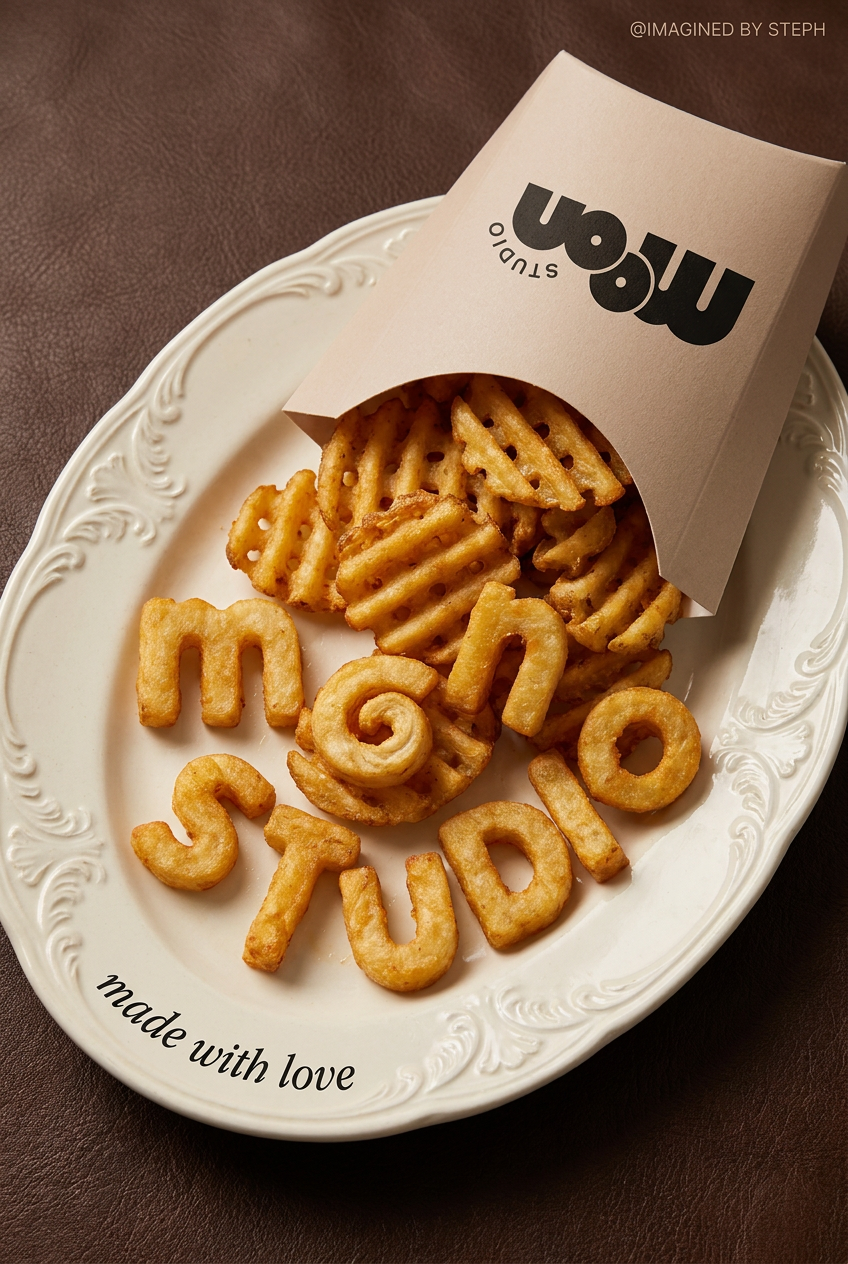
Transform your products into high-fashion editorial ads. This setup uses a dynamic diagonal layout and a slightly tilted overhead angle to give food and packaging incredible depth and texture. It's perfect for giving any brand a chic, premium look.
Regenerate using your own assets.
Adapting the story workflow for any brand
This 'brief-to-story' method isn't limited to food brands. The same logic applies to any vertical, because the workflow is adaptable. The Brandkit ensures the output always reflects your unique identity.
For a fashion brand launching a new collection: Your brief could outline a 4-part Instagram story showcasing different pieces. The workflow applies your elegant serif font and minimalist color palette to each clip, creating a cohesive, high-fashion narrative. You could start with a template like the one below to set an editorial tone.
Workflow code: #myup-yk1h-uqy8
High-End Editorial Fashion Magazine Cover
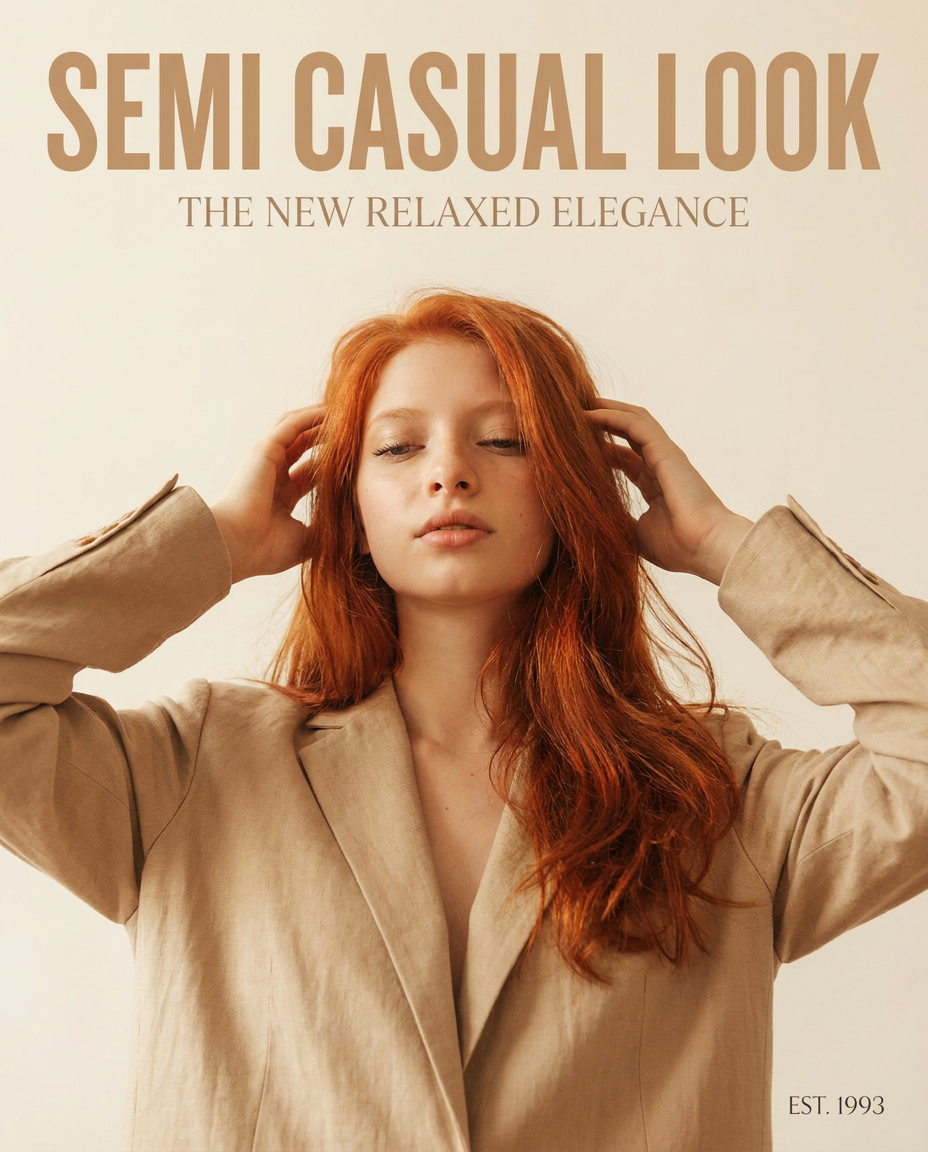
Drop in any portrait and turn it into a high-end editorial magazine cover. It frames your subject beautifully with relaxed, high-fashion posing and soft styling for a polished print aesthetic.
Regenerate using your own assets.
For a tech company announcing a new feature: Your brief might detail a 3-part LinkedIn video carousel. The first clip introduces the problem, the second reveals the solution (your new feature), and the third is a call to action. The workflow ensures your corporate colors, sans-serif font, and logo are consistently applied, maintaining a professional and trustworthy image. A clean, modern poster style is perfect for this.
Workflow code: #myup-eiob-7tbc
Modern Hiring Poster
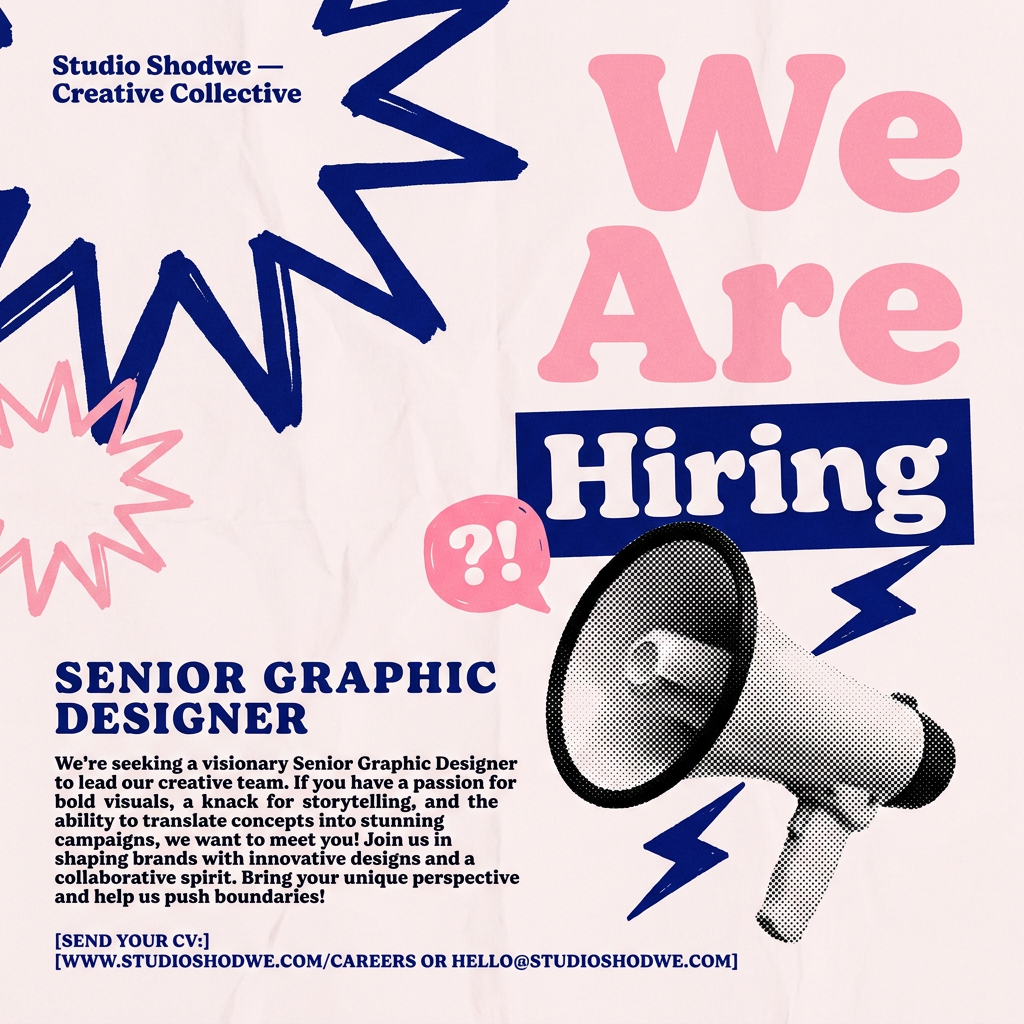
Turn your open roles into stylish social announcements. It sets your hiring details against a soft, textured paper background with clean, editorial typography. Perfect for giving your brand a polished, modern look when you're looking to hire.
Regenerate using your own assets.
In every case, you're moving beyond the limitations of a simple generator. You are operating a content system that understands your brand's rules and can execute a multi-part creative brief at scale. This is the difference between making a clip and running a campaign, a process you can explore in more detail with a script-to-screen AI workflow.
You don't need a better clip generator, you need a brand content system
Tools like Google's AI Clips are interesting because they highlight a universal need: turning ideas into video, fast. But they only solve the first, easiest part of the problem. The real challenge for creators and marketers isn't making *an* asset; it's producing a consistent volume of *on-brand* assets that tell a coherent story.
Chasing the latest, most powerful single-clip model won't solve this. You'll still be stuck doing manual cleanup, fighting for consistency, and wasting time in video editors. A workflow-first platform like MyUP.ai is built to solve the total problem. By systemizing your brand identity with a Brandkit and using workflows that produce entire sequences, you move from being a short-order cook making one clip at a time to an executive chef planning and executing the entire menu. Let the system handle the production, so you can focus on the story.