
On June 24, 2026, Stability AI released Stable Diffusion 3.5, the latest version of its popular image generation model. The headlines are all about its improved photorealism, better text rendering, and, most importantly, its 'efficiency' — it's smaller and faster, designed to run on consumer-grade hardware. For anyone creating visual content, this sounds like a clear win. But does a more 'efficient' model automatically mean a better image for your ad campaign, social media post, or product shot? The answer isn't as simple as you'd think. Let's cut through the technical jargon and talk about what this actually means for the work you need to get done today.
What 'model efficiency' actually means (and what it doesn't)
In the world of AI, 'efficiency' is a technical term that boils down to three things: size, speed, and cost. An efficient model is smaller, requires less powerful computer hardware (like a consumer GPU instead of a massive server farm), generates an image faster, and is therefore cheaper to run. This is a significant engineering achievement. It democratizes access to high-quality AI, which is great for experimentation and rapid prototyping.
But here's the critical distinction for a creator: efficiency does not automatically equal superior creative quality for every single task. It's a measure of performance, not necessarily of artistic nuance or specialized capability. A model can be incredibly fast and still struggle with the subtle details that separate a generic AI image from a professional, on-brand visual.
The creator's dilemma: balancing speed, cost, and quality
Every creative project involves a trade-off. You might need to generate 50 rough ideas for a social campaign in an hour. In that case, a fast, 'efficient' model is your best friend. The goal is iteration, not perfection. You're exploring concepts, and speed is the most valuable asset.
But what about the final hero image for a new product launch? Or a key visual for a high-stakes advertising campaign? In these cases, the priorities flip. Absolute quality is non-negotiable. You need perfect lighting, flawless textures, and a composition that precisely matches your brief. This often requires a larger, more powerful, and potentially 'less efficient' model that has been specifically trained for that kind of photorealistic output. Chasing efficiency at the expense of quality can mean a final image that's 'almost right' — which, in the world of brand marketing, is the same as being wrong.
Case study 1: When photorealism is non-negotiable
Consider creating an ad for a high-performance sportswear brand. The image needs to be dynamic, aspirational, and incredibly detailed. You need to see the texture of the technical fabric, the realistic motion of the athlete, and the dramatic lighting that makes the shot feel powerful. An 'efficient' model might get the basic composition right, but it could falter on the specifics — creating slightly waxy-looking skin, an unnatural drape in the clothing, or the infamous 'AI hands'.
For a job like this, you don't need the fastest model; you need the best one. You need a workflow that prioritizes visual fidelity above all else. This is where you trade a few extra seconds of generation time for a result that looks like it came from a professional photo shoot. Instead of wrestling with prompts to fix flaws, you can use a workflow built for this exact purpose.
Workflow code: #myup-ywpr-rqz6
Professional Sportswear Ad
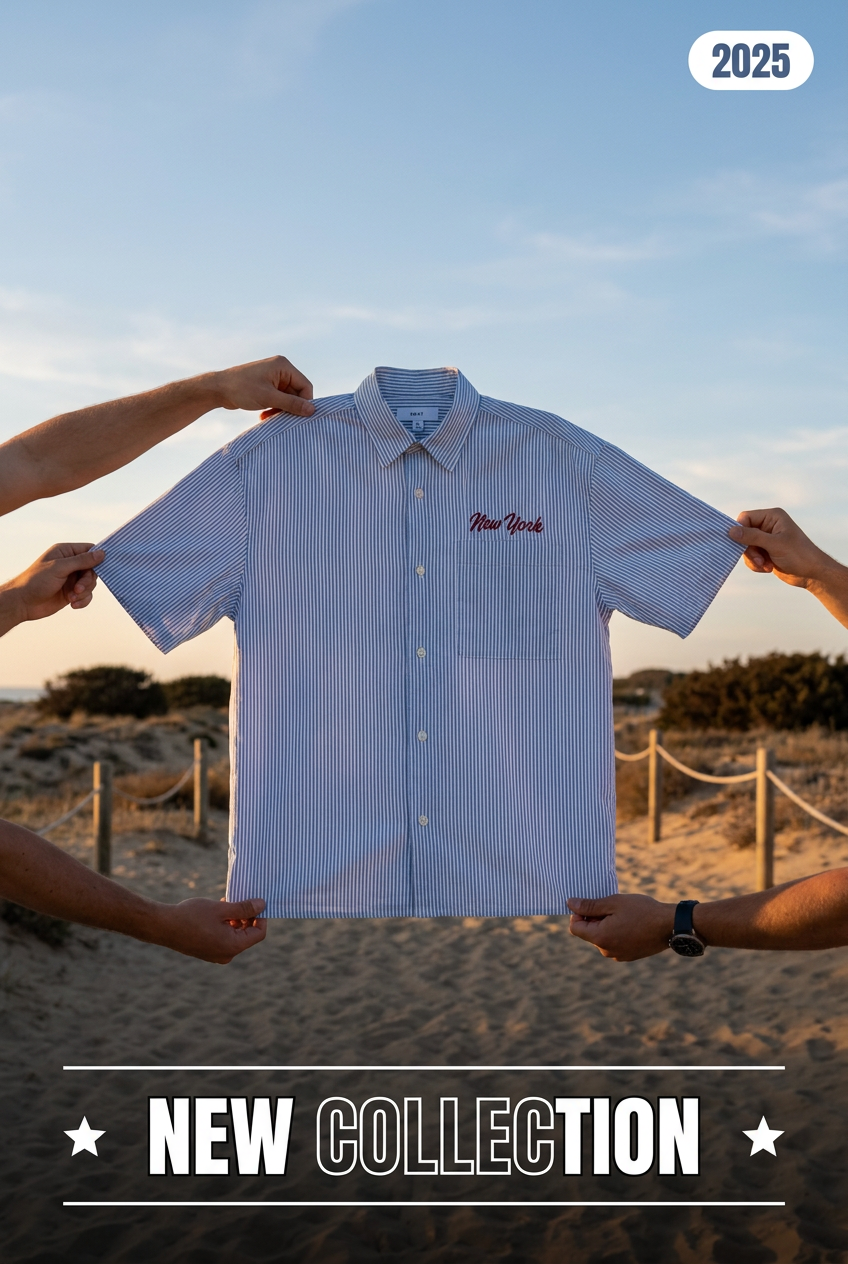
Suspends your apparel right in the center of a high-energy promo shot, held up by hands around the frame. It gives your shirts or jerseys a gritty, collaborative streetwear editorial look that feels alive and physical.
Regenerate using your own assets.
Case study 2: The details that make an image work
The same principle applies to food photography. An image of a burger has one job: to look delicious. That's not about just getting the shape of the bun and patty correct. It's about capturing the glisten on the melted cheese, the crisp texture of the lettuce, and the subtle char marks on the patty. These are the details that trigger an emotional response and make someone want to take a bite.
A general-purpose, 'efficient' model might produce a perfectly fine picture of a burger. But a more specialized workflow, likely using a model that excels at macro detail and food textures, will produce an irresistible one. This is the difference between content that fills a space and content that drives an action. For brand assets where appetite appeal is everything, settling for 'good enough' is a critical mistake.
Workflow code: #myup-xjsb-hirr
Bold Portrait Food Advertising Photo
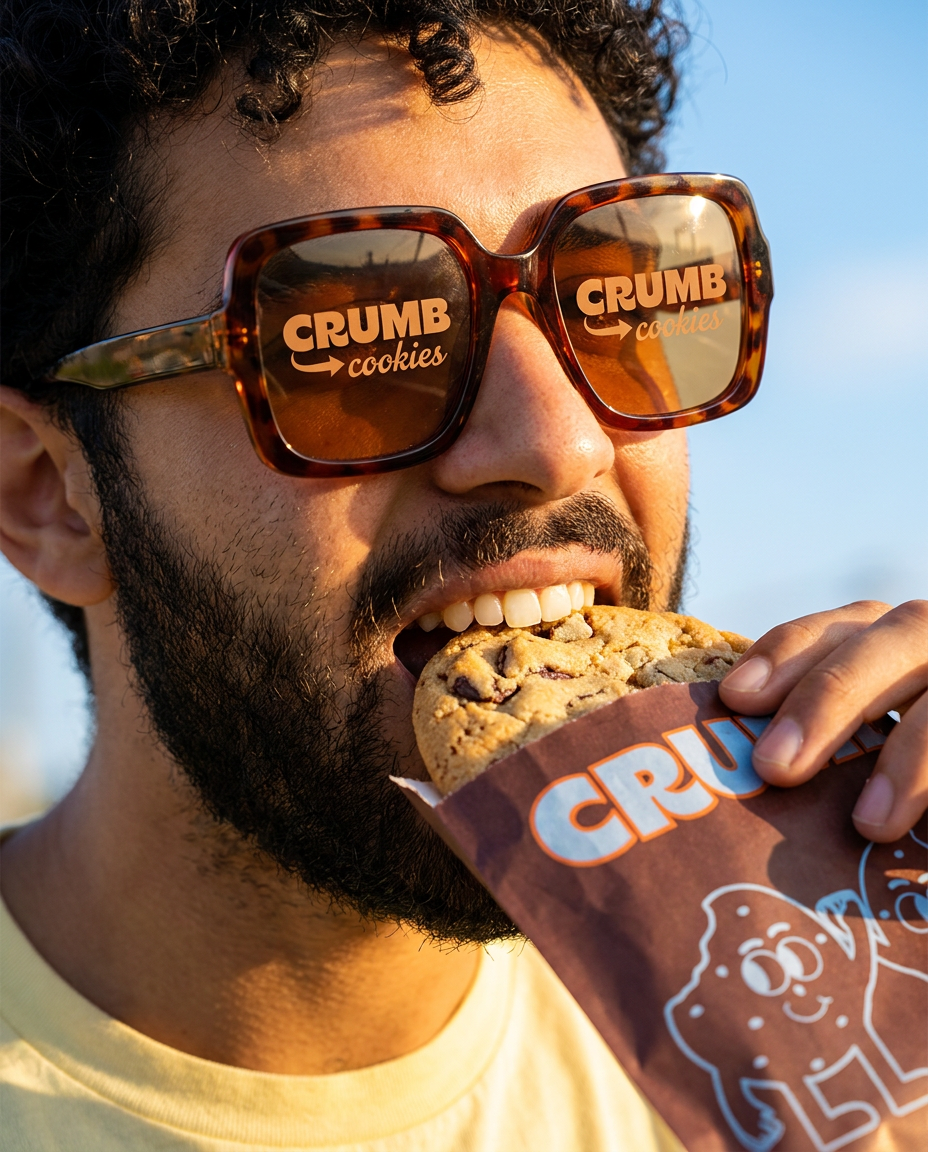
Get those high-impact, tight action shots of people actually enjoying your food brand. It drops your product right into a messy, realistic close-up bite shot that feels like a premium lifestyle campaign instead of a boring studio packshot.
Regenerate using your own assets.
Focus on the result, not the recipe
The constant debate over which model is best — Stable Diffusion 3.5, DALL-E 3, or the next big thing — is fascinating, but it shouldn't be your primary concern. Your job is to direct the creative, not to become an AI systems architect. This is our core philosophy at MyUP: we worry about the technology so you can focus on the outcome.
Our platform intelligently routes your creative task to the best model for the job behind the scenes. Need a photorealistic ad? We'll use a powerhouse model. Need a quick series of illustrations? We might use a faster, more stylized engine. The user's role is to provide the vision and validate the final output. MyUP handles the production. Your Brandkit ensures that no matter which AI engine is used, the result always incorporates your brand's unique colors, fonts, and overall style, maintaining crucial consistency.
This workflow for a high-fashion cover, for example, is tuned for editorial quality, abstracting the choice of model away entirely.
Workflow code: #myup-yk1h-uqy8
High-End Editorial Fashion Magazine Cover
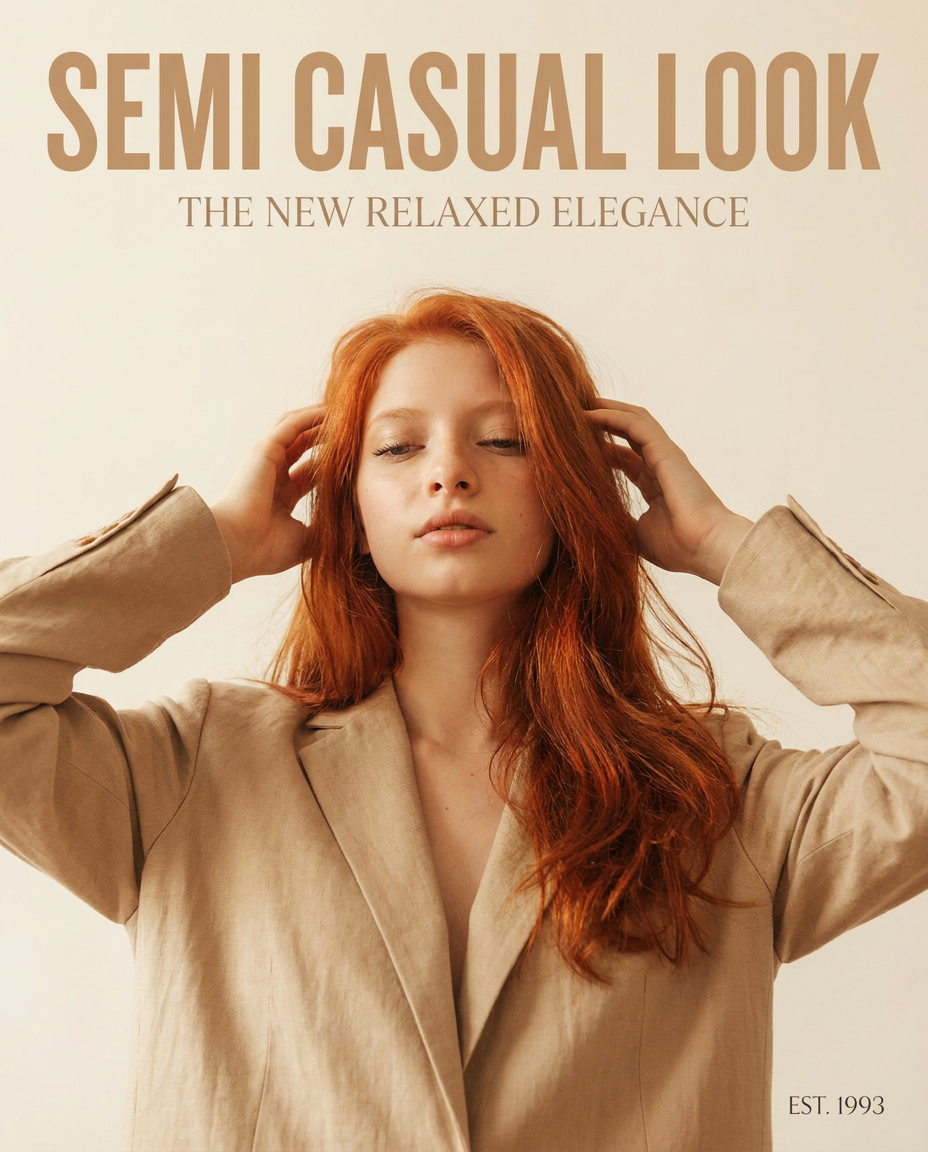
Drop in any portrait and turn it into a high-end editorial magazine cover. It frames your subject beautifully with relaxed, high-fashion posing and soft styling for a polished print aesthetic.
Regenerate using your own assets.
So, should you care about the next big model release?
Yes, you should be aware of what's becoming possible. Releases like Stable Diffusion 3.5 are exciting because they push the entire field forward, and those new capabilities will eventually find their way into the tools you use. For example, SD 3.5's better typography is a huge step, though for truly on-brand results, you often still need a dedicated workflow like the one we built to fix text in AI images.
But you shouldn't get lost in the technical weeds or feel pressured to switch tools with every new announcement. The most powerful creative tool isn't the one with the latest model number; it's the one that abstracts away the complexity and lets you consistently and reliably produce on-brand assets. Your focus should be on the quality of your ideas and the final visual, not on the efficiency rating of the engine that created it.