Creating a professional, cohesive digital promo kit is essential for any business looking to make a strong impression, but it often feels like a complex design challenge. Many small businesses struggle to produce advertising flyers and service cards that look consistent across both print and digital platforms. The good news is you can generate a complete kit that includes both, ready for social media and print, without needing extensive design skills. The Template: #myup-gig-promo-kit-for-social-media-and-print is designed to simplify this process, giving you a full suite of branded promotional materials from your descriptions.
Gig Promo Kit For Social Media And Print
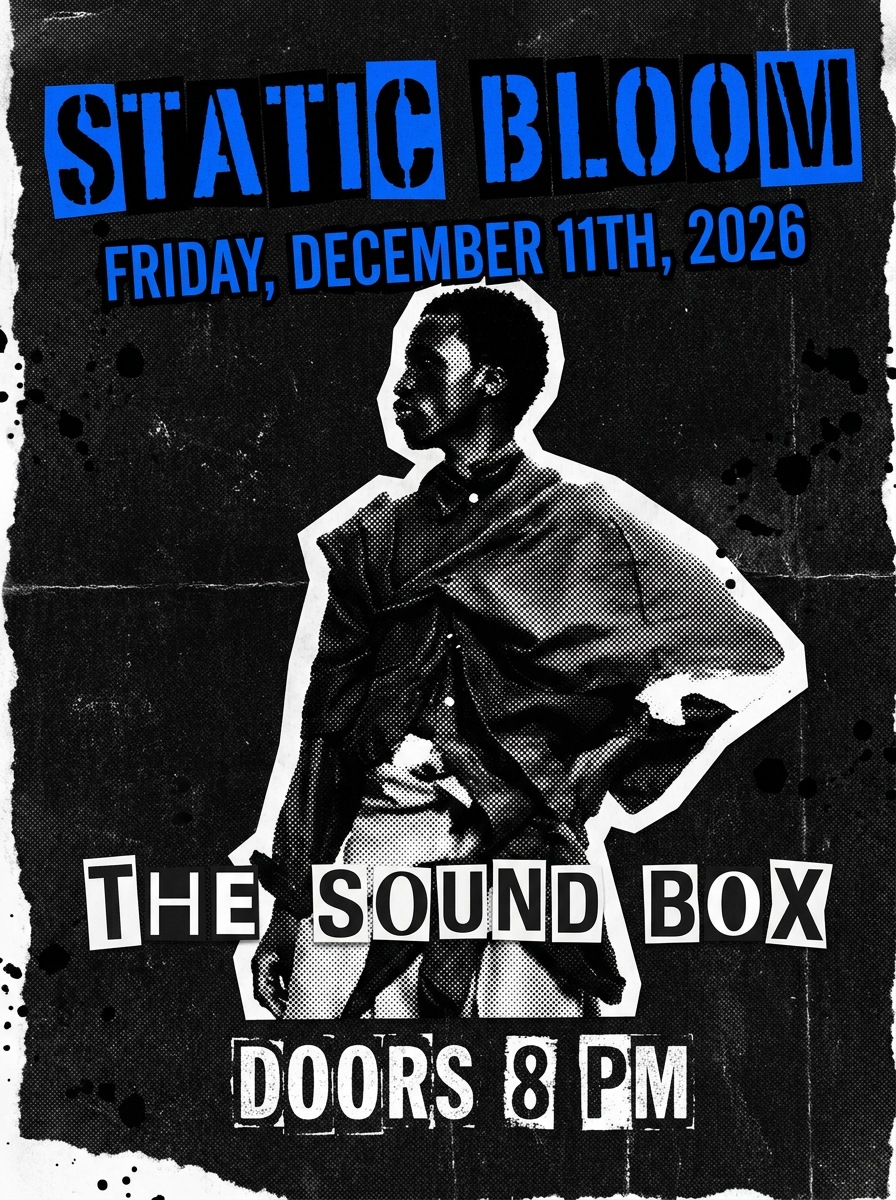
Promote your next music gig with a complete promotional kit that captures a raw, energetic, DIY punk aesthetic. This includes a main poster for printing and digital use, a square post for social media feeds, a vertical story for countdowns and reminders, and a small handbill for distribution. Just provide your band photo, name, gig date, and doors open time, and everything else is handled for you. The kit comes with a consistent look, ensuring all materials highlight your band and event details clearly. Perfect for bands, artists, or anyone promoting live music events online and offline.
Regenerate using your own assets.
Why a cohesive digital promo kit matters for your business
Small businesses often struggle to create professional marketing materials that look consistent across different platforms. Without a unified look for your flyers, service cards, and social media posts, your brand can appear disjointed or unprofessional. A cohesive digital promo kit ensures every piece of communication reinforces your brand identity, building trust and recognition with your audience. This consistency is crucial whether you're handing out physical flyers, emailing a service card, or posting on Instagram.
The challenge lies in designing multiple assets that share the same visual language, messaging, and call to action, all while adapting to the unique requirements of print and digital formats. Many businesses end up with a collection of mismatched materials, diluting their brand message and missing opportunities to make a strong impression.
Designing your core advertising flyer for print and digital
Your advertising flyer is often the first tangible piece of marketing material a potential customer encounters. For it to be effective, it needs a clear headline, a concise explanation of your offer, compelling visuals, and a strong call to action. When designing, consider both print and digital use simultaneously. For print, ensure high-resolution images and readable fonts. For digital, keep file sizes manageable and text scannable on smaller screens.
Start by defining your flyer's primary purpose: is it to announce a special offer, promote a new service, or drive traffic to your website? This focus will guide your content and design choices. Aim for a clean layout that directs the reader's eye through the most important information. Make your contact details or QR code prominent.
To generate a comprehensive set of promotional materials, including flyers ready for both print and social media, you can use a dedicated tool. Template: #myup-gig-promo-kit-for-social-media-and-print takes your business details and brand guidelines to produce a complete kit, ensuring your flyer is correctly formatted for various uses.
Crafting a professional service card that stands out
A service card is more than just a business card; it's a mini-brochure that highlights your key offerings. It needs to be clear, concise, and immediately convey the value you provide. Think about what your customers need to know at a glance: your service name, a brief benefit-oriented description, and how to book or learn more. Avoid clutter; white space helps readability.
For service cards, focus on a single, compelling image or icon that represents your core service. Use bullet points for easy scanning of features or benefits. Ensure your branding – logo, colors, and fonts – is consistent with your flyers and other materials. This reinforces professionalism and makes your card instantly recognizable. If you offer multiple services, consider creating a series of cards that maintain a consistent design but highlight different offerings. This approach helps you avoid overwhelming a single card with too much information.
Adapting your promo kit for social media platforms
Once you have your core flyer and service card designs, you need to adapt them for social media. Each platform has its own optimal image sizes and content preferences. An Instagram Story, for example, requires a vertical format, while a Facebook post might work best as a square or horizontal image. Directly posting a print-ready flyer to social media often results in poor readability and low engagement.
Repurpose your key messages and visuals. Extract compelling headlines, use strong call-to-action buttons, and ensure any text overlays are large enough to be read on a mobile device. Consider short, engaging captions that complement your visuals. The goal is to grab attention quickly and encourage a click or interaction. Tools that generate promo kits often include social media-ready variations, saving you the manual resizing and reformatting. This ensures your message looks great whether it's a print ad or an Instagram carousel.
For businesses looking to create dynamic social media content, exploring how to create cinematic AI product commercials can also provide inspiration for video elements in your digital kit.
Ensuring brand consistency across all your promotional materials
Brand consistency is not just about using the same logo; it's about maintaining a uniform look, feel, and message across all your marketing assets. This includes your color palette, typography, image style, and tone of voice. When every piece of your promo kit speaks the same brand language, it builds recognition and trust with your audience. Inconsistent branding can confuse customers and weaken your brand's impact.
To achieve this, start with a clear brand style guide. This document outlines all your brand elements. When creating new materials, refer to it to ensure adherence. When using AI tools, provide your brand guidelines as part of your input. This allows the AI to generate visuals and text that align with your established identity. This is particularly important for local service businesses where visual branding directly impacts customer perception, as seen in guides for creating realistic AI before and after visuals.
For a deeper dive into maintaining a unified brand presence across many variations, consider how to create 50+ on-brand ad variations with AI.
Preparing your promo kit for print and online distribution
The final step is preparing your promotional materials for their intended distribution channels. Print materials require specific settings: CMYK color mode, a resolution of at least 300 DPI, and often a bleed area to prevent white edges when trimmed. Always get a proof from your printer before a full run.
For online distribution, the requirements are different. Digital assets should be in RGB color mode, typically 72 DPI, and optimized for web use to ensure fast loading times. File formats like JPG or PNG are common for images, while PDFs are suitable for downloadable flyers or service cards. Ensure your digital files are accessible and clearly named for easy sharing. Whether you're distributing a minimalist product catalog PDF or a simple service card, proper preparation ensures your materials look their best and perform effectively wherever they are seen.
Keep going: Design and create a stunning minimalist product catalog PDF · How local service businesses create realistic AI before and after visuals · How to create hyperrealistic AI fashion editorials: a practical production guide