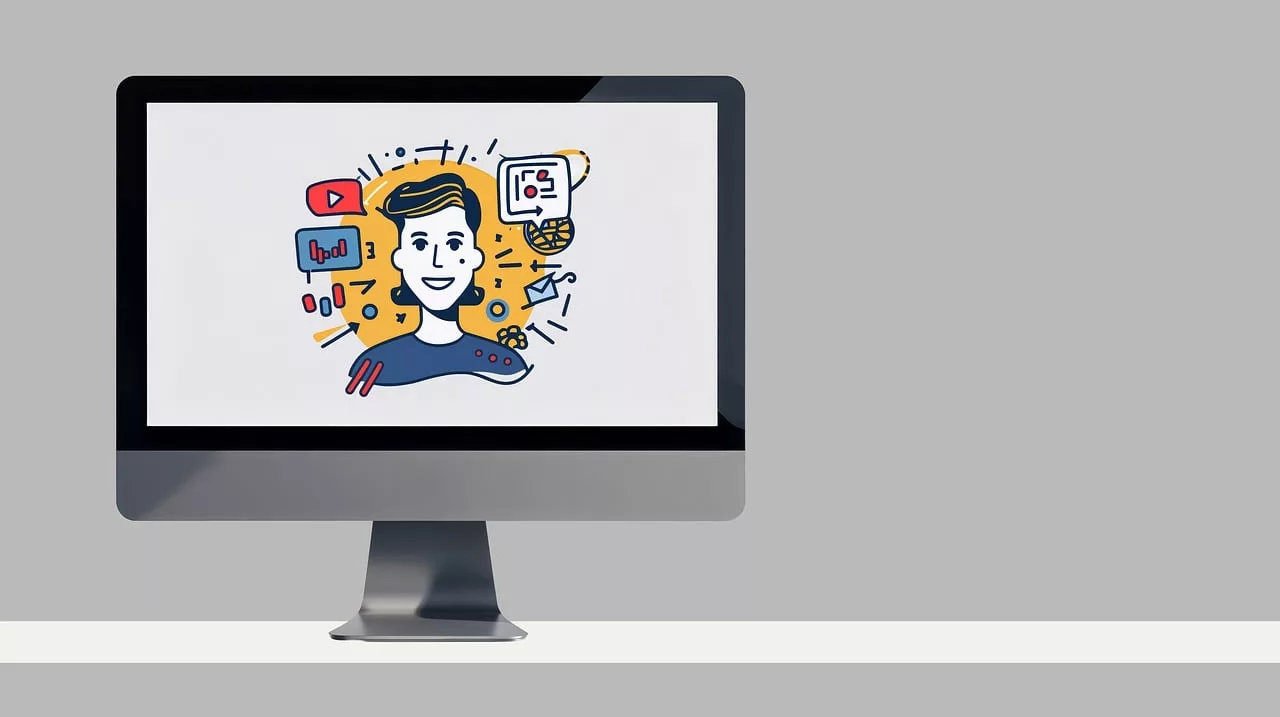
As of July 21, 2026, the game has changed. Synthesia’s launch of 'Express Avatars' means you can create a custom, photorealistic AI avatar of yourself with just a few minutes of webcam footage. The barrier to entry for creating a unique digital persona for your brand just vanished. This is a massive opportunity for marketers who want to move beyond generic stock avatars and build authentic connections.
But having a custom face is only the first step. A one-off video clip isn't a marketing strategy. If that avatar shows up in a different style, setting, or color palette every time, you aren't building a brand asset; you're just creating noise. The real challenge is consistency. This article provides the 4-step workflow to take your new avatar from a simple video file to a core part of your brand identity, managed and scaled through MyUP.ai.
Step 1: Treat your avatar like a brand, not a file
Before you generate a single social post or video ad, you need to define your avatar’s world. An avatar becomes a brand asset when it has a consistent visual identity. A single prompt can't manage this; a system can. This is where you establish the rules for how your avatar will appear, no matter the context.
In MyUP, this process starts with your Brandkit. Instead of just uploading a logo, you build a complete visual system for your avatar persona. This includes:
- Color Palette: The specific primary and secondary colors that appear in their clothing, backgrounds, and graphic overlays.
- Typography: The fonts used for any text that accompanies the avatar in visuals.
- Style Descriptors: Keywords that define the aesthetic. Is it 'minimalist and clean,' 'bold and energetic,' or 'corporate and trustworthy'?
- Environment Rules: The types of backgrounds they appear in. Are they always in a modern office, a creative studio, or abstract branded environments?
By defining this identity upfront in MyUP, you create a system of record. Every subsequent asset you create will automatically inherit these rules. This is the difference between hoping for consistency and engineering it. It’s about building a complete model sheet for your character, ensuring they are instantly recognizable everywhere.
Step 2: Place your avatar in on-brand worlds
With the avatar's brand identity established in your MyUP Brandkit, you can now start producing static assets at scale. This isn't about just pasting your avatar onto a background. It's about generating entire scenes where the avatar, the environment, and the style all adhere to the rules you've set.
For example, you can create a series of high-impact visuals for a social media campaign or a product launch. The workflow in MyUP ensures that whether you're creating a LinkedIn post, a website hero image, or a digital ad, the output feels cohesive. The user—you—validates the concept, and MyUP handles the production, applying your brand rules automatically.
Imagine you want to position your avatar as a thought leader in a high-end industry. Instead of a generic headshot, you can place them in a context that communicates authority and style. A template can execute this instantly.
Workflow code: #myup-yk1h-uqy8
High-End Editorial Fashion Magazine Cover
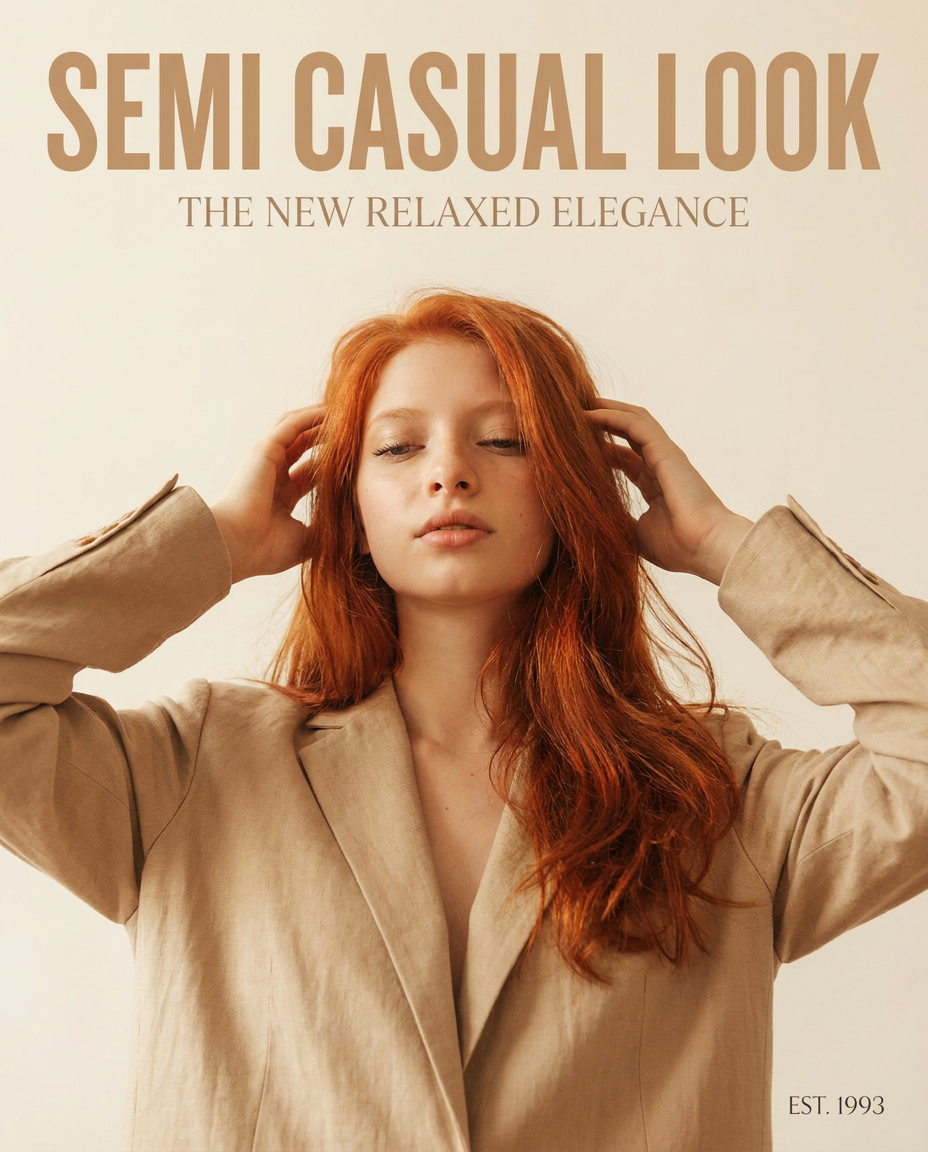
Drop in any portrait and turn it into a high-end editorial magazine cover. It frames your subject beautifully with relaxed, high-fashion posing and soft styling for a polished print aesthetic.
Regenerate using your own assets.
Step 3: Scale your avatar across an entire campaign
The true power of a workflow becomes clear when you need to deploy your avatar across multiple, diverse campaigns. A brand asset is only valuable if it's versatile. Your avatar might need to appear in a dynamic ad one day and a professional hiring announcement the next. Without a system, maintaining visual consistency across these different contexts is nearly impossible.
Because your avatar's persona is defined in your MyUP Brandkit, you can use different templates and workflows to generate assets for completely different goals, yet they will all feel like they belong to the same brand. The style, colors, and mood remain locked in, while the context changes to fit the campaign.
Let's say you need to generate visuals for a new sportswear line. You can use a workflow designed for dynamic, action-oriented ads. The same avatar, governed by the same brand rules, is now in a new world, but the brand's DNA is intact.
Workflow code: #myup-ywpr-rqz6
Professional Sportswear Ad
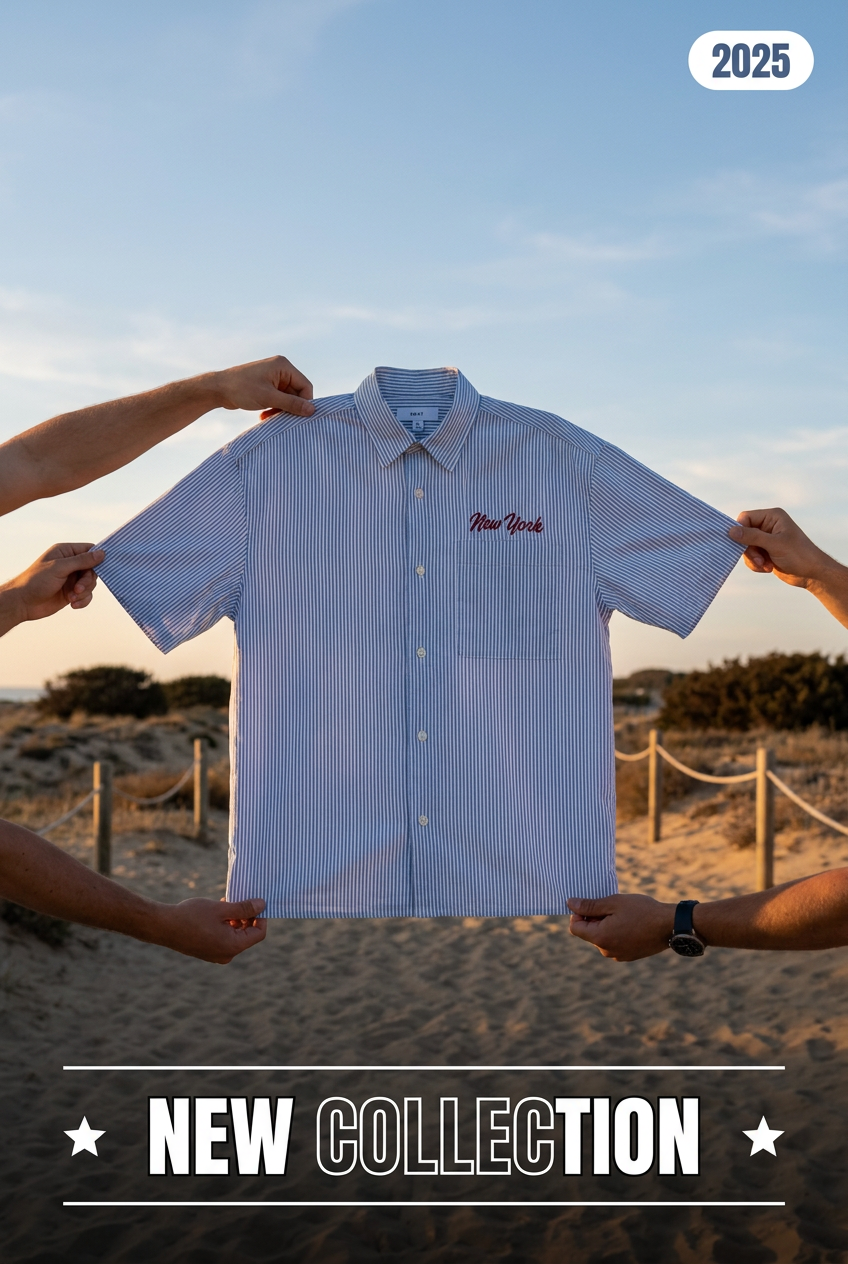
Suspends your apparel right in the center of a high-energy promo shot, held up by hands around the frame. It gives your shirts or jerseys a gritty, collaborative streetwear editorial look that feels alive and physical.
Regenerate using your own assets.
Now, what if the HR team needs to create a recruitment post? You can switch to a more corporate and professional template. The avatar's visual identity remains consistent, projecting the same brand values in a completely different scenario. This is how you achieve scalability without sacrificing brand integrity.
Workflow code: #myup-eiob-7tbc
Modern Hiring Poster
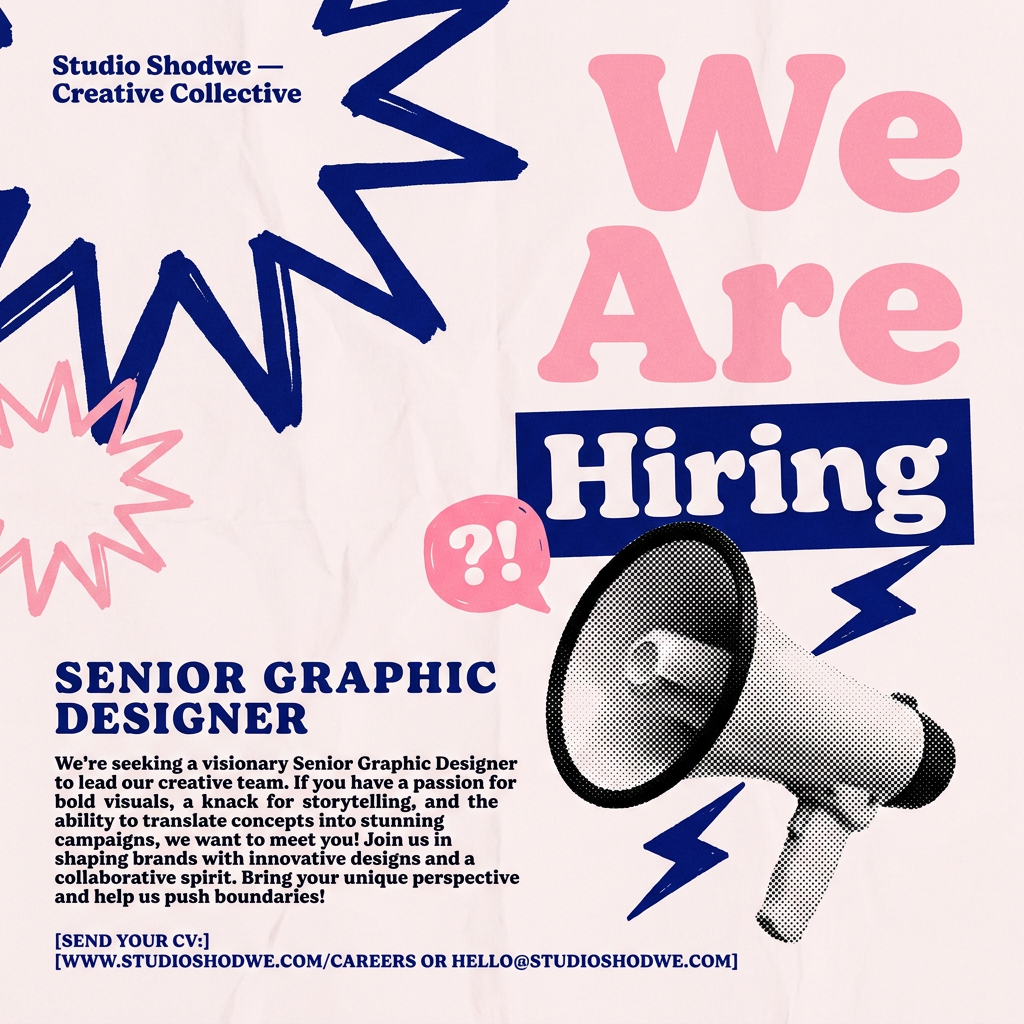
Turn your open roles into stylish social announcements. It sets your hiring details against a soft, textured paper background with clean, editorial typography. Perfect for giving your brand a polished, modern look when you're looking to hire.
Regenerate using your own assets.
Step 4: The final workflow for on-brand AI video
Now, let's bring it all back to video. While a tool like Synthesia is excellent for generating the core talking-head clip, that clip is just one element of a finished marketing video. A professional video needs branded intros, outros, lower thirds, title cards, and background visuals that all align with your identity.
This is where MyUP completes the workflow. Instead of scrambling to create these surrounding assets in another tool, you use MyUP to generate everything you need, all drawing from the same Brandkit that governs your avatar's persona. The result is a seamless, professional video where every frame is on-brand.
The complete workflow looks like this:
- Generate Avatar Clip: Use Synthesia's Express Avatars to record your script.
- Produce Brand Assets in MyUP: Use your Brandkit and MyUP workflows to generate all surrounding visual elements—backgrounds, title cards, animated text overlays, and even on-brand infographics or charts.
- Assemble and Edit: Combine your Synthesia clip and your MyUP-generated assets in your preferred video editor.
This workflow positions MyUP as the essential brand layer for your AI video production, ensuring that your custom avatar is always presented within a professional and consistent brand world.
Your avatar is an asset. Manage it that way.
The ability to create a custom AI avatar from your webcam is a powerful new capability for marketers. But a tool is not a strategy. The long-term value of your avatar isn't in a single video; it's in its ability to become a recognizable, consistent, and scalable representative of your brand.
This requires a shift in thinking: from one-off content creation to systematic brand management. An AI avatar should be treated like your logo—a core asset whose use is governed by a clear visual identity. MyUP provides the platform to define that identity with a Brandkit and execute it at scale with automated workflows. By doing so, you ensure every piece of content your avatar appears in builds brand equity, not just fleeting views.