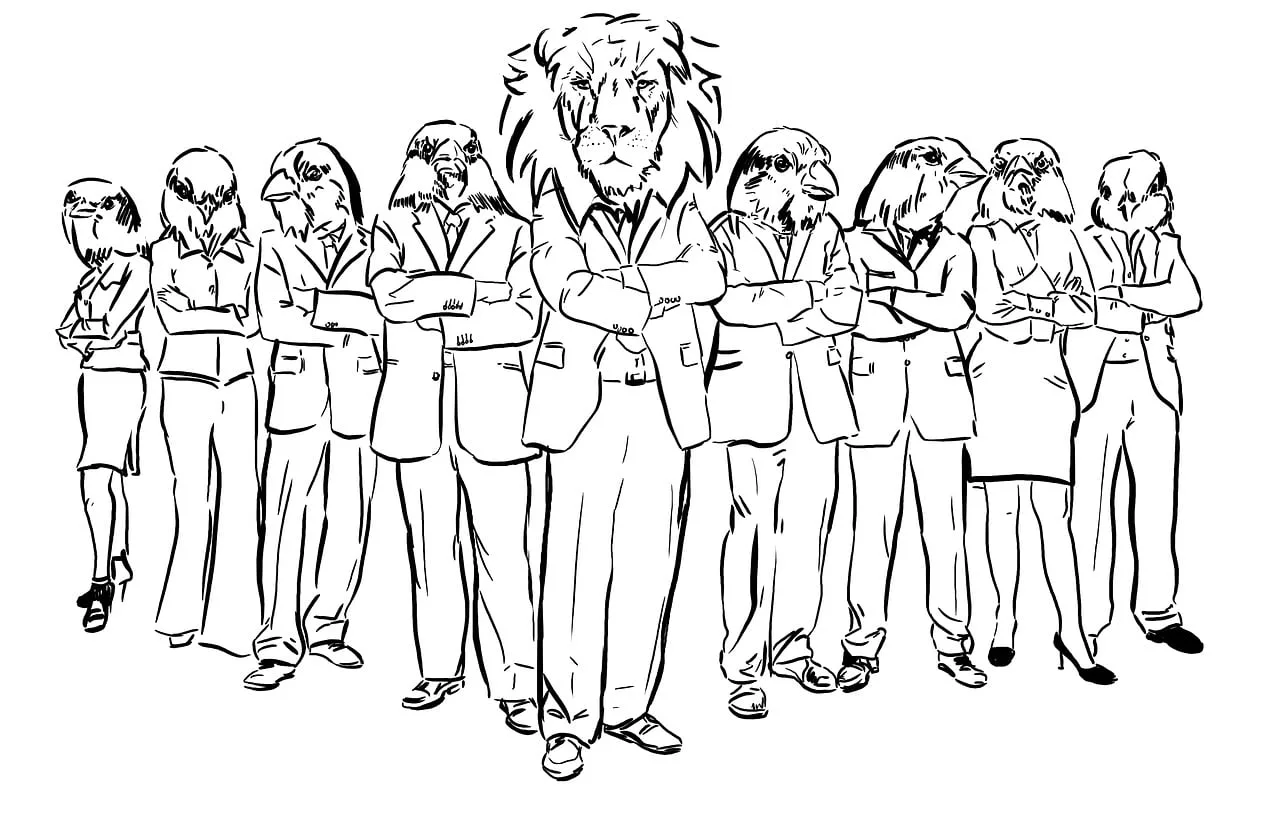
You’ve been there. You generate a stunning product shot with AI, crop it to a 9:16 vertical format, and upload it as an Instagram Story ad. It looks flat, empty, and completely out of place. The user scrolls past without a second thought. The problem isn't the image; it's the workflow. A raw AI image is an asset, not an advertisement. An effective Story ad is a composed piece of creative, designed for the vertical screen with clear visual hierarchy, typography, and branding.
Piecemeal workflows—generating in one tool, downloading, uploading to another for text, and then a third to add a logo—are slow, inefficient, and kill brand consistency. This guide details the professional, one-platform workflow in MyUP.ai to go from a simple prompt to a fully composed, on-brand, and placement-ready Instagram Story ad that is built to convert.
Why your AI-generated images fail as Instagram Story ads
An image generator's only job is to create an image. It has no concept of your ad's objective. It doesn't understand Instagram's UI 'safe zones,' where your headline will be unreadable behind a profile icon or a call-to-action button. It doesn't know your brand's typeface or where your logo should be placed for maximum impact. The result is almost always a visually appealing but commercially useless graphic.
Effective Instagram Story ads require intentional composition:
- Visual Hierarchy: The user's eye must be guided from the product, to the headline, to the call-to-action (CTA). A raw image has no hierarchy.
- Negative Space: You need planned empty space to overlay text and graphics without cluttering the core product visual.
- Brand Integration: Your logo, brand colors, and fonts are not afterthoughts. They must be integrated into the design from the start to build recognition and trust.
Simply resizing a square or landscape image into a vertical format ignores these principles. It leads to awkward crops, poorly placed subjects, and no room for the essential ad copy that drives action. You're not just creating a picture; you're designing a piece of communication for a very specific, fast-paced environment.
Step 1: Generate the core product visual with your brand's DNA
The foundation of a great ad is a great core visual. Instead of generating a generic image and trying to force your brand onto it later, the MyUP workflow starts with your brand identity. Before you even write a prompt, your MyUP Brandkit is loaded with your logo, color palette, fonts, and overall visual style. This means the AI doesn't just generate a 'product on a background'; it generates a product shot that already feels like it belongs to you.
In MyUP, you can generate a vertical product shot that is not only in the correct 9:16 aspect ratio but is also infused with your brand's aesthetic. The AI understands your style—whether it's minimalist, vibrant, dark, or rustic—and applies it to the composition, lighting, and mood of the image. This first step isn't just about creating a background; it's about producing a foundational asset that is already 80% of the way to a finished ad. For a deeper dive into this process, see our guide on professional workflows for on-brand product photography.
Step 2: Compose the placement-ready ad with a workflow
This is the step that separates a professional workflow from an amateur one. Once you have your on-brand core visual, you don't download it. You send it directly into a MyUP ad workflow. This is where the image becomes an ad.
A workflow is a series of automated steps that applies a pre-designed, format-aware template to your image. Your Brandkit kicks in again, automatically:
- Places your logo in the designated spot.
- Adds your headline and body copy using your brand fonts and colors.
- Applies graphical elements or overlays consistent with your campaign's look and feel.
The user—you—simply validates the output. MyUP handles the production, but you have full control to approve or adjust the final composition. This integrated system solves the fragmentation problem. Instead of juggling apps, you’re directing a single, cohesive process. For a clean, modern product ad, this workflow is the perfect starting point.
Workflow code: #myup-sygb-rhnt
Minimalist Vertical Product Advertising Poster
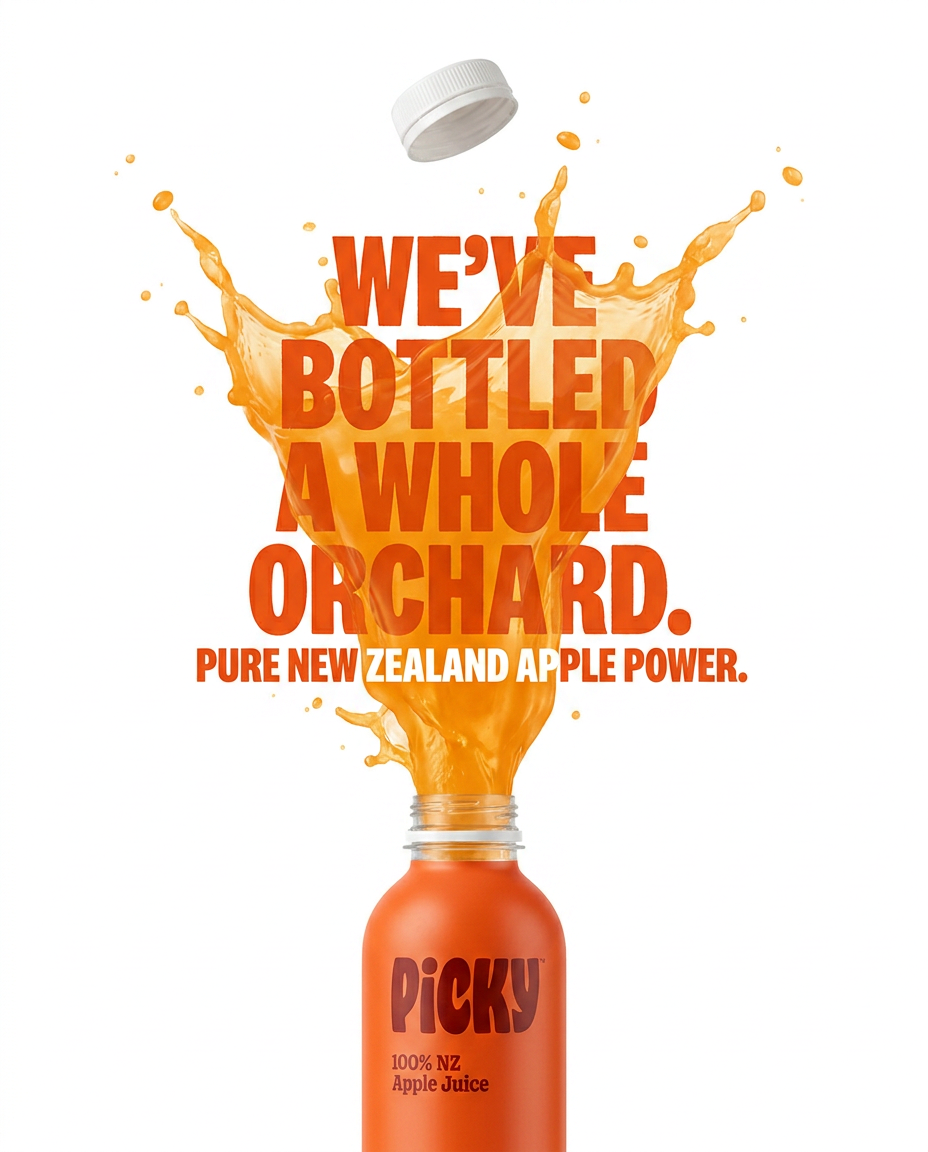
Drop the clutter and put your product in the spotlight. This setup places your item against a pure, seamless white background with a striking vertical flow that draws the eye straight up. It's perfect for creating clean, high-end studio posters.
Regenerate using your own assets.
Putting it into practice: Three ad workflows for any product
The power of this workflow lies in its repeatability and versatility. Once your Brandkit is set up, you can run product ideas through different ad templates to create variations for testing or to match different campaign goals. Here are two more examples for different product categories.
For a food or restaurant brand:
Food products need to look delicious and dynamic. A static shot won't do. This workflow is designed to create a vibrant, high-energy vertical ad perfect for a new menu item or a special offer. It composes the shot with movement in mind and uses bold typography to grab attention immediately.
Workflow code: #myup-fts6-4ihp
Vertical Gourmet French Fry Ad
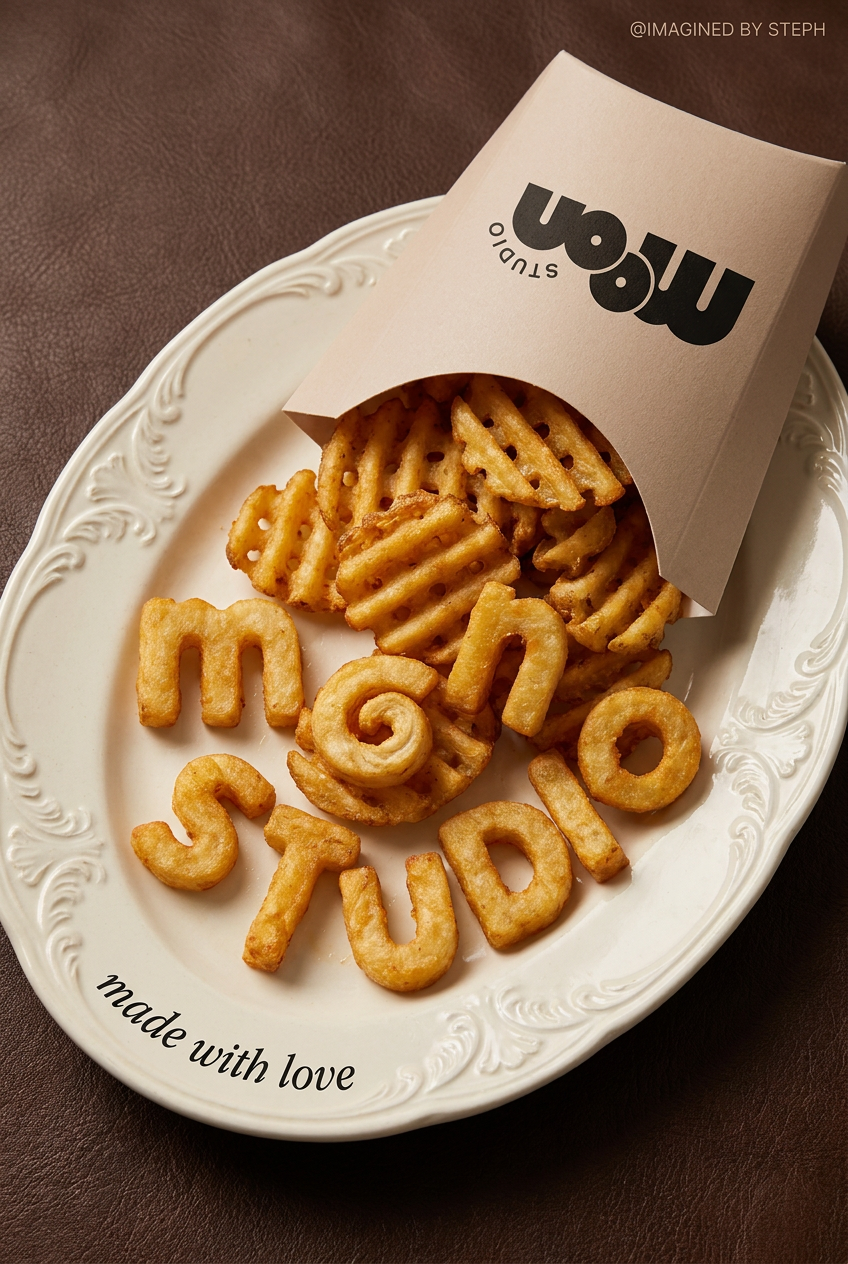
Transform your products into high-fashion editorial ads. This setup uses a dynamic diagonal layout and a slightly tilted overhead angle to give food and packaging incredible depth and texture. It's perfect for giving any brand a chic, premium look.
Regenerate using your own assets.
For an apparel or sportswear brand:
Apparel ads on Instagram Stories often focus on lifestyle and performance. This workflow generates an image with a human element and then applies a clean, professional ad layout. It ensures the product is the hero while creating an aspirational context, with text placement designed for clear messaging about features or benefits.
Workflow code: #myup-ywpr-rqz6
Professional Sportswear Ad
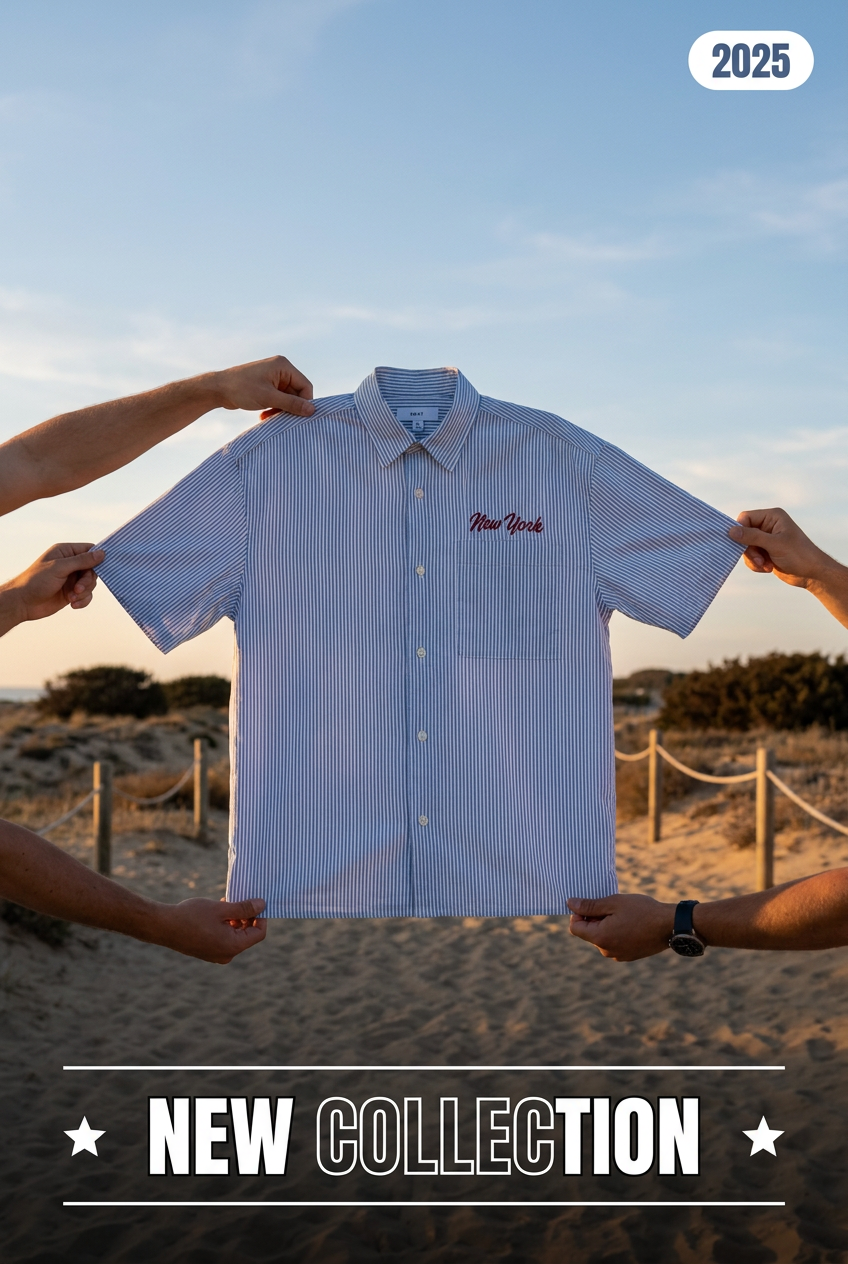
Suspends your apparel right in the center of a high-energy promo shot, held up by hands around the frame. It gives your shirts or jerseys a gritty, collaborative streetwear editorial look that feels alive and physical.
Regenerate using your own assets.
The one-platform advantage: From a single prompt to a full campaign
The market is full of single-feature tools—AI image generators, background swappers, simple logo placement apps. The real bottleneck for marketers isn't generation; it's the inefficient 'glue' required to connect these tools into a coherent, brand-consistent production line. Every download and upload is a point of friction and a potential loss of quality.
MyUP integrates the entire process. You generate an on-brand visual, apply a format-native ad template, and get a placement-ready asset in a fraction of the time. This isn't just about making one ad. It's about building a system where you can take a single product idea and instantly generate an entire campaign's worth of visual variations for A/B testing and different audience segments. This is how you scale content production without sacrificing brand integrity. You can see how this concept expands in our guide to creating a week's worth of social media visuals from a single prompt.
Stop generating images. Start generating ads. With an integrated workflow, you move from being a passenger in the AI creation process to being the director, ensuring every asset that goes out is on-brand, on-format, and on-message.