You spent hours getting the perfect AI character. You try to generate it again for a new social post, and... it's a different person. The eyes are wrong, the style is off. Your brand asset is gone.
This isn't just a creative frustration; it's a core business problem. And it's the single biggest challenge in AI content creation today. The entire industry is racing to solve it, from video platforms like Luma AI debuting consistent characters to open-source developers building complex 'Character LoRAs'. They all recognize that an asset you can't reliably reproduce is not an asset at all.
The solution isn't more complex prompts or hoping for a lucky roll. The solution is to move from amateur prompting to professional asset creation. This requires a system. Here is the workflow to build it.
Your AI character has an evil twin (and it's killing your brand)
When your AI-generated mascot looks different in every post, you're not building a brand; you're creating confusion. Brand recognition is built on repetition and consistency. If your audience sees a slightly different character every time, that connection never solidifies. The character fails at its primary job.
This is the default experience on most generative AI tools. You can write the most detailed prompt in Midjourney, get a fantastic result, and still have no guarantee you'll ever see that exact character again. Its digital twin might have wider eyes, a different texture, or a slightly altered color palette. This inconsistency makes it impossible to build a character into a reliable brand element for campaigns, merchandise, or social media.
Professionals use model sheets. Amateurs re-roll prompts.
In professional animation and game design, characters are never a one-off creation. They are systems, defined by a foundational document: the model sheet, or character bible. This is the single source of truth that shows the character from multiple angles (front, side, 3/4 view) with precise, consistent details, colors, and proportions. Every artist working on the project refers to this document to ensure the character looks the same in every frame and every scene.
This is the mindset we need to bring to AI generation. Instead of endlessly re-rolling prompts and hoping for consistency, we need to build our own character bible. The highly technical way to do this involves training a custom AI model, known as a LoRA (Low-Rank Adaptation), which requires a curated dataset and technical skill. It's powerful, but out of reach for most marketing and creative teams.
The accessible, no-code solution is to use a system that acts like a model sheet from the start. In MyUP, this system is the Brandkit.
The workflow: building your character's 'DNA' in a Brandkit
A MyUP Brandkit is your character's permanent source of truth. Instead of putting style details in a temporary prompt, you save them as a reusable asset. This is where you define your character’s core 'visual DNA'—the specific, non-negotiable traits that make it unique and ownable. By codifying these rules, you give the AI a clear and consistent set of instructions to follow for every single generation.
Your character's DNA should be a simple list of key descriptors. Here’s a sample structure you can adapt and save in your MyUP Brandkit's style guide:
Character DNA Example: 'Pip' the MascotOverall Style: 3D mascot character, minimalist design, simple geometric shapes.Material & Texture: Glossy vinyl toy texture, smooth surfaces, soft matte finish on accessories.Key Features: Large simple black dot eyes, no mouth, rounded teardrop body shape, small spherical feet.Color Palette: [MyUP automatically applies your saved brand colors].
By defining these elements once, you stop the AI from guessing. You are in control, telling the AI exactly how to render the core components of your character. This is the first step in creating a unique 3D character style that you actually own.
Step 1: Generate the canonical character model sheet
With your character's DNA saved in your MyUP Brandkit, you can now create the foundational asset: the model sheet. This will serve as your visual reference and prove the consistency of your system. The goal is to generate the same character in different standard poses.
In MyUP, you simply call on your Brandkit and ask for the specific views. The AI will automatically apply the DNA you defined.
Example prompts for a model sheet:
- "A 3D character model sheet of Pip, front view, full body, standing with a neutral expression, on a plain white background."
- "A 3D character model sheet of Pip, side view, full body, standing with a neutral expression, on a plain white background."
- "A 3D character model sheet of Pip, 3/4 view, full body, standing with a neutral expression, on a plain white background."
Because the Brandkit is providing the core instructions—vinyl texture, dot eyes, body shape—the character remains consistent across all three images. You now have a reliable, reusable asset.
Step 2: Deploy your character across any marketing asset
This is where the system pays off. Your character is no longer a random generation; it's a component you can deploy anywhere. You don't need to repeat the long list of DNA instructions in every prompt. The Brandkit handles it automatically. You just need to describe the new scene or context.
Want to feature your mascot in a social media post announcing a new product? Simply describe the scene and let MyUP place your character into it, maintaining perfect brand consistency. This workflow makes it simple to get started.
Workflow code: #myup-kbgo-tlle
Product Brand Post
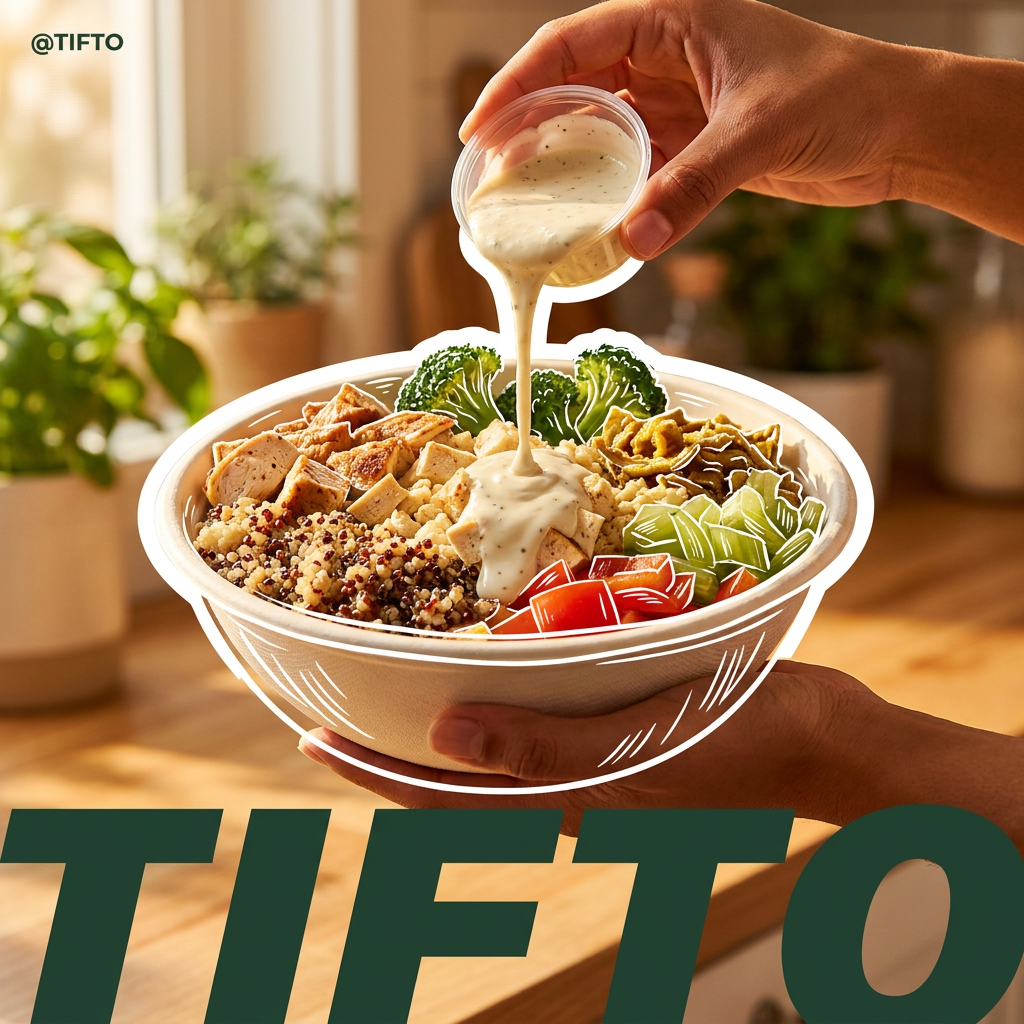
Drop in your product to generate a cohesive nine-post Instagram grid. It blends warm lifestyle photography and flat-lay packaging with bold hand-drawn doodles, collages, and urban billboard mockups. Everything automatically styles itself to your brand's colors.
Regenerate using your own assets.
The same logic applies to any other asset. You can create a full sticker pack for your brand's community or packaging, and every single sticker will feature the exact same character, just in different poses or with different expressions. MyUP executes the production; you just validate the results.
Workflow code: #myup-swqt-4zo3
Product Stickers
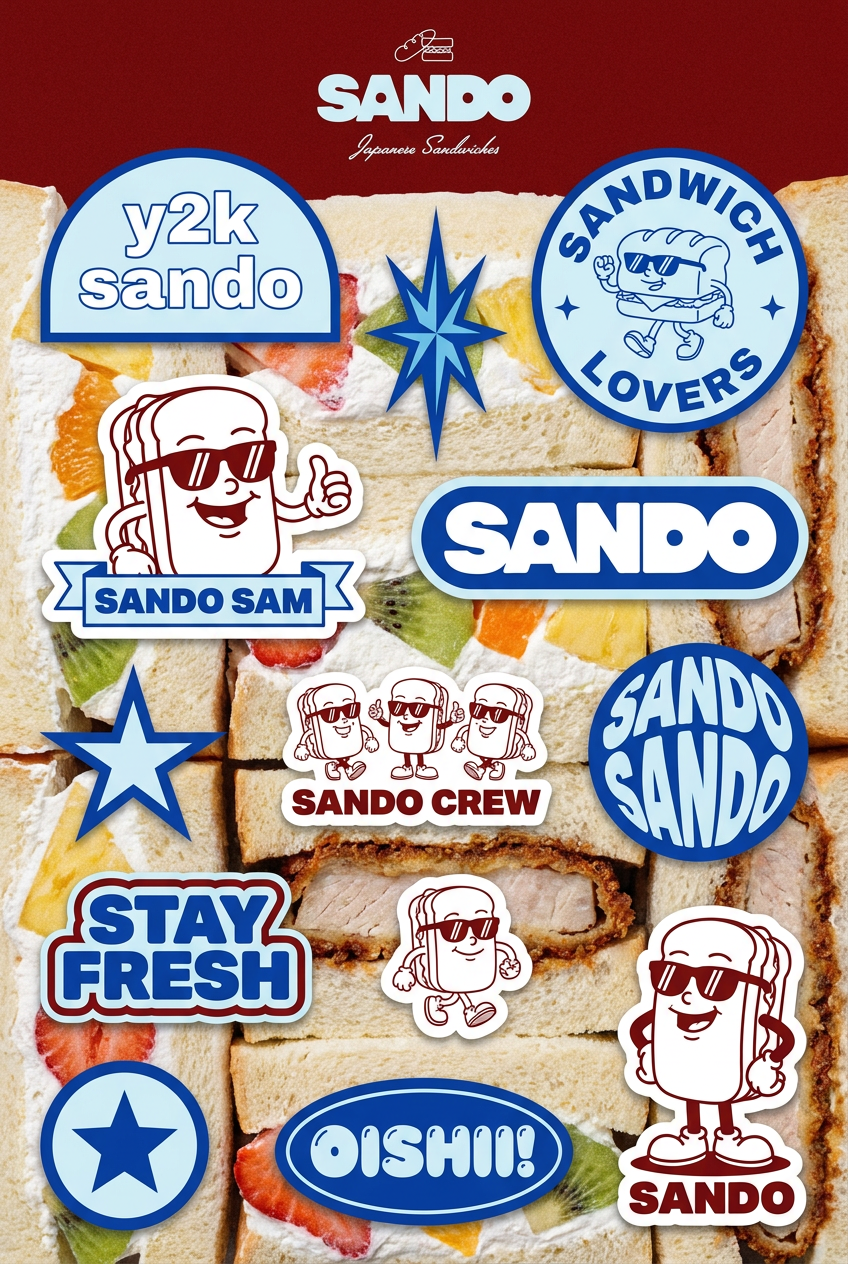
Turn your logo into a nostalgic, vibrant Y2K-style vertical ad. It automatically pulls your brand colors to create matching sweet treats like custom donuts or cupcakes in the background, giving you a super playful retro-pop aesthetic.
Regenerate using your own assets.
From 2D asset to 3D model: future-proofing your character
Building a consistent 2D character system is not just a solution for today; it's the foundation for tomorrow. A new wave of AI tools is emerging that can generate 3D models from a single 2D image. The biggest challenge for these tools is getting a clean, consistent input to work from.
A character model sheet created with the MyUP workflow is the perfect input for this next generation of technology. By providing a clear front, side, and 3/4 view of a visually consistent character, you give these 2D-to-3D models the best possible data to generate a usable 3D asset.
Stop thinking about one-off images. Start building a character system. By using a Brandkit as your single source of truth, you turn a fun AI creation into a strategic brand asset that is consistent, reusable, and ready for the future of content creation.