
With the launch of features like Ideogram Pro's 'style consistency' in July 2026, the promise of creating a series of visually aligned AI images feels closer than ever. You try it out, generating a few illustrations for a social campaign. The first one is perfect. The second is… close. By the fifth, you have a collection of 'cousins,' not siblings. The color palette is slightly off, the line weight has drifted, and the overall mood is different.
You're not doing it wrong. The tool is. Features that rely on reusing prompts or referencing a single image are just sophisticated hacks. They are not a system. For any brand, creator, or agency that needs to produce content at scale, these hacks are a frustrating waste of time. True consistency doesn't come from a better prompt; it comes from giving the AI a permanent set of rules it can't ignore.
The consistency trap: why prompts and reference images will always fail you
The core problem is that most AI image generators have no memory. Every time you hit 'generate', it's starting from scratch. Adding 'in the style of a vintage comic book' to a prompt is just a suggestion. The AI interprets that suggestion differently each time based on its training data and a degree of randomness. It has no persistent understanding of what 'your brand's version' of that style looks like.
This leads to common, high-stakes failures:
- The Wandering Mascot: You generate a brand mascot for your new coffee brand. In the first image, it's perfect. When you try to generate it again holding a different product, its eyes are a different shape and its fur has a new texture. It's unusable as a brand asset.
- The Broken Narrative: You're creating a short comic strip for a marketing campaign. The main character looks great in panel one, but by panel three, her hairstyle has changed and her jacket is a different shade of blue. The story is broken before it even begins. Getting this right requires a dedicated workflow, not just a feature. You can learn more about this in our guide to creating consistent AI characters.
- The Incoherent Campaign: For a week-long product launch, you need five illustrations with the same minimalist, flat vector style. You end up with five images that look like they were sourced from different stock photo sites, undermining the professional look of your campaign.
Features like Adobe's Structure Reference or Gemini's Style Drop are steps in the right direction, but they solve the wrong problem. They can replicate a layout or a general texture, but they can't enforce a comprehensive brand identity. Relying on them is like asking a new designer to recreate your brand's look from memory every single day. Eventually, they'll get it wrong.
The real fix is a system, not a suggestion
At MyUP, our view is simple: Style isn't a word you add to a prompt. It's a system of rules. If you don't define the rules, the AI will guess, and it will always guess differently. The only way to guarantee consistency is to stop prompting for style and start building a system that enforces it.
This is what a Brandkit does in MyUP. It's not a prompt; it's your brand's visual DNA, saved permanently. It's a central source of truth that every AI generation consults before it even begins. It tells the AI:
- These are my exact brand colors. Use these hex codes, and no others.
- This is my brand font. Apply it when text is needed.
- This is my logo. Integrate it correctly.
- These are the rules of my visual style. This is what 'minimalist vector' means for me: 'flat shapes, no gradients, clean outlines, limited color palette'.
When you operate from a Brandkit, you shift from hoping for a lucky result to directing a predictable process. The user validates the output, but MyUP handles the production according to the rules you've already set.
Step 1: Define your illustration style's DNA in a Brandkit
Creating this system in MyUP is straightforward. Instead of trying to cram your entire visual identity into a text prompt, you build it once. In your MyUP workspace, you can create a Brandkit by simply providing your website URL. MyUP automatically extracts your logo, color palette, and fonts.
From there, you refine the 'Style DNA'. This is where you codify the rules of your illustration style. Go beyond generic terms. Instead of just 'retro', define it: '1970s-inspired illustration, grainy texture, warm and faded color palette, bold and rounded typography'.
This Brandkit now acts as a permanent, non-negotiable input for any content you create. It's your style, locked in. You've taught the AI your brand's rules, so you never have to repeat them in a prompt again.
Step 2: Generate a series of on-brand illustrations with one click
With your Brandkit saved, the magic happens. You no longer need to write complex prompts to coax the AI into consistency. You can now use simple workflows that automatically apply your Brandkit to any new request.
Imagine you need a set of minimalist illustrations for a new product feature announcement. Instead of wrestling with prompts for each one, you can run a workflow that takes a simple input—like 'an illustration of a user tapping a smartphone'—and automatically produces it in your exact brand style.
This workflow for a minimalist poster is a perfect example. It's designed to take your core idea and apply a clean, modern aesthetic, but when connected to your Brandkit, it produces an asset that is unmistakably yours.
Workflow code: #myup-sygb-rhnt
Minimalist Vertical Product Advertising Poster
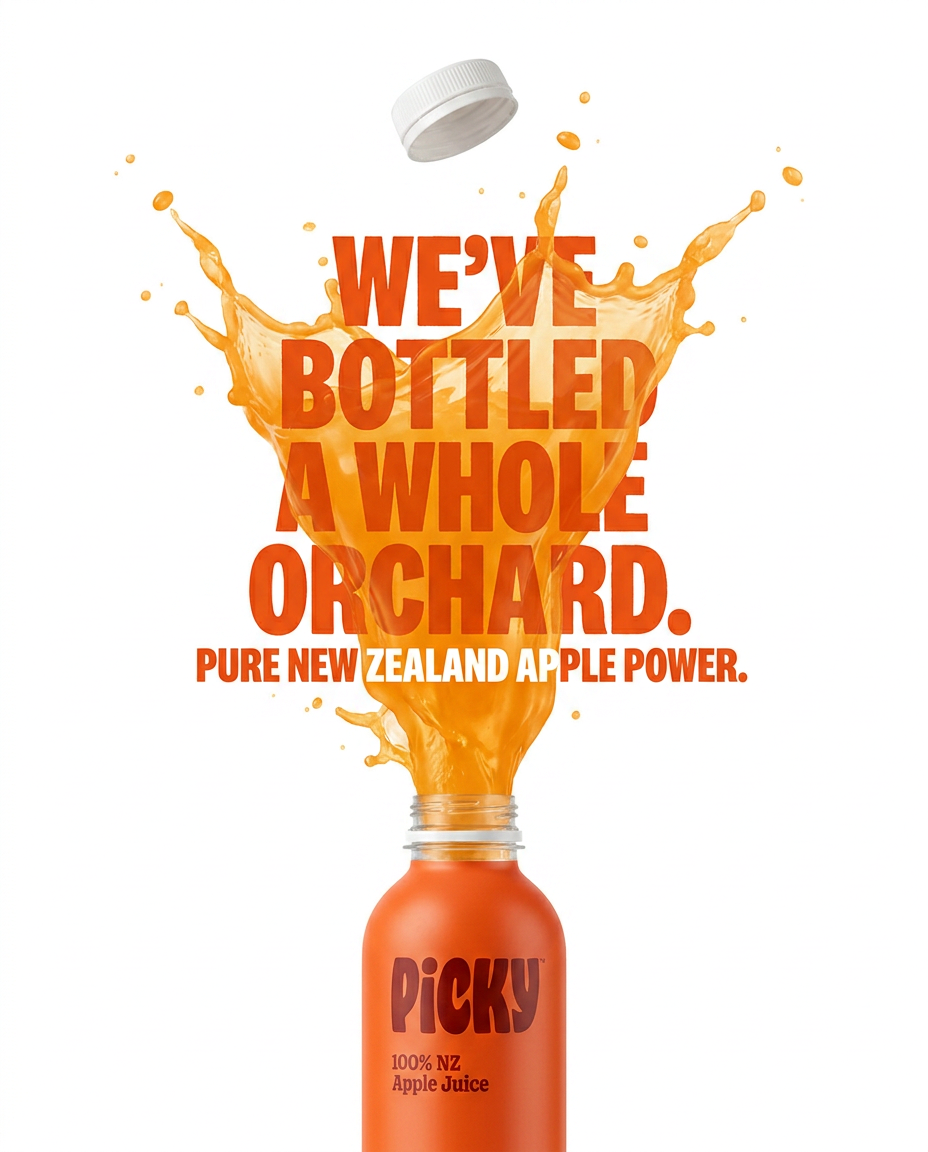
Drop the clutter and put your product in the spotlight. This setup places your item against a pure, seamless white background with a striking vertical flow that draws the eye straight up. It's perfect for creating clean, high-end studio posters.
Regenerate using your own assets.
Workflow code: #myup-k4td-9k6z
Minimalist Poster
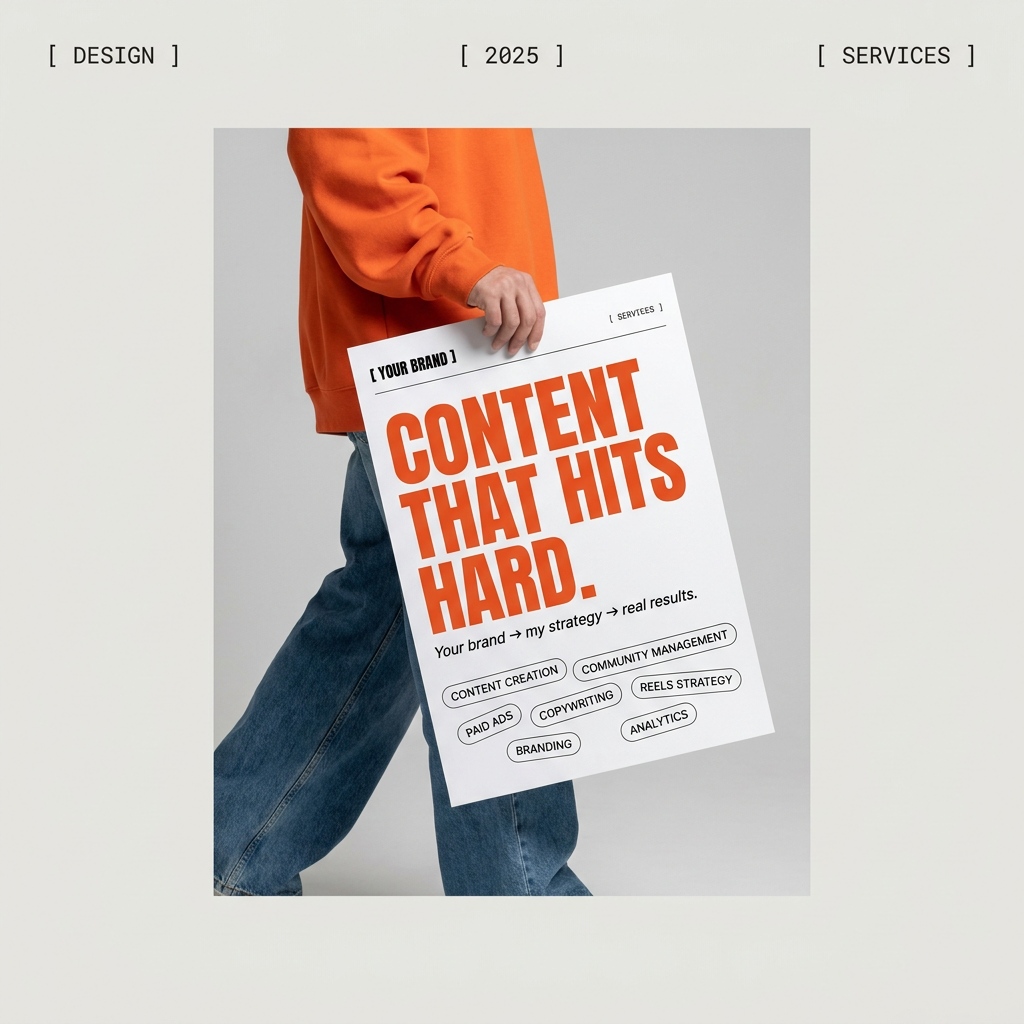
Give your social feed a clean, gallery-like aesthetic. This layout frames your images with structured mono typography and soft, neutral backgrounds for a high-end editorial look. It's perfect for minimal product launches or brand announcements.
Regenerate using your own assets.
Put your style to work: from illustrations to campaign assets
A true brand system is versatile. Your illustration style shouldn't be trapped in one format. A Brandkit allows you to apply your visual DNA across completely different types of assets, ensuring a cohesive customer experience everywhere.
The same Brandkit that governs your simple vector icons can be used to create a rich, stylized advertising poster. The core rules—colors, fonts, mood—remain the same, but the execution is tailored to the specific task by a workflow.
Need a bold announcement for an upcoming webinar? This retro event poster workflow can pull from your Brandkit to create something eye-catching but still on-brand.
Workflow code: #myup-xbur-hzoi
Bold Retro Yellow Event Poster
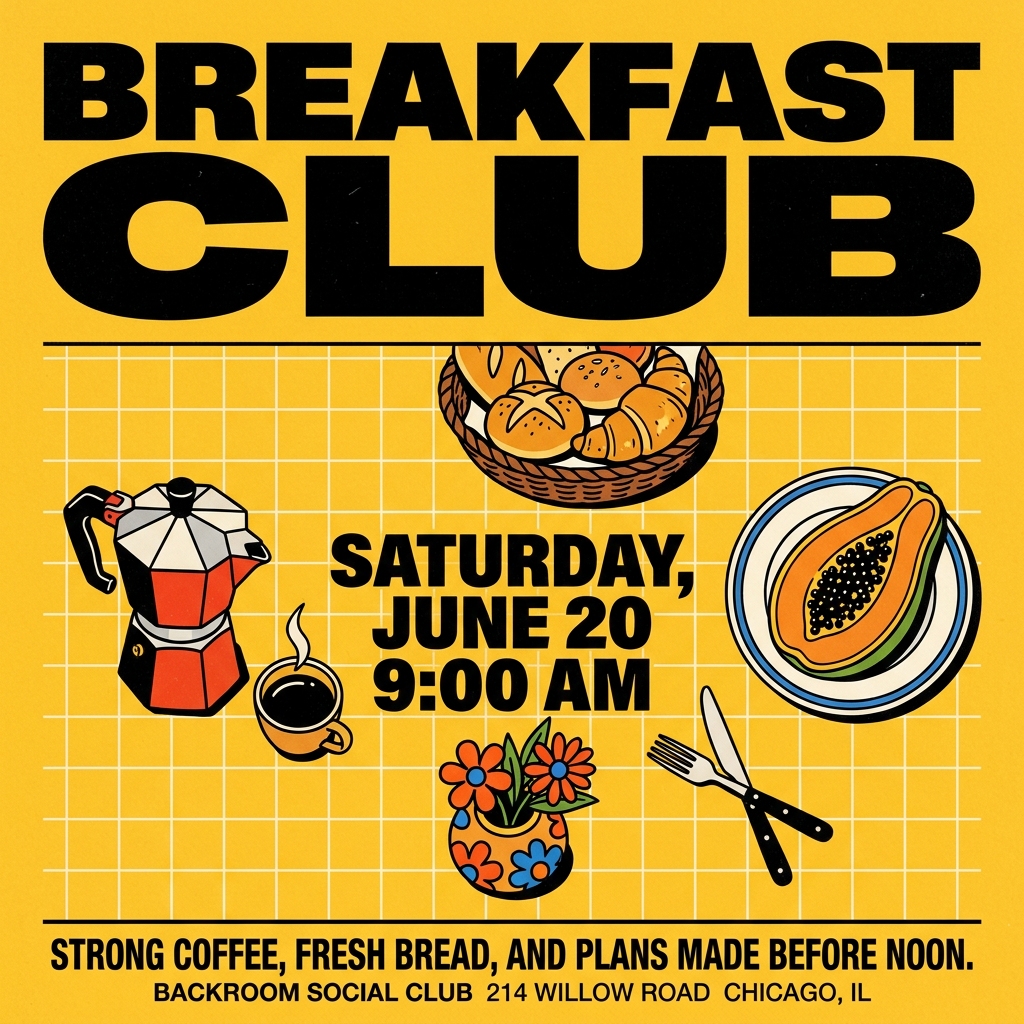
Turn your branding or event details into bold, nostalgic posters. It blends vibrant warm backdrops with a clean, retro square grid pattern to make any announcement look like a classic piece of mid-century graphic design.
Regenerate using your own assets.
Launching a new menu item or food product? A workflow for a retro food advertisement can apply your brand's unique spin to a classic style, ensuring it feels like part of your world, not a generic template.
Workflow code: #myup-1hgd-9oz5
Retro Style Food Advertising Poster
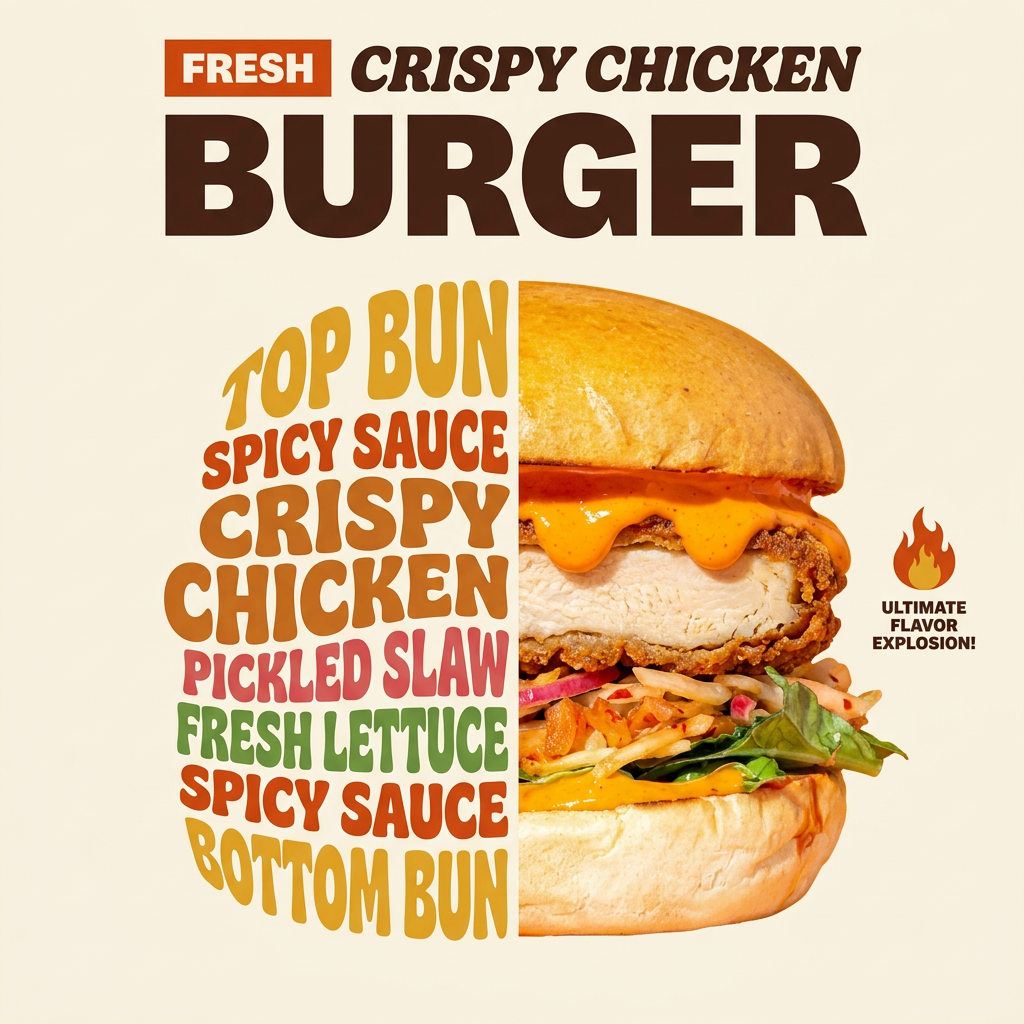
Turn any food product shot into a bold, nostalgic retro advertisement. It drops your item onto a warm cream background and automatically frames it with a color-matched header badge for that classic mid-century print ad look.
Regenerate using your own assets.
In each case, you're not re-prompting the style. You're simply telling the workflow what to make, and it automatically consults your Brandkit to figure out how to make it. This is how you scale content production without sacrificing brand integrity.
Stop tweaking prompts. Start building a brand.
The quest for a consistent AI illustration style ends when you realize that prompts are the problem, not the solution. Chasing the perfect string of words is a game of chance. For serious creators, marketers, and brands, consistency isn't a 'nice to have'—it's a requirement. It builds trust, recognition, and professional credibility.
Stop leaving your brand identity up to the AI's daily mood. Define your rules, codify your style in a MyUP Brandkit, and start generating visuals with the confidence that every single one belongs to you. That's not just better prompting; it's building an automated brand system.