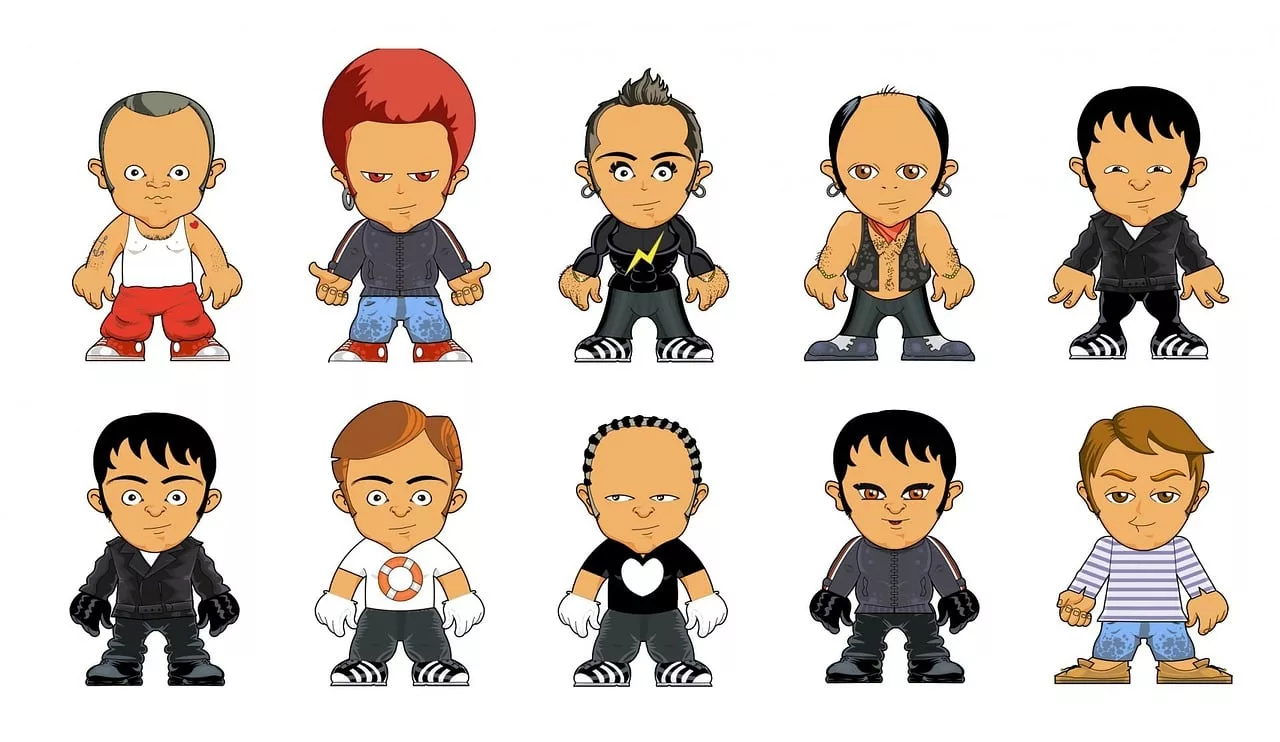
You saw the news in late June 2026. Midjourney updated its `--cref` character reference feature. Ideogram launched its own 'Character' tool. For a moment, it seemed like the biggest headache in AI image generation—character consistency—was finally solved. You tried it, referencing an image of your new brand mascot. The face was perfect. Then you tried a new scene, and the mascot’s branded t-shirt morphed into a plain polo. The next one gave it a different shirt entirely.
This is the exact gap between a cool feature and a professional tool. Facial recognition is a step forward, but for a brand, the character is the *entire* package: the face, the specific clothing, the brand colors, the accessories. When those details change randomly, the asset is unusable.
The brand mascot problem: why 'character reference' isn't enough
A brand mascot isn’t just a recurring face; it's a consistent visual asset. Its value comes from being instantly recognizable in every context. When an AI tool maintains the character's face but randomizes their outfit, it breaks the illusion and dilutes the brand identity you're trying to build. This is the core limitation of prompt-based reference features: they are good at replicating textures and facial structures but have no concept of your brand's specific visual rules.
For a social media campaign, you might need a dozen images of your mascot: celebrating a holiday, showcasing a product, reacting to a meme. If you have to manually edit the clothing and colors in every single image, you’ve lost the efficiency AI was supposed to provide. True consistency requires a system, not just a reference parameter. It demands a workflow that locks in the character’s entire DNA—visual and conceptual—and makes it reusable on demand.
The workflow: building a reusable character 'seed'
Instead of chasing the perfect prompt or relying on a single feature, the solution is to build a foundational asset for your character—a 'character seed'. This seed combines a strong visual reference with a detailed master prompt, which are then saved into a reusable workflow. This approach moves the creative work upfront, allowing you to define your character once and then deploy them infinitely with predictable, on-brand results. The user—you—validates the core design, and MyUP handles the repetitive production.
The process has two main parts:
- Create a 'Model Sheet': Generate a definitive visual reference of your character from multiple angles. This becomes the ground truth for all future images.
- Build a Reusable Workflow: Combine the model sheet with a master prompt and your Brandkit in a saved MyUP workflow that can be run again and again for different scenarios.
Step 1: Generate your character's 'model sheet'
A model sheet, or character turnaround, is a technique from traditional animation that shows a character from the front, side, and back. For AI, this provides a much stronger visual reference than a single, posed image. It gives the model a comprehensive understanding of the character's volume, proportions, and clothing design.
To create one, use a detailed prompt focused on creating a reference sheet. For example:
Character model sheet for a friendly, minimalist robot mascot named 'Socket'. Show multiple angles: front view, side view, 3/4 view. The robot is white and orange, wearing a black t-shirt with a simple gear logo. Clean vector art style, plain white background, high detail, consistent design across all views.
Generate until you get a sheet that perfectly captures your mascot. This image is now your 'seed'. It's the most important asset you'll create, the visual anchor for every image that follows.
Step 2: Put your mascot to work in on-brand scenes
With your model sheet saved, you can now build your reusable production workflow. In MyUP, you can create a workflow that uses your model sheet as a permanent image reference, combines it with your Brandkit (for colors, fonts, and logos), and leaves a single field for the new 'scene' or 'action'.
For example, you can now place your mascot next to your products consistently. Instead of starting from scratch, you run a workflow that already knows what your character and brand look like. You just provide the context. This is how you scale from a character design to a full campaign. The workflow below is designed for exactly this purpose.
Workflow code: #myup-kbgo-tlle
Product Brand Post
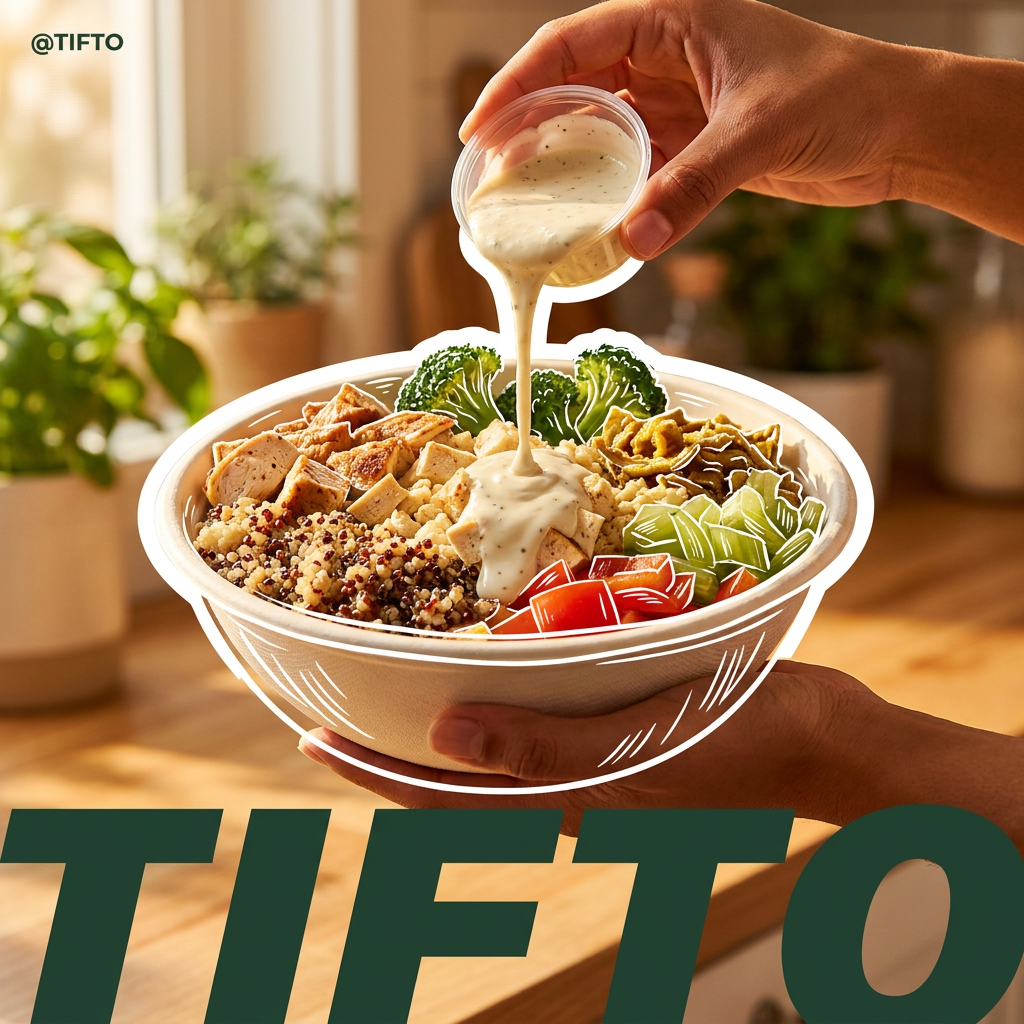
Drop in your product to generate a cohesive nine-post Instagram grid. It blends warm lifestyle photography and flat-lay packaging with bold hand-drawn doodles, collages, and urban billboard mockups. Everything automatically styles itself to your brand's colors.
Regenerate using your own assets.
Step 3: Create consistent branded merchandise and apparel
Here is where a workflow-based system definitively outperforms single-feature tools. The biggest complaint about `--cref` is its inability to maintain consistent clothing. A MyUP workflow connected to your Brandkit can solve this directly. The Brandkit contains your approved logos and brand elements, and the workflow can be instructed to apply them to your character's apparel.
Imagine you need your mascot, 'Socket', to wear a t-shirt featuring your official brand logo for a new promotion. A simple prompt is unreliable. But a workflow designed to pull your logo from the Brandkit and place it on the character's clothing will execute it correctly every time. This gives you precise control over the exact details that make a character feel like a true part of your brand.
Workflow code: #myup-3sro-edbt
Brand Clothes Post

Turn any outfit photo into a high-end fashion promo poster. It centers your subject in a full-body shot against a dark, dramatic studio backdrop, perfectly cropped for social feeds. It gives your apparel a moody, editorial look instantly.
Regenerate using your own assets.
From a single image to a full campaign, without starting over
Your saved character workflow is now a production asset. You no longer need to copy-paste long, complex prompts or chain multiple tools together. Need an image of your mascot for a holiday post? Run the workflow and type 'celebrating New Year's Eve'. Need a visual for a blog post? 'sitting at a desk, writing on a laptop'. Each output will be consistent in character design and brand style.
This is the difference between one-off generation and building an automated content system. It allows you to produce a high volume of diverse, on-brand creative without the massive overhead of re-creating the core asset every time. This approach is fundamental to scaling your visual content, whether you're creating a complete social media campaign or just need a quick spot illustration. The workflow below, for example, can be adapted to place your mascot within any product shot you need.
Workflow code: #myup-gxue-opd0
Product Post
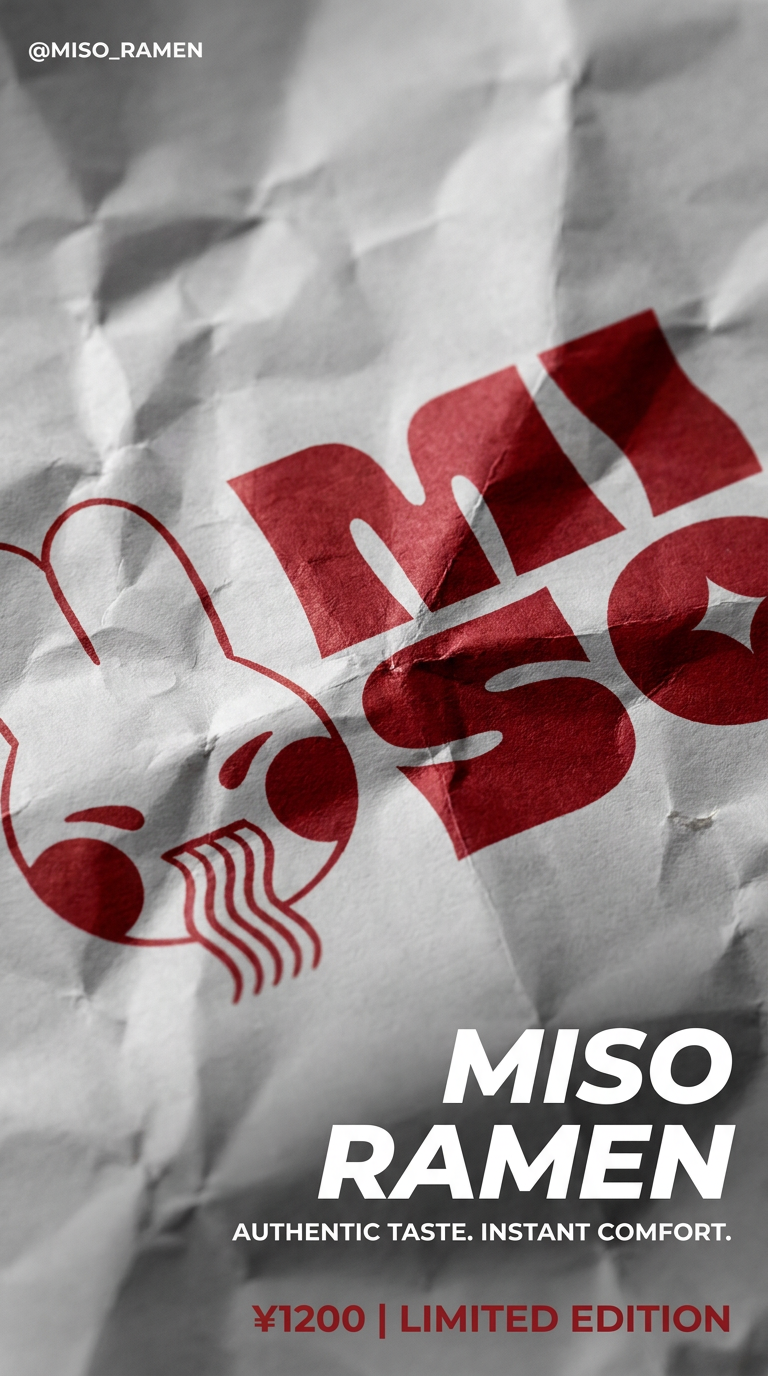
Turn a single product shot into a cohesive six-part Instagram story campaign. It mixes tactile crumpled paper textures with bold, stacked typography and custom mascot spots in your brand's signature colors.
Regenerate using your own assets.
Stop chasing prompts, start building a system
Character consistency isn't a trick you learn; it's a system you build. While features like Midjourney's `--cref` and Ideogram's 'Character' are useful for hobbyists, they lack the control and reliability required for professional brand management. A brand mascot cannot have a 'suggestion' of what to wear; it must wear the right thing, every time.
By investing a small amount of time to create a character 'seed' and save it within a reusable workflow, you move from hoping for a good result to commanding one. This is the foundation of a scalable AI content strategy: define your brand and characters once, then deploy them effortlessly across all your marketing channels.