The idea of an 'AI agent' that automatically runs your social media is everywhere right now. You give it a goal, and it generates ideas, writes copy, creates visuals, and schedules a month of content. It’s a compelling vision, but for most marketing teams, the reality of building and managing these autonomous agents is still complex and code-heavy, often sacrificing creative control for automation.
But what if you could get the primary benefit—a complete, multi-format visual campaign from a single idea—without the complexity? That’s not a far-off concept; it’s a practical workflow you can run today.
Instead of a hands-off agent, you use a structured workflow that takes one creative brief and automatically generates every visual asset you need, all while enforcing your brand's identity. This is the 'one-to-many' production method. Here is a workflow that does exactly that for a product advertisement campaign.
Workflow code: #myup-j6sp-glnw
Fruit Advertisement Campaign
Drop your product straight into a lush, hyperrealistic pile of fresh sliced fruit. It takes your clean product shot, blends it into rich organic textures, and generates a premium, slow-motion falling animation ready for a luxury cosmetic or food ad.
Regenerate using your own assets.
The real cost of creating 'one post at a time'
For most social media managers, the default process is asset-by-asset. You have a great idea for a campaign. First, you create the 1:1 square image for your Instagram grid. Then you open a new canvas and start reformatting it for a 9:16 Story. Then another for a 4:5 portrait post. Then another for LinkedIn.
Each adaptation is a series of small, repetitive tasks that kill efficiency and introduce brand risk:
- Time Drain: The constant resizing, cropping, and repositioning of elements across different aspect ratios is a production bottleneck. It’s low-value work that consumes hours that could be spent on strategy.
- Brand Inconsistency: With every manual adjustment, the risk of error increases. A slightly different hex code, the wrong font weight, or an off-center logo. These tiny deviations accumulate, slowly eroding the visual consistency that builds brand recognition.
- Creative Burnout: The core campaign idea gets diluted by the mechanical process of adaptation. Your focus shifts from 'is this a great concept?' to 'did I export this PNG correctly?' This manual grind is the enemy of creative momentum.
Thinking in 'posts' forces you into a reactive cycle. Thinking in 'campaigns' allows you to be strategic, but the traditional tools haven't made it easy to execute that way. This is why a workflow approach is so effective—it automates the execution so you can stay focused on the core idea.
How the 'one-to-many' campaign generator works
A workflow-based AI campaign generator isn't a black box. It’s a logical system with three core components that work together to turn a single input into a complete set of on-brand outputs. Understanding this structure is key to taking control of your content production.
1. The Single Creative Brief
Everything starts with one central input. This is your campaign's source of truth. Instead of writing a dozen slightly different prompts for a dozen different assets, you write one clear, comprehensive brief. This brief defines the campaign's subject, style, mood, and key elements. The workflow then uses this same brief for every asset it generates.
2. The Central Brandkit
This is the component that ensures perfect consistency. A MyUP Brandkit is a saved visual identity—your brand's specific colors, fonts, logo, and overall aesthetic style—built once from your website URL. When the workflow runs, it doesn’t guess at your branding. It automatically applies your saved Brandkit to every single image, post, and video it creates. Your primary font is always correct. Your logo is always placed perfectly. Your color palette is always enforced.
3. Parallel Output Branches
Here’s where the automation happens. The workflow takes the single brief and the central Brandkit and feeds them into multiple, parallel generation paths. Each path, or 'branch,' is pre-configured for a specific output format.
- Branch A: Generates a 1:1 square image for Instagram/Facebook.
- Branch B: Generates a 9:16 vertical image for Stories/Reels covers.
- Branch C: Generates a 4:5 portrait image for feed posts.
- Branch D: Generates a 16:9 landscape image for X/LinkedIn.
The result is a complete set of campaign visuals, all derived from the same creative core and all perfectly consistent with your brand identity, generated in a single run.
A step-by-step guide to generating your first campaign
Let's translate the theory into practice. Here’s how you can use a MyUP workflow to generate a multi-format campaign for a new product.
Step 1: Define Your Campaign ConceptStart with your core idea. For this example, let's say we're launching a new skincare product. The concept is: "A minimalist studio product shot of our serum bottle, surrounded by fresh, dewy botanicals, with clean morning light."
Step 2: Choose a Campaign WorkflowInstead of starting from scratch, you can use a pre-built workflow designed for this purpose. The 'Product Brand Post' template is a great starting point for creating a set of branded visuals around a single item.
Workflow code: #myup-kbgo-tlle
Product Brand Post
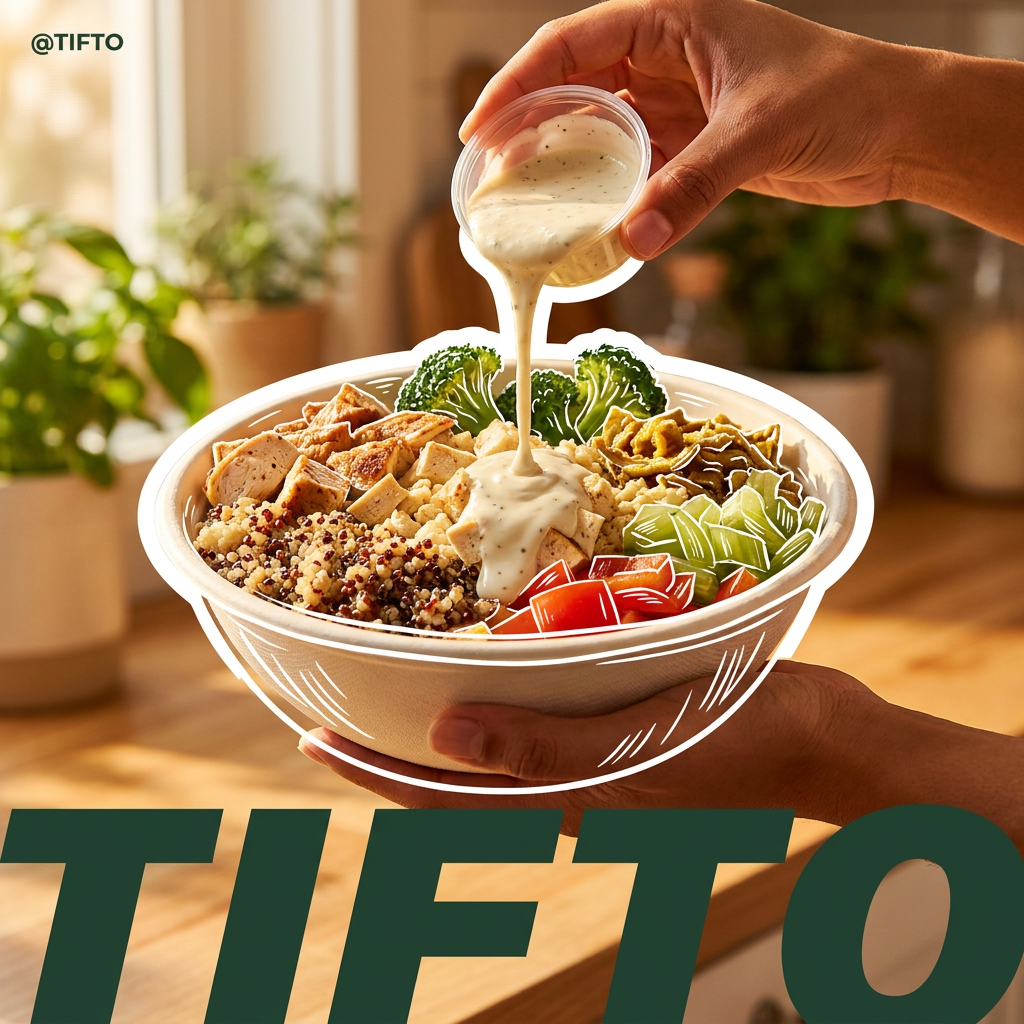
Drop in your product to generate a cohesive nine-post Instagram grid. It blends warm lifestyle photography and flat-lay packaging with bold hand-drawn doodles, collages, and urban billboard mockups. Everything automatically styles itself to your brand's colors.
Regenerate using your own assets.
Step 3: Provide Your Creative BriefWhen you launch the workflow, it will ask for your inputs. This is where you enter the campaign concept from Step 1. You'll specify the product ('serum bottle'), the setting ('minimalist studio'), and the style ('clean morning light, dewy botanicals').
Step 4: Run the Workflow and ValidateMyUP executes the workflow, running your brief through the parallel branches for each social media format. Within moments, you’ll have a full set of visual assets. This is where human control is critical: you’re not just accepting a black-box output. You review the generated assets, approve the ones that work, and can easily re-run the workflow with a slightly adjusted prompt to refine the results. MyUP handles the production; you handle the creative validation.
What about video, carousels, and other formats?
The 'one-to-many' logic isn't limited to static images. The same principle applies to more complex content formats. The workflow can be configured to produce different types of assets from the same initial prompt.
For example, a more advanced workflow could include branches that:
- Generate individual carousel panels: Create a series of five visually consistent 1:1 images for an Instagram carousel post.
- Create short video clips: Animate a static product shot to create a subtle, eye-catching motion graphic for social feeds. This is especially effective for creating assets like those seen in the latest AI stop motion trends.
- Produce animated GIFs: Generate a looping GIF that can be used in email newsletters or on platforms that support the format.
The core idea remains the same: one creative decision at the start, automated adaptation for every required format, with your Brandkit ensuring consistency across the entire campaign, whether it’s an image, a video, or a set of carousel cards.
Stop making posts. Start shipping campaigns.
The pressure to create more content for more platforms isn't going away. The only way to manage it without sacrificing quality or burning out is to change the production model. Stop thinking about your work as a series of individual posts and start thinking of it as a system for launching cohesive, multi-format campaigns.
An AI social media campaign generator isn't about replacing the creator; it's about empowering them. By structuring your creation process in a workflow, you automate the repetitive, mechanical tasks of resizing and reformatting. This frees you to focus on what matters: the strength of the campaign idea and the quality of the final result. With a Brandkit providing the guardrails for consistency, you can execute faster and more strategically than ever before.