Seamless carousels are one of the highest-engagement formats on Instagram and LinkedIn, but producing them with AI is a major source of frustration. You try generating a series of images, only to find the character's shirt has changed color, the lighting is off, and the style is inconsistent. Or you spend ages in a design tool manually slicing a large image, hoping the edges line up perfectly.
This is the wrong way to work. The professional method is simpler, faster, and gives you far more creative control. It’s called the panoramic workflow: generate one perfect, wide-format image, then use an automated system to slice it into perfectly aligned, on-brand slides.
Stop stitching images: the panoramic AI carousel method
Instead of wrestling with multiple, slightly different outputs, you focus your creative energy on a single, compelling panoramic image. You approve the composition, the subject, and the style once. The rest—the slicing, branding, and formatting—is automated production work. This isn't a theory; it's a repeatable system you can build in MyUP. This workflow, for example, automates the creation of a branded, multi-asset post from a single creative concept.
Workflow code: #myup-n0bi-2wzk
Bold Editorial Grid Poster
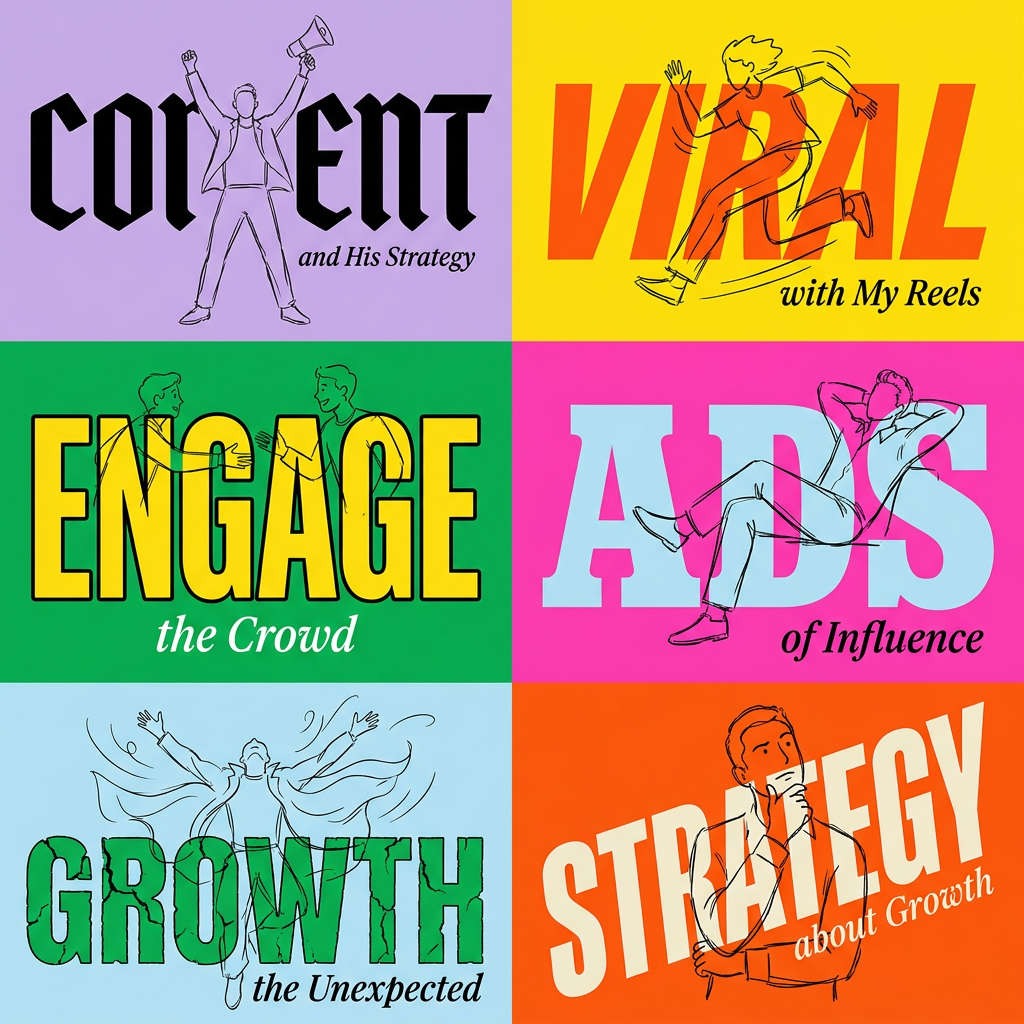
Create striking 2x3 editorial posters with six seamless, flat-color square cards in a perfect 4:5 grid. There are absolutely no gaps between the blocks, giving your content a bold, high-contrast magazine layout. It looks incredibly clean on any social feed.
Regenerate using your own assets.
Why generating one wide image is better than a series of squares
The search for an AI carousel generator has exploded recently, and in the last 48 hours, major platforms have responded. Midjourney launched its 'Story Mode' and Adobe Firefly debuted a 'Layout Engine,' both aiming to solve this problem. While powerful, they often trade creative control for automation. You get a series of images, but you don't get final say over the core visual narrative before it's broken apart.
The panoramic workflow is a more deliberate, brand-centric alternative. It avoids two common failure modes:
- Inconsistent Series Generation: When you prompt an AI for multiple related images, you're rolling the dice on consistency. The AI might maintain the theme, but subtle (and not-so-subtle) details can drift, breaking the illusion of a single, continuous canvas.
- The 'Black Box' Layout: Fully automated layout tools can be fast, but they make creative decisions for you. The panoramic method puts you in control. You direct the master shot. You approve the single source of truth. MyUP executes the mechanical slicing and branding; you validate the creative vision.
The 3-step workflow for a perfect seamless carousel
This entire process moves the difficult work from manual editing to smart prompting and workflow design. Once set up, it’s a repeatable production line for high-impact content.
Step 1: Prompt a panoramic image
The goal is to create an image that is two, three, or even four times wider than it is tall. Most modern image models support aspect ratio commands. For a three-slide carousel on Instagram (three 1080x1080px squares), you'd generate a single 3240x1080px image.
Your prompt should specify both the aspect ratio and the composition. For example:
cinematic photo of a woman working on a laptop at a sunlit cafe table, she is on the far left of the frame, leaving lots of empty table space to the right, minimalist aesthetic, warm tones --ar 3:1
This prompt intentionally places the subject in the first third of the image, creating negative space in the other two-thirds for text overlays on the subsequent slides.
Step 2: Automate the slice
This is where a workflow tool is essential. Manually cropping a 3240px image into three exact 1080px slices is tedious and prone to error. A MyUP workflow automates this. A dedicated step in the workflow takes your approved panoramic image as an input and performs a series of precise crops, outputting the individual slides in the correct order. There are no misaligned edges or awkward gaps.
Step 3: Apply your Brandkit for consistency
The final step transforms the sliced images into finished brand assets. The workflow automatically pulls from your saved Brandkit—applying your logo in the same corner of each slide, using your brand fonts for headlines and body text, and adding any consistent watermarks or design elements. Every carousel you produce feels like it came from the same brand, because it did—automatically.
Adapting the workflow for Instagram vs. LinkedIn
The same panoramic-to-slice technique works for both platforms, but the content strategy differs. A powerful workflow allows you to adapt the substance without rebuilding the entire process.
For Instagram, the focus is on visual storytelling and immersion. Use the seamless format to create a dramatic reveal, showcase a product from multiple angles in one continuous shot, or guide the viewer through a visual narrative. This is perfect for fashion, travel, and food content where aesthetics are paramount. You can learn more about building a full week of fashion content for Instagram with AI in our other guides.
For LinkedIn, the carousel is a vehicle for information. Use it to break down complex data, visualize a step-by-step process, or present a business case. The first slide can pose a question or state a problem, with subsequent slides revealing data, charts, and conclusions. The seamless effect keeps the user engaged as they swipe through your argument. This workflow is a cornerstone of how to automate a week of LinkedIn content effectively.
Common pitfalls (and how to fix them)
A great workflow anticipates problems. Here are the most common issues with seamless carousels and how to design your process to avoid them.
- The awkward slice. A person's face or the hero product is cut directly between two slides. The fix: Control the composition at the prompt stage. Use directional language like 'on the far left,' 'centered in the first third,' or 'spanning the right two-thirds of the image' to guide the AI on where to place key elements, keeping them clear of the slice lines.
- Disjointed text flow. The text on slide two doesn't connect logically to slide one. The fix: Write your copy for all slides before you even generate the image. This ensures your narrative is coherent and that you've created enough negative space in the panoramic image to accommodate the text for each slide.
- Unbalanced composition. All the visual interest is on the first slide, leaving the rest feeling empty. The fix: Prompt for a scene with depth or a journey. A road stretching into the distance or a table with objects scattered across it provides visual interest that naturally carries across all the slides.
Your carousel production system
Thinking in terms of workflows, not just one-off image generations, is the key to scaling high-quality content. The panoramic method for seamless carousels is a perfect example. It turns a technically difficult, high-impact format into a repeatable, on-brand production system.
By separating creative approval (the panoramic image) from mechanical execution (the slicing and branding), you gain speed and control. You're no longer just a prompter hoping for a good result; you're a creative director running a content factory.