
You've seen them explode across social media and even on product packaging: stunning, intricate images with a QR code seamlessly woven into the art. You pull out your phone, point your camera, and... nothing happens. The code is a beautiful but useless decoration. This isn't just you; as a recent Creative Bloq article highlighted in June 2026, the gap between artistic AI QR codes and functional ones has become a major frustration for designers and marketers.
The promise is a beautiful, on-brand bridge from a physical poster or package to your digital world. The reality, for most, is a broken link. The problem isn't the idea; it's the tool. Standard image generators don't understand how a QR code works, so they treat its critical data like any other pixel, destroying it in the process. This article explains why that happens and gives you the workflow to get it right.
Why most AI-generated QR codes are unscannable art projects
A QR code isn't just a random pattern of squares; it's a precisely engineered data container. For a camera to read it, specific parts must remain intact. This is where most AI image generators fail. They are trained to create plausible images, not to preserve data integrity.
When you feed a standard QR code into a generic AI image model with a prompt like "a QR code in a fantasy forest," the model tries to make everything look like a fantasy forest. It warps, twists, and blends the functional parts of the code into the background, leading to common failures:
- Distorted Finder Patterns: Every QR code has three large squares in the corners. These are the finder patterns, which orient the camera. AI models often see these as just part of the image, smudging their sharp edges, filling them with texture, or changing their shape entirely. If the camera can't find these three anchors, it can't even begin to read the data.
- Low Contrast: The modules—the small black and white squares that hold the data—must have high contrast to be read. AI art generators love to create subtle, blended color palettes. This artistic tendency is fatal for a QR code, as it reduces the contrast between light and dark modules below the scannable threshold.
- Corrupted Data Modules: The grid of smaller squares is the data itself. The AI model doesn't know this. It will merge squares, remove them, or change their color to better fit the artistic style, effectively corrupting the URL or text encoded within.
The complex ControlNet workflows shared on platforms like Reddit are a direct response to this problem, but they require technical setup and constant tweaking. For a marketer or designer who just needs a reliable asset, it's a frustrating dead end.
The 3 principles of a QR code that actually works
To create a QR code that is both beautiful and functional, you can't just hope for the best. The generation process must respect the engineering of the code itself. This boils down to three core principles.
1. Start with high error correction
QR codes have a built-in feature called error correction, which allows them to be scanned even if part of the code is damaged or obscured. There are four levels: Low, Medium, Quartile, and High. A 'High' (H) level means up to 30% of the code's data can be restored. When creating artistic QR codes, always generate your base code with the highest error correction level. This gives the AI model more room to be creative without completely destroying the scannable data.
2. Preserve the finder patterns
The three corner squares are non-negotiable. A successful workflow must treat these areas as sacred, protecting them from significant distortion. The best models are specifically trained to recognize and maintain the structure of these patterns, ensuring the camera can lock onto the code immediately.
3. Maintain high contrast in the data area
While the overall image can be artistic, the areas corresponding to the QR code's data modules must retain a clear difference between light and dark. A smart workflow doesn't apply the art style uniformly; it blends it in a way that preserves the contrast necessary for the tiny squares to be individually recognized by a scanner.
The workflow for on-brand QR codes that reliably scan
This is where a purpose-built workflow in MyUP makes the difference. Instead of fighting a generic image model, MyUP uses a process designed to balance art and function. It understands the principles of scannability and integrates your brand identity automatically.
The process is simple. You don't need to be an AI expert; you just need to guide the creative direction. MyUP handles the technical execution.
- Provide your URL and prompt: Start with the destination link for your QR code and a simple text prompt describing the visual style you want (e.g., "a lush jungle scene," "a cyberpunk cityscape," "minimalist product shot").
- Apply your Brandkit: MyUP automatically uses your saved Brandkit to influence the color palette, mood, and style of the generated art. This ensures the final image doesn't just look cool—it looks like it belongs to your brand.
- Generate and validate: MyUP's specialized model generates a standard, high-error-correction QR code and then intelligently merges it with your prompted, on-brand artwork. It preserves the finder patterns and maintains the necessary contrast. The user's job is simple: check the output and confirm it scans properly before using it.
This workflow transforms the QR code from a black-and-white technical box into an integrated piece of brand creative, without sacrificing its primary job of connecting your audience to a link.
Putting it into practice: from event posters to product packaging
A scannable, artistic QR code is a powerful tool for any campaign. It closes the gap between your physical marketing materials and your digital presence in a way that's visually compelling.
For a conference or music festival, you can integrate a QR code linking to the schedule or ticket page directly into the event's key art. Instead of a clunky black box in the corner, the code becomes part of the design itself. A minimalist design is a perfect canvas for this.
Workflow code: #myup-k4td-9k6z
Minimalist Poster
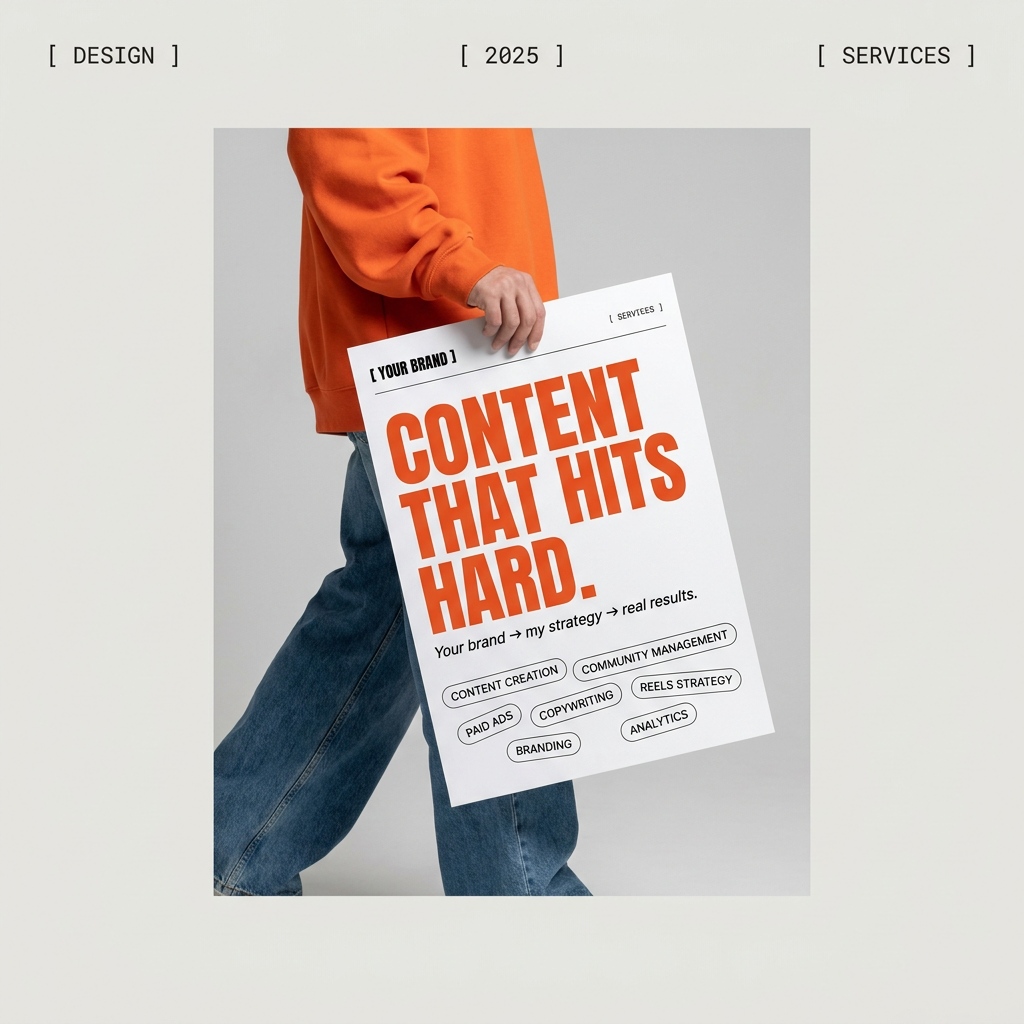
Give your social feed a clean, gallery-like aesthetic. This layout frames your images with structured mono typography and soft, neutral backgrounds for a high-end editorial look. It's perfect for minimal product launches or brand announcements.
Regenerate using your own assets.
On product packaging, a QR code can link to tutorials, ingredient sourcing information, or a re-order page. Embedding it into an on-brand illustration makes it an inviting discovery point rather than a technical necessity. For a bold, eye-catching look, a grid-based editorial style works especially well.
Workflow code: #myup-n0bi-2wzk
Bold Editorial Grid Poster
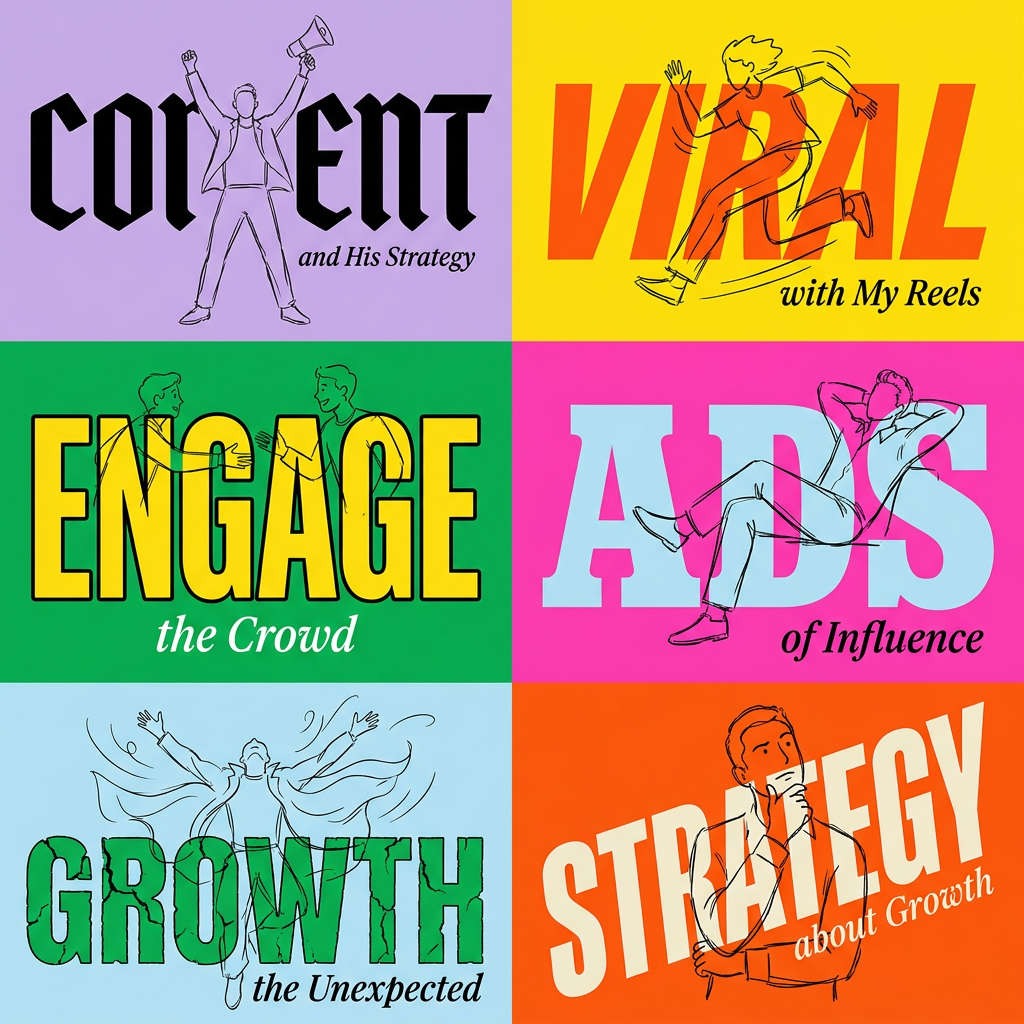
Create striking 2x3 editorial posters with six seamless, flat-color square cards in a perfect 4:5 grid. There are absolutely no gaps between the blocks, giving your content a bold, high-contrast magazine layout. It looks incredibly clean on any social feed.
Regenerate using your own assets.
Even for internal communications or recruiting, a well-designed QR code on a hiring poster can make your company look more innovative. Link it directly to the job application page and embed it in a clean, modern design that reflects your company culture.
Workflow code: #myup-eiob-7tbc
Modern Hiring Poster
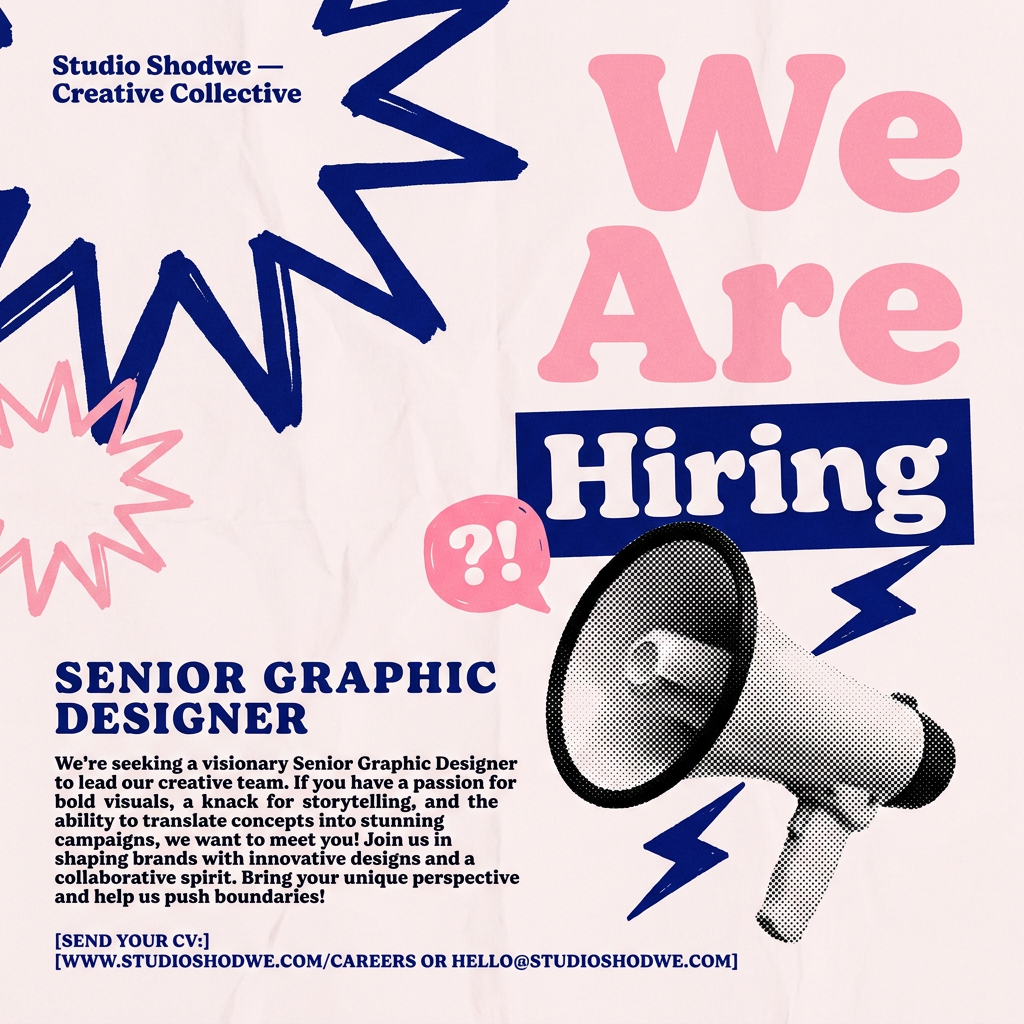
Turn your open roles into stylish social announcements. It sets your hiring details against a soft, textured paper background with clean, editorial typography. Perfect for giving your brand a polished, modern look when you're looking to hire.
Regenerate using your own assets.
In each case, the goal is the same: make the connection seamless and on-brand. With a reliable workflow, you no longer have to choose between an asset that looks good and one that actually works.