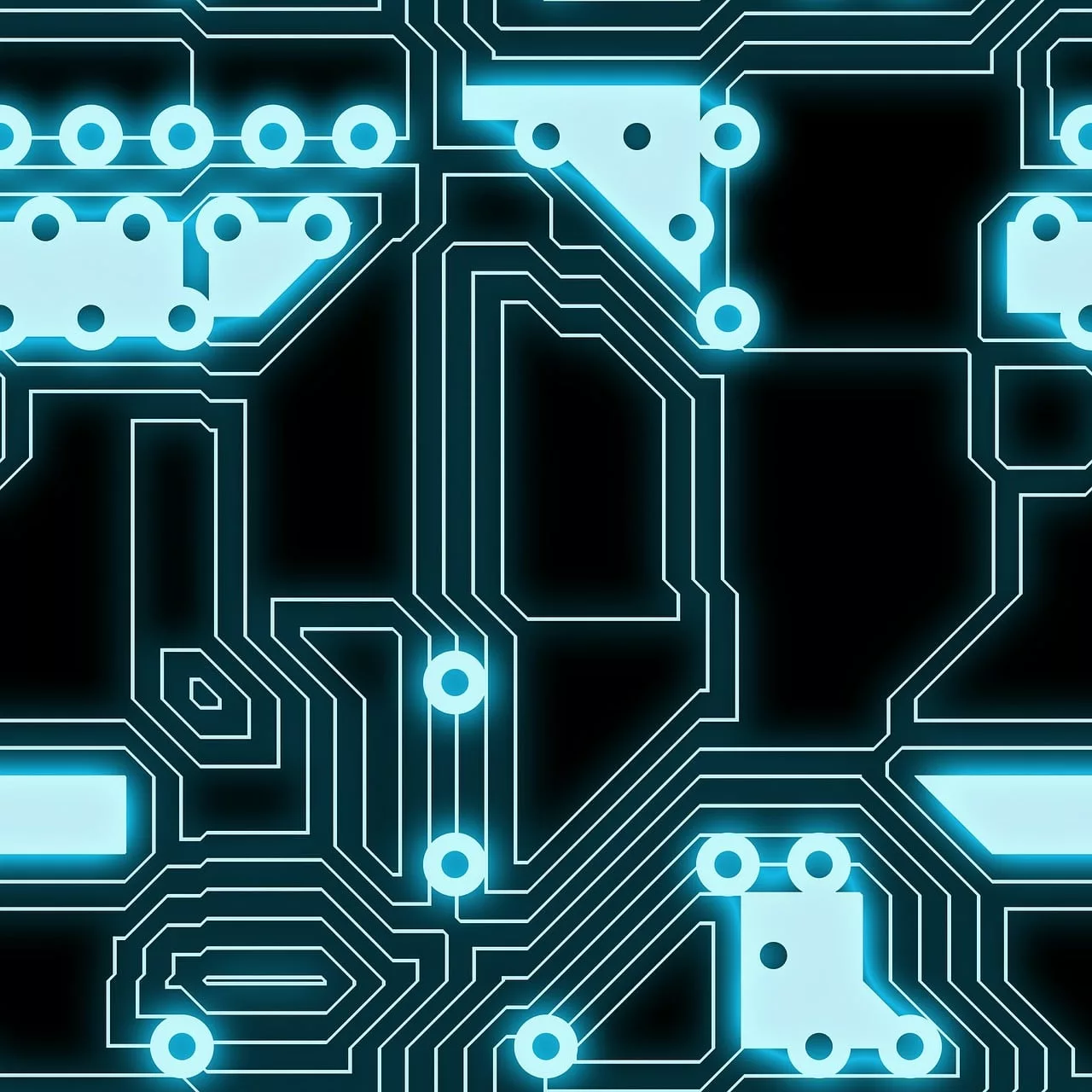
This week, the world of AI image generation solved a long-standing technical problem. With Midjourney's '--tile' feature arriving on July 21, 2026, and Adobe Firefly's 'Brand Pattern' beta announced today, July 22, creating a perfectly seamless, tileable pattern is now a one-prompt job. The internet is flooded with beautiful, repeating visuals.
But as designers and brand managers are quickly discovering, this solves the old problem while exposing a new, more critical one: seamlessness is not the same as consistency. A pattern that tiles perfectly but contains random, off-brand elements is a novelty, not a professional asset. This is the new challenge: achieving brand integrity *inside* the pattern.
Seamless is solved. Brand consistency is not.
The technical achievement of one-step seamless patterns is undeniable. Previously, creating a tileable asset required careful editing in Photoshop or Illustrator to align edges and remove seams. Now, AI handles the geometry flawlessly. However, the creative content within that geometry is another story.
The issue, surfacing in creative communities right now, is that the AI model's interpretation of a prompt can vary slightly for each element it places within the pattern. Your brand's mascot might have subtly different eyes in one corner of the image than the other. A key brand motif might be rendered in a slightly off-brand color. For a one-off image, this is trivial. For a brand asset that will be repeated across a website background or on product packaging, these tiny inconsistencies create visual noise and undermine brand recognition.
Stock patterns make you look generic. Random AI patterns make you look careless. The only professional solution is to generate patterns directly from your brand's core identity, ensuring every visual element is cohesive and proprietary.
Why your brand needs a pattern 'system,' not just a pattern
A single pattern is a background. A library of related, cohesive patterns is a visual system. This is a strategic shift from creating a one-off asset to building a proprietary library of textures and visuals that strengthen your brand at every touchpoint. Think about how a signature pattern can be used:
- As a subtle background on your website and social media profiles.
- On the inner lining of product packaging or tissue paper.
- As a design element in presentations and sales decks.
- On merchandise, event banners, and employee swag.
When these patterns all derive from the same visual DNA—the same color palette, the same stylistic motifs, the same logo elements—they create a powerful, unified brand experience. This is something a generic pattern generator can't offer. You need a system that understands your brand's rules. This is precisely why building a comprehensive design system or a consistent brand character is so critical for brand recall.
The workflow: Generating on-brand patterns from your Brandkit
The key to solving the consistency problem is to stop giving the AI creative freedom where it needs to follow strict rules. Instead of just prompting for 'a pattern with blue and gold,' you need to provide the AI with the *exact* hex codes for your brand's blue and gold, along with specific style descriptors that define your visual identity. This is where MyUP's Brandkit becomes the central hub of your creative production.
The workflow is straightforward and moves control from the AI back to you, the brand owner.
1. Build Your Brandkit: Before you generate anything, you establish the rules. In MyUP, you create a Brandkit by providing your website URL or manually uploading your assets. MyUP automatically extracts your logo, color palette (with exact hex codes), and fonts. You can also add custom style keywords that define your aesthetic, like 'minimalist line art,' 'bold and geometric,' or 'organic watercolor'.
2. Use a Brand-Aware Workflow: Instead of a simple prompt, you use a MyUP workflow designed for pattern generation. This workflow is configured to automatically pull information from your saved Brandkit. When it constructs the final prompt for the AI model, it doesn't just use vague color names; it injects the specific hex codes and style keywords you've defined. This ensures the output is fundamentally rooted in your brand's DNA.
3. Generate and Validate: MyUP executes the production, generating multiple pattern options based on your Brandkit-infused prompt. Your job is to validate the results. You review the options, select the best fit, and request variations if needed. You are in control of the final creative decision; the AI simply handles the repetitive task of production.
From generation to application: Putting your patterns to work
Once you have a library of on-brand, seamless patterns, using them is simple. Because they were generated from your Brandkit, they will naturally complement any other asset you create on MyUP. You can use them as backgrounds for social media posts, headers for email newsletters, or textures in larger designs.
For example, you could use a subtle brand pattern as the background for a hiring announcement to maintain a professional and cohesive look. Instead of starting from scratch, you can use a workflow that already has the layout and typography locked in, then simply apply your new pattern.
Workflow code: #myup-eiob-7tbc
Modern Hiring Poster
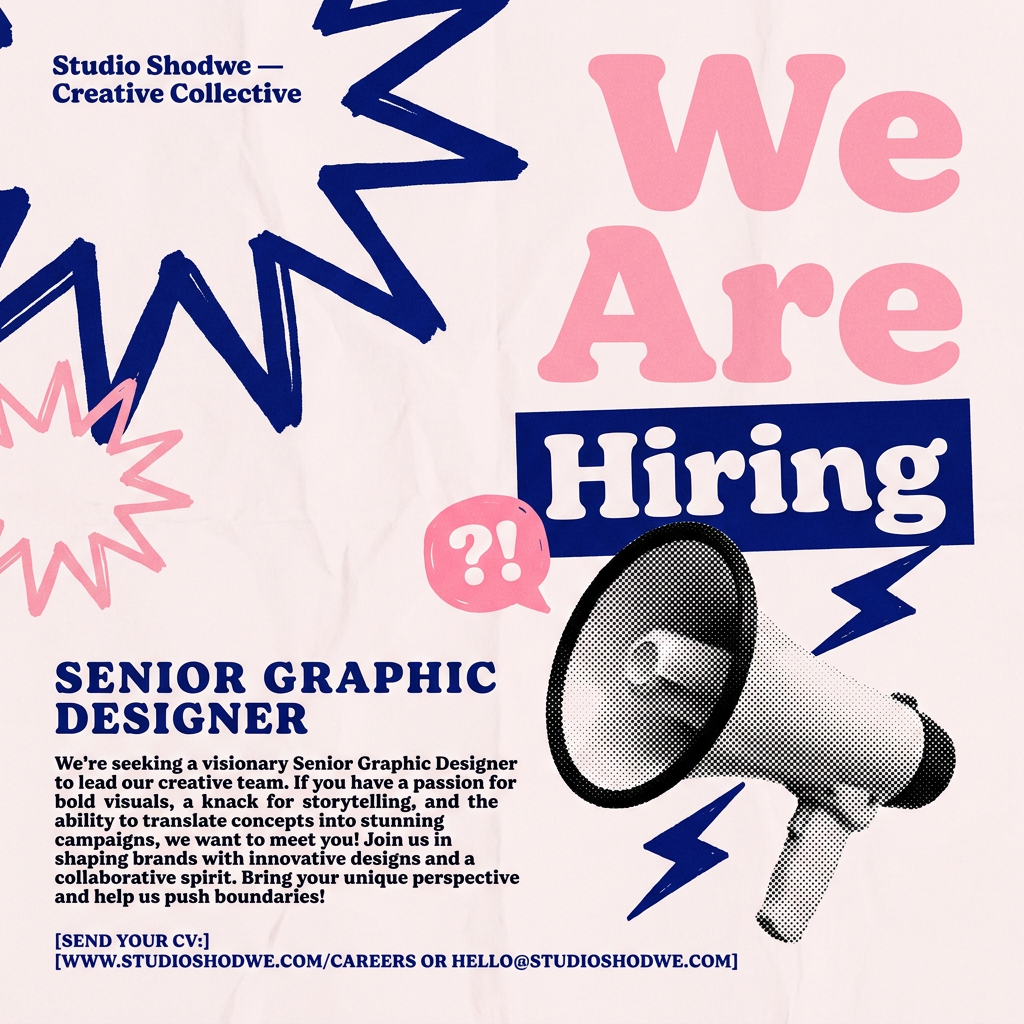
Turn your open roles into stylish social announcements. It sets your hiring details against a soft, textured paper background with clean, editorial typography. Perfect for giving your brand a polished, modern look when you're looking to hire.
Regenerate using your own assets.
Case study: Creating branded stickers with a custom pattern
Let's make this practical. Imagine you've just generated a beautiful, seamless pattern of your brand's primary icon. A great way to use this is to create custom stickers for packaging, laptops, or event giveaways.
In MyUP, you can take this pattern and immediately apply it within another workflow. The 'Product Stickers' workflow is designed for exactly this. It prompts you for your core subject, and you can instruct it to use your newly created brand pattern as the background or as a fill for the sticker's text or design elements.
Because the pattern and the sticker workflow both pull from the same Brandkit, the colors, fonts, and overall style will align perfectly without any manual adjustments. This is how you build a visual system where every component works together effortlessly.
Workflow code: #myup-swqt-4zo3
Product Stickers
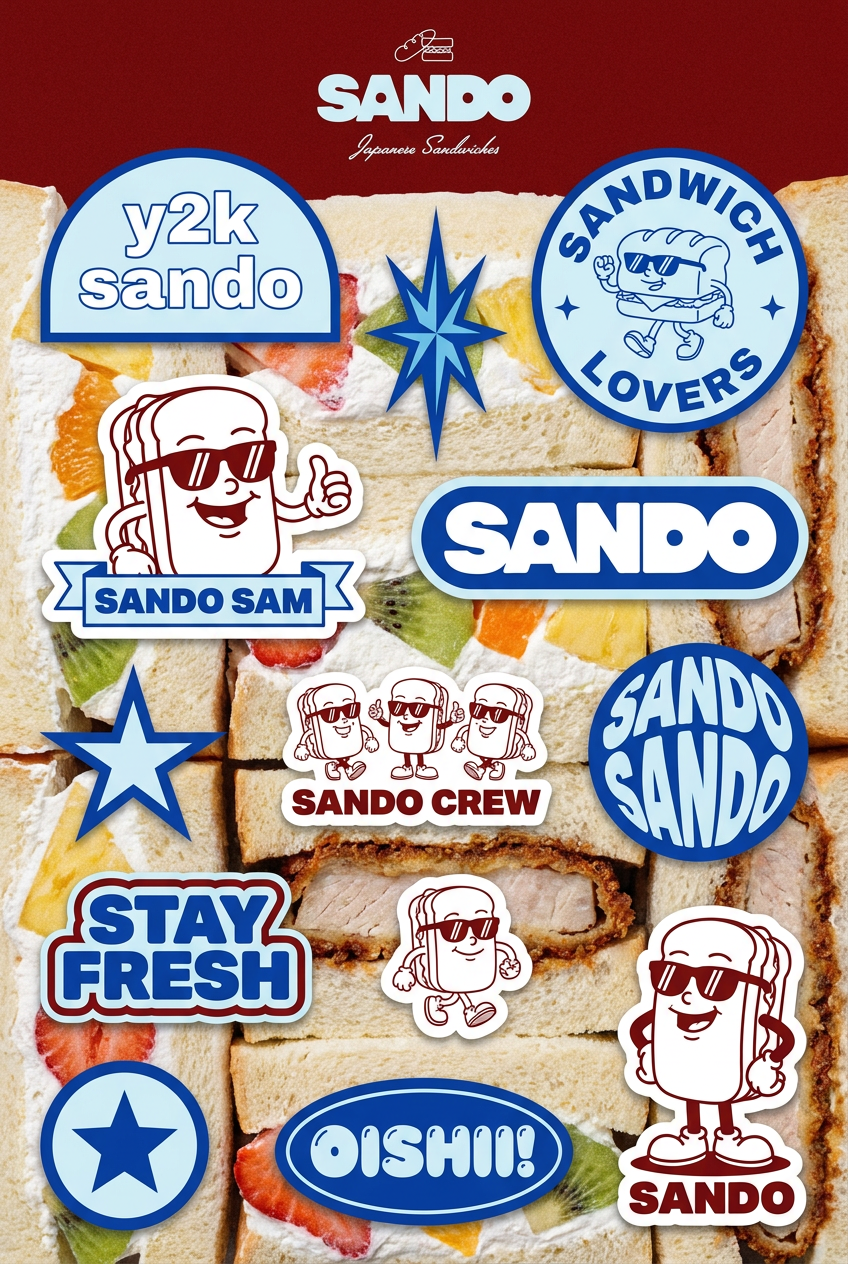
Turn your logo into a nostalgic, vibrant Y2K-style vertical ad. It automatically pulls your brand colors to create matching sweet treats like custom donuts or cupcakes in the background, giving you a super playful retro-pop aesthetic.
Regenerate using your own assets.
You own the brand, the AI owns the production
The recent explosion of AI pattern generators is exciting, but it's a reminder that a tool is only as good as the strategy behind it. Generating endless, random patterns won't build a memorable brand. Building a system that produces proprietary, cohesive visual assets will.
By using a platform like MyUP, you place your Brandkit at the center of the creative process. This ensures your brand's rules—your colors, your style, your identity—are the non-negotiable input. The AI's role is to execute, explore, and produce within those boundaries. You maintain creative control and brand integrity, while the AI handles the heavy lifting. That's the workflow for patterns that don't just look good, but actually build your brand.