If you’ve tried creating AI packaging mockups, you know the routine. You start in a tool like Stable Diffusion to get the basic product shape, wrestle with ControlNet to keep it consistent, then move to Photoshop to fix the inevitable warped logo and add legible text. The process is a patchwork of different tools, and the final result often looks like a convincing fake — close, but not quite right.
The biggest tell? Warped, nonsensical text on any curved surface. It’s a fundamental limitation of even the most advanced image models. This guide presents a different approach: a single, integrated workflow on MyUP.ai that moves from your 2D label design to infinite, photorealistic 3D mockups in scenes that are automatically true to your brand. No more post-production fixes required.
Why your AI packaging mockups look fake (and how to fix it)
The core problem isn't the AI model; it's the fragmented process. Brands need more than just a single image — they need a library of assets showing their product in the world it's meant to live in. Traditional PSD mockups are static and overused. Generic AI generators produce inconsistent results and, most critically, fail at rendering branding accurately.
You can spend hours trying to inpaint a clean logo onto an AI-generated bottle, only to have it come out distorted. This is because image models think in pixels, not vectors. They don't understand typography or brand guidelines. The result is an asset that’s unusable for any serious commercial purpose.
The fix is not a better prompt. It's a better system. A real production workflow needs to separate the tasks: let AI handle what it's good at (generating rich, realistic scenes) and use a brand-aware system to handle what it's not (applying crisp, accurate branding). This is exactly how the workflow in MyUP is designed.
The complete workflow: from 2D label to infinite 3D scenes
Instead of juggling multiple applications, you can generate an endless stream of on-brand mockups from a single platform. The MyUP workflow is built around your brand's unique identity, ensuring every asset tells the right story. Here’s how it works in practice.
1. Establish your visual identity with a Brandkit
Before you generate anything, you give MyUP your brand's DNA. By simply providing a website URL, MyUP creates a comprehensive Brandkit, extracting your logo, color palette, fonts, and overall visual style. This Brandkit becomes the foundation for every asset you create, ensuring all generated scenes automatically align with your brand's aesthetic.
2. Upload your 2D label design
You provide the flat artwork for your packaging — the same PNG or JPG file you'd send to a printer. This is your source of truth for the label's design, text, and graphics. The workflow doesn't try to guess your branding; it uses the exact asset you provide.
3. Choose your product model and generate
Select a 3D model that matches your product, such as a soda can, a wine bottle, or a cosmetic jar. From there, you instruct the workflow on the type of scene you need. Want to see your energy drink on a sun-drenched beach? In a high-tech gym? In a minimalist kitchen? The workflow places your product into these environments, using your Brandkit to guide the lighting, mood, and color story. The user validates the output; MyUP handles the production.
Generate your first on-brand beverage or food mockup now
The best way to understand the workflow is to use it. This template is designed for CPG brands, beverage companies, and food producers who need high-quality lifestyle shots for social media, ads, or e-commerce. Simply provide your product name and let the workflow generate a poster-style mockup that places your product in a context that tells your brand's story. No prompting expertise required.
Workflow code: #myup-tbky-nciq
Food Brand Poster
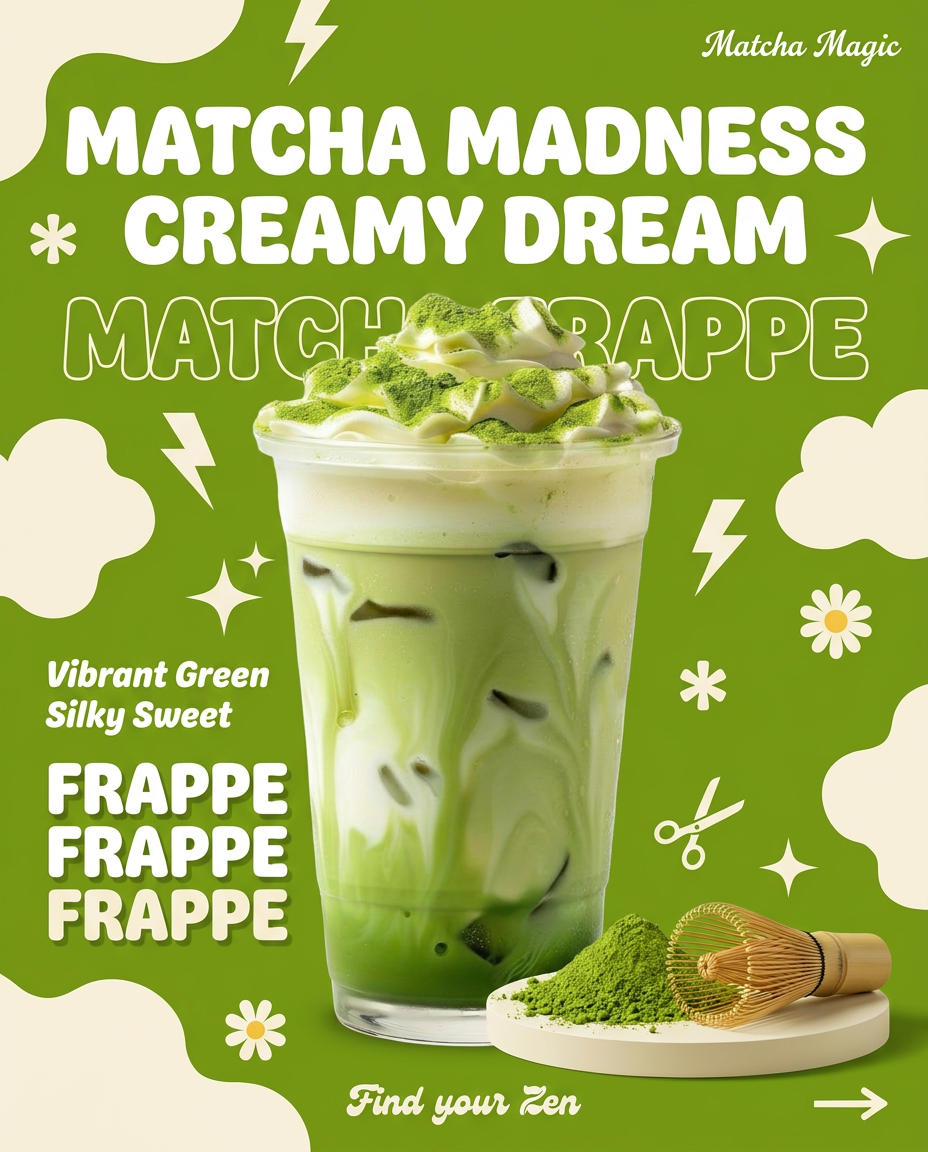
Instantly turn any food or drink product packaging into a bold, vibrant retro poster. The system automatically reads your bottle or box to grab its exact colors and ingredients, then crafts a perfectly coordinated vintage background around it.
Regenerate using your own assets.
Solving the unsolvable: how to get perfect text on curved surfaces
Here is the critical difference between the MyUP workflow and general-purpose AI image generators. Models like DALL-E 3 or Midjourney struggle to wrap text around a 3D object because they are fundamentally 2D systems. They try to 'draw' the text as part of the image, leading to distortions and spelling errors.
MyUP bypasses this problem entirely. The workflow operates in layers:
- The AI model generates the photorealistic scene and the blank product model within it, focusing solely on lighting, texture, and composition.
- The system then digitally 'wraps' your uploaded 2D label onto the 3D model.
- Finally, it overlays any logos or key text elements from your Brandkit as crisp, vector-perfect layers.
This hybrid approach means you get the creative infinity of AI scene generation without sacrificing the non-negotiable clarity of your brand's name and messaging. The result is a production-quality asset, not an experimental image.
Create professional studio shots for any product
Lifestyle scenes are powerful, but sometimes you just need a clean, professional studio shot for your product page or a print ad. The same Brandkit-driven workflow can be adapted for this. Instead of generating complex environments, you can direct the AI to create minimalist studio backdrops, gradient backgrounds, or product-focused lighting setups. This allows you to produce a complete set of e-commerce visuals that are just as on-brand as your lifestyle content. For a detailed guide on this, see our article on creating realistic AI product photos for any scene.
Use the template below to generate a clean, studio-style ad for your product. Just provide the product name and watch it create a professional shot ready for your next campaign.
Workflow code: #myup-u4lt-o0ho
Studio Product Ad
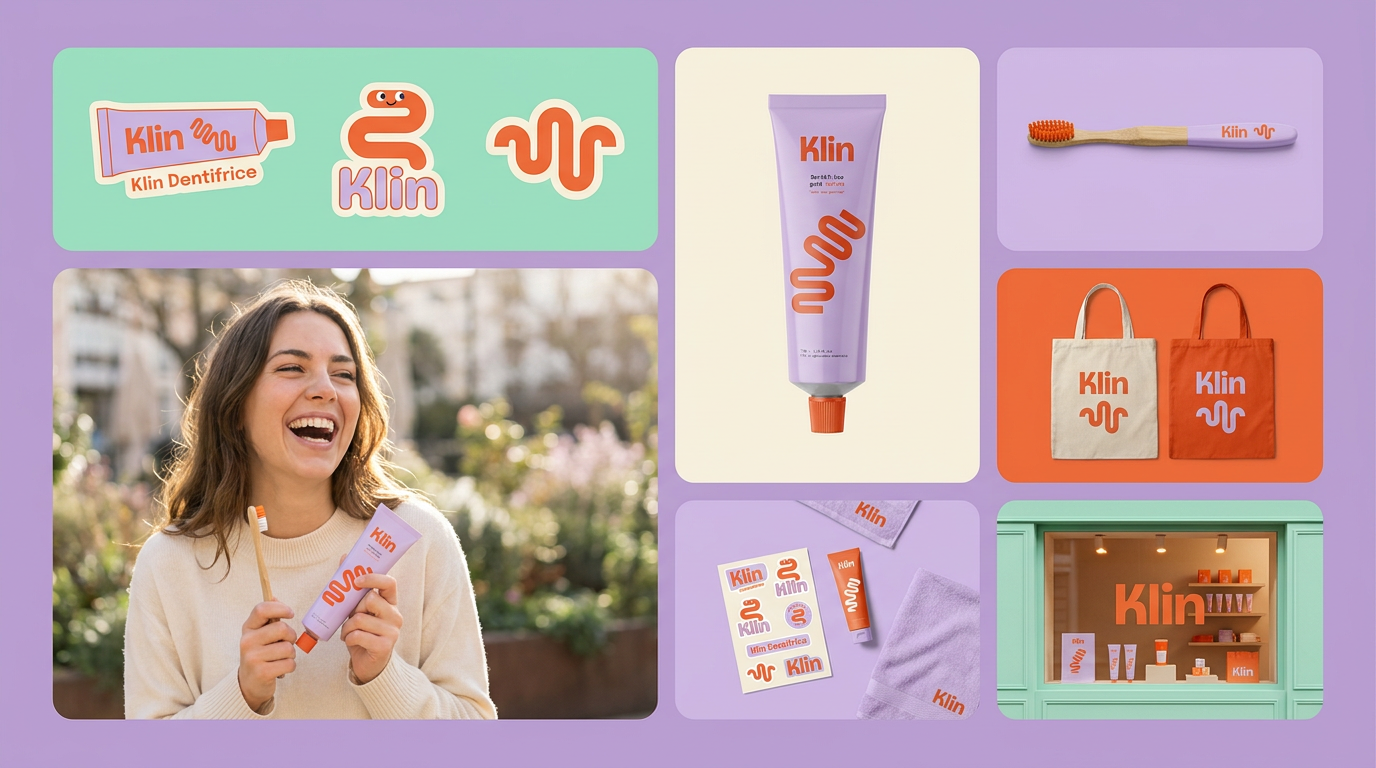
Drop in a single product photo to instantly build a cohesive visual identity. It automatically samples your item's dominant colors to generate a beautifully matched mosaic moodboard, giving your brand an instant, polished aesthetic.
Regenerate using your own assets.
Is a workflow better than features like Adobe's Structure Reference?
On June 25, 2026, Adobe released 'Structure Reference' for Firefly, a feature that lets users lock the composition of an image. It's a powerful tool for creating variations of a single scene, and it validates the market's need for greater consistency in AI generation. For mockups, this means you could lock the position of a can and regenerate the background.
However, locking composition is only one piece of brand consistency. A feature can't ensure the mood, color palette, and propping in the scene align with your brand identity. It can't solve the warped text problem. It gives you structural control over one image, but it doesn't give you brand control over your entire content ecosystem.
A workflow is a system. A feature is a tool. MyUP’s workflow, guided by your Brandkit, ensures that whether you’re creating a mockup, a social post, or a video ad, the result is not just structurally consistent but *stylistically* and *strategically* on-brand. That's the difference between generating a picture and producing a brand asset. To see how this applies to more than just static images, explore our workflow for generating diverse but consistent product scenes.