If you’ve been on any creative social feed in the last 48 hours, you’ve seen it. The game has changed. As of late June 2026, with the launch of Ideogram 2.0 and the first results surfacing from the Midjourney V7 alpha, AI image generators can finally write. The garbled, nonsensical text that plagued AI images for years is suddenly gone, replaced by shockingly coherent typography. The search for an 'AI image generator with text' seems to be over.
But is it? While these models can now spell, they still can't speak your brand's visual language. This guide provides the professional workflow for bridging that gap—combining the creative power of new AI models with the typographic precision your brand requires.
The professional's problem: 'Good text' isn't on-brand text
The initial results are impressive. You can now prompt for 'a poster for a summer music festival with the text 'SOLARIS'' and get a beautiful, usable image. The problem arises when the next request comes from your client or creative director: 'This is great, but can you use our brand font, Helvetica Now, and match our primary brand blue?'
This is where single-step generation breaks down. The AI model didn't use Helvetica Now; it generated a generic sans-serif font that *looks similar*. The blue is close, but it's not the exact hex code from your style guide. For professional marketing assets, 'close enough' is the same as 'wrong'.
Brand consistency isn't a 'nice to have'—it's fundamental to brand recognition and trust. This requires:
- Specific Typefaces: Using your brand's actual font files, not a visual approximation.
- Precise Color: Using exact brand color values (HEX, RGB) for text and elements.
- Layout Control: The ability to adjust text size, kerning, line spacing, and position with pixel-perfect accuracy to fit a composition.
The new AI models are incredible image generators, but they are not professional typesetters. Expecting them to be is the source of the frustration.
The composition-first workflow: How to get pixel-perfect results
The solution is to stop trying to force one tool to do two different jobs. The professional workflow separates image creation from typography, giving you total control over the final, brand-critical elements. In MyUP, we call this the 'composition-first' approach.
Step 1: Generate a stunning, text-free background with AI.Instead of cramming your text into the image prompt, focus the prompt entirely on the visual. Describe the scene, the style, the lighting, the mood. Think of it as commissioning a photoshoot or illustration, but leave clean, intentional space for your message. In MyUP, you can use models like Stable Diffusion to generate unique, on-brand AI website visuals or abstract backgrounds perfect for layering text.
Step 2: Apply your message with your MyUP Brandkit.Once you have a background you approve, the rest is easy. MyUP's Brandkit stores your brand's actual font files, color palettes, and logos. Using a template or the editor, you can apply your text with the full control of a design tool. Your text will be rendered in your exact font, using your exact brand colors, and you can adjust the placement and size until it's perfect. The AI handles the heavy lifting of image creation; you provide the final, human-validated brand polish.
This two-step process turns a weakness of generative AI into a strength. You get the limitless creative potential of AI visuals without sacrificing an ounce of brand integrity. It's how you can build a complete, on-brand visual identity, not just a series of one-off images.
In practice: Creating on-brand assets with MyUP templates
Let's make this workflow concrete. You need to create a set of on-brand promotional assets. Instead of starting from a prompt, you can start from a MyUP workflow that has this composition-first logic built in.
For a Bold Social Media Graphic
You need a striking, editorial-style graphic for an Instagram announcement. The visual needs to be captivating, but the headline must be in your brand's primary display font. Instead of wrestling with a prompt, you generate a compelling portrait or abstract texture, then use a template to lock in the typography.
Workflow code: #myup-n0bi-2wzk
Bold Editorial Grid Poster
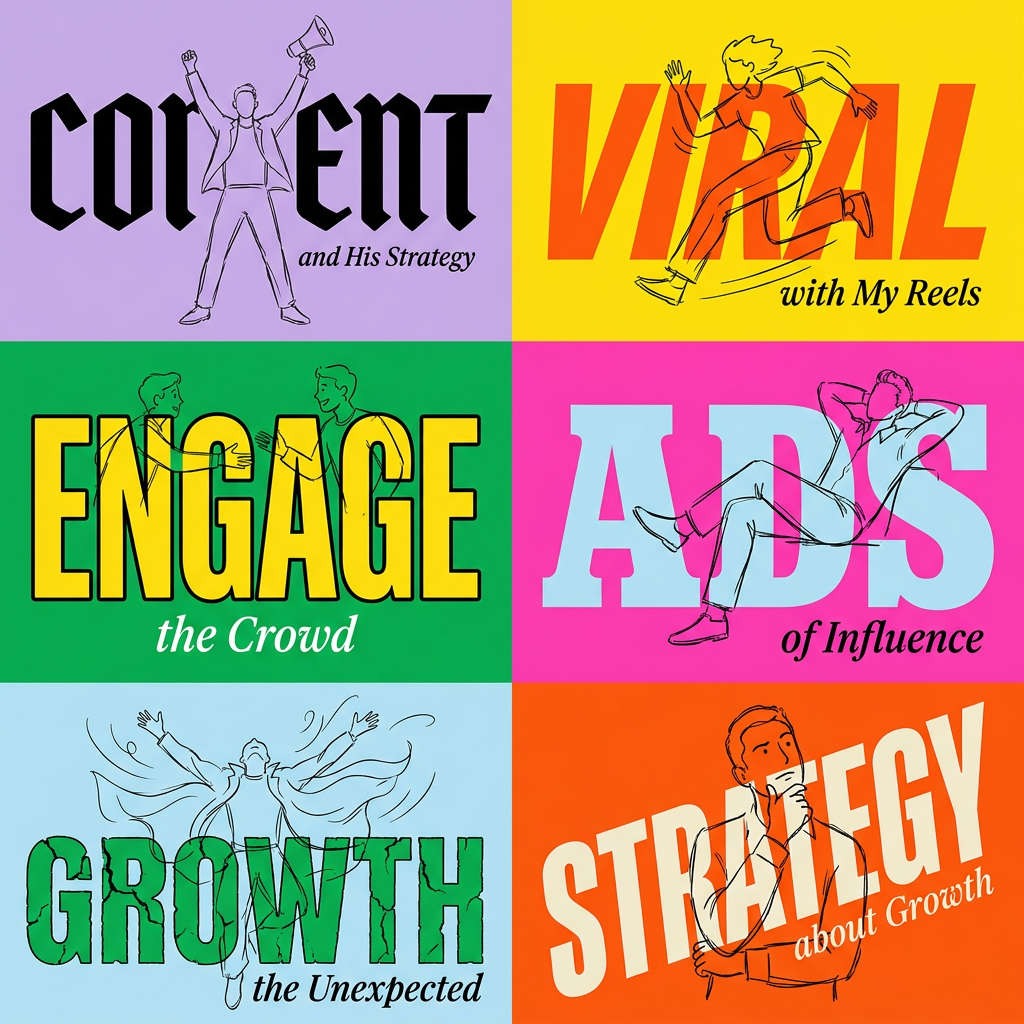
Create striking 2x3 editorial posters with six seamless, flat-color square cards in a perfect 4:5 grid. There are absolutely no gaps between the blocks, giving your content a bold, high-contrast magazine layout. It looks incredibly clean on any social feed.
Regenerate using your own assets.
For a Professional Hiring Poster
Your company is hiring, and you need a clean, modern poster for LinkedIn. The design needs to be professional and instantly recognizable as your brand. Generate a subtle, office-themed or abstract background image in MyUP, then let this workflow apply your brand's fonts and colors for the job title, description, and contact details.
Workflow code: #myup-eiob-7tbc
Modern Hiring Poster
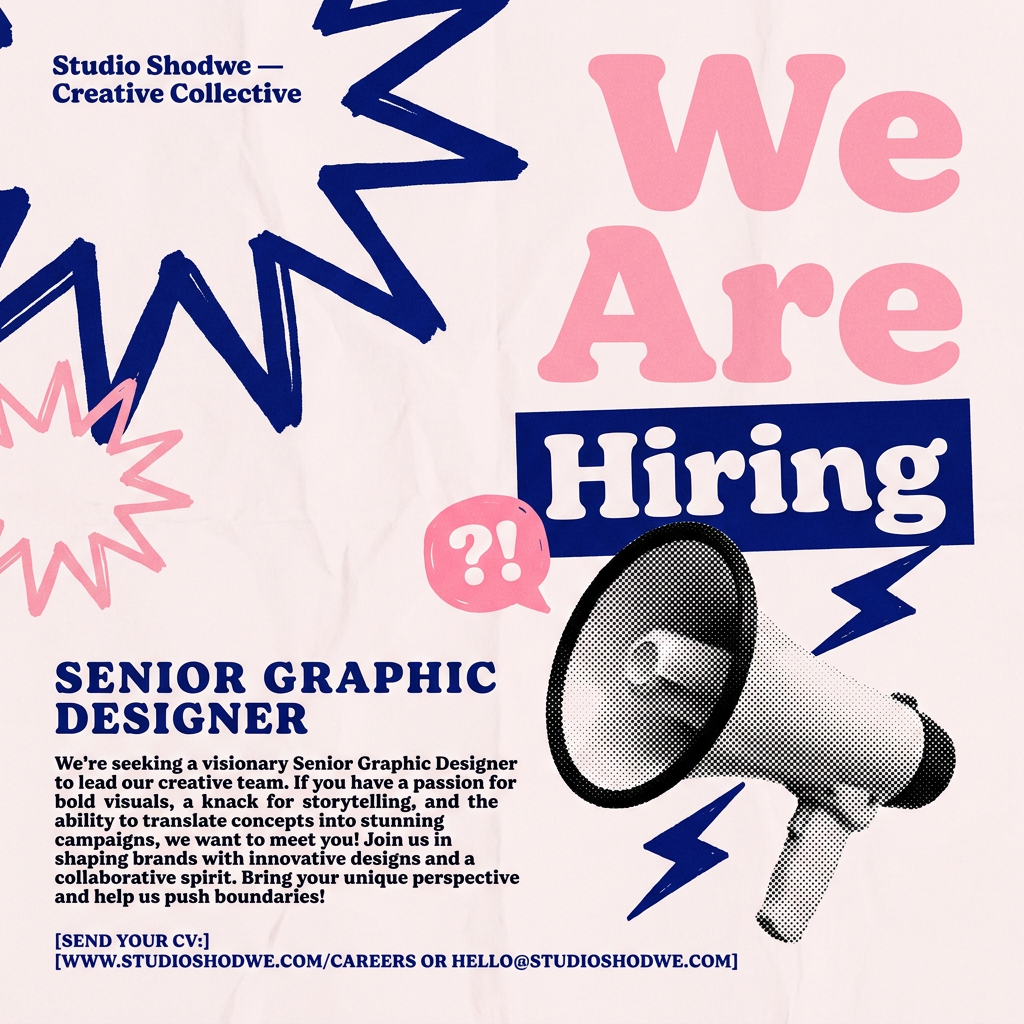
Turn your open roles into stylish social announcements. It sets your hiring details against a soft, textured paper background with clean, editorial typography. Perfect for giving your brand a polished, modern look when you're looking to hire.
Regenerate using your own assets.
For a Vibrant Event Promotion
You're promoting a workshop or a community event and need a poster that pops. A retro or minimalist style could work well. Generate a vibrant, energetic background visual, then use a poster template to overlay the event title, date, and location using your brand's specific typography, ensuring it's both eye-catching and consistent.
Workflow code: #myup-xbur-hzoi
Bold Retro Yellow Event Poster
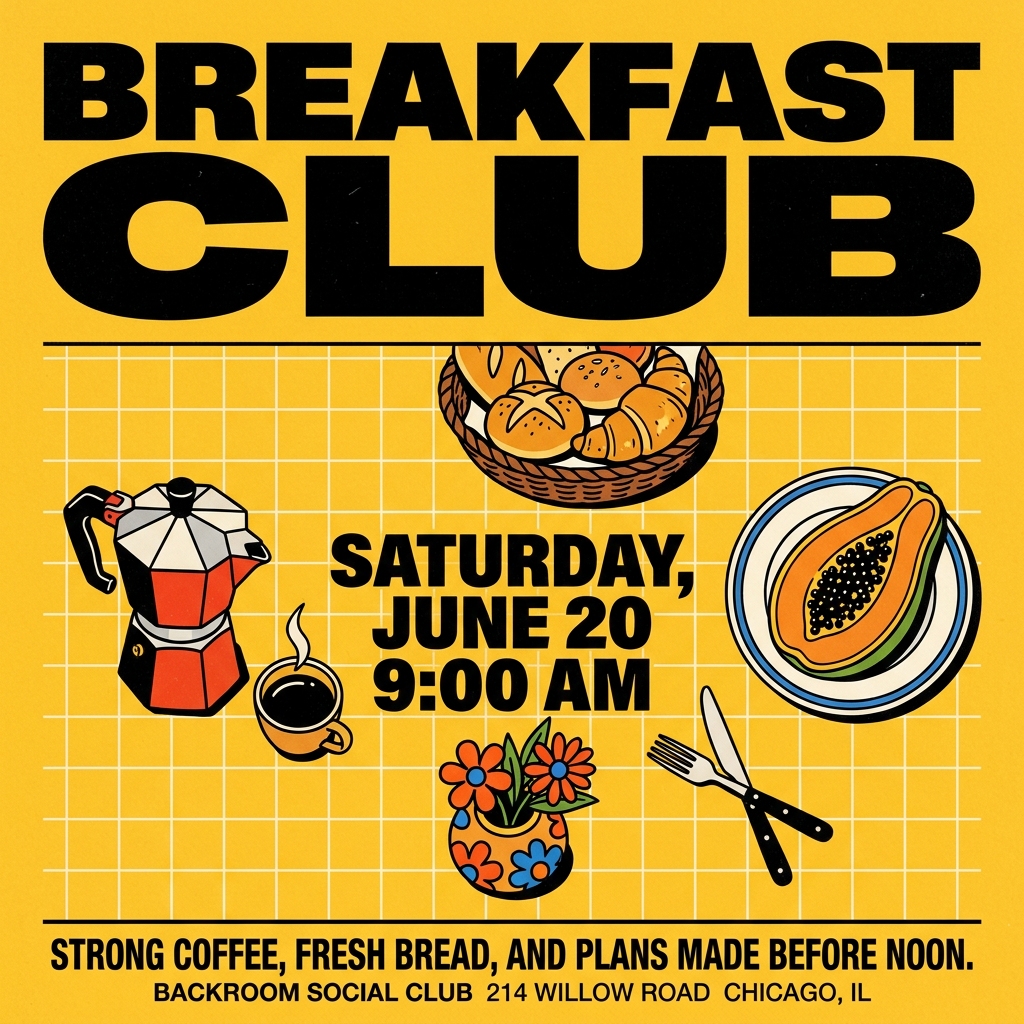
Turn your branding or event details into bold, nostalgic posters. It blends vibrant warm backdrops with a clean, retro square grid pattern to make any announcement look like a classic piece of mid-century graphic design.
Regenerate using your own assets.
Generate the image, but control the message
The breakthroughs from Ideogram, Midjourney, and others are genuinely exciting. They are phenomenal tools for the first step: creating a world, a mood, a visual foundation. But the final, most important step—communicating a specific, on-brand message—demands a level of control that single-prompt generation doesn't offer. For professional work, you need to be the one who validates the output, not the one fighting the model's whims.
By separating image generation from typography, you get the best of both worlds. You can harness the ever-improving power of more efficient AI models for your visuals while maintaining absolute authority over your brand's identity. MyUP is the platform that provides this control layer, turning AI's creative chaos into consistently on-brand content.