
You’ve tried it. You prompted for a “woman drinking coffee in a sunlit cafe, UGC style,” and you got back a perfectly lit, impossibly symmetrical person holding a flawless latte. It looks less like user-generated content and more like a high-end stock photo. It feels fake, your audience scrolls right past it, and your click-through rate suffers. You’re not alone in this frustration; the ‘uncanny valley’ of AI-generated people has been the biggest barrier to creating believable ad creative at scale.
The market is finally catching up. This week alone, we saw the launch of specialized tools like PersonaSwap on July 22, 2026, and new models like RealUGC-XL on July 21, all designed to solve one specific problem: making AI-generated people look like real, consistent individuals. This is a huge step forward. But for a performance marketer, a single realistic face is just the starting point. The real job is to turn that one 'actor' into a full campaign with dozens of variations, all on-brand. That's a production workflow problem, not just a generation problem.
Your AI-generated people look like stock photos, and it's killing your CTR
The entire point of user-generated content (UGC) is authenticity. It builds trust because it looks like something a real person, not a brand, would create. Most AI image generators are trained on vast datasets of professional photography, which means they default to perfect composition, studio lighting, and generic, smiling models. The result is content that screams 'AI-generated'.
This aesthetic clash is a conversion killer. When an ad is supposed to feel genuine but looks sterile, it creates distrust. Viewers can sense the inauthenticity, even if they can't articulate why. That hesitation is all it takes to lose the click. Your ad creative needs to feel native to the platform, reflecting the candid, imperfect style of a real user's camera roll, not a photographer's portfolio.
The market is responding: a new wave of tools promises consistency
The good news is that the AI industry is aggressively tackling this realism problem. The release of the RealUGC-XL model on Hugging Face on July 21, 2026, was a targeted attempt to create a model trained specifically on social media content to replicate that 'shot on a phone' look. Just a day later, on July 22, the beta launch of PersonaSwap on Product Hunt offered a solution to the other major hurdle: character consistency. It lets you upload a source photo and generate that same person across different scenarios.
These tools are excellent validation of the problem. They prove that generating a single, believable person is a critical need. However, for marketers and brand teams, they are point solutions. They solve one piece of a much larger puzzle. You get a consistent face, but what about the brand's aesthetic? The product integration? The ability to generate 20 A/B test variations for a campaign in an hour?
Why a consistent face isn't enough for a full ad campaign
Let's say you use a tool like PersonaSwap and get a great, consistent AI 'actor'. Now what? You still have to bring those images into another design tool to add brand elements, text overlays, and product shots. The lighting might be realistic, but does it match your brand's visual identity—gritty and high-contrast, or bright and airy? If you want to change the product the person is holding, you have to start over.
This is where the workflow breaks down. A real campaign requires:
- Brand Alignment: The overall mood, color palette, and style must feel like your brand, even in a UGC context.
- Scalability: You need to create dozens of assets for different channels and A/B tests, not just one or two hero images.
- Integration: The character, product, and brand elements must all live in the same production environment.
Generating a person is step one. Building a campaign is the entire job. That requires a platform built for the complete workflow.
The MyUP workflow: from a single 'actor' to a scalable campaign
This is precisely the gap MyUP is built to fill. We see character generation as a feature within a larger production system. Instead of juggling multiple tools, you can manage the entire process—from creating your consistent character to generating a full suite of on-brand ads—in one place.
It starts with MyUP's Brandkit. You build your brand identity once—colors, fonts, logo, and overall visual style—and it's automatically applied to every asset you create. This ensures that even your 'messy' and 'authentic' UGC-style content is subtly infused with your brand's DNA. You can learn more about how this compares to other methods in our guide on style reference vs. fine-tuning vs. Brandkit.
From there, you use a workflow to define your character and scene. The workflow automates the repetitive parts, allowing you to generate endless variations with your consistent actor in new settings, holding different products, or paired with different ad copy. This template for a lifestyle product shot is a perfect starting point.
Workflow code: #myup-seli-mtp0
Photo Product Ad
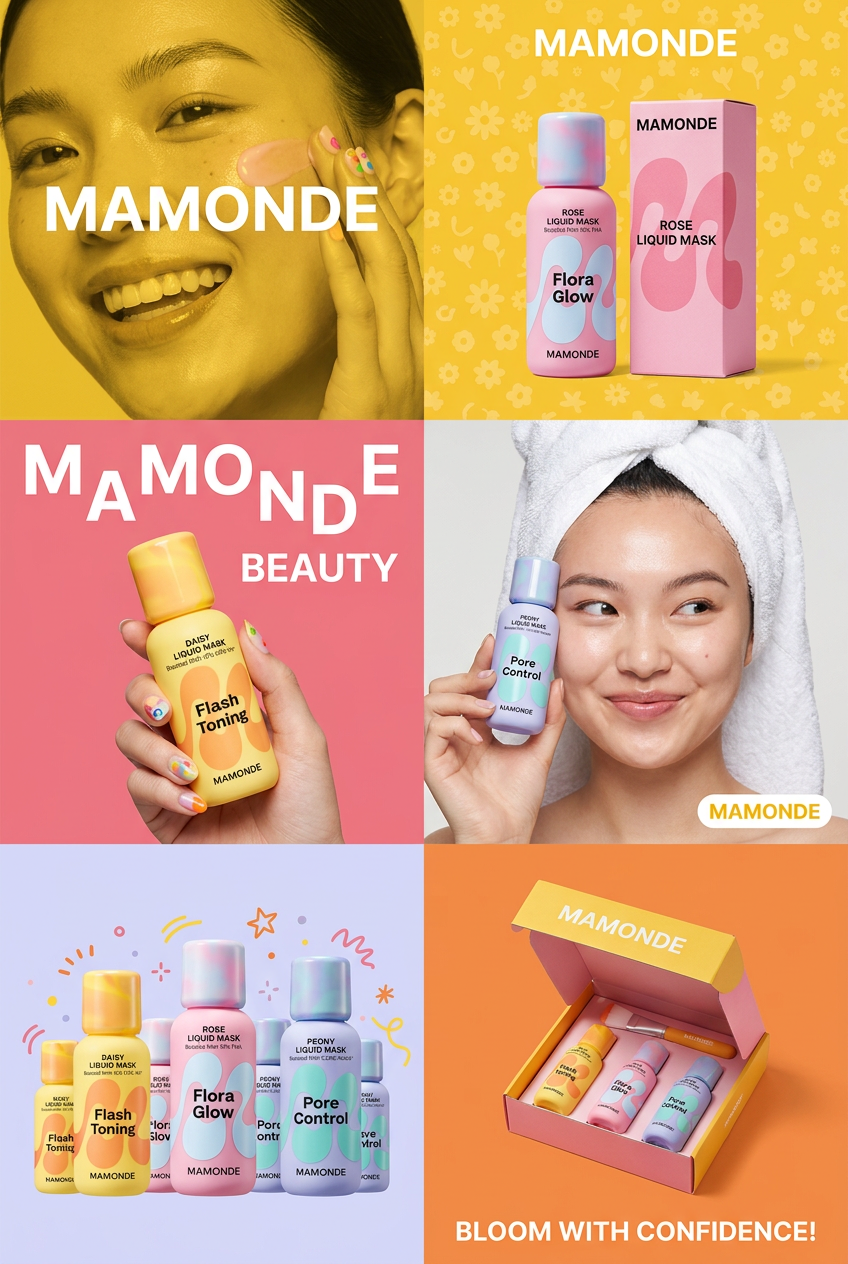
Get that high-end editorial look with a stacked, multi-panel campaign layout. It slices your brand visuals into a bold three-tier grid, pairing tight product close-ups right next to lifestyle shots for a cohesive, modern beauty poster.
Regenerate using your own assets.
Step-by-step: generate a week of UGC-style ads in one platform
Let's walk through a practical example. You're a direct-to-consumer apparel brand and need a week's worth of ad creative featuring the same model.
- Define Your Persona: Start by generating your AI 'actor'. You can use an image prompt or a detailed text description to create a person who matches your target demographic. Once you have a face you like, you can lock it in as a reference for all future generations in this workflow.
- Apply Your Brandkit: Ensure your MyUP Brandkit is active. This will automatically guide the AI's output, influencing everything from the color grading of the photo to the font used in any text overlay, ensuring brand consistency without manual effort.
- Generate Scene Variations: Now, run the workflow to place your actor in different contexts. A single prompt can become a batch of assets: your model wearing your hoodie in a coffee shop, walking in the park, and working from a home office. Each image maintains the same face and brand style.
- Iterate and Test: Instantly create variations for A/B testing. Change the call-to-action, swap the background, or alter the model's expression. Because it's a workflow, this takes seconds, not hours.
This workflow for a branded apparel post is designed to do exactly this, combining a consistent character with your product and brand identity.
Workflow code: #myup-3sro-edbt
Brand Clothes Post

Turn any outfit photo into a high-end fashion promo poster. It centers your subject in a full-body shot against a dark, dramatic studio backdrop, perfectly cropped for social feeds. It gives your apparel a moody, editorial look instantly.
Regenerate using your own assets.
Adapting the workflow for any product: from sportswear to software
This workflow isn't limited to fashion or physical products. The same principles apply to any brand that wants to use relatable human-centric visuals in its marketing.
- For a fitness app: Generate your consistent character in various workout scenarios—running outdoors, meditating at home, lifting weights at the gym.
- For a tech gadget: Show your AI persona using the device in realistic daily situations, like on a commute or at a desk.
- For a B2B service: Create images of your target professional (e.g., a project manager, a designer) in a clean, modern office setting, looking thoughtfully at a laptop screen.
The key is that MyUP's workflow separates the consistent elements (the person, the brand style) from the variable ones (the scene, the product, the action). This makes production incredibly efficient. For example, an activewear brand can generate high-energy, on-brand ads instantly with this template.
Workflow code: #myup-ywpr-rqz6
Professional Sportswear Ad
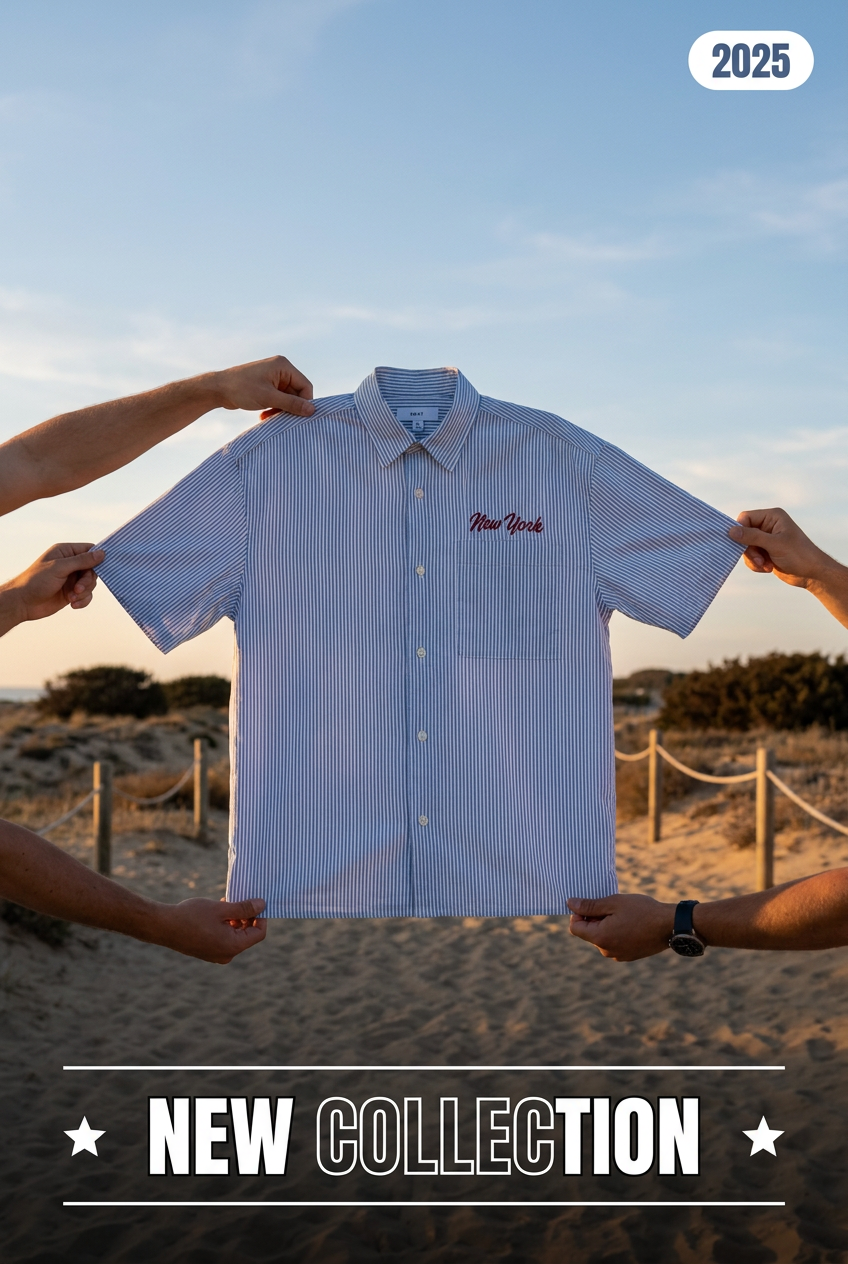
Suspends your apparel right in the center of a high-energy promo shot, held up by hands around the frame. It gives your shirts or jerseys a gritty, collaborative streetwear editorial look that feels alive and physical.
Regenerate using your own assets.
The final step: AI executes, you validate
The emergence of realistic AI UGC doesn't remove the need for a marketer's strategic eye. It elevates it. Instead of spending 80% of your time on manual production and 20% on strategy, MyUP flips the ratio. The AI handles the repetitive task of generating dozens of creative variations.
Your job is to validate the output. You are the human in the loop, curating the best images, identifying the creative that best communicates the message, and making the final call on which assets to push live. MyUP is the production engine that executes your vision at scale, letting you focus on the high-impact decisions that drive campaign performance. This is the same principle behind our workflows for more complex assets, like turning data into a compelling visual story with our AI infographic generator.
Generating a single realistic image has been solved. The next frontier is scalable, on-brand production, and that requires a true workflow platform.