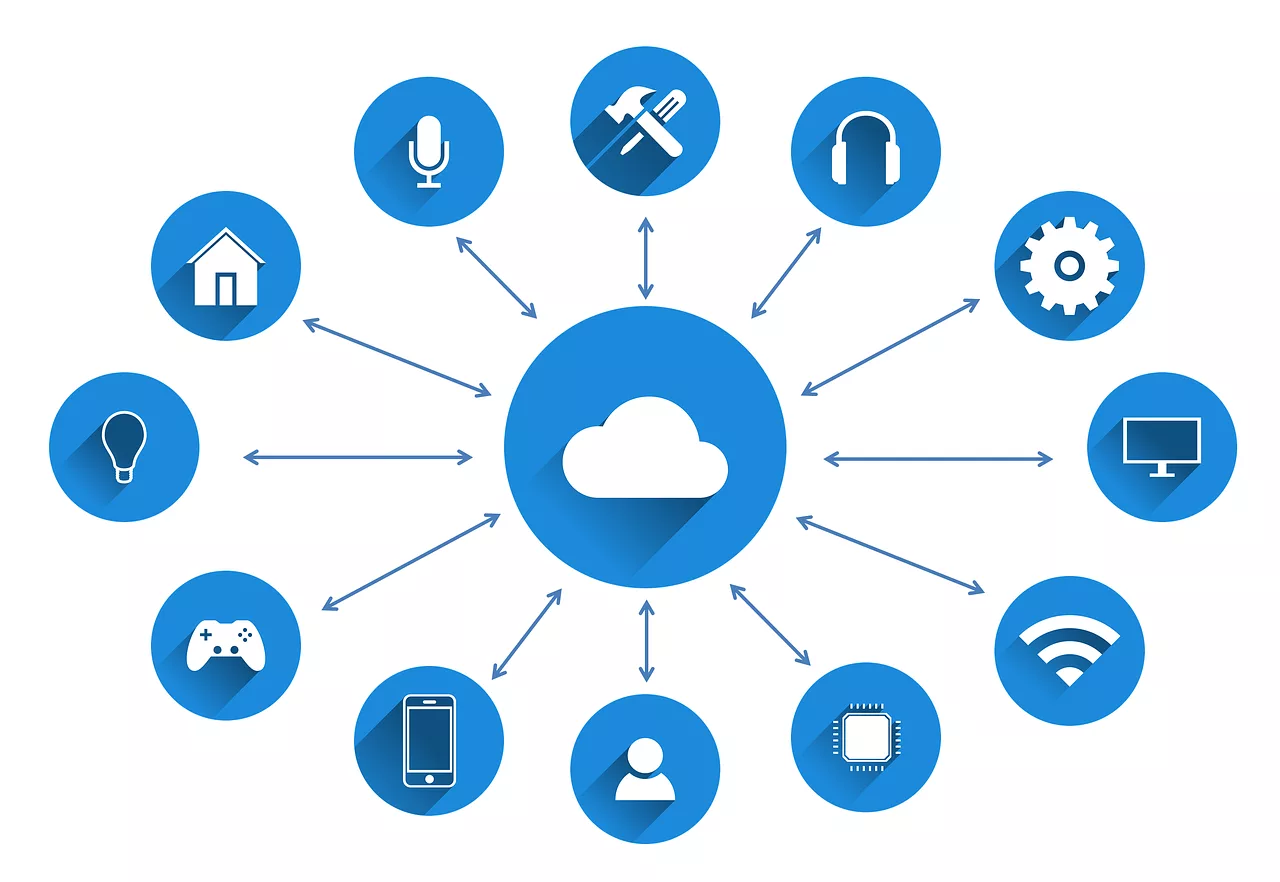
The game has changed: your three paths to AI style consistency
On July 20, 2026, the conversation about AI style consistency changed overnight. With the release of Midjourney v7 and its powerful new Style Reference (`--sref`) feature, getting a consistent aesthetic is no longer a secret reserved for developers. Suddenly, millions of creators have a one-click way to replicate a visual style. But is it the right way for a brand?
For any team trying to produce on-brand content at scale, visual consistency is non-negotiable. Until now, the options were limited and difficult. Today, there are three distinct paths you can take, each with major trade-offs in effort, cost, and true brand control.
- The Technical Route: Fine-tuning a model or training a LoRA. Powerful, but requires data science skills.
- The Feature Route: Using a tool-specific feature like Midjourney's `--sref`. Simple, but limited and creates platform lock-in.
- The System Route: Using a platform with a built-in Brandkit. A complete solution that integrates style, assets, and automation.
This guide breaks down all three methods, shows you the visual results side-by-side, and gives a clear verdict on which approach actually works for professional brand building.
Method 1: The hard way (fine-tuning and LoRAs)
Fine-tuning is the process of taking a pre-trained AI model and retraining it on a small, curated dataset of your own images. A LoRA (Low-Rank Adaptation) is a more efficient technique that achieves a similar result by creating a small file that 'steers' a base model towards your desired style. For years, this was the only way to get true stylistic control.
The process looks like this:
- Collect and prepare a dataset: You need hundreds, sometimes thousands, of high-quality images that perfectly represent your brand's aesthetic. This data must be cleaned, tagged, and formatted correctly.
- Set up a technical environment: You'll need specialized software, powerful GPUs (often rented in the cloud), and a working knowledge of Python and machine learning libraries.
- Train the model: You run the training process for several hours, tweaking hyperparameters to get the right balance of learning without 'overfitting' to your data.
- Host and manage the model: Once trained, you have to host this custom model file somewhere to use it, adding another layer of cost and complexity.
The results can be incredibly precise. A well-trained model knows your style inside and out. But the cost in time, money, and required expertise is enormous. It’s a solution built for AI researchers, not for marketing teams who need to ship a campaign next week. For most brands, this is like building a custom car engine when you just need to get to the grocery store. It's powerful, but it's the wrong tool for the job. For a deeper dive on the technicals, see our guide on fine-tuning vs. using a Brandkit.
Method 2: The quick fix (Midjourney's style reference)
Midjourney's Style Reference (`--sref`) feature is brilliantly simple. You give it an image, and it attempts to extract the aesthetic DNA—colors, textures, lighting, composition, mood—and apply it to your new prompt. The v7 update has made this remarkably effective for one-off generations.
It’s a fantastic tool for an individual artist exploring ideas. But for a brand, it’s a quick fix with serious limitations:
- It's only a style: A brand's visual identity is more than a mood. It includes logos, specific fonts, and defined color palettes. `--sref` can't incorporate these elements. You still have to add your logo and text manually in another program, breaking the workflow.
- It's a black box: You have little control over what aspects of the style the AI latches onto. You can get unpredictable results, forcing you to re-roll and hope for the best.
- It creates platform lock-in: Your 'style' is trapped inside Midjourney. You can't use it with other tools for video, animation, or design, forcing you to rebuild your brand look on every platform.
- It doesn't scale: Generating one image is easy. Generating a 20-asset campaign where every piece feels coherent and includes the correct branding elements is a manual, repetitive grind.
A feature is not a strategy. While `--sref` is a great step forward for creative exploration, it doesn't solve the core business problem of scalable, fully branded content production.
Method 3: The brand system (MyUP's Brandkit)
The third path is to use a platform designed for brand content from the ground up. In MyUP.ai, the solution isn't a single feature—it's a core system called the Brandkit. A Brandkit is a central, reusable profile that stores your entire visual identity, not just a reference style.
Here's what a MyUP Brandkit holds:
- Style DNA: Just like `--sref` or a LoRA, you can define your aesthetic with reference images and keywords.
- Logos: Upload your logo files once, and MyUP can intelligently place them on generations.
- Color Palettes: Define your exact brand colors (HEX codes) to ensure every asset is on-palette.
- Fonts: Upload your brand fonts to generate text that is consistently on-brand.
Instead of referencing a style for one image, you apply your entire Brandkit to every single creation. MyUP handles the production; you validate the results. This moves you from wrestling with a prompt to directing a system. You build your brand identity once, and then reuse it infinitely across hundreds of different tasks and templates, from social posts to product shots.
For example, you can apply your Brandkit to a sophisticated template like the one below to instantly generate visuals that feel like they came from a high-end editorial shoot, all while respecting your brand's core identity.
Workflow code: #myup-yk1h-uqy8
High-End Editorial Fashion Magazine Cover
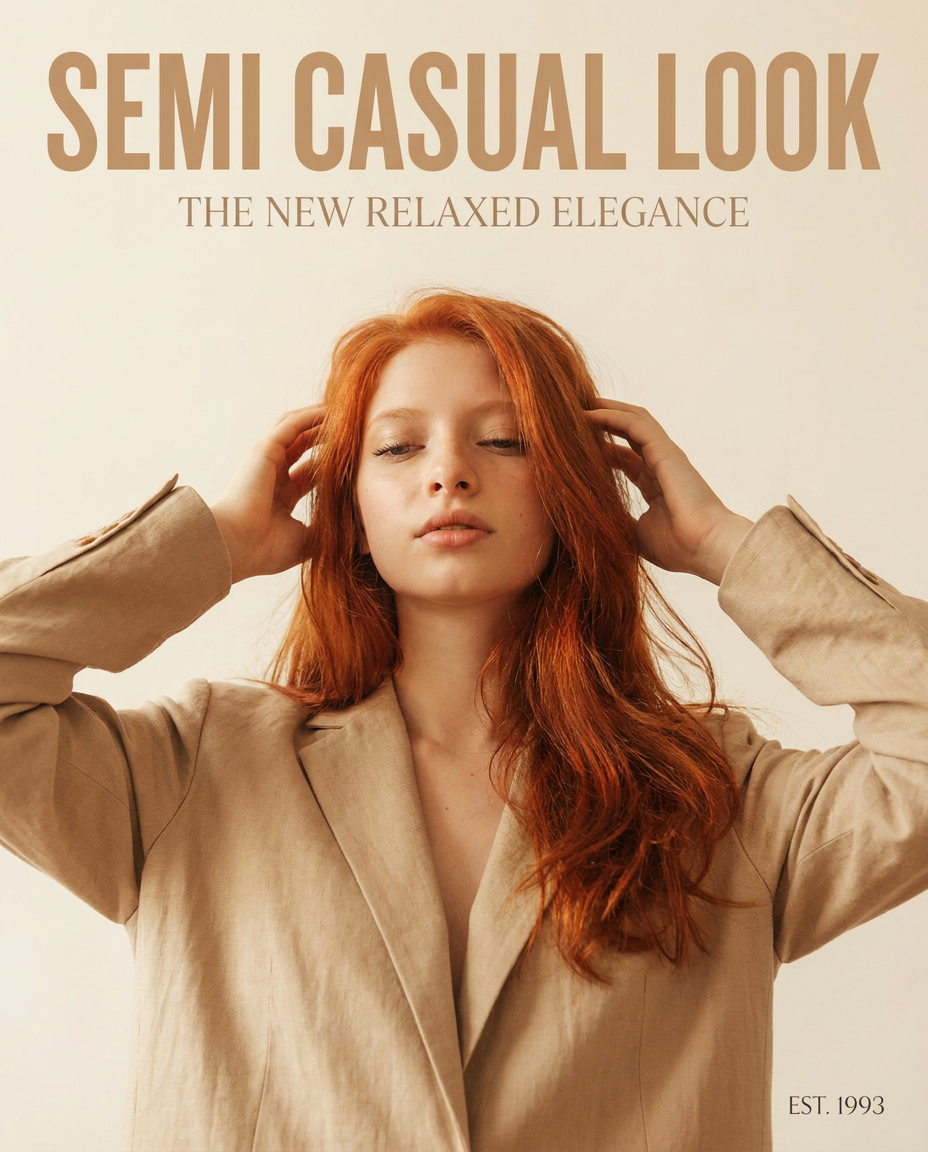
Drop in any portrait and turn it into a high-end editorial magazine cover. It frames your subject beautifully with relaxed, high-fashion posing and soft styling for a polished print aesthetic.
Regenerate using your own assets.
The visual test: Fine-tune vs. --sref vs. Brandkit
Let's put it to the test. We created a fictional brand, 'Aura,' with a defined aesthetic: minimalist, earthy tones, clean lines, and a specific logomark. We then tried to create a product shot using all three methods.
[Visually, this section would show three images side-by-side: one from a fine-tuned model, one from Midjourney using --sref, and one from a MyUP Brandkit workflow. The MyUP image would be the only one with the correct logo and perfectly on-palette colors.]
The fine-tuned model produced a beautiful image but required days of technical setup. The Midjourney `--sref` image captured the mood well but failed to include the logo and used near-miss colors. The MyUP Brandkit generation not only matched the style but also correctly applied the Aura logo and adhered to the precise brand color palette—all from a single workflow.
Here’s how the three methods stack up on the factors that matter to a business:
table{width:100%;border-collapse:collapse;}th,td{border:1px solid #ddd;padding:8px;text-align:left;}th{background-color:#f2f2f2;}CriteriaFine-Tuning / LoRAMidjourney --srefMyUP BrandkitEffort & SkillExtremely High (Data science)Very Low (One command)Low (One-time setup)CostHigh (GPU time, data)Medium (Subscription)Low (Included in subscription)ScalabilityLow (Complex to deploy)Low (Manual, one-by-one)Extremely High (Workflows)Brand IntegrationStyle onlyStyle onlyStyle, Logo, Colors & FontsFrom a single image to an automated campaign
The real difference becomes clear when you move beyond creating a single image and start thinking about producing a campaign. The goal for a brand isn't one perfect picture; it's a consistent stream of on-brand assets. This is where a feature-based approach breaks down and a system-based approach wins.
With a MyUP Brandkit, you connect your visual identity directly to automated workflows. You can generate an entire set of campaign visuals with a single prompt because the system already knows your brand rules. Need an elegant product poster? The Brandkit ensures it uses your style, fonts, and colors.
Workflow code: #myup-fy77-jljs
Minimalist Elegant Product Advertising Poster
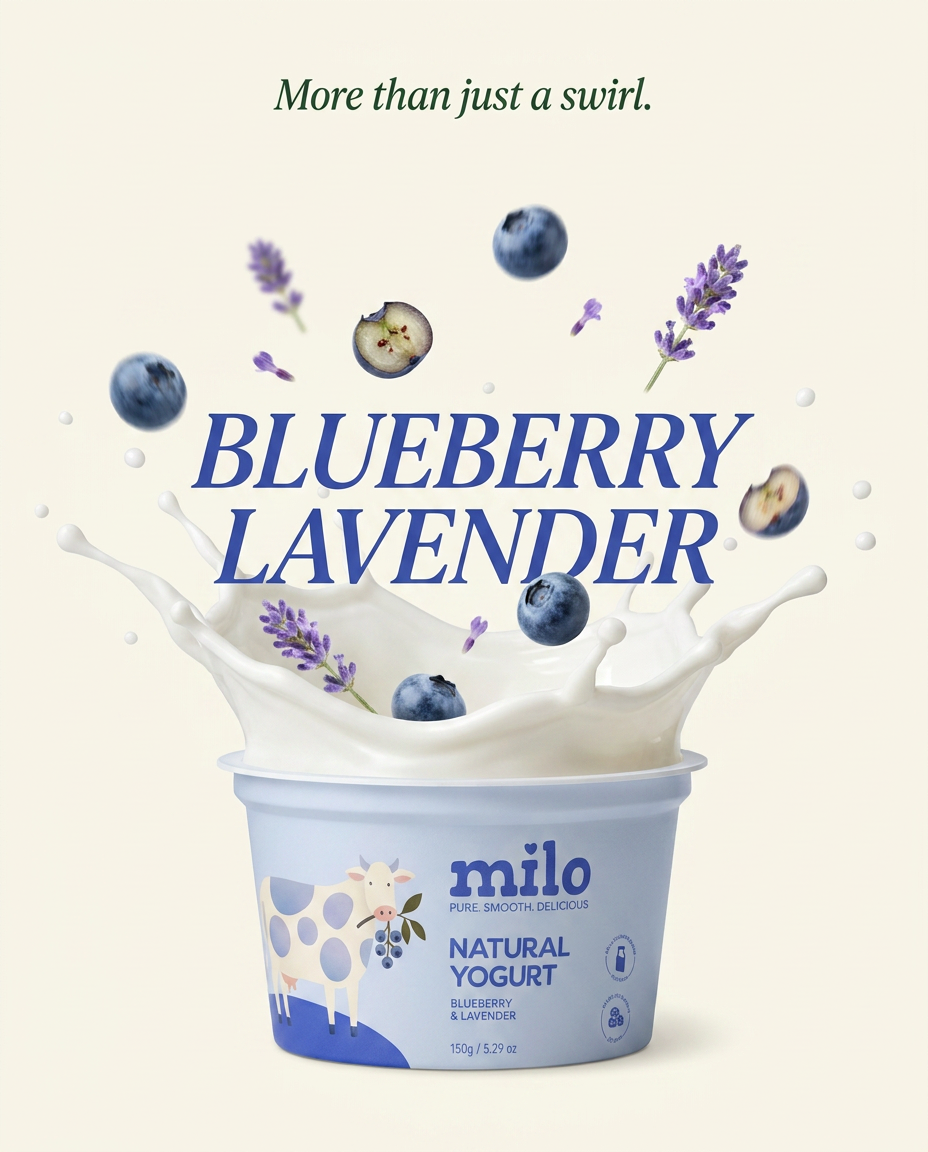
Turn any product shot into a high-end editorial ad. It places your item against a soft cream background with airy spacing and adds elegant, small serif typography at the top. Great for wellness or luxury brands wanting a calm, minimal aesthetic.
Regenerate using your own assets.
Need to switch gears for a dynamic sportswear ad? The same Brandkit adapts, applying your identity to a completely different context without you having to re-explain your style every single time.
Workflow code: #myup-ywpr-rqz6
Professional Sportswear Ad
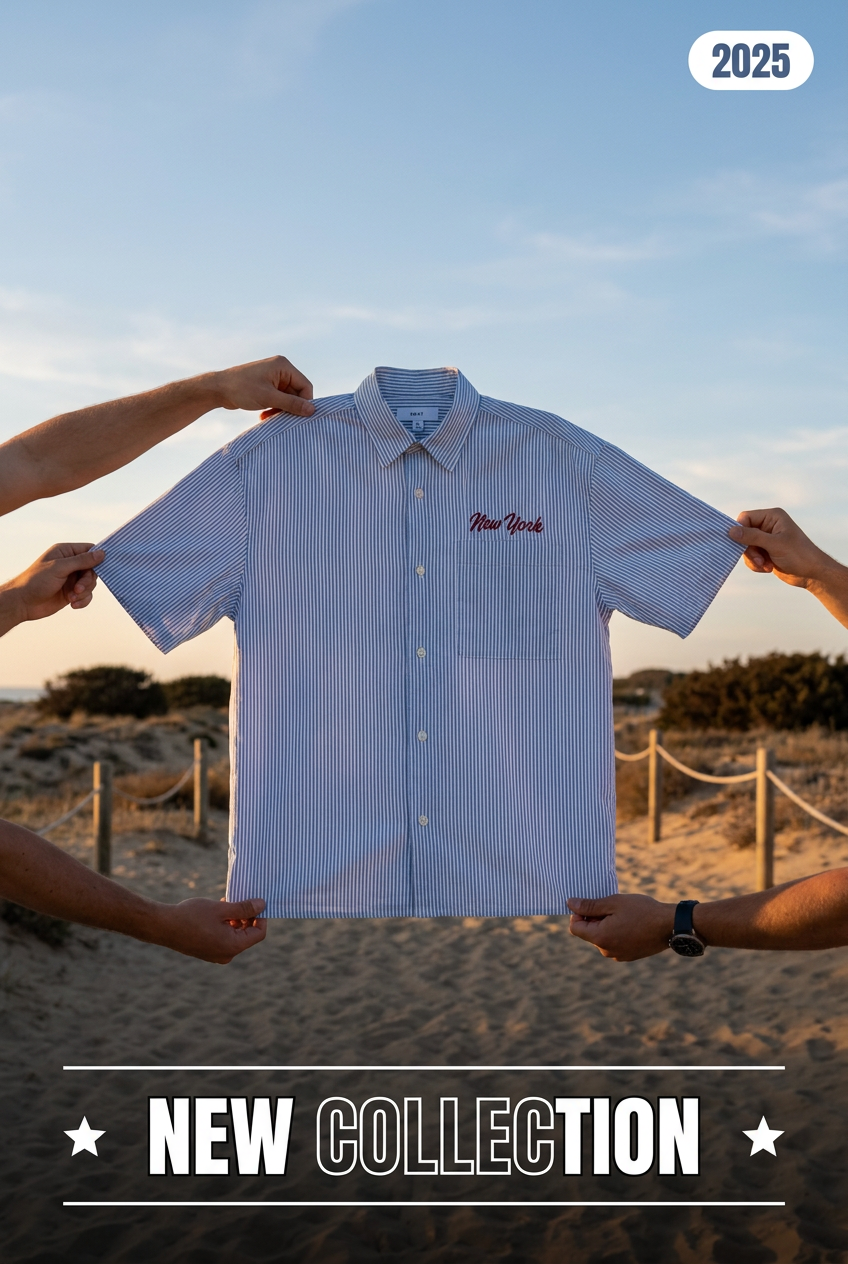
Suspends your apparel right in the center of a high-energy promo shot, held up by hands around the frame. It gives your shirts or jerseys a gritty, collaborative streetwear editorial look that feels alive and physical.
Regenerate using your own assets.
This is the core advantage: your brand becomes a reusable component in a content production machine. The user approves and adjusts; MyUP handles the repetitive production work.
Workflow code: #myup-gxue-opd0
Product Post
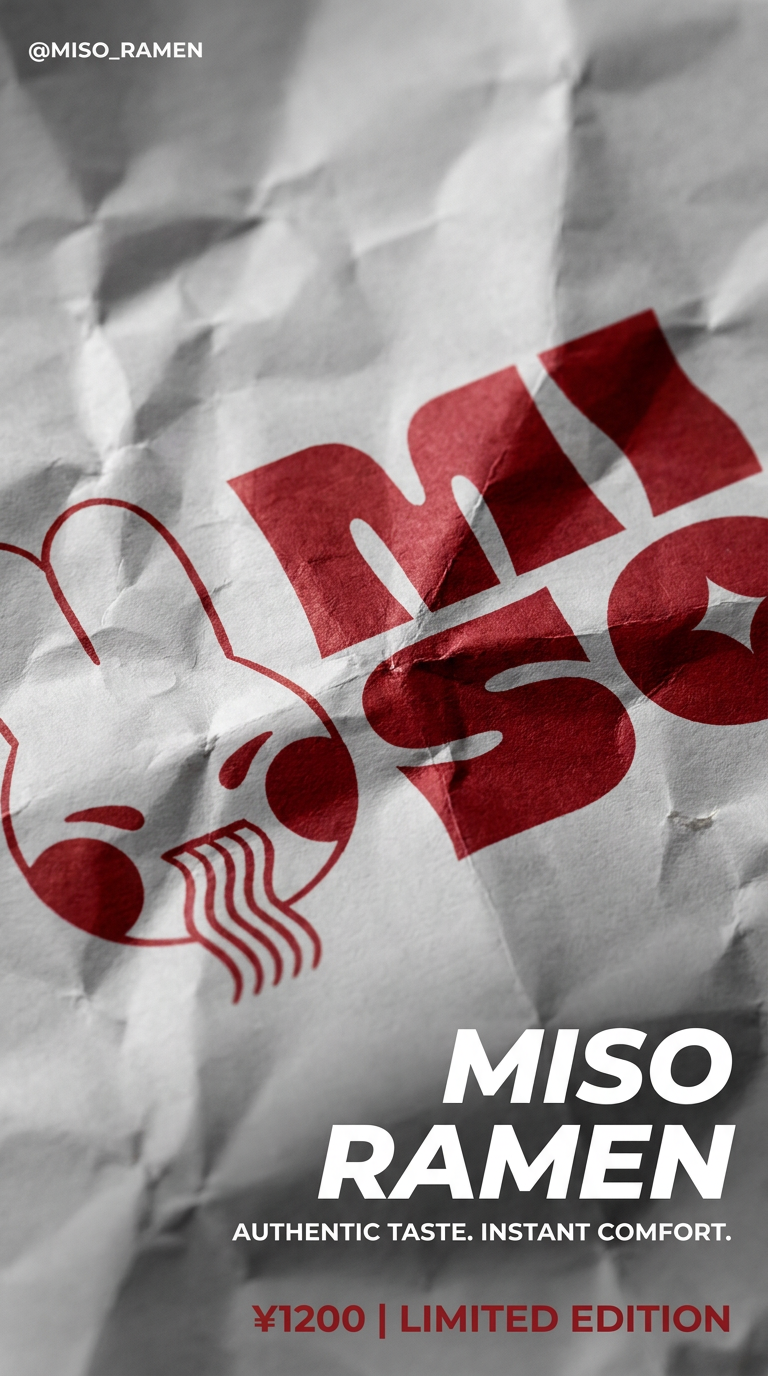
Turn a single product shot into a cohesive six-part Instagram story campaign. It mixes tactile crumpled paper textures with bold, stacked typography and custom mascot spots in your brand's signature colors.
Regenerate using your own assets.
The verdict: A feature is not a strategy
Midjourney's Style Reference is an exciting development, and fine-tuning remains a powerful technique for deep customization. If you are an artist making a single, beautiful image, `--sref` is an incredible tool. If you are a research lab building a new model, fine-tuning is essential.
But if you are a marketer, a founder, or a social media manager responsible for a brand's presence, you need more than a feature. You need a system. You need a reliable, scalable way to produce a high volume of content that is always, automatically on-brand.
That system is the Brandkit. It’s the strategic choice for teams who measure success not in single images, but in the coherence and efficiency of their entire content program. It connects your visual identity to your production workflows, letting you scale creative output without sacrificing brand integrity.
Ready to move beyond single images? Start by generating a multi-asset product post for your brand. The workflow below uses your Brandkit to create several variations at once, showing you the power of a true brand system.
Workflow code: #myup-kbgo-tlle
Product Brand Post
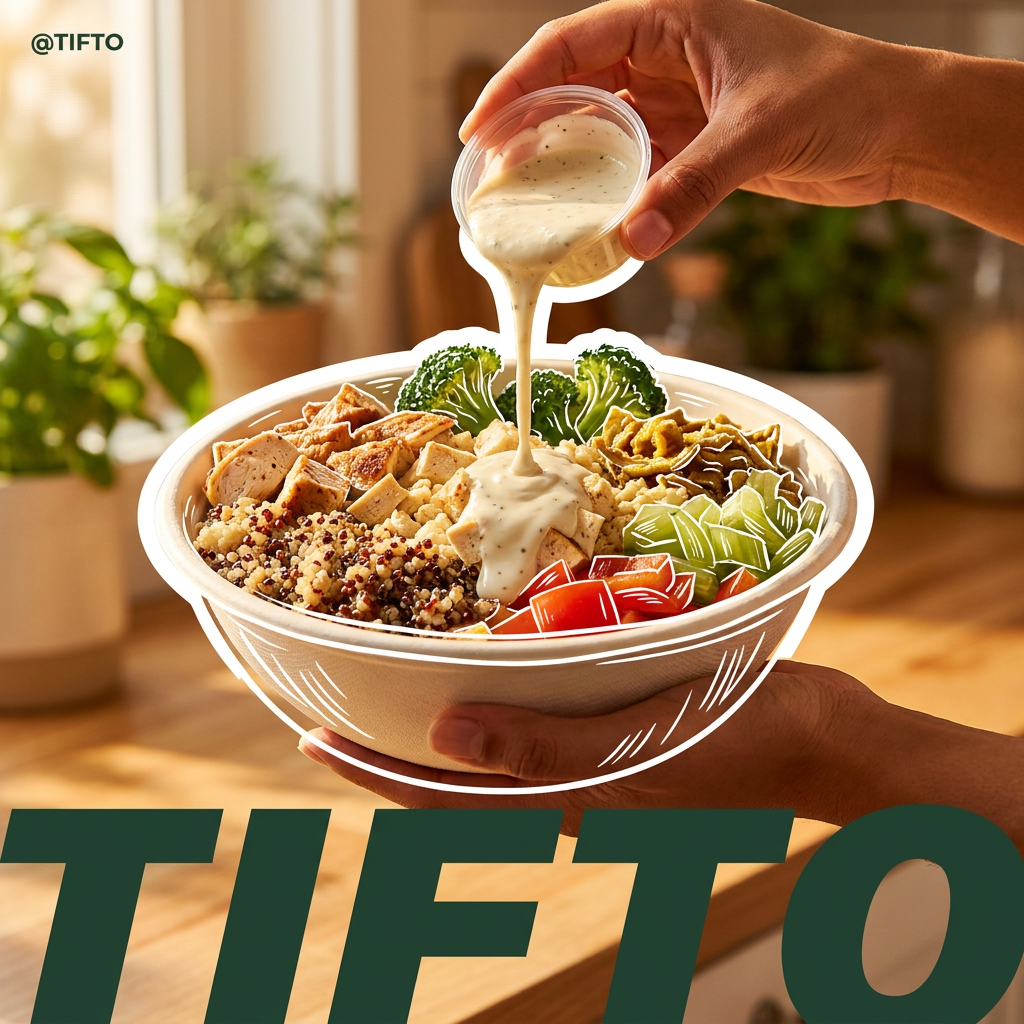
Drop in your product to generate a cohesive nine-post Instagram grid. It blends warm lifestyle photography and flat-lay packaging with bold hand-drawn doodles, collages, and urban billboard mockups. Everything automatically styles itself to your brand's colors.
Regenerate using your own assets.