You spend a day with your designer to get two versions of a new ad. You run the A/B test for a week, burn through the budget, and the result is a 4% lift in click-through rate. It's a win, but it's marginal. The whole process felt slow for such a small gain.
What if the creative that could have doubled your return on ad spend wasn't version B, but version M? The one with the bolder background, the benefit-driven headline, and the alternative call-to-action that you never had the time or resources to produce?
For most performance marketing teams, creative production is the bottleneck that limits testing velocity. You're forced to bet on just a couple of ideas when you should be testing the entire field. This is where a structured AI workflow changes the game. Instead of manually creating two options, you can generate twenty, all on-brand and ready to test, in the time it takes to get a coffee. This workflow shows you how.
Workflow code: #myup-zpby-tzie
Minimal Vibrant Product Advertising Poster
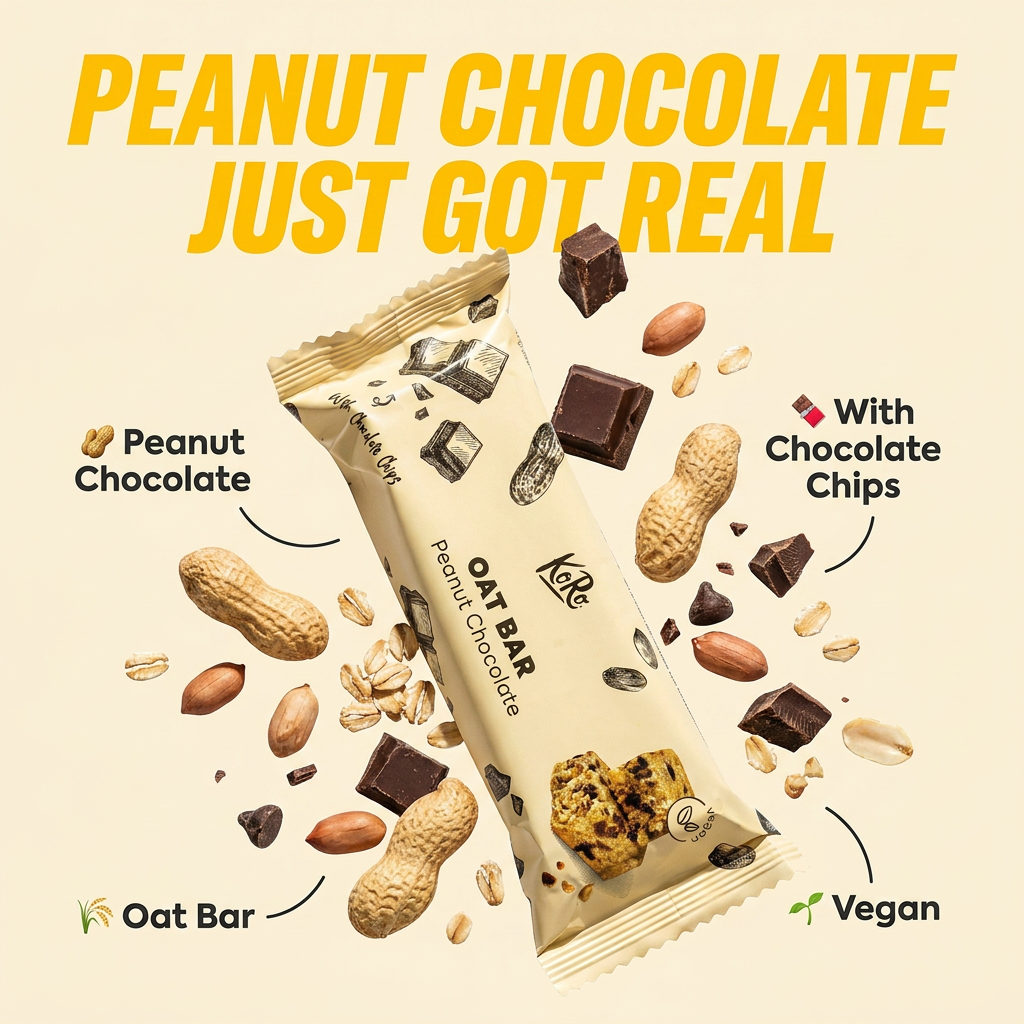
Drop in any product shot and watch it turn into a bold, high-energy square ad. It automatically reads your packaging to pull out the dominant colors and text, then builds a vibrant poster styled perfectly around your brand.
Regenerate using your own assets.
Why creative production is the real bottleneck in performance marketing
As ad platforms from Meta to Google become more automated, creative has become the single most important lever for performance. The algorithm can find the audience, but it can't invent a compelling message. That's your job. The problem is that traditional design workflows were never built for the scale and speed that modern ad platforms demand.
Creating a single ad variation involves briefing, design time, feedback rounds, and final approvals. Multiplying that by five or ten variations for a single test becomes operationally impossible for most teams. The result is that we test incrementally—a red button versus a blue button—because it's all we have the capacity for. We miss the big swings that lead to breakthrough results.
This isn't a failure of strategy; it's a failure of tooling. Generic AI image generators don't solve this. While they can produce striking one-off visuals, they fail at the structured, repeatable, and on-brand production needed for serious testing. You need a system designed not just for creation, but for variation at scale.
The 4-step workflow for scalable ad creative testing
This process moves you from the slow, limited world of A/B testing into scalable creative experimentation. It's about setting up a system where you can test dozens of ideas with minimal manual effort.
1. Establish your control creative
Start with a foundational ad layout. This can be a previous top-performing ad or a new design template that follows best practices for your target platform (e.g., a 9:16 vertical video ad for Reels). This isn't just an image; it's a structured template with defined areas for your product image, headline, logo, and call-to-action.
2. Define your test variables
Identify the key elements you want to test. Instead of thinking about one new headline, think of a list of five headline angles. Instead of one background, list four different styles or colors. Common variables include:
- Headline Text: Emotional hook, logical appeal, question, direct offer.
- Product Image: Different angles, in-context vs. plain background, with/without model.
- Background: Solid brand colors, abstract gradients, lifestyle photo, illustrative pattern.
- Call-to-Action (CTA): "Shop Now", "Learn More", "Get 20% Off", "Claim Your Trial".
3. Batch-generate variations with a workflow
This is where automation takes over. In MyUP, you feed your base template and your lists of variables into a workflow. The system then programmatically combines them, generating every possible variation. If you have 4 headlines, 3 backgrounds, and 2 CTAs, the workflow produces 24 unique, ready-to-use ad creatives in a single run. The user's role is to define the strategy and variables; MyUP handles the production.
4. Review and launch
AI executes, but you validate. The output is a complete set of ad creatives for you to review. Because the entire process is built on your brand's foundation, you're not fixing basic errors. You're making strategic choices about which of the generated options are strongest. Approve the batch and upload them to your ad platform to run your large-scale test.
What to test: 5 variables that actually move the needle
Knowing how to generate variations is only half the battle. Knowing what to test is what drives results. Move beyond simple color swaps and test these high-impact elements:
- Messaging Angle: Test a pain-point-focused headline ("Tired of X?") against a benefit-focused one ("Finally achieve Y").
- Visual Style: Pit a clean, minimalist product shot against a vibrant, busy lifestyle image. For a food brand, this could be a studio shot versus an image of people enjoying the product. The 'Vertical Gourmet French Fry Ad' workflow is a great starting point for this. Workflow code: #myup-fts6-4ihp
- Human Element: Test creative with a person making eye contact against creative with no people at all. Does your audience respond to a human connection or a clear product focus?
- Offer Framing: Compare "Save $20" against "25% Off". Even if the value is identical, the way it's framed can have a significant impact on conversion rates.
- Composition: Test different layouts. Adobe's recent 'Structure Reference' feature in Firefly validates the industry-wide need for compositional control. A workflow allows you to test a centered product shot versus an asymmetrical layout, for example, while keeping all other elements consistent. You can explore different approaches to this in our guide to AI product photography for e-commerce brands.
How to maintain brand consistency across every single variation
The single biggest risk of using AI for ad creation is brand dilution. A test with 20 variations is useless if they all have the wrong font, a distorted logo, or a color palette that clashes with your brand identity. This is the critical failure of prompting a generic tool like Midjourney for commercial work—you get creative chaos, not a coherent campaign.
Effective testing requires every variation to feel like it came from the same brand. This is where a Brandkit is non-negotiable. MyUP builds your Brandkit once by pulling your visual identity—colors, fonts, logo, and overall style—from your website URL.
From that point on, every asset the workflow generates automatically inherits these rules. The headline will always be in your brand font. The background will use your approved color palette. Your logo is placed correctly every time. This built-in consistency means you can scale your testing fearlessly, knowing that every single ad creative reinforces your brand identity rather than undermining it.
From A/B testing to always-on creative optimization
The goal of this workflow isn't just to run one bigger, better A/B test. It's to fundamentally change your operating model from slow, periodic tests to a state of continuous creative optimization. When you can generate and test dozens of ideas in a day instead of a week, you create a powerful feedback loop.
You learn faster what your audience responds to. You can react to market trends with fresh creative instantly. You can build a library of proven concepts to iterate on. By turning creative production from a bottleneck into an accelerator, you unlock a new level of growth that is driven by a constant stream of high-quality, on-brand, data-backed creative.