
If you work in performance marketing, you might have noticed something strange on June 26, 2026. According to Google Trends, search interest for 'AI A/B testing ads' exploded with a greater than 5,000% spike. This wasn't a random event. It was the market waking up to a new reality: the cost and time required to generate creative variations just dropped by a factor of 1000.
This shift is driven by hyper-efficient new models, but the technical details aren't what matter to you. What matters is that the old constraints on creative testing—the designer's time, the cost of photoshoots, the slow turnaround—are gone. The question is no longer 'Which three ad variations should we test?' The question is, 'How do we build a system to test 300?' This article provides the answer and the workflow to execute it.
From 5 variations to 500: The new math of creative performance
For years, A/B testing creative has been a game of careful bets. You'd ask your designer for a few variations: maybe one with a different headline, another with a blue background instead of red, and a third with a different call-to-action. Each variation represented hours of work and a real cost. The goal was to pick a winner from a small, manageable pool of candidates.
That entire model is now obsolete. The new competitive edge in advertising isn't about guessing the one 'perfect' ad. It's about building a high-velocity testing engine. Instead of testing a few hypotheses, you can now test hundreds simultaneously:
- Headlines: Test 20 different value propositions.
- Backgrounds: Test your product in a studio, in nature, in an urban environment, on a colorful gradient.
- Models: Test different demographics, expressions, and styles.
- Art Direction: Test photorealistic shots against graphic illustrations or user-generated content styles.
Trying to manage this scale with traditional tools is impossible. It creates chaos, brand inconsistency, and a mountain of assets that nobody can track. To win, you don't need a better image generator; you need a better system. You need a workflow.
The workflow for generating hundreds of on-brand ad variations
This isn't a theoretical exercise. You can build this testing engine today on MyUP. The process is about systematically generating variations while maintaining tight control over your brand identity. Here’s how it works.
Step 1: Anchor your test in a solid visual concept
Massive variation without a consistent foundation is just noise. A successful test starts with a strong, repeatable creative concept. This is your control group. In MyUP, you don't start from a blank canvas. You start with a workflow that establishes the core composition, style, and layout.
For an e-commerce brand, a clean, minimalist product shot is the perfect starting point. It isolates the product and provides a flexible canvas for testing variables like backgrounds and taglines. This template is an ideal foundation.
Workflow code: #myup-sygb-rhnt
Minimalist Vertical Product Advertising Poster
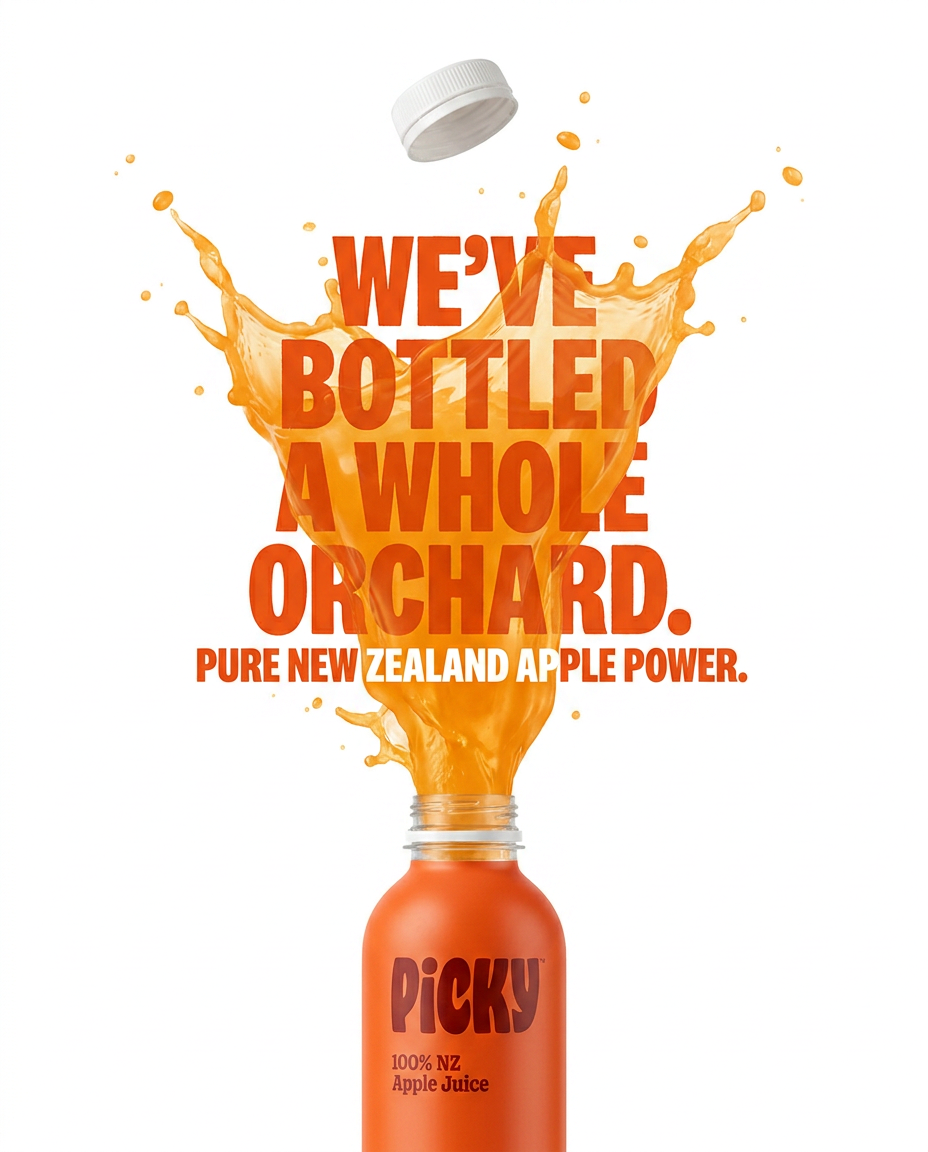
Drop the clutter and put your product in the spotlight. This setup places your item against a pure, seamless white background with a striking vertical flow that draws the eye straight up. It's perfect for creating clean, high-end studio posters.
Regenerate using your own assets.
Step 2: Isolate your variables for clean results
The key to a useful A/B test is changing only one variable at a time. If you change the model, the headline, and the background all at once, you'll have no idea which element was responsible for the lift in performance. A workflow-based approach makes this easy.
Define your core concept, then instruct the workflow to iterate on a single element. For example, you could test a sportswear ad against different audience segments by changing only the athlete and the environment. One variation could feature a runner on a city street at dawn, another a yogi in a serene studio, and a third a weightlifter in a gritty gym—all while the product, branding, and layout remain identical. This workflow is built for exactly that kind of dynamic, audience-specific testing.
Workflow code: #myup-ywpr-rqz6
Professional Sportswear Ad
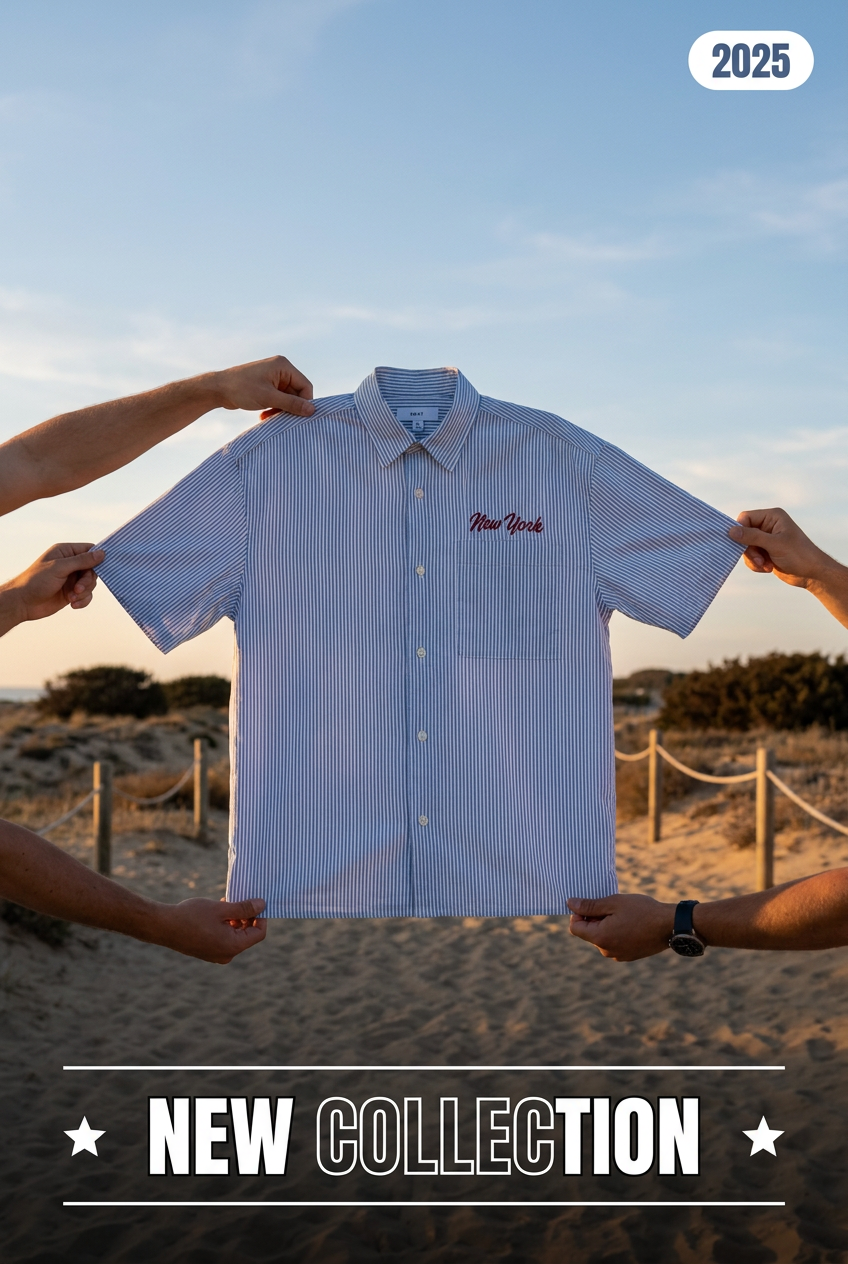
Suspends your apparel right in the center of a high-energy promo shot, held up by hands around the frame. It gives your shirts or jerseys a gritty, collaborative streetwear editorial look that feels alive and physical.
Regenerate using your own assets.
Step 3: Automate generation and maintain brand control
This is where most AI tools fail performance marketers. Generating a single stunning image is easy. Generating 200 variations that all feel like they came from your brand is hard. This is because most tools have no concept of brand identity. The result is a collection of visuals with slightly different logos, incorrect fonts, and off-brand colors.
MyUP solves this with the Brandkit. Before you generate anything, you set up your Brandkit once by providing a URL. MyUP automatically extracts your logo, color palette, and fonts. From that point on, every asset generated through a workflow automatically adheres to your brand guidelines. Your logo is placed perfectly every time. Your brand's specific shade of blue is always correct. Your headline font is never swapped for a generic one.
The marketer provides the strategic direction—the variables and hypotheses to test. MyUP executes the production, ensuring every single output is brand-safe and campaign-ready. For a CPG brand, this means you can test dozens of lifestyle settings for a new drink without ever compromising the core packaging and brand treatment.
Workflow code: #myup-cqnu-i50m
Drink Product Ad
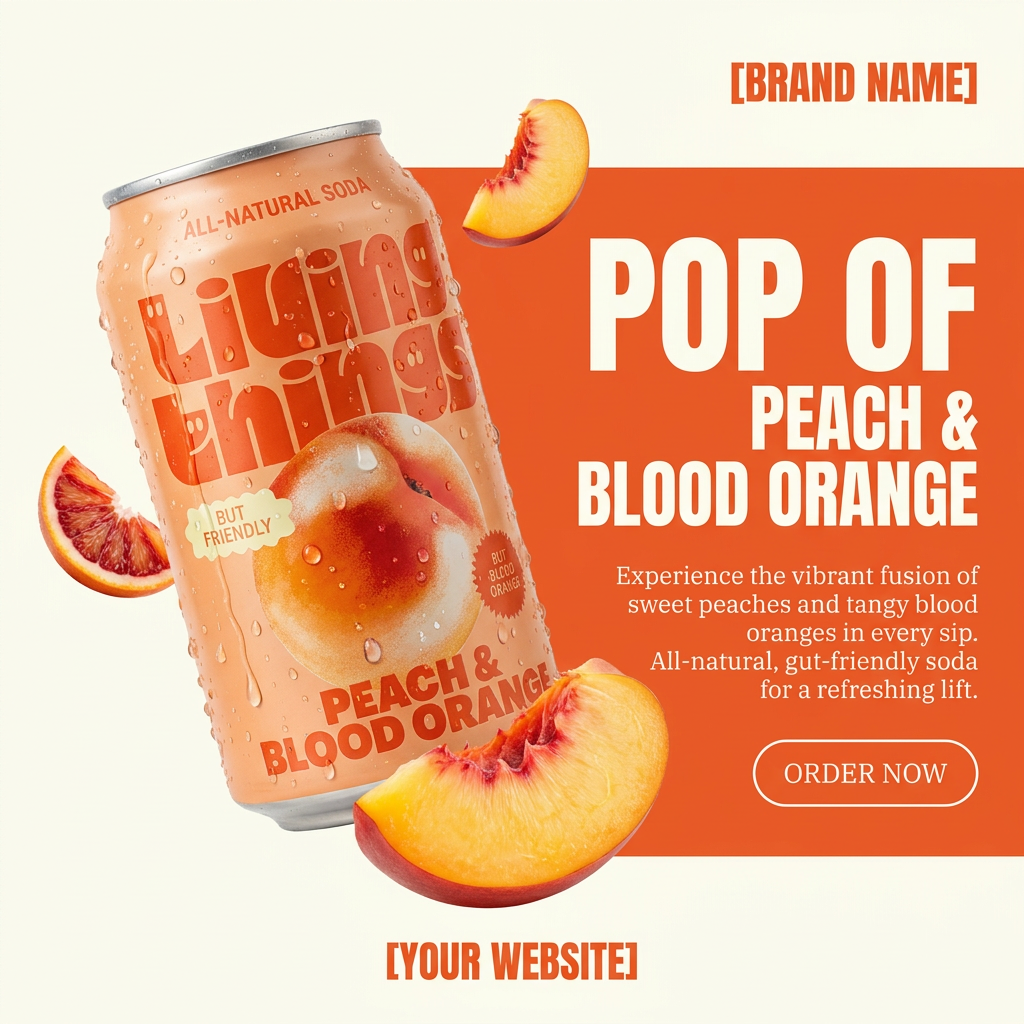
Turn any product photo into a bold, modern ad poster. It automatically frames your item against a split-color background, pairing a clean cream tone with a solid block of your product's dominant color. Super clean, minimal, and ready for social feeds.
Regenerate using your own assets.
The biggest pitfall: Drowning in data without a system
Generating hundreds of ads is the easy part. The hard part is managing the test and interpreting the results without getting lost. This new scale demands operational discipline. Simple things like a clear naming convention for your assets (e.g., `product-ad_background-urban_headline-v1`) become critical.
This reinforces why a workflow-based platform is essential. MyUP isn't just a generator; it's an operational system. It turns a chaotic creative process into a predictable, manageable production line. By structuring your creation process from the start, you make the subsequent steps of uploading to an ad platform, running the test, and analyzing the data infinitely simpler. You move from being a reactive creative requestor to the architect of a scalable performance engine. That's what this new era of AI-powered creative is all about, and you can find a more detailed breakdown in our practical workflow for AI ad creative testing.
Stop guessing, start testing
The sudden interest in AI A/B testing isn't just hype. It's a rational response from marketers who now have access to tools that can finally match the speed and scale of their ambitions. The goal is no longer to anoint a single creative champion through a slow and expensive process. The goal is to build a system that constantly tests, learns, and improves. MyUP provides the workflows and brand controls to build that system today.