
You've probably heard the term 'fine-tuning' floating around. With new developer-focused models like Inkling making headlines in July 2026, it’s being pitched as the ultimate solution for getting an AI to understand your brand's unique visual style. The promise is a custom AI model, trained exclusively on your aesthetic, that generates on-brand images every single time.
It sounds like the holy grail for brand consistency. But what does it actually take to fine-tune a model? And more importantly, is it the only way—or even the best way—for marketers and creative teams to get a custom AI style for their brand?
The promise of fine-tuning: a custom AI model just for your brand
In simple terms, fine-tuning is the process of taking a powerful, general-purpose AI image model and retraining a small part of it on a very specific set of images. You feed it hundreds or thousands of examples of your brand’s photography, illustrations, and designs. The goal is to teach the model your specific visual language—your color palette, your lighting, your subject matter, your compositional quirks—so that it defaults to your style instead of a generic one.
Think of it like hiring a world-class artist and then putting them through an intensive, multi-week onboarding program focused entirely on your brand's style guide. The end result is a specialist model that speaks your brand's visual language fluently.
The reality check: why fine-tuning is overkill for most creative teams
While the concept is powerful, the execution is a classic developer-centric workflow. For a marketing or creative team, it introduces significant practical barriers that are often glossed over in the hype.
- The Data Headache: You need a large, meticulously curated, and consistently labeled dataset of your brand's visuals. This isn’t just a folder of past campaigns; it’s a clean, organized collection where every image is a perfect example of your style. Garbage in, garbage out.
- The Technical Barrier: Fine-tuning requires specialized skills. You need someone comfortable with Python, cloud computing environments (like AWS or Google Cloud), and the specific architecture of the model you're using. This is the work of a machine learning engineer, not a brand manager or designer.
- The Cost and Time: Training a model requires significant computational power, which costs money. You’re paying for server time, and if your first attempt doesn't produce the right results, you have to adjust your dataset and run the process again. It can take days or weeks to get a usable result.
- The Rigidity Problem: A fine-tuned model is a 'frozen' snapshot of your brand at a specific moment. What happens when you have a seasonal campaign with a different color palette? Or when your brand undergoes a visual refresh next year? You have to go through the entire costly and time-consuming fine-tuning process all over again. The model can’t adapt with you.
The goal isn't a fine-tuned model, it's a consistent visual identity
This is the critical pivot. As a creator or marketer, your job isn't to build a custom AI model. Your job is to produce a high volume of on-brand content, quickly and efficiently. The model is just a means to an end, and a very complicated one at that.
What you actually need is a system that applies your brand's visual identity—your colors, fonts, logo, and stylistic principles—to every single asset the AI generates. You need a system that is flexible, editable, and puts creative control in your hands, not in the hands of an engineer. You need a living style guide for your AI, not a static, black-box model.
The no-code alternative: using a Brandkit as your 'managed fine-tune'
This is precisely why we built the Brandkit feature into MyUP.ai. It delivers the practical outcome of fine-tuning—total brand consistency—without any of the technical overhead. It’s a no-code, ‘managed fine-tune’ that you control.
Here’s how it works: you simply give MyUP your website URL. It scans your site and automatically extracts your brand’s core visual elements: your color palette, your typography, and your logo. Then, you can add descriptive words to define your style, such as 'minimalist product photography,' 'vibrant and energetic illustrations,' or 'cinematic and moody lighting.' That’s it. Your Brandkit is created in about 30 seconds.
From that moment on, every asset you create on MyUP, whether it’s a single image or a multi-step workflow, will automatically inherit these brand rules. The AI is guided by your Brandkit for every generation. The user—you—validates the output and makes creative adjustments, while MyUP handles the production. It’s a living, editable system. If your brand evolves, you just update your Brandkit. The change is instant.
Ready to see how it works? This workflow lets you create a bold poster using your brand elements. MyUP will apply your Brandkit's colors and fonts automatically.
Workflow code: #myup-n0bi-2wzk
Bold Editorial Grid Poster
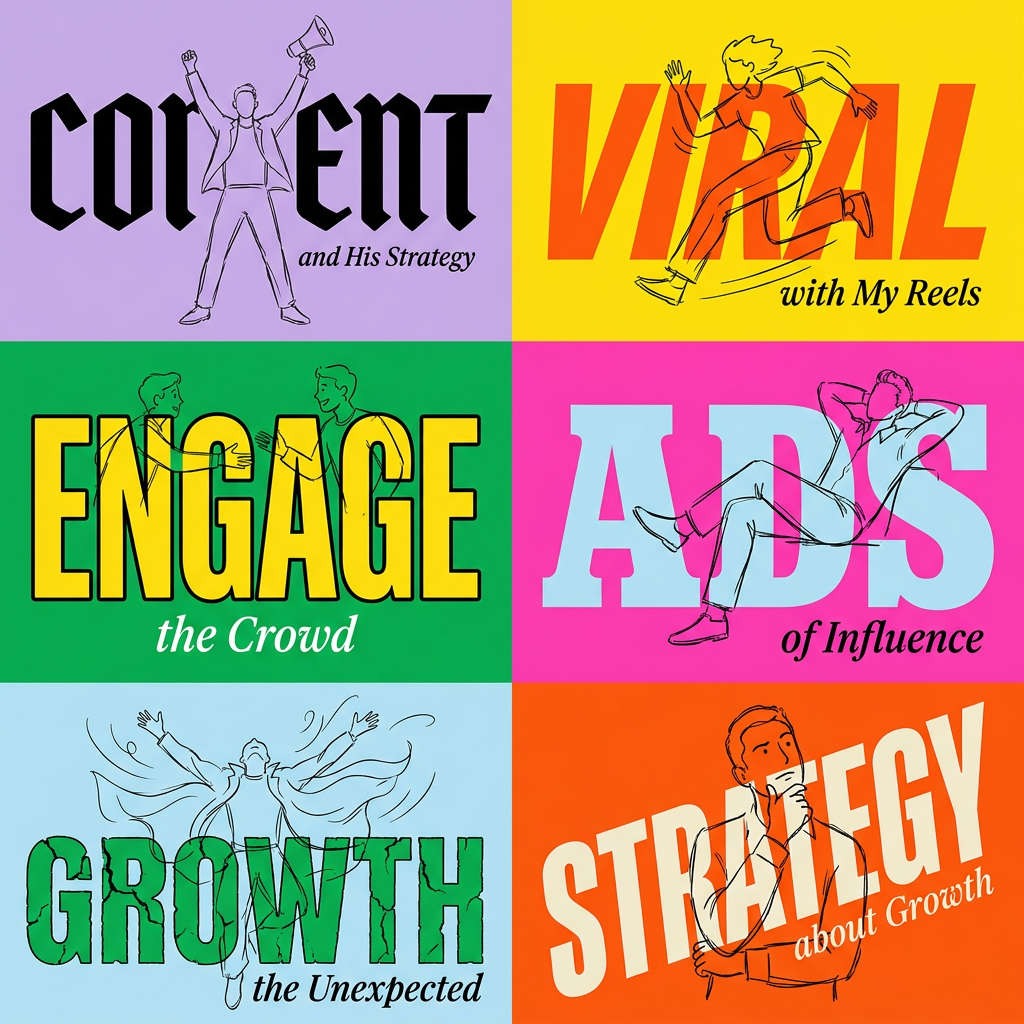
Create striking 2x3 editorial posters with six seamless, flat-color square cards in a perfect 4:5 grid. There are absolutely no gaps between the blocks, giving your content a bold, high-contrast magazine layout. It looks incredibly clean on any social feed.
Regenerate using your own assets.
From brand identity to campaign assets: a repeatable workflow
The real power of a Brandkit becomes clear when you move beyond single images and start producing campaign assets at scale. Once your Brandkit is defined, it becomes the foundation for all your content. You aren't just generating random images that you hope look right; you are running a production system.
Imagine you need a new product ad. Instead of starting from a blank canvas and wrestling with prompts, you can launch a workflow designed for product advertising. MyUP will automatically apply your Brandkit—your colors, fonts, and style—to the output, ensuring the final asset feels like it came from your design team. You can test this right now with the workflow below.
Workflow code: #myup-zpby-tzie
Minimal Vibrant Product Advertising Poster
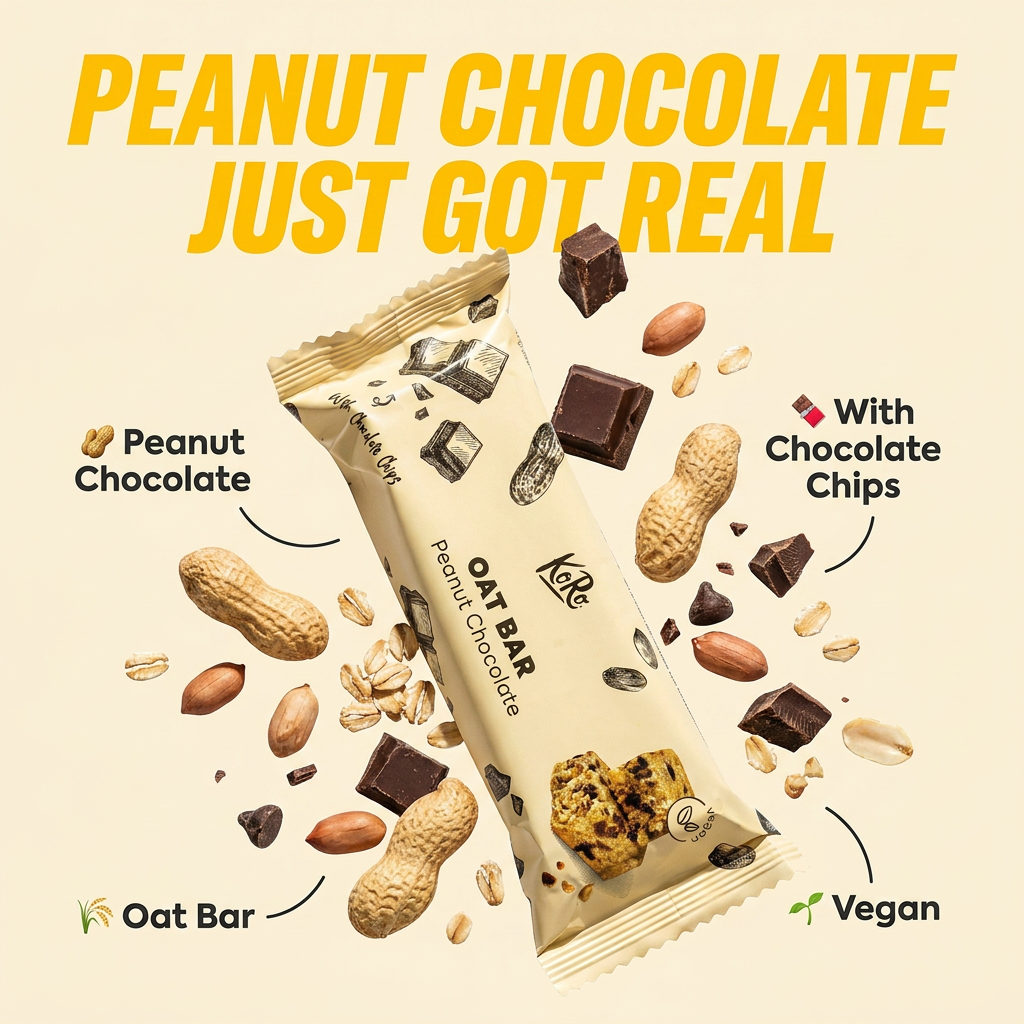
Drop in any product shot and watch it turn into a bold, high-energy square ad. It automatically reads your packaging to pull out the dominant colors and text, then builds a vibrant poster styled perfectly around your brand.
Regenerate using your own assets.
Need a different format for another platform, like a vertical ad for social stories? You can use a different workflow, but the same Brandkit applies, ensuring visual harmony across the entire campaign. This is how you solve the production bottleneck without sacrificing brand integrity. For a great example of how this works for food brands, try this template.
Workflow code: #myup-fts6-4ihp
Vertical Gourmet French Fry Ad
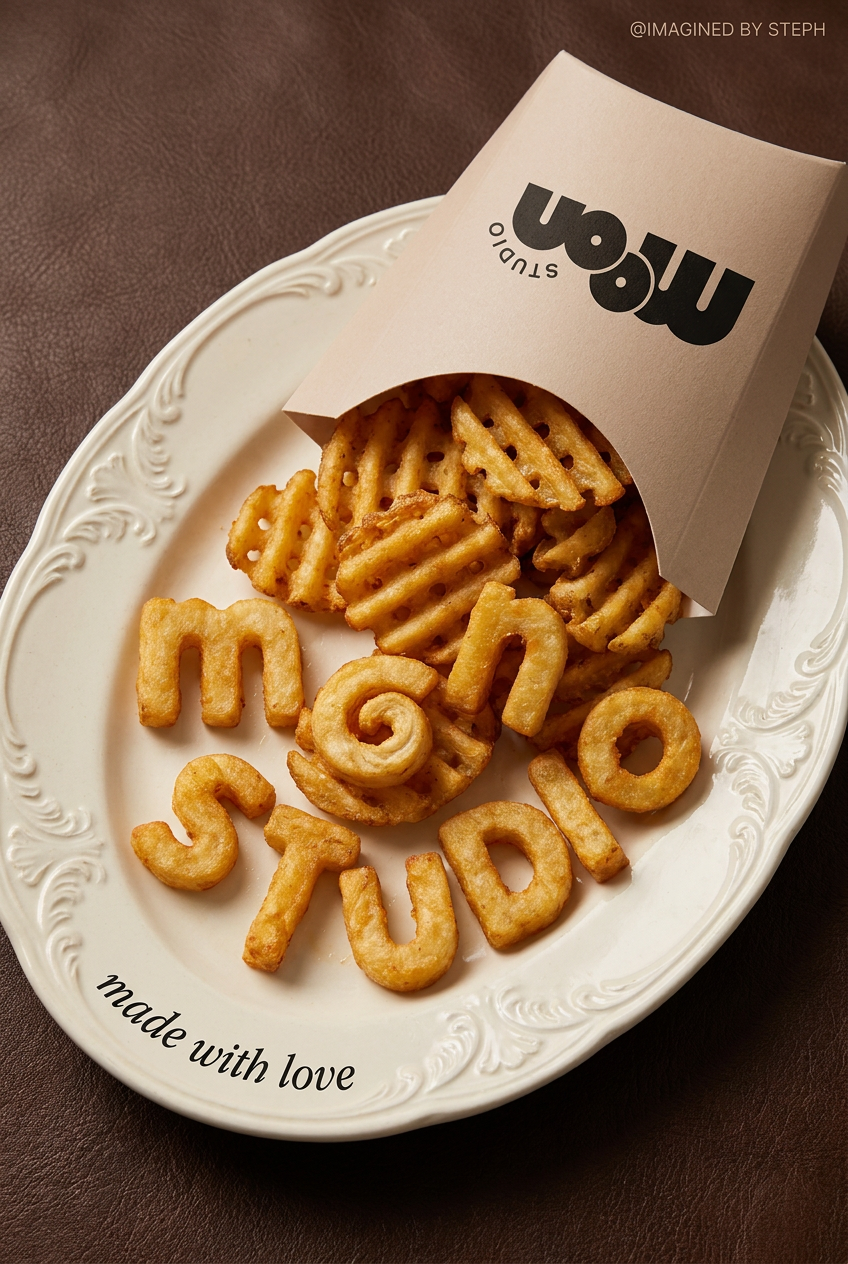
Transform your products into high-fashion editorial ads. This setup uses a dynamic diagonal layout and a slightly tilted overhead angle to give food and packaging incredible depth and texture. It's perfect for giving any brand a chic, premium look.
Regenerate using your own assets.
This is a system that scales. It’s not about one perfect image; it’s about a hundred consistent assets. This is something a static, fine-tuned model simply can't offer without becoming part of a much more complex and technical pipeline, which is what AI agents for creators are working to solve.
So, when should you actually consider fine-tuning?
To be clear, technical fine-tuning has its place. It is a powerful technique for very specific, niche use cases where a brand's style is so unique it cannot be adequately described with words or captured by analyzing a website. This might include:
- Replicating the exact brushstrokes of a specific, proprietary illustration style.
- Training a model on a highly specialized visual dataset, like medical imagery or architectural schematics, for technical applications.
- Companies with dedicated AI/ML teams who need to build and host their own models for proprietary reasons.
But for the vast majority of brands, marketers, and creative teams, the goal is not to replicate a single artist's hand. The goal is to enforce a commercial brand identity across a wide range of marketing assets. For that job, a flexible, no-code system like the MyUP Brandkit is not just easier—it’s smarter, faster, and gives you far more creative control.
Stop chasing the model, start building your system
The conversation around AI is often dominated by the latest models and technical breakthroughs. But for creators, the most important innovation isn't a slightly better model—it's a fundamentally better workflow. Don't get lost in the technical complexity of fine-tuning. Focus on the outcome: consistent, on-brand content, produced at scale. Create your Brandkit on MyUP.ai today and give your AI a style guide it can finally follow.