
The pressure to produce video content for social media is relentless. Every day, a new AI video tool seems to launch—like Higgsfield just today, or Runway's powerful Gen-3 model—promising cinematic results. But for social media managers and e-commerce brands, the real challenge isn't creating a Hollywood short film; it's getting a simple, on-brand, eye-catching Story posted before lunch.
You don't need a complex video editor for that. The fastest way to create more video is to animate the assets you already have: your product photos. This is a step-by-step guide to a 2-minute workflow that transforms a single product photo into a looping, animated video Story. No timeline, no keyframes, just a result ready to post. Here is the workflow to get started immediately.
Workflow code: #myup-zpby-tzie
Minimal Vibrant Product Advertising Poster
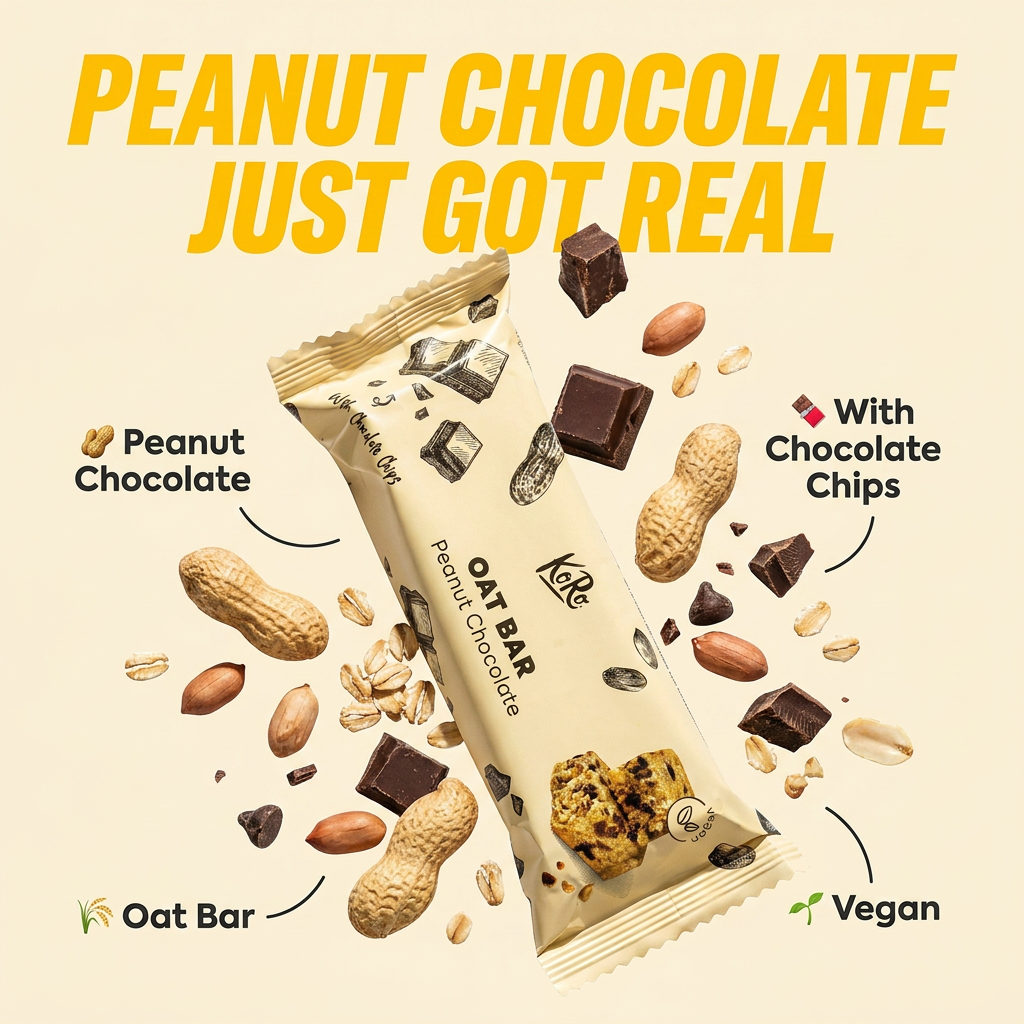
Drop in any product shot and watch it turn into a bold, high-energy square ad. It automatically reads your packaging to pull out the dominant colors and text, then builds a vibrant poster styled perfectly around your brand.
Regenerate using your own assets.
The 2-minute workflow: from static photo to animated Story
This entire process is designed for speed and brand consistency. Instead of starting from a blank canvas in a video editor, you're giving an existing, approved asset a new life with motion and a clear message. The goal is to make daily video production a repeatable, low-effort task.
Step 1: Choose your product hero shot
Start with a high-quality product photograph. The best images for this workflow have a clear focal point and some negative space where text can be placed without covering the product. A clean, isolated shot of your product on a simple background works perfectly. If your product is in a lifestyle setting, make sure it's the undisputed hero of the frame.
Don't overthink it—the goal is to use the great photos you already have in your camera roll or asset library. If you need to generate new product shots from scratch, a dedicated AI product photography workflow can create an entire library for you without a physical photoshoot.
Step 2: Select a motion style that fits your brand
Once you've uploaded your image, you can apply motion. This is where you give the static image its scroll-stopping power. You don't need to be an animator; you just need to make a choice that fits your product and brand vibe. Common options include:
- Slow Zoom: A gentle push-in that creates a sense of focus and drama. Excellent for luxury items or detailed products.
- Pan (Left/Right/Up/Down): A smooth slide that reveals the image, adding a touch of elegance and movement.
- Orbit: A subtle circular motion that gives the product a three-dimensional feel, as if the camera is floating around it.
This is the core of the human-in-the-loop process. MyUP executes the animation instantly, but you, the user, validate the result. You can try different motion styles in seconds and approve the one that feels right for the specific post. You have creative control without the technical overhead.
Step 3: Add your on-brand message and CTA
This is the step that separates a generic animated image from a piece of branded content. Instead of manually adding text boxes and fumbling with color pickers, MyUP uses your pre-configured Brandkit. When you add a headline like "New Arrival" or a call-to-action like "Shop Now," it automatically appears in:
- Your brand's primary and secondary fonts.
- Your brand's approved color palette.
- Your logo, if specified in the template.
This solves a huge production bottleneck. It ensures every single video Story, no matter how quickly it's made, is 100% visually consistent with your brand identity. There's no room for off-brand colors or incorrect fonts, which is a common risk when teams are moving fast to create daily content.
When to use this workflow (and when you need something more)
This image-to-video workflow is a workhorse. It's built for speed and volume, making it the perfect solution for daily social media content like Instagram Stories, TikToks, and simple video pins on Pinterest. It's for the social media manager who needs to get five engaging video posts out this week without a video team.
When is it not the right tool? If you need to create a multi-scene narrative ad, a cinematic brand film with complex character interactions, or a video that requires precise edits synced to a voiceover, you'll need more firepower. For those projects, you might explore a dedicated video editor or a more powerful generative model like Runway's Gen-3. But for the 90% of daily social video needs, a simple, repeatable workflow that animates your existing assets is more valuable than a complex tool you only use once a quarter.
Stop waiting for a video team, start animating
You don't have a video shortage; you have a static asset surplus. Your camera roll and product library are full of high-quality images waiting to be put to work. By adopting a simple workflow, you can turn each one into a new piece of video content in minutes, not hours. This approach delivers the speed required for modern social media without sacrificing the brand consistency your business depends on. Run the workflow and see what you can create with the photos you already have.