
You spend hours, maybe days, crafting the perfect podcast episode. The recording is crisp, the conversation is engaging, and the insights are sharp. Then comes promotion time, and all that effort gets represented by... a wiggling line on a static background. That generic audiogram you post to social media gets lost in a sea of identical wiggling lines. Recent discussions among creators this month confirm a widespread frustration: the tools that promise to turn audio into video are delivering templated, off-brand visuals that nobody engages with.
Your podcast has a distinct voice and brand. Your promotional assets should too. The problem isn't just that audiograms are becoming invisible; it's that single-purpose tools force you into a fragmented, inconsistent, and time-consuming production process for every single clip.
Why a single audiogram is no longer enough to grow your show
For years, the audiogram was a clever hack to get audio-native content onto video-first platforms. But audience habits have evolved. Today, a successful social media strategy for a podcast requires a mix of assets tailored to different formats and user behaviors. A single, repetitive format just doesn't cut it.
- Video Clips for Reels & Shorts: These platforms demand dynamic, attention-grabbing video. A static waveform with captions is easily skipped. You need to show faces, use animated text, or create visually interesting backdrops to stop the scroll.
- Quote Cards for Instagram & LinkedIn: Sometimes, the most powerful hook is a single, profound sentence. A well-designed, static quote card is highly shareable and can drive engagement in a way a video clip cannot.
- Discussion Prompts for Stories: A provocative question from your episode, laid over an on-brand graphic, can spark conversation and direct traffic far more effectively than a simple audio snippet.
Tools that only generate one type of asset, like a basic audiogram, leave you with a massive production gap. You get one piece of the puzzle, but then you're on your own, manually creating everything else in separate design apps. This inefficient, tool-by-tool approach is why so many podcast promotions end up looking disjointed and off-brand.
The one-upload workflow: from audio file to a week of visuals
Instead of thinking asset by asset, you need to think in terms of a campaign. What if you could upload your episode's audio file once and get an entire week's worth of diverse, on-brand promotional visuals generated for you automatically? That's the power of an integrated workflow in MyUP.ai.
The process is built for creators who value both speed and brand integrity:
- Upload Your Audio: Start with your final MP3 or WAV file for the episode.
- AI Finds the Hooks: MyUP transcribes the audio and uses AI to identify the most compelling soundbites, quotes, and potential clips. You're not scrubbing through an hour of audio to find a 30-second gem; the best options are served up for your approval.
- Apply Your Brandkit: This is where the magic happens. Your pre-saved Brandkit—containing your podcast's logo, specific brand colors, and custom fonts—is automatically applied to every asset. Consistency is built-in, not an afterthought.
- Generate a Full Asset Pack: With a few clicks, you generate a complete set of visuals: an on-brand audiogram, multiple quote cards, and promotional graphics, all ready for your content calendar. The human validates the creative choices; MyUP executes the production.
Step 1: Generate your core audiogram, but make it on-brand
Let's start with the foundational asset: the audiogram. While other tools give you a limited set of generic templates, MyUP builds the visual around your brand identity from the ground up. When you generate your audiogram in MyUP, your Brandkit ensures that the waveform color, background, typography for the captions, and your podcast's logo are all perfectly aligned with your brand. The result is an audiogram that looks like it belongs to your show, not a generic template anyone can use. This instantly elevates the perceived quality of your content and reinforces your brand with every view.
Step 2: Turn your best soundbites into scroll-stopping quote cards
Now, let's leverage the same work to create a different type of asset. From the AI-suggested clips identified in the first step, you can instantly repurpose the most powerful quotes into static graphics. These are perfect for the Instagram grid, LinkedIn posts, or X. Instead of just hearing the quote, your audience can read and share it. With a workflow, you're not starting from scratch. MyUP takes the transcribed text and flows it into a visual template that, again, pulls directly from your Brandkit for fonts and colors.
A bold, editorial style works perfectly for highlighting key quotes. You can create a shareable graphic in seconds using a pre-built workflow.
Workflow code: #myup-n0bi-2wzk
Bold Editorial Grid Poster
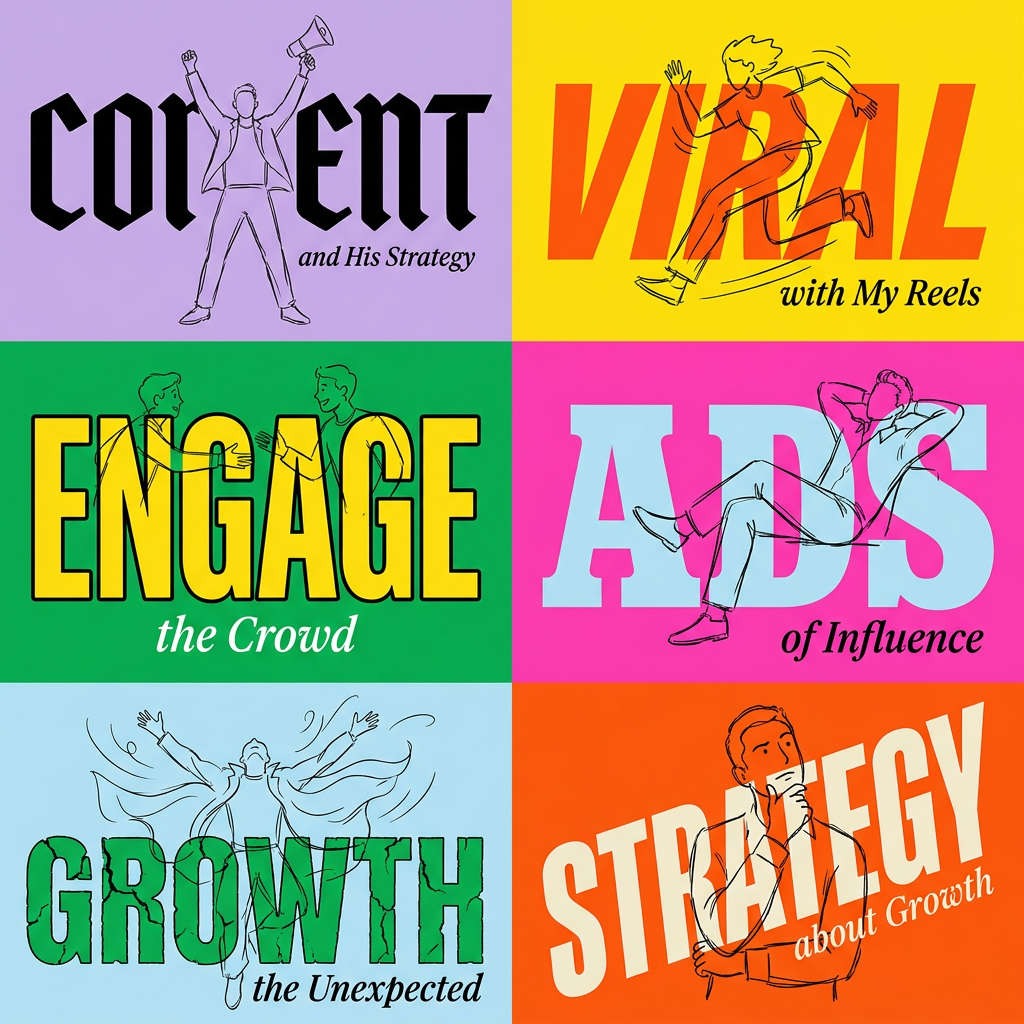
Create striking 2x3 editorial posters with six seamless, flat-color square cards in a perfect 4:5 grid. There are absolutely no gaps between the blocks, giving your content a bold, high-contrast magazine layout. It looks incredibly clean on any social feed.
Regenerate using your own assets.
Step 3: Create a promotional poster for a special episode or guest
Your workflow shouldn't be limited to just clips. What about promoting a major upcoming episode with a special guest or a tentpole topic? You need a standout visual to build anticipation. Using the same one-upload process, you can generate a promotional poster that feels like a unique event announcement. This is about creating variety in your feed and signaling to your audience that something important is coming up.
A retro or zine-style poster can break through the noise of standard social media graphics. This template gives you a high-impact visual for announcing your next big episode.
Workflow code: #myup-msop-hlxf
Retro Zine Style Event Poster
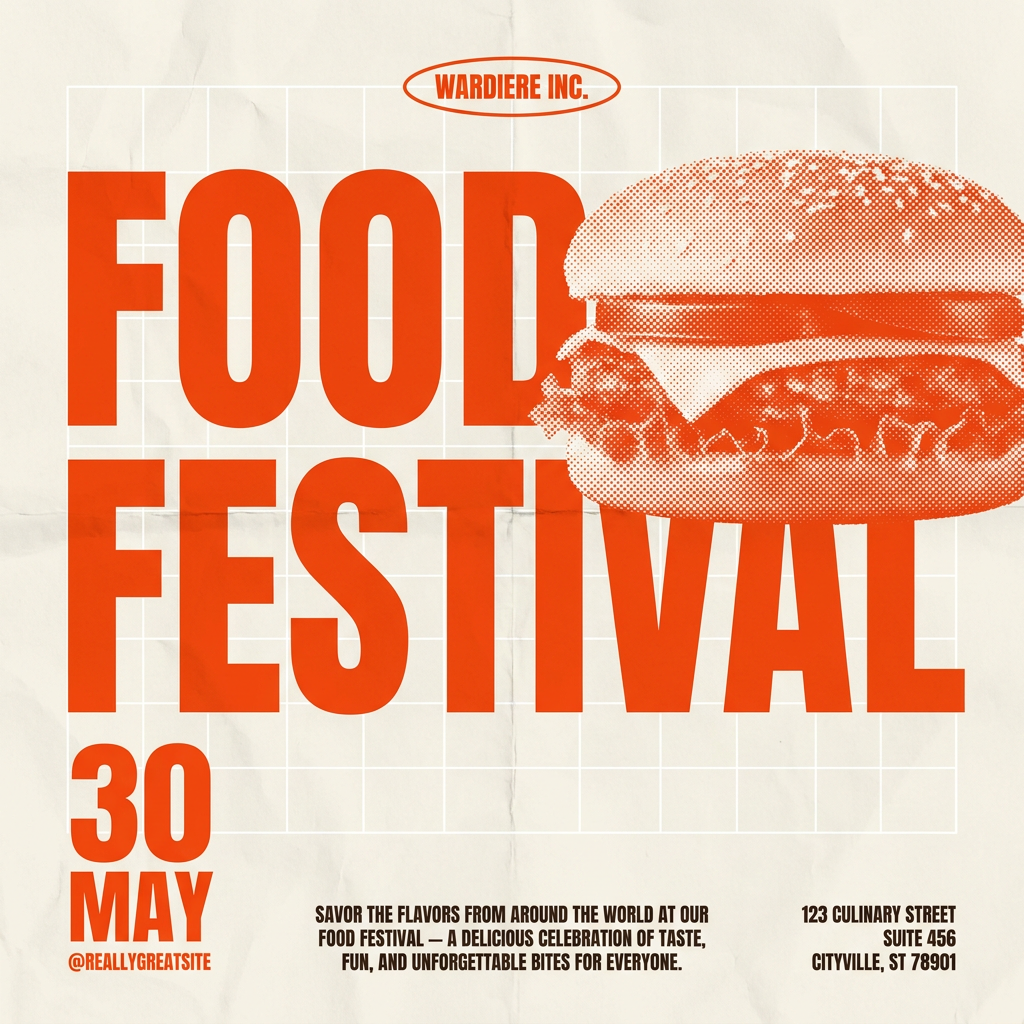
Give your social posts a gritty, analog zine aesthetic. It layers a crumpled paper texture and a subtle grid over a warm cream background to make any event graphic look like a tactile, photocopied flyer. Perfect for DIY gigs and bold promos.
Regenerate using your own assets.
Putting it all together: a repeatable system for every episode
The true power of this approach is not just in creating a single batch of assets, but in turning the entire process into a repeatable, one-click system. In MyUP, you can save this multi-asset generation process as a custom workflow. For your next episode, you simply upload the new audio file and run the saved workflow. In minutes, you'll have a fresh, on-brand content package ready to go. This is how you escape the content treadmill and scale your promotion without scaling your workload or hiring a design team. It's a system that mirrors the efficiency of generating a week of social media visuals from a single prompt, but tailored specifically for audio content.
You maintain full creative control by approving the AI's suggestions, but you delegate the repetitive production work. This frees you up to focus on what matters most: creating a great podcast. To see how different styles can fit your brand, try generating a clean, minimalist poster from your episode details.
Workflow code: #myup-fy77-jljs
Minimalist Elegant Product Advertising Poster
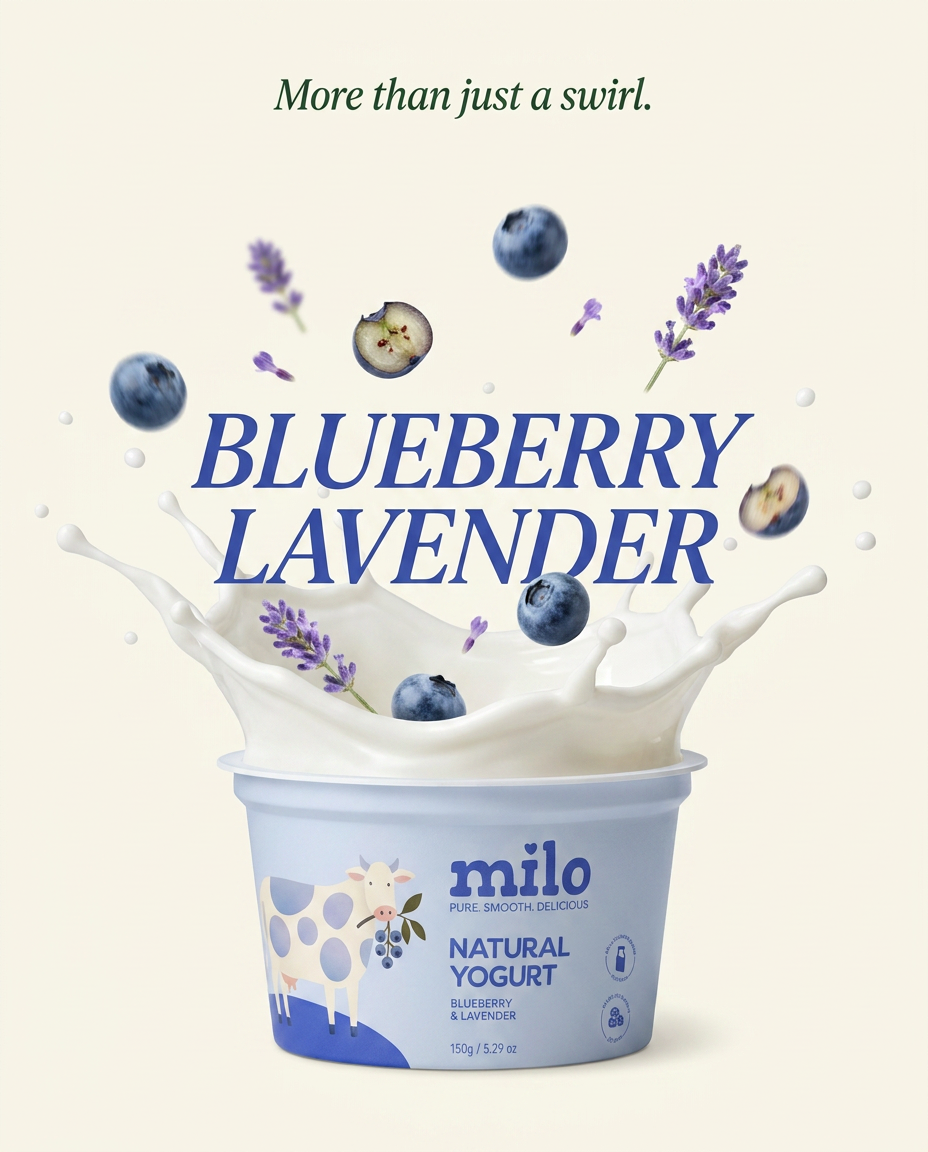
Turn any product shot into a high-end editorial ad. It places your item against a soft cream background with airy spacing and adds elegant, small serif typography at the top. Great for wellness or luxury brands wanting a calm, minimal aesthetic.
Regenerate using your own assets.