
The AI video race just shifted: Runway's Gen-3 and Pika's 'Story' are here
In the last 24 hours, the AI video landscape has been redrawn. On June 25, 2026, in a near-simultaneous move, Runway dropped Gen-3 Alpha and Pika launched its ‘Story’ feature. Both platforms are making a direct play to solve AI video's biggest practical problem: telling a coherent story.
For months, the conversation has been about generating a single, jaw-dropping clip. But for anyone trying to build a brand narrative, a product demo, or a social media ad, that’s not enough. The real job is creating multiple scenes that feel like they belong together. This is the new battleground, and the promises are big. But do they deliver for creators who need reliable, on-brand results?
The new battleground: Why shot-to-shot consistency is everything
As a creative director, the single biggest obstacle to using AI video for client work has been the lack of visual continuity. You generate a perfect opening shot of your hero character. In the next prompt for scene two, their jacket changes from blue to green, their face morphs slightly, and the lighting style shifts completely. This is 'character drift,' and it instantly breaks the narrative illusion.
For brand content, this isn't just a creative problem; it's a commercial one. Inconsistency undermines brand recognition and looks unprofessional. The holy grail isn't just generating video; it's generating a *story* where the character, style, and brand colors remain stable from the first frame to the last. This is the specific challenge we tested Pika and Runway on: a simple, three-scene story.
Test 1: Pika's 'Story' feature for a three-scene narrative
Pika's new 'Story' feature aims to solve this by allowing users to chain prompts together, with the model attempting to carry context from one clip to the next. We prompted a three-part sequence: 1. A woman with red hair walks through a neon-lit city. 2. She stops to look at a shop window. 3. She smiles and walks away.
The results show promise but highlight the limitations of a feature-based approach. While Pika did a decent job of maintaining the neon-lit aesthetic, the character's facial features and clothing details subtly shifted in each clip. The 'red hair' was consistent, but the person wasn't quite the same from shot to shot. It's a significant improvement over generating isolated clips, but it still feels like a game of chance, requiring multiple re-rolls to get something usable.
Test 2: Runway's Gen-3 Alpha and its promise of character control
Runway's Gen-3 Alpha announcement emphasized major improvements in character consistency and control. We ran the exact same three-scene narrative test. Gen-3 produced clips with stunning visual fidelity and motion, but the character drift, while less pronounced than in Pika, was still present. The model's interpretation of the character varied, especially in the close-up shot.
To give these tools the best chance, you need a high-quality, specific keyframe image to guide the animation. The better the still, the better the video. For our test, we created a hyper-specific hero image to establish the character's look. You can create these foundational, high-end visuals for your own stories using a structured workflow in MyUP.
Workflow code: #myup-yk1h-uqy8
High-End Editorial Fashion Magazine Cover
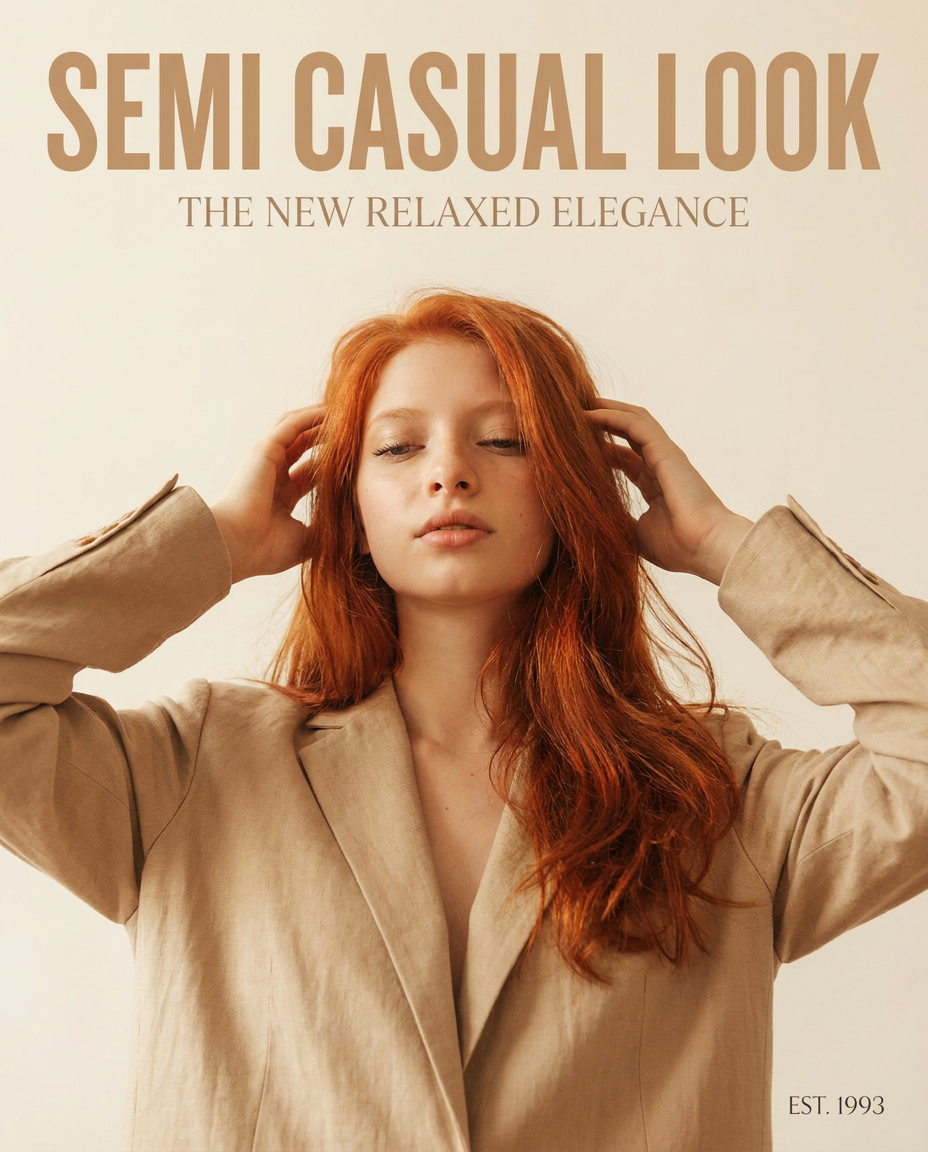
Drop in any portrait and turn it into a high-end editorial magazine cover. It frames your subject beautifully with relaxed, high-fashion posing and soft styling for a polished print aesthetic.
Regenerate using your own assets.
The verdict: Why features aren't enough to solve the consistency problem
After testing both platforms, the conclusion is clear: Pika and Runway are adding features to chase consistency, but they haven't solved it at a fundamental level. They treat consistency as a feature to be enabled, rather than the natural output of a structured process. This means the user is still left hoping the model 'remembers' the details from one clip to the next. For professional work, hope isn't a strategy.
This is the critical difference between a generator and a workflow. A generator starts from scratch every time. A workflow system remembers your brand, your style, and your characters by design. Generating a single clip is a feature. Building a story is a workflow.
The workflow solution: How to guarantee on-brand video stories in MyUP
Instead of battling a generator's randomness, MyUP uses a workflow that puts you in control and guarantees consistency. The process is simple and flips the production model on its head.
1. Define Your Visuals in a Brandkit: Before you generate anything, you lock in your brand's identity in MyUP. This includes your specific brand colors, logo, font styles, and even visual descriptors for your characters or products. This Brandkit acts as a permanent memory for all future creations.
2. Generate a Consistent Storyboard of *Still Images*: This is the crucial step. Instead of prompting for video directly, you use your Brandkit to generate a sequence of still images for your story. This gives you complete control to validate each keyframe. You can ensure the character, clothing, and background are perfect *before* any animation occurs. If an image is off, you simply adjust and regenerate that single frame, not a whole video clip. You can learn more about creating consistent AI characters in our guide here.
Use this workflow to generate a series of on-brand stills for your storyboard:
Workflow code: #myup-3sro-edbt
Brand Clothes Post

Turn any outfit photo into a high-end fashion promo poster. It centers your subject in a full-body shot against a dark, dramatic studio backdrop, perfectly cropped for social feeds. It gives your apparel a moody, editorial look instantly.
Regenerate using your own assets.
3. Animate Each Approved Image: Once you have a storyboard of perfect, on-brand images, you use MyUP's image-to-video function to animate each one. Because you're starting from a validated still, the final video clip is guaranteed to be consistent with the others. MyUP handles the production; you handle the creative approval. The result is a coherent narrative where every shot is perfectly aligned with your brand.
This workflow is ideal for creating everything from social media stories to full-fledged short video ads. To create a final, polished video ad from your key images, this template is the perfect next step:
Workflow code: #myup-ywpr-rqz6
Professional Sportswear Ad
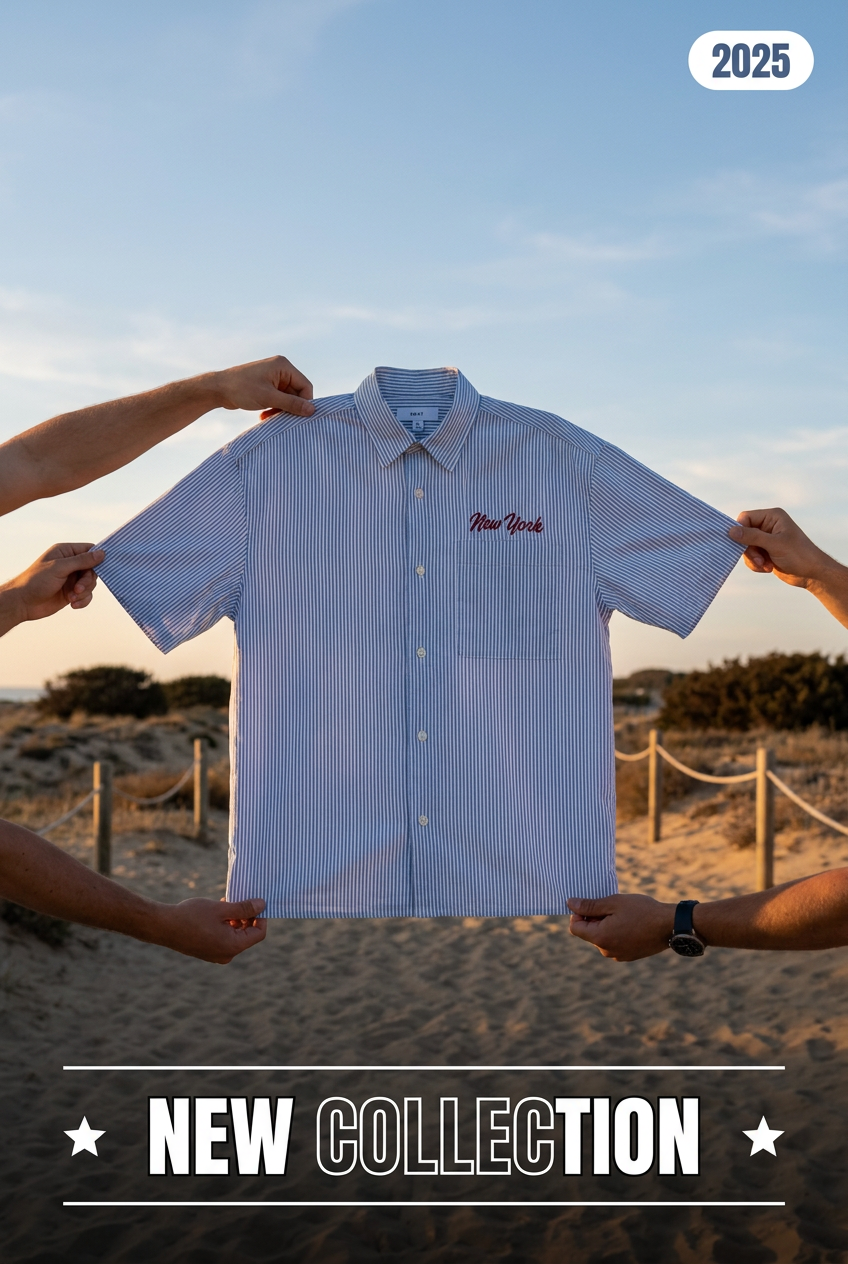
Suspends your apparel right in the center of a high-energy promo shot, held up by hands around the frame. It gives your shirts or jerseys a gritty, collaborative streetwear editorial look that feels alive and physical.
Regenerate using your own assets.
Choose your tool for the job: One-off clips vs. brand narratives
So, which tool is best? It depends entirely on the job.
Pika and Runway are best for: Generating single, experimental, or one-off viral clips. If your goal is to create a visually stunning, isolated shot and you don't require strict narrative continuity or brand alignment, their raw generative power is a fantastic choice for rapid ideation.
MyUP is best for: Brands, marketers, and creators who need to produce a series of on-brand video assets where visual consistency is non-negotiable. If you're building a brand story, an ad campaign, or any multi-scene narrative, the workflow-driven approach of defining a Brandkit and animating an approved storyboard is the only way to guarantee professional, consistent results every time.