Are your AI-generated thumbnails falling flat in international markets, looking too generic or overtly 'Western'? You’ve pinpointed one of the most significant challenges in modern digital marketing: AI's inherent cultural bias. This isn't just a technical problem; it's a barrier to authentic connection with your audience, leading to lower engagement and wasted ad spend.
The good news is that you don't have to settle for default outputs. This guide offers a practical solution, showing you how to take control of the creative process. With MyUP, you can move beyond generic prompts and produce finished, studio-quality thumbnails that are truly localized and culturally intelligent.
The silent bias: why AI thumbnails often miss the cultural mark
You’ve spent weeks planning a campaign for a new market, only to have your AI-generated thumbnails fall completely flat. The people look generic, the setting feels out of place, and the overall vibe is just... off. If you’re tired of AI visuals defaulting to a sterile, overtly 'Western' aesthetic, you're not alone. As of late 2026, this is a major frustration for global marketers who find their creations fail to connect with diverse audiences.
The issue isn't your intention; it's the inherent bias in the data used to train most AI models. This guide provides a practical production process to move beyond these defaults. We'll show you how to use MyUP's creative production platform to guide the AI, infusing your visuals with the cultural intelligence needed to create finished thumbnails that resonate authentically, anywhere in the world.
Understanding cultural nuances for effective visual localization
Before you can instruct an AI, you need to know what to ask for. Effective visual localization starts with understanding the subtle cues that define a culture's visual language. Generating a generic image of a 'happy family' will produce vastly different results for audiences in Seoul, São Paulo, or Stockholm. You must be specific.
Focus your research on these key areas:
- Color Psychology: White is for mourning in some Eastern cultures, while red signifies luck and prosperity. These color associations are critical for setting the right emotional tone.
- Gestures and Body Language: A simple 'thumbs-up' is a positive gesture in the US but can be offensive in parts of the Middle East and West Africa. Ensure your depicted gestures are appropriate.
- Clothing and Scenery: Depicting people in traditional or contemporary local attire, within authentic architectural or natural settings, builds an immediate sense of place and relatability.
- Symbolism: Objects, animals, and even numbers can carry deep cultural meanings. An owl might symbolize wisdom in one culture and be a bad omen in another.
By defining these elements for your target market first, you build a clear brief for the creative production ahead.
Crafting culturally intelligent prompts: moving beyond generic descriptions
Armed with your cultural research, you can now guide the AI with precision. The goal is to move from a vague intention like “a thumbnail for a skincare ad” to a highly specific one: “A skincare ad thumbnail for the Japanese market, featuring a woman in her late 20s with natural makeup, in a minimalist bathroom with light wood and soft morning light, conveying a sense of calm and purity.”
In MyUP, you don’t just write a prompt; you state your intention. MyUP then handles the complex production to deliver a finished result. Describe the scene, the people, the emotions, and the specific cultural elements you identified.
For example, instead of asking for 'celebration,' specify 'a family sharing a meal during the Mid-Autumn Festival, with mooncakes on the table and lanterns in the background.' This level of detail is what transforms a generic image into a culturally intelligent one. MyUP is designed to interpret these rich descriptions and produce a complete creation.
To accelerate this, you can start with a versatile template that already handles complex scene composition. Template: #myup-vccl-cyv5
Luxury Skincare Product Ad Campaign
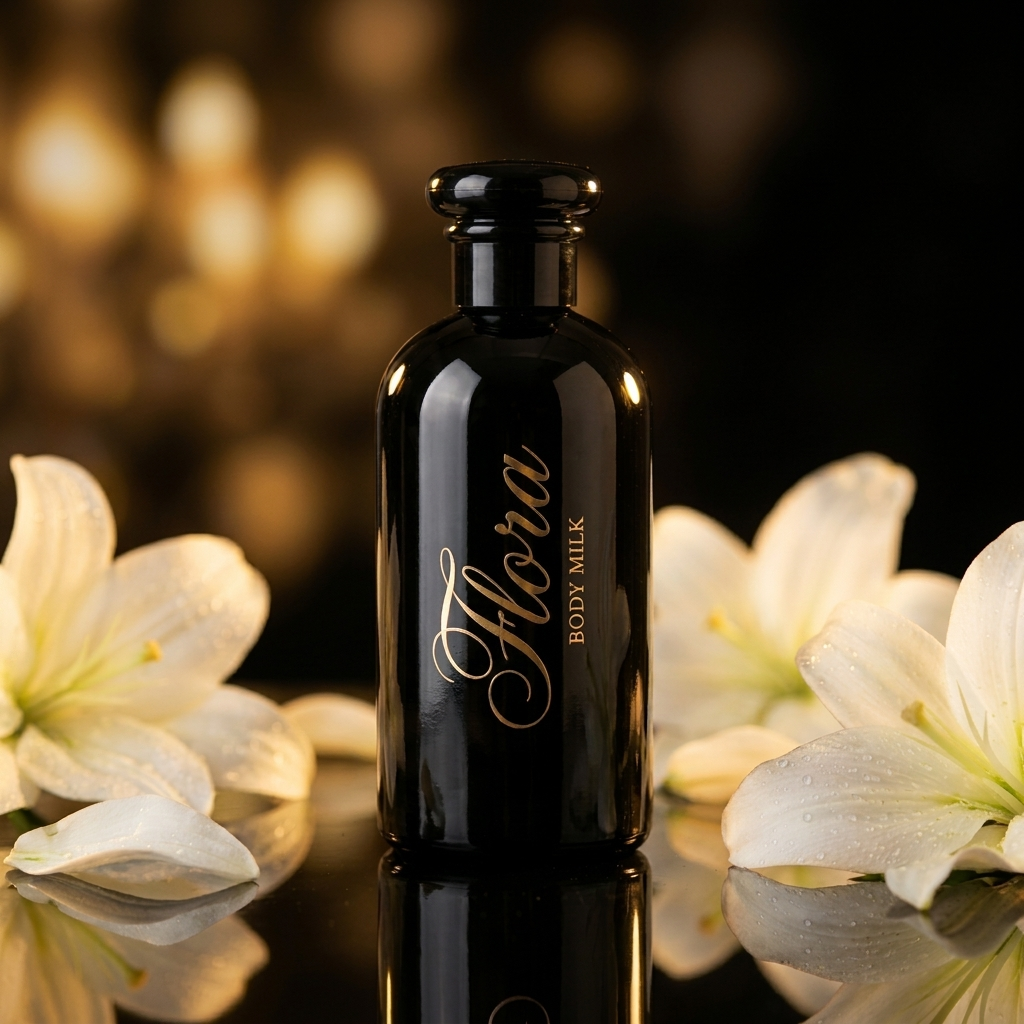
Create a polished luxury advertising set from a single beauty product image. This reusable 4-step workflow generates a clean studio hero shot, an elegant lifestyle scene, a macro product detail and a vertical social media composition while preserving the visual identity of the uploaded product. Designed for skincare, cosmetics and premium beauty products.
Regenerate using your own assets.
Adapting visual styles with MyUP's creative templates for global appeal
You don't need to start from a blank canvas for every market. MyUP's creative templates, built by top creators, provide a solid foundation for high-quality visuals. The key is to see them not as rigid final products, but as adaptable starting points for localization.
Imagine you're launching a luxury artisanal product globally. You could start with a template designed for high-end macro photography that emphasizes texture and craftsmanship. From there, you can adapt the creation for different markets. For a European audience, you might keep the dramatic, high-contrast lighting. For an East Asian market, you might adjust the intention to create a softer, more harmonious composition with brighter lighting and different background props.
This approach allows you to maintain a core creative concept while fine-tuning the aesthetic to match regional preferences. You maintain your vision; MyUP handles the technical production of each variation.
Template: #myup-ppxv-lst0
Visuel Publicitaire Macro Artisanat Luxe
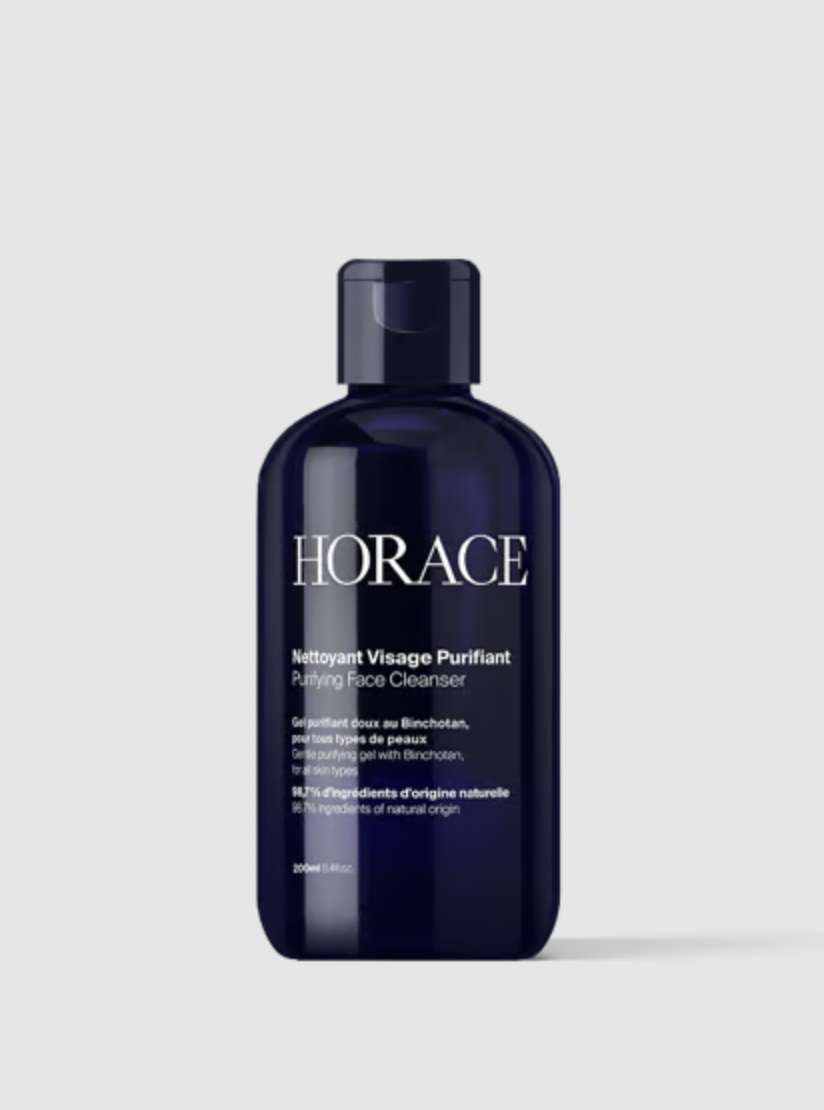
Transformez vos prises de vue en compositions narratives riches axées sur la texture et le savoir-faire. Ce système fusionne vos détails macro avec une mise en scène soignée pour sublimer l'identité visuelle de n'importe quel objet artisanal.
Regenerate using your own assets.
Maintaining brand consistency across diverse cultural thumbnails with Brandkit
One of the biggest challenges in global marketing is maintaining a strong, recognizable brand identity while adapting to local tastes. How do you ensure your logo, brand colors, and typography remain consistent when the people, clothing, and environments in your visuals are changing from one region to the next?
This is precisely what MyUP's Brandkit is for. You build your visual identity once—uploading your logo, defining your color palette, and setting your fonts. MyUP then automatically applies these elements to every creation, ensuring unwavering brand consistency.
This means you can focus entirely on localizing the creative elements of your thumbnail—the models, the setting, the mood—knowing that your brand's core assets will be rendered perfectly every time. Your thumbnail for India will feel authentically local, but it will also be unmistakably *your brand*, just like the version for Brazil. It's the key to being globally consistent and locally relevant.
Template: #myup-lkxt-mwbw
Hyperrealistic High Angle Fashion Editorial
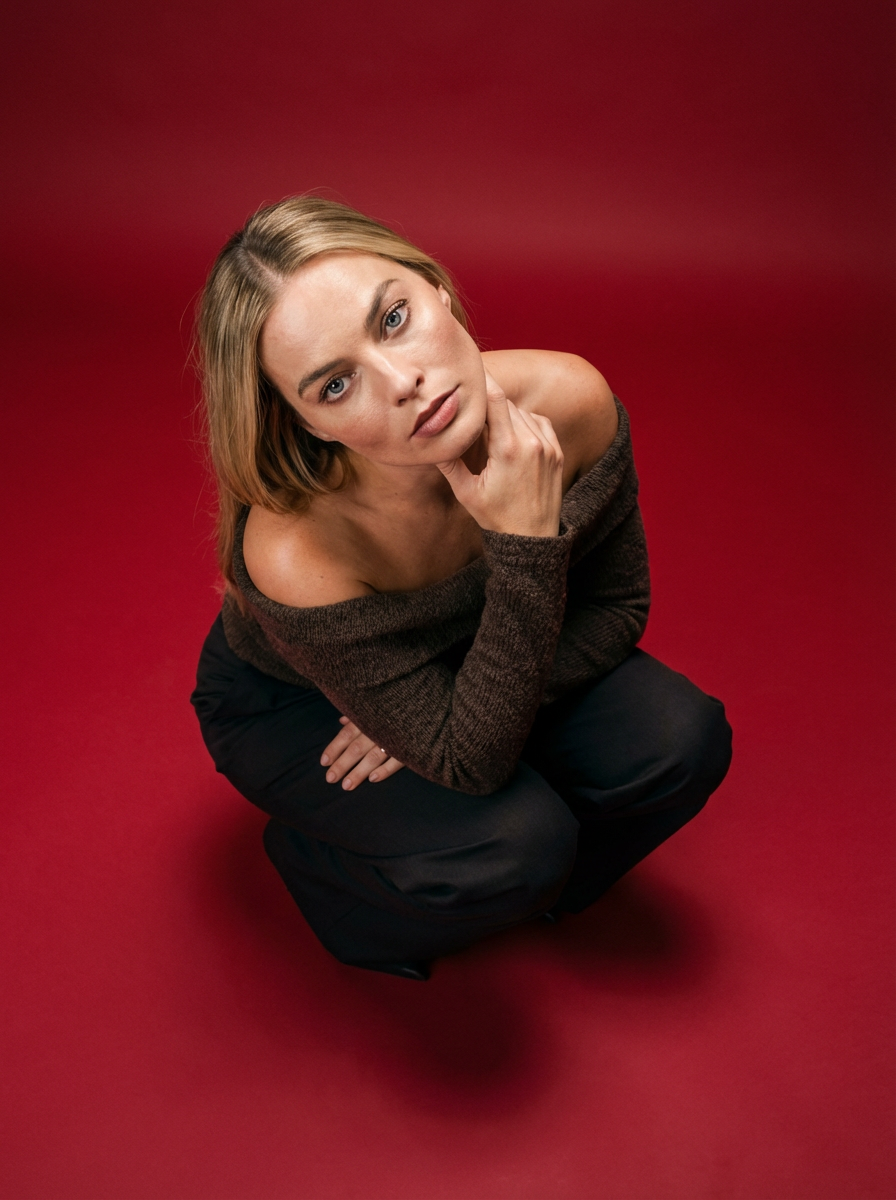
Frame your subject in a grounded, high-angle editorial style. This setup forces a compact, kneeling pose that brings out a raw and hyperrealistic fashion aesthetic, perfect for making any garment or accessory look sharp and intentional.
Regenerate using your own assets.
Iterative refinement: testing and validating culturally localized visuals
Cultural adaptation is not an exact science. A visual you believe is perfectly localized might still miss a subtle nuance. The final step is always to test and validate your creations. Historically, this has been a slow and expensive process.
With MyUP, generating variations for A/B testing is simple. Once you have a finished thumbnail you're happy with, you can easily instruct the platform to create alternatives. “Create three more versions of this, but change the background to a bustling night market,” or “Show me this same scene with a different family composition.”
This allows you to quickly produce a set of culturally-tuned thumbnails to test across different ad platforms or social media channels. By analyzing engagement metrics, you can gather real-world data on what truly connects with your target audience, allowing for continuous refinement and improved campaign performance. For more ideas on creating variations, check out our practical guide to creating AI thumbnail variations for A/B tests.
Template: #myup-1hgd-9oz5
Retro Style Food Advertising Poster
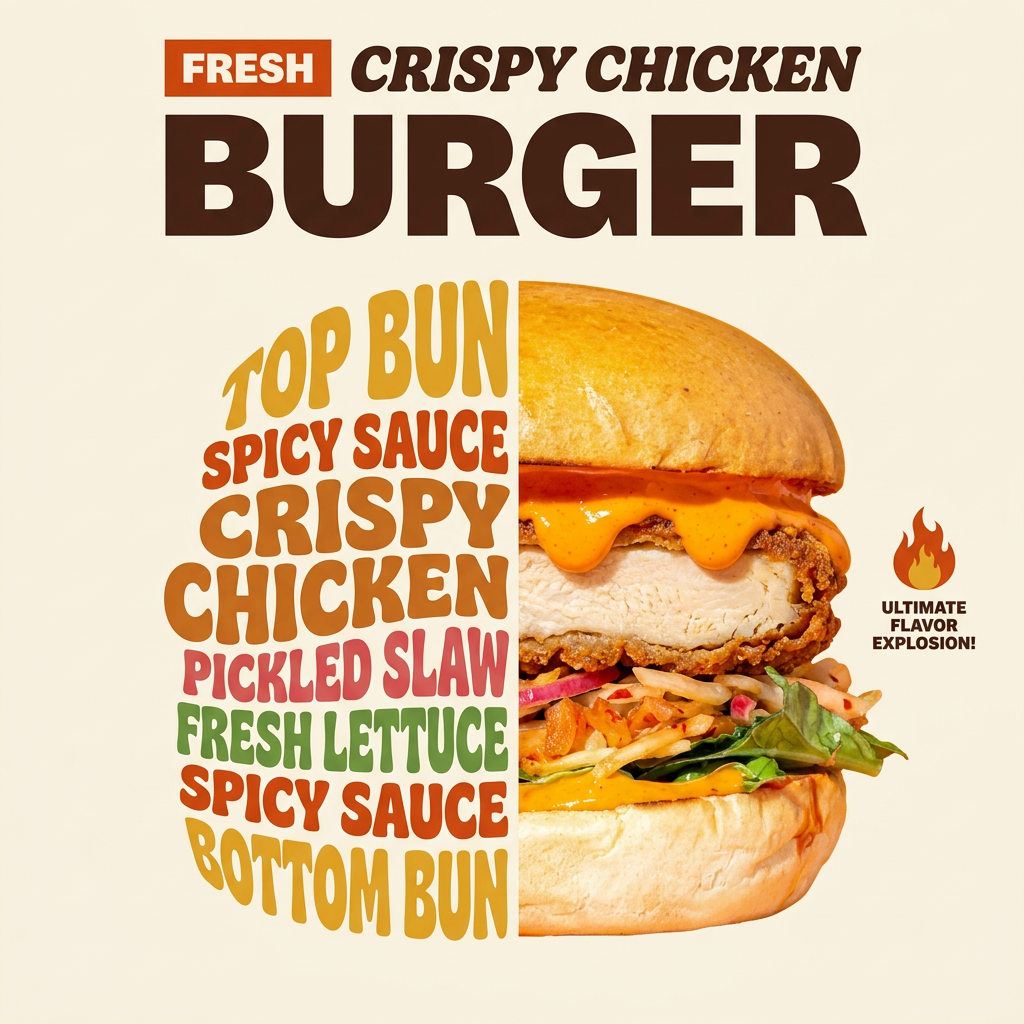
Turn any food product shot into a bold, nostalgic retro advertisement. It drops your item onto a warm cream background and automatically frames it with a color-matched header badge for that classic mid-century print ad look.
Regenerate using your own assets.
Beyond the default: producing truly authentic global marketing visuals
Stopping the spread of generic, culturally unaware AI visuals is a choice. It requires moving from passive generation to intentional creation. By combining cultural understanding with precise instructions, you can guide AI to produce visuals that do more than just fill a space—they build genuine connections.
MyUP is the platform built for this intention. It empowers you to overcome AI's default biases, maintain brand integrity with Brandkit, and accelerate production with adaptable templates. Stop fighting with generic tools. Start turning your global marketing ideas into finished, culturally resonant creations that make your unimaginable possible.