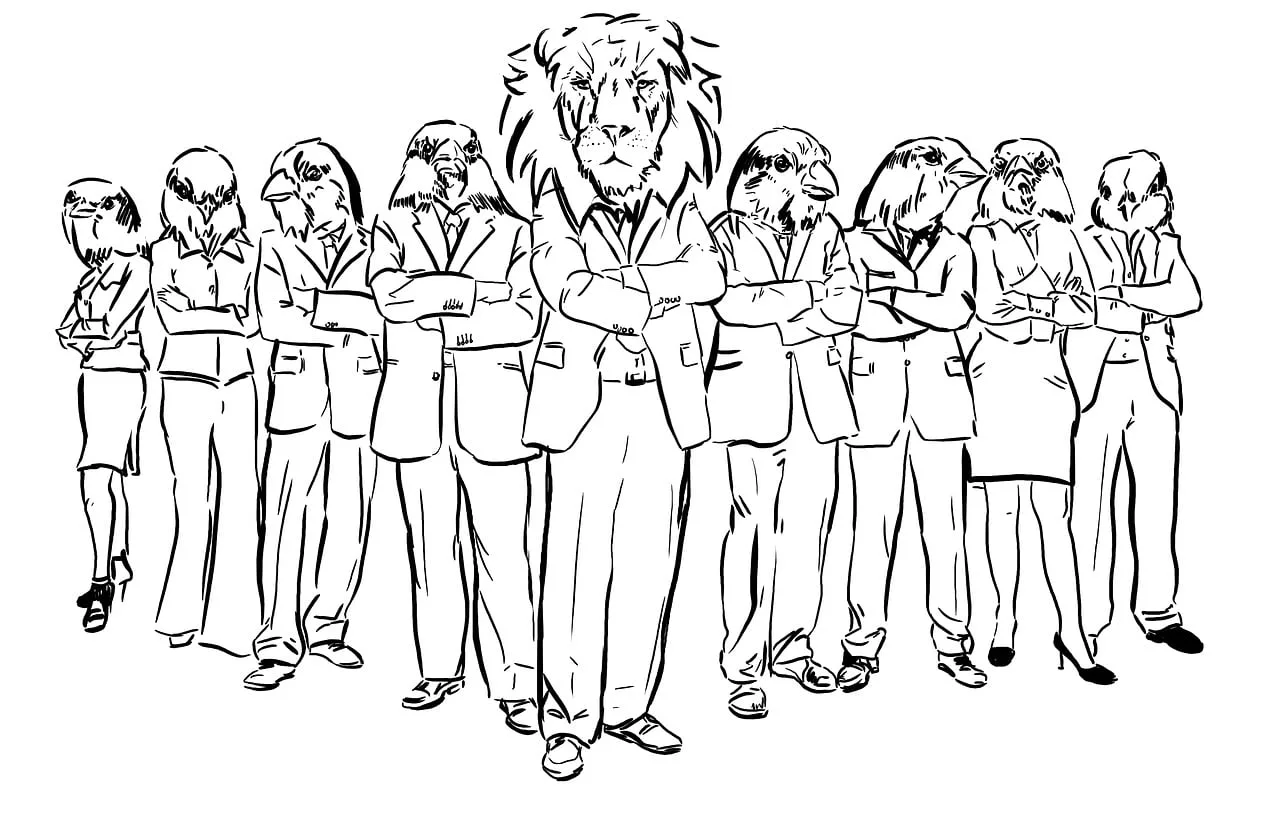
"Okay, looks good, just a few tweaks. I'll send it over later." Every creative has heard it. Every creative has said it. It’s the sound of a great idea losing momentum, sinking into a swamp of asynchronous feedback, Slack threads, and revised V7 file names.
For years, the bottleneck was the tool. It took time to render, to design, to export. But the massive 1000x efficiency gains in AI models that arrived in June 2026 have changed the equation. Generation is now effectively instantaneous. The bottleneck is no longer the AI; it's the feedback loop.
The era of asynchronous creative review is over. It’s time for a new workflow: the live AI design session. This isn’t a futuristic concept—it's a practical playbook for making decisions and shipping work, right now. Here’s how to run the meeting that ends with an approved asset, not a to-do list.
The feedback loop is where good ideas go to die
The traditional creative process is a relay race against expiring enthusiasm. A designer generates a concept, exports it, and sends it into the void. Hours or days later, feedback arrives—often vague and open to interpretation. The designer then attempts to translate those notes back into a visual, losing context and energy with each round. This isn't a creative process; it's a series of administrative handoffs.
With AI generation speeds approaching real time, this lag is no longer just inefficient; it's the single biggest barrier to creative velocity. Why wait for an email when you can see the change happen live? The future of creative collaboration isn't about better feedback tools; it's about eliminating the feedback loop entirely.
The live design session playbook: a 4-step guide
This framework turns a typical review meeting into a productive, real-time design sprint. It requires a shift in mindset: the goal is not to critique a finished piece, but to collaborate on its creation. For this to work, you need defined roles:
- The Driver: The person operating MyUP.ai, sharing their screen and translating the team's verbal feedback into prompts and adjustments.
- The Decision-maker: The stakeholder with the authority to give the final 'yes' or 'no'. Their presence is non-negotiable.
- Contributors: Team members who provide ideas, context, and constructive feedback during the sprint.
Step 1: The pre-brief and goal setting (5 minutes)
Start the meeting with a crystal-clear objective. Don't try to write the perfect prompt beforehand. Instead, define the problem you're solving. For example: "We need three visual concepts for a social ad announcing our summer sale. The tone should be energetic and premium, targeting our 25-35 demographic."
This initial alignment is critical. It sets the strategic boundaries for the session, ensuring the creative exploration that follows is purposeful, not random.
Step 2: The generation sprint (15 minutes)
This is where the magic happens. The Driver opens MyUP.ai and shares their screen. They start with a simple base prompt and a flexible template to establish a canvas. The key is to begin broadly and refine based on live, verbal feedback.
A Contributor says, "Can we see a version that feels more minimalist?" The Driver tweaks the prompt and generates new options in seconds. The Decision-maker says, "I like that direction, but let's try a different color palette." The Driver makes the change. This rapid, conversational iteration keeps the creative energy high and allows the team to explore dozens of possibilities in minutes, not days.
A great starting point for this kind of conceptual exploration is a clean, versatile poster layout. It provides a solid structure for testing different visual ideas quickly.
Workflow code: #myup-k4td-9k6z
Minimalist Poster
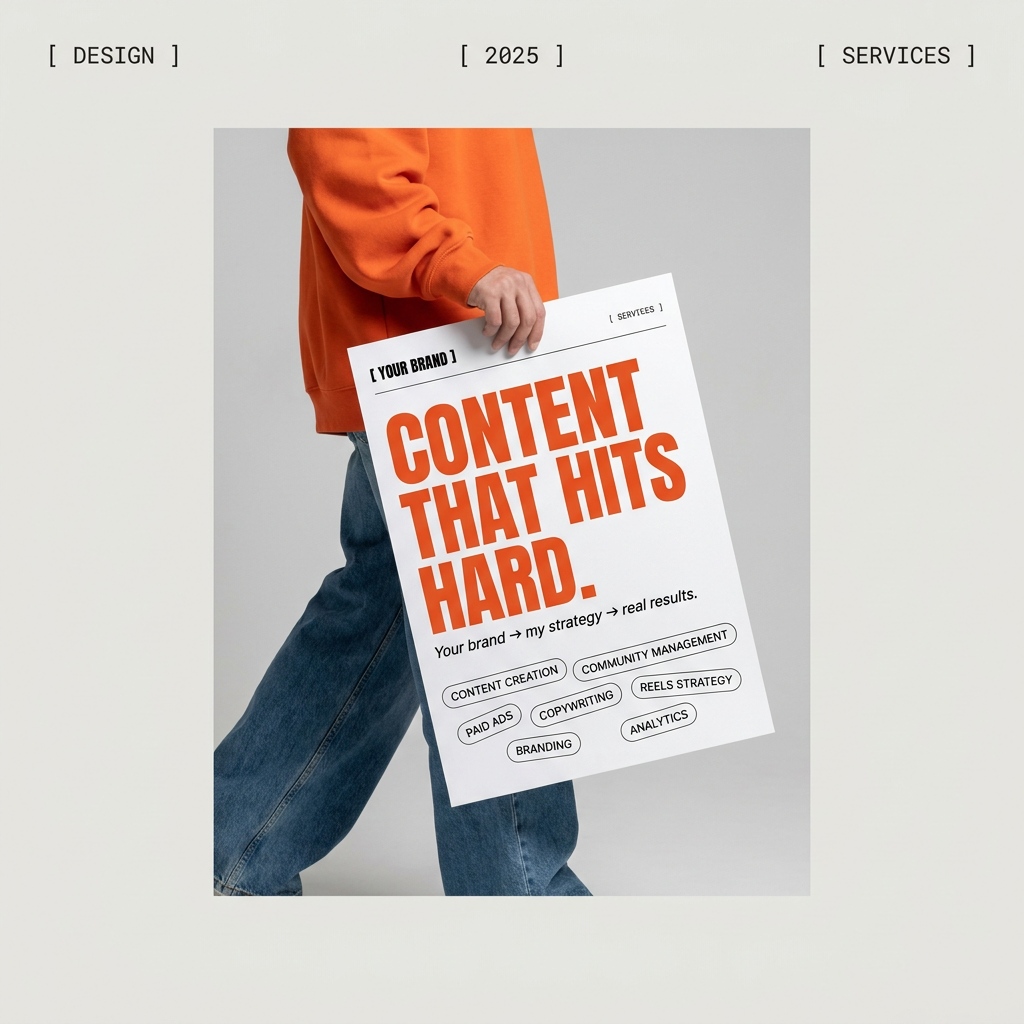
Give your social feed a clean, gallery-like aesthetic. This layout frames your images with structured mono typography and soft, neutral backgrounds for a high-end editorial look. It's perfect for minimal product launches or brand announcements.
Regenerate using your own assets.
Step 3: The guardrails that prevent creative chaos
A live session with rapid-fire ideas sounds like it could get messy, fast. This is where most teams hesitate, fearing a flood of off-brand, unusable visuals. This is also where MyUP provides the essential guardrail: the Brandkit.
Before the meeting, you set up your Brandkit in MyUP once—your logo, brand colors, and fonts are saved. During the live session, every single image generated is automatically constrained by these brand rules. The team can explore any concept, style, or idea, but MyUP ensures the output always uses the correct typography and color palette. You get the freedom of exploration without the risk of brand deviation. The team provides the creative direction; MyUP handles the brand-safe execution. This is how you maintain professional consistency even at high speed.
For more structured assets like a hiring announcement, where brand rules are even more critical, a template with clear text and image blocks is ideal.
Workflow code: #myup-eiob-7tbc
Modern Hiring Poster
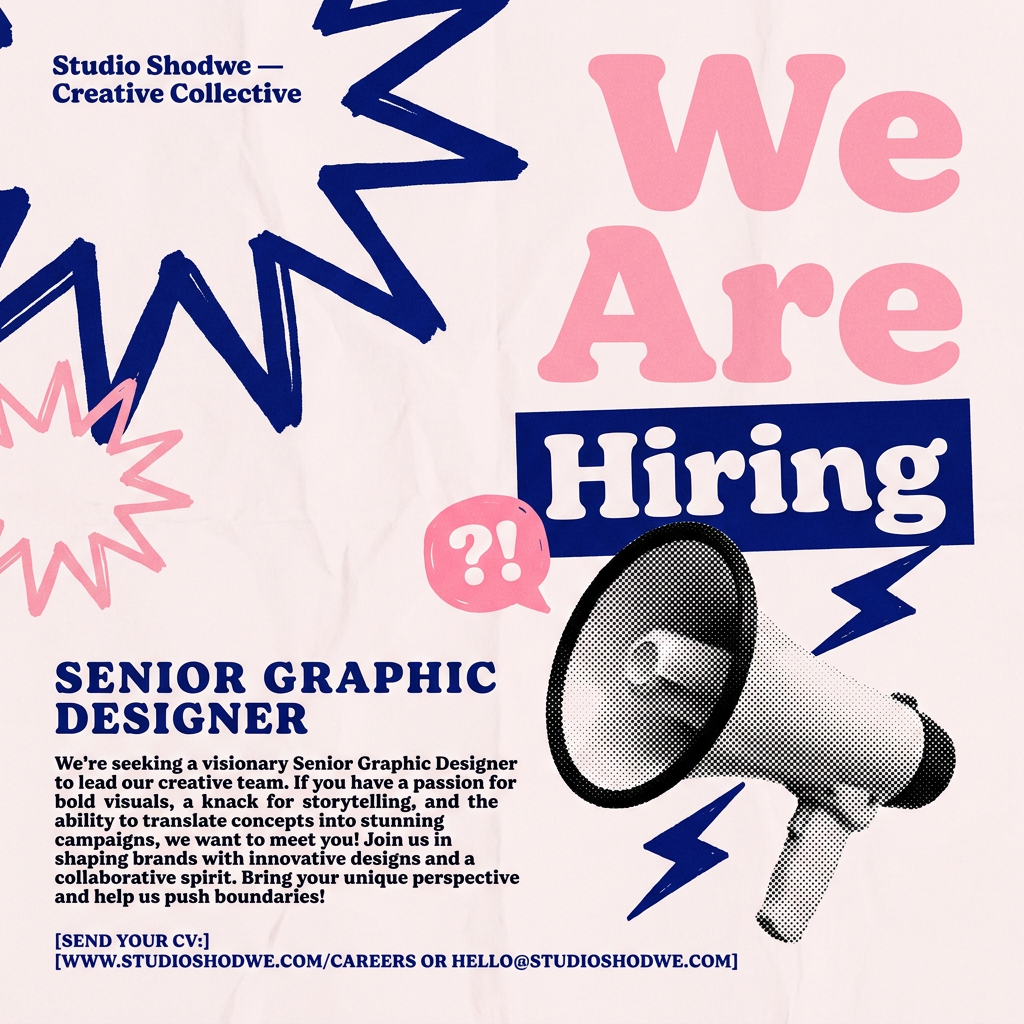
Turn your open roles into stylish social announcements. It sets your hiring details against a soft, textured paper background with clean, editorial typography. Perfect for giving your brand a polished, modern look when you're looking to hire.
Regenerate using your own assets.
Step 4: From options to decision (10 minutes)
The final phase of the meeting is about convergence. The generation sprint will produce many options; the goal now is to narrow them down to a final, approved asset. The Driver curates the top 3-5 candidates on the screen.
The team has a brief discussion, comparing the options against the goal defined in Step 1. Because the Decision-maker is in the room and has been part of the entire process, they have all the context needed to make a call. There are no follow-up questions or offline reviews. The decision is made on the spot. The meeting ends when the Driver exports the approved visual and shares it in the relevant channel. The project is done.
Using a template with a strong grid structure can make this final comparison even easier, presenting the options in a clear, compelling way that helps accelerate the decision.
Workflow code: #myup-n0bi-2wzk
Bold Editorial Grid Poster
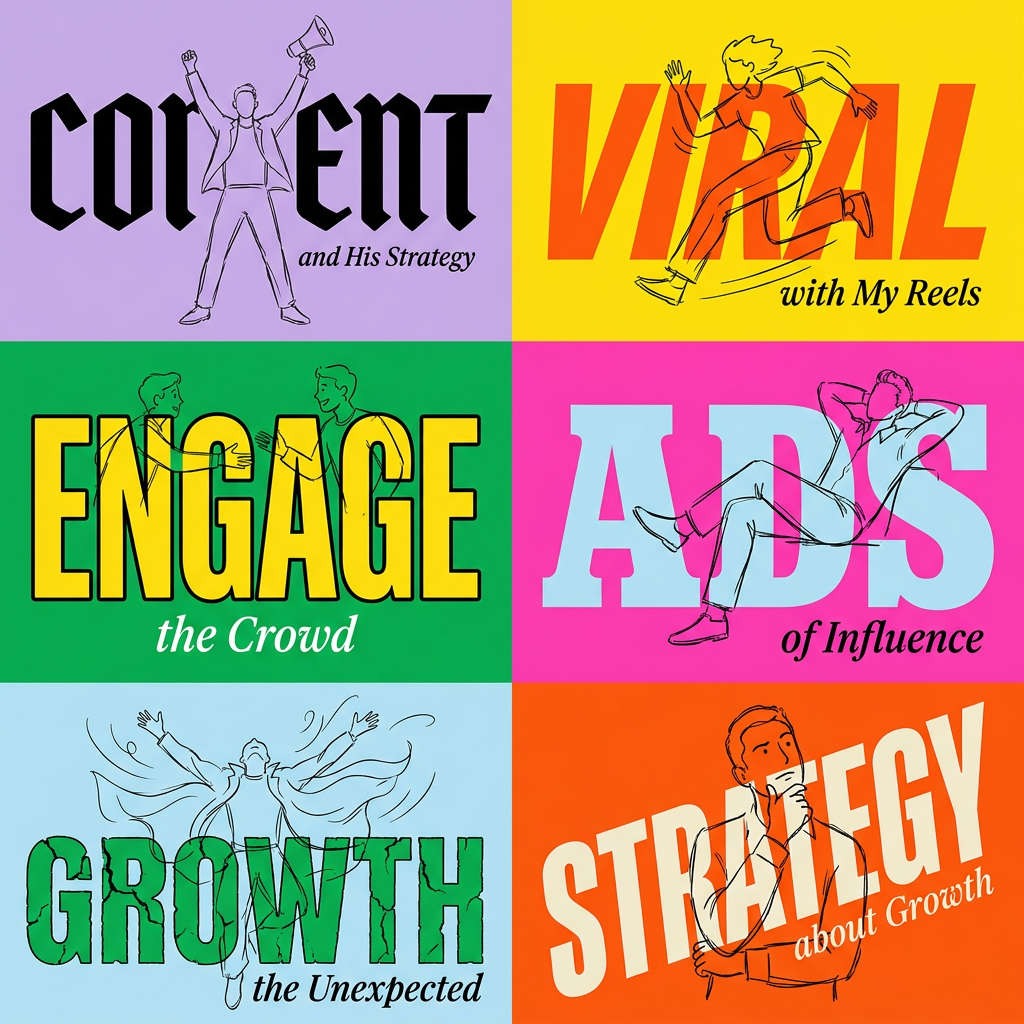
Create striking 2x3 editorial posters with six seamless, flat-color square cards in a perfect 4:5 grid. There are absolutely no gaps between the blocks, giving your content a bold, high-contrast magazine layout. It looks incredibly clean on any social feed.
Regenerate using your own assets.
Your feedback loop is officially closed
Shifting to live AI design sessions isn't just about adopting a new tool; it's about adopting a new mindset. It's about valuing creative momentum and decisive action over endless deliberation. By closing the feedback loop, you don't just get visuals faster—you get to better ideas faster, keeping the team engaged and focused on shipping work that matters.
The technology is here. The workflow is clear. The only thing left is to book the meeting and leave the phrase "I'll send it over later" in the past, where it belongs.