The creative world is electric. OpenAI's GPT-6 Astra, launched just yesterday on September 3, 2026, promised a new era of AI character consistency. But if you're a creator who has already dived in, you might be feeling a sense of déjà vu. The initial excitement is giving way to the familiar frustration of uncanny valleys, mismatched details, and bizarre visual artifacts. You're not doing it wrong; you've just hit the ceiling of what a raw AI model can do on its own. This guide provides the production method to break through that ceiling and get the flawless results you were promised.
GPT-6 Astra is here, and so are the character glitches
If you've spent the last 24 hours wrestling with OpenAI's new GPT-6 Astra model, you've likely experienced two things: a flash of awe at its potential for character consistency, followed by hours of frustration. Since the model's launch on September 3, 2026, social media and forums like Reddit and X are buzzing. On one hand, there are incredible showcases. On the other, a growing chorus of creators asking the same question: "How do I fix the weird artifacts?"
You know the ones. The character's face that subtly 'melts' between two images. The earring that appears in one shot and vanishes in the next. The strange, waxy skin texture or the extra fingers that sneak into an otherwise perfect generation. While the new 'Character Lock' feature is a huge step forward, many are discovering it's not a magic button for production-ready visuals. The gap between a stunning demo and a usable asset for a brand campaign is proving to be a minefield of glitches and endless re-rolls.
Why 'character lock' prompts are not enough for professional results
The core issue isn't a flaw in GPT-6 Astra itself; it's a fundamental misunderstanding of what a raw generative model is. An AI model is a powerful engine, not a finished car. Features like 'Character Lock' are like a new type of fuel—they make incredible things possible, but you still need the chassis, the steering, and the safety systems of a complete vehicle to get anywhere reliably.
Relying on prompts alone to control a character's identity across multiple images is like trying to build a house with only a hammer. You might get lucky and nail a few boards together perfectly, but you have no reliable way to ensure the walls are straight or the roof won't leak. For professional results—where a brand mascot must look identical in ten different ads, or a character in a comic must be recognizable from panel to panel—you need more than a prompt. You need a production system. This is the difference between random generation and intentional creation. The former is a gamble; the latter is a business process.
The production method for flawless character identity
Instead of battling the randomness of a raw model, the solution is to use a platform built for delivering finished creations. On MyUP, you don't just write a prompt and hope for the best. You state your intention—'I want to create a consistent character'—and use a dedicated production process designed for that exact outcome.
It starts by creating a definitive, high-fidelity identity for your character. This isn't a vague description; it's a precise digital blueprint. You provide a clear source image, and a specialized template reconstructs the face and features with absolute precision. This becomes your reusable character asset, the single source of truth you can deploy anywhere.
For this critical first step, a generic image generator won't do. You need a process engineered for reconstruction. On MyUP, you can use a template like High Fidelity Male Portrait Reconstruction (Template: #myup-tw5f-crp8) to lock in the exact likeness from a source photo, creating a perfect base character free of any generative artifacts.
High Fidelity Male Portrait Reconstruction
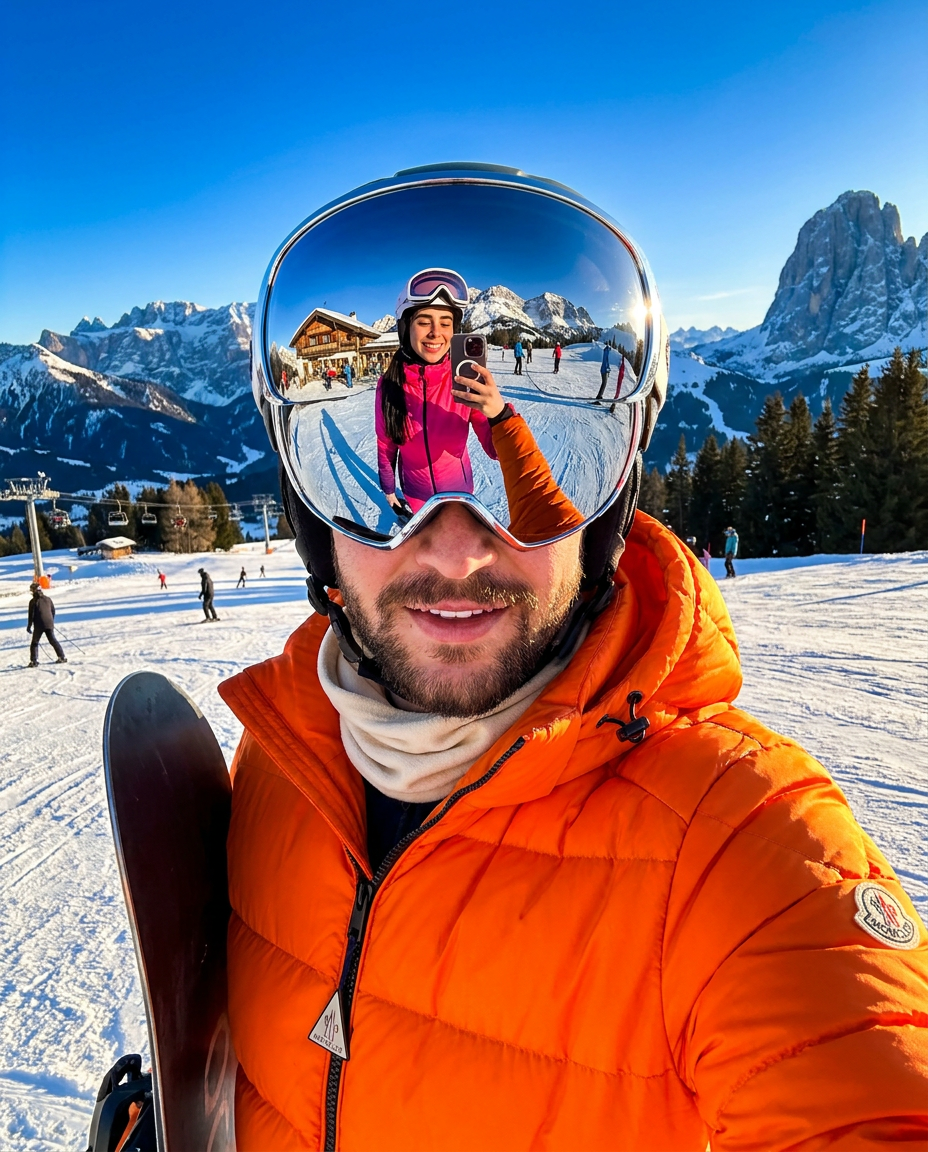
Capture a subject's exact likeness with total precision. This system maps every facial feature, skin tone, and hair texture directly onto your chosen output, ensuring the final result stays perfectly faithful to the original person's unique appearance every single time.
Regenerate using your own assets.
Putting it into practice: a consistent brand mascot for a full campaign
With a flawless base character established, you can now deploy it across an entire campaign with confidence. Let's say you're creating visuals for a new brand mascot. You need them on your website, in social media posts, and in digital ads. Each instance must be perfectly consistent to build brand recognition.
Trying to do this with GPT-6 Astra alone involves a painstaking process of prompting, re-rolling, and manually checking each image for tiny inconsistencies. On a creative production platform like MyUP, it's a single step. You simply tell the system to place your pre-defined character into a new scene. MyUP handles the complex technical execution of mapping the face, body, and even clothing onto the new composition automatically. This is how you achieve consistent brand visuals at scale.
To put your character into action, you simply select your target scene and run a template like Consistent Character Face And Body Replacer (Template: #myup-2gbp-wc6s). It takes your base character and seamlessly integrates them into a new background, pose, and lighting environment, preserving their identity completely.
Consistent Character Face And Body Replacer
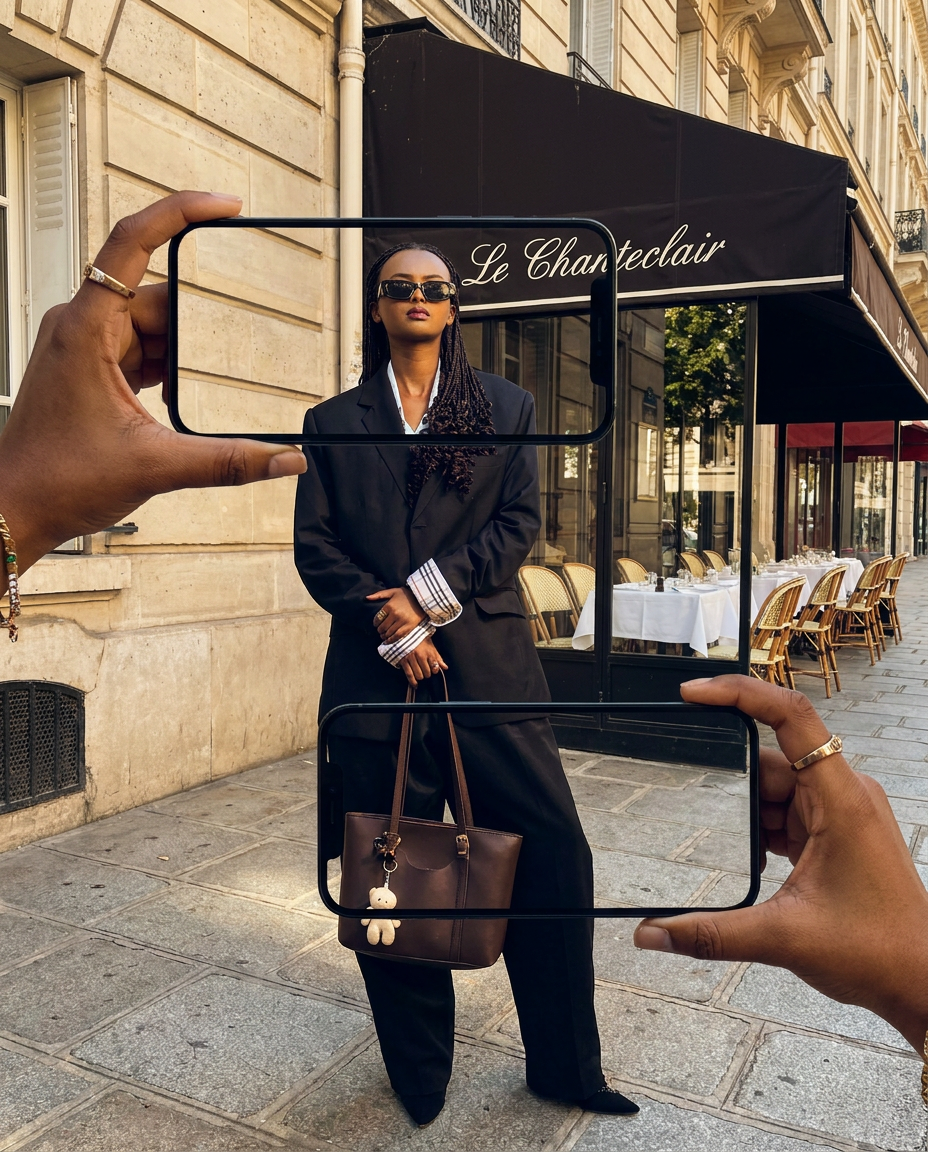
Capture the exact likeness of any person with incredible precision. This system maps every unique facial feature, skin tone, and hair texture onto your chosen subject, ensuring their physical appearance remains completely consistent across any pose or setting you decide to put them in.
Regenerate using your own assets.
Advanced technique: placing your character in entirely new scenes and styles
One of the biggest challenges creators are reporting with GPT-6 Astra is maintaining a character's likeness when changing the art style. Ask the raw model to render your photorealistic character in an anime style, and you'll often get a generic anime face that loses all resemblance to the original. This is a classic failure point for models that rely on textual descriptions alone.
A production-ready system, however, is built for this. It doesn't just understand the 'idea' of your character; it has a precise map of their facial structure. This allows it to transpose that structure into a new style while preserving the core identity. This is a challenge many have faced with other models, as we've explored in guides like why 'character sheet' prompts often fail. The solution is always a more robust process.
For this advanced task, a specialized tool is required. The Consistent Character Face Swap Tool (Template: #myup-i83a-ze2t) on MyUP is designed for this exact purpose. It allows you to take the identity from your source character and apply it to a target image in a completely different style, ensuring the final creation is both stylistically new and recognizably your character.
Consistent Character Face Swap Tool
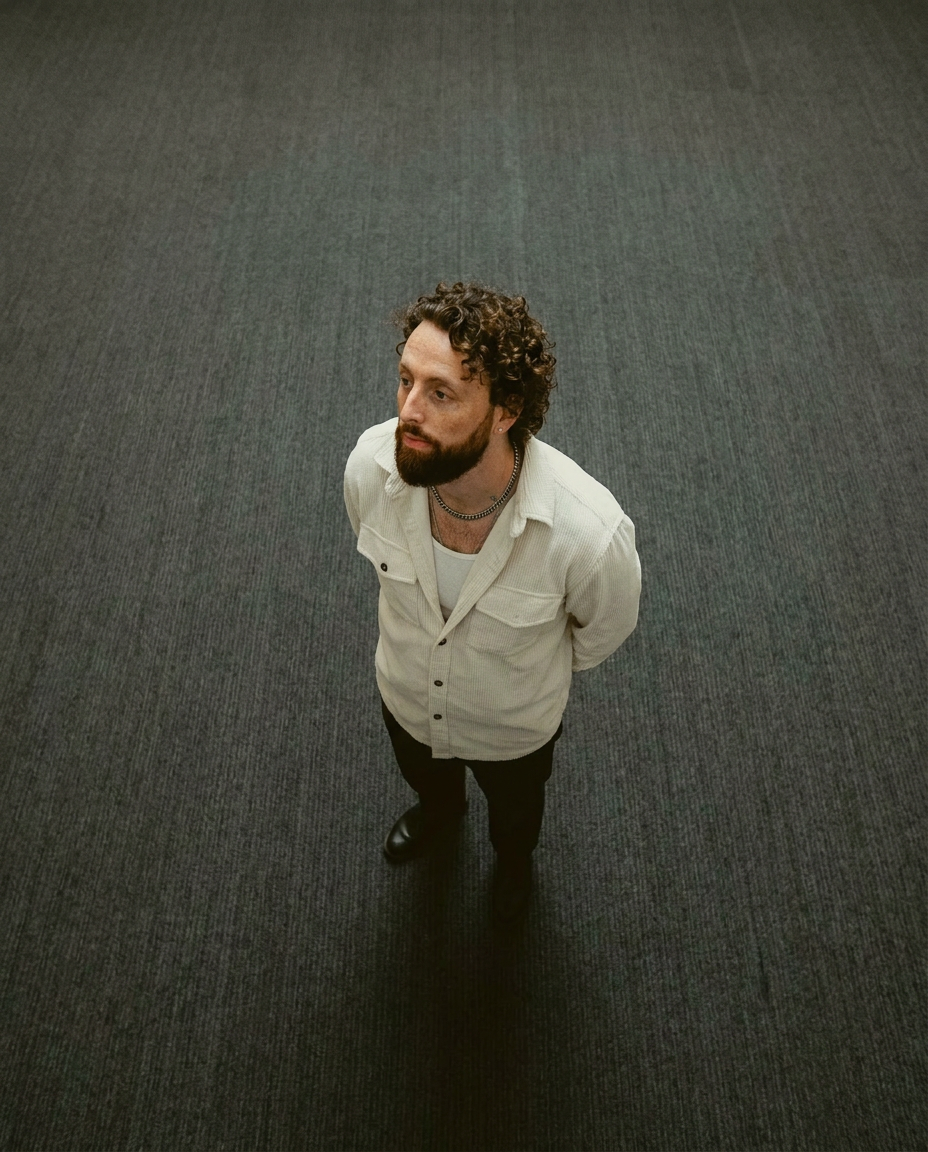
Lock in a subject's exact likeness and physical traits across any new scene. It maps every facial feature and body detail perfectly, keeping the person consistent no matter where you place them. Just drop in your photo and let the system handle the rest.
Regenerate using your own assets.
Stop troubleshooting and start creating
A powerful new AI model like GPT-6 Astra provides a glimpse of what's possible, but it's not the final destination. The goal for any creator, marketer, or brand is a finished, professional creation that is ready to publish. Spending hours troubleshooting glitches and re-rolling generations is not a productive use of your time or creative energy.
MyUP, the Creative Production Platform, is designed to bridge the gap between a raw idea and a finished result. It allows you to leverage the power of new models without getting bogged down in their technical limitations. Instead of fighting with prompts, you can focus on your intention and let the platform handle the production. If you're ready to achieve flawless character consistency without the frustration, it's time to move beyond raw tools. Start creating on MyUP today.