Since OpenAI's release of GPT-6 Astra on September 3, 2026, creators have been exploring its incredible video generation capabilities. But anyone attempting a multi-shot story has hit the same wall: you generate a perfect opening shot of your hero, only to find her hair color has changed, her jacket is now blue, or her face is subtly different in the next clip. This problem, which creators are calling 'narrative drift,' is the single biggest obstacle to producing coherent AI-driven films.
This isn't a bug; it's a fundamental challenge of stateless AI. By default, each generation is a new, independent creation. But for storytelling, you don't need a series of disconnected clips. You need a finished, consistent creation. This guide provides the practical production method to solve narrative drift for good.
GPT-6 Astra is here, but your characters are already changing
Since OpenAI's release of GPT-6 Astra on September 3, 2026, creators have been exploring its incredible video generation capabilities. But anyone attempting a multi-shot story has hit the same wall: you generate a perfect opening shot of your hero, only to find her hair color has changed, her jacket is now blue, or her face is subtly different in the next clip. This problem, which creators are calling 'narrative drift,' is the single biggest obstacle to producing coherent AI-driven films.
This isn't a bug; it's a fundamental challenge of stateless AI. By default, each generation is a new, independent creation. But for storytelling, you don't need a series of disconnected clips. You need a finished, consistent creation. This guide provides the practical production method to solve narrative drift for good.
The cause of 'narrative drift': why standard prompts fail for longer videos
Narrative drift happens because standard AI models lack persistent memory between prompts. When you ask for 'shot 2: our hero walks into the bar,' the AI doesn't inherently remember the exact details of 'our hero' from shot 1. It re-interprets the prompt from scratch, leading to inconsistencies in appearance, clothing, and environment. A simple text prompt is not enough to function as a character sheet that persists across a full production.
To create a narrative video, you need a system that enforces state management—ensuring key details remain locked in from one shot to the next. This is where GPT-6 Astra's most powerful new feature comes into play.
The solution: using 'searchable notes' as a dynamic story bible
The solution is to use GPT-6 Astra's 'searchable notes' feature. Think of it as a dynamic story bible or a persistent character sheet that the AI consults before generating every single frame. Instead of trying to cram all your character details into each individual prompt, you define them once in a structured note. This note acts as the single source of truth for your character's identity, ensuring they look and feel the same across an entire scene or short film.
By creating a detailed note for each character, location, and key prop, you are giving the AI the memory it needs to maintain narrative integrity. You move from prompting for disconnected images to directing a consistent scene.
How to structure your 'searchable notes' for perfect consistency: a practical example
Manually creating a searchable note requires structure. You can't just write a loose paragraph; you need to define clear, machine-readable attributes. For a character, a well-structured note might look something like this:
character_id: elara_vancephysical_description: Female, 30s, sharp jawline, emerald green eyes, a single silver streak in her black hair (worn in a tight braid).clothing: Worn brown leather jacket over a grey t-shirt, dark cargo pants, scuffed combat boots.key_identifier: A small, crescent-shaped scar above her left eyebrow.
By referencing this note in every prompt for a sequence, GPT-6 Astra will consistently render 'Elara Vance' with the same features. However, crafting these notes is a technical task. On MyUP, this entire production step is automated. Our templates are designed to build these consistency files for you based on simple descriptions. For example, to lock in a character's likeness from a reference photo, you can use a purpose-built template that handles all the technical details. Template: #myup-2gbp-wc6s
Consistent Character Face And Body Replacer
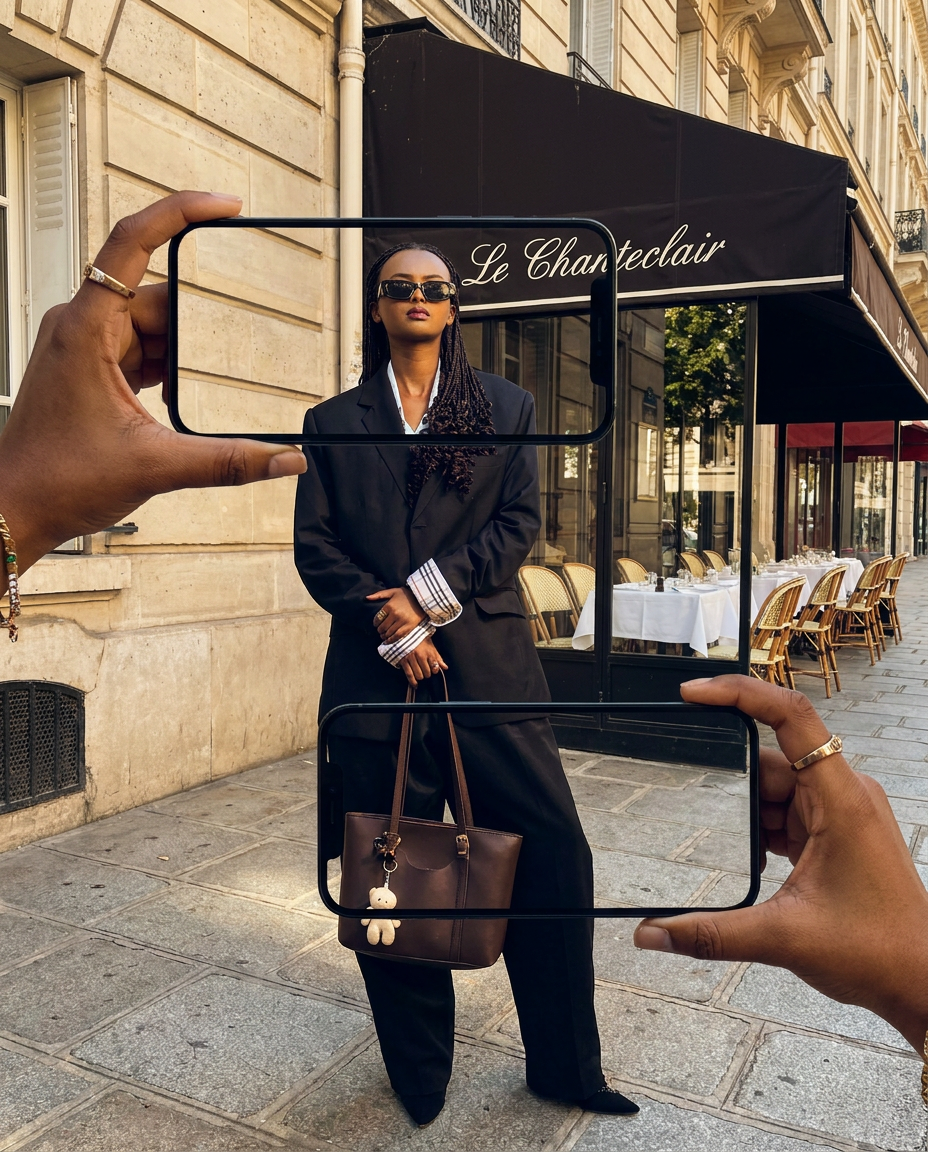
Capture the exact likeness of any person with incredible precision. This system maps every unique facial feature, skin tone, and hair texture onto your chosen subject, ensuring their physical appearance remains completely consistent across any pose or setting you decide to put them in.
Regenerate using your own assets.
Going deeper: locking in faces, bodies, and specific features
For true photorealism and high-fidelity replication, especially when matching a real person's likeness, text descriptions alone can fall short. The next level of consistency involves using more detailed notes, sometimes combined with image references, to ensure every facial feature and physical attribute is perfectly maintained. This is crucial for projects like creating digital doubles or ensuring a brand ambassador's likeness is flawlessly consistent in an ad campaign.
This requires a production method that can map skin texture, hair, and unique identifiers with extreme precision. While you could attempt to build this complex note structure yourself, it's a task better suited for a specialized tool. MyUP offers templates specifically for this intention, delivering studio-quality results without the manual setup. Template: #myup-yppq-8dxq
High Fidelity AI Face Swap Portrait
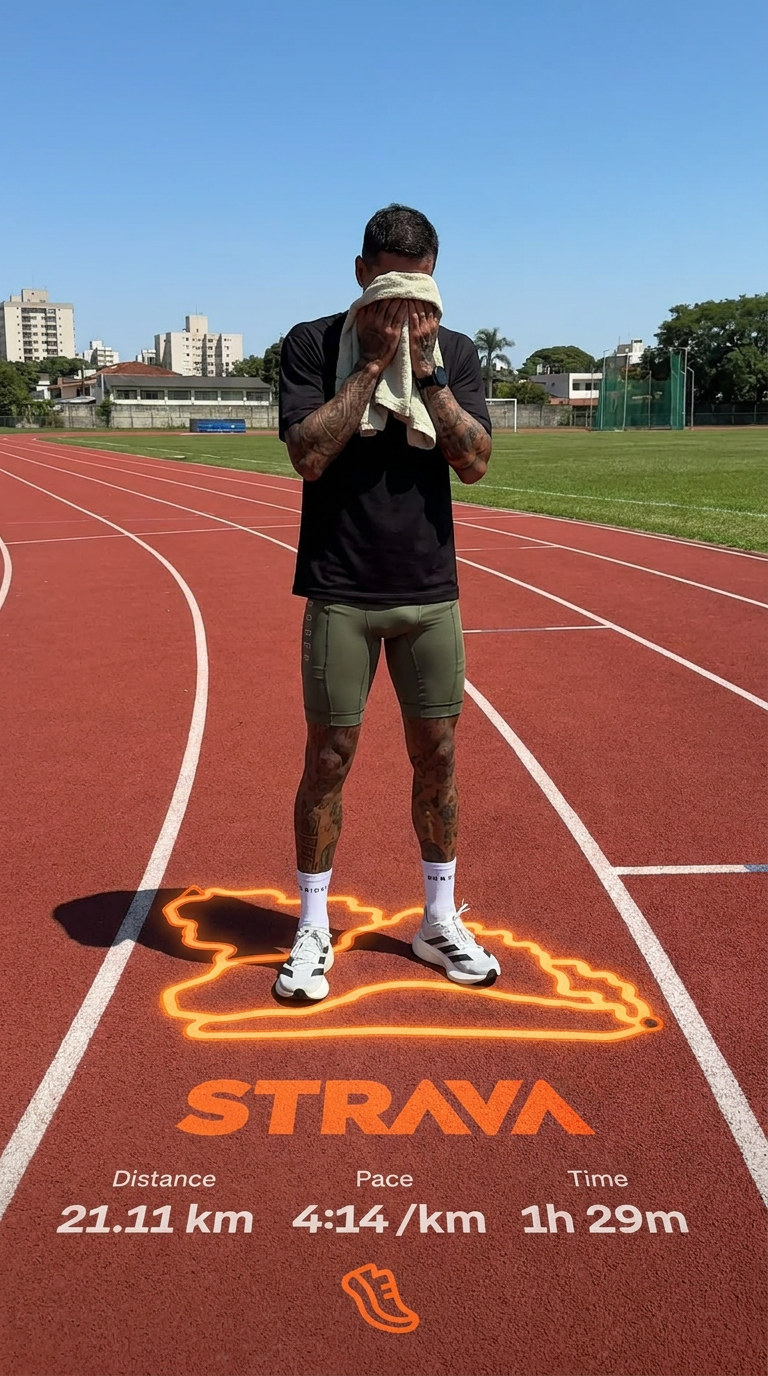
Capture every nuance of your subject's physical presence with absolute precision. This system maps skin texture, hair density, and muscle definition directly from your reference, creating a hyper-realistic digital twin that maintains the character's exact physiognomy and scale in any new environment you choose.
Regenerate using your own assets.
Beyond visuals: directing emotion and 'AI acting' with notes
Once you've solved visual consistency, the next creative frontier is performance. A character who looks the same but feels emotionally flat in every shot is just a digital mannequin. True cinematic storytelling requires directing 'AI acting.' You can achieve this by adding performance cues to your searchable notes.
By adding a field like 'emotional_state' that changes from shot to shot, you can guide the character's expression and body language:
- Shot 01: emotional_state: 'Subtle anxiety, glancing over her shoulder, tense posture.'
- Shot 02: emotional_state: 'Shifts to determined resolve, eyes fixed forward, jaw set.'
This technique moves you from being a generator operator to a true director, controlling not just the visuals but the emotional arc of your narrative.
The MyUP method: from complex notes to a finished cinematic scene
While manually managing 'searchable notes' is powerful, it's also technical, slow, and resembles coding more than creating. You didn't set out to write JSON files; you wanted to make a finished film. This is the core philosophy behind MyUP, the Creative Production Platform.
MyUP turns your creative intention into a finished result. You don't think about the underlying technical process. You simply state your goal—'I want a cinematic short film about a Trojan Horse siege with consistent soldiers'—and MyUP handles the production. Our platform automatically generates and manages the complex 'searchable notes' needed to fix character glitches and ensure shot-to-shot consistency. You maintain creative vision and validation; MyUP handles the technical execution.
A ready-to-use creative template on MyUP encapsulates this entire production method. It's pre-configured to deliver a finished, multi-shot narrative with complete character and environmental consistency, allowing you to produce cinematic AI video in minutes, not days. Template: #myup-e4ti-dcrw
Cinematic Trojan Horse Siege Short Film
Build high-tension cinematic sequences that shift from massive exterior monuments to claustrophobic interior details. It tracks subtle movements like shifting shadows and creeping fog to weave a suspenseful narrative, perfect for turning any static subject into a gripping, atmospheric story that unfolds through tight, gritty visual perspectives.
Regenerate using your own assets.
Your first consistent AI short film is now possible
The problem of character consistency in AI video is now solved. With the right production method, GPT-6 Astra's 'searchable notes' unlock the ability to create coherent, compelling narrative shorts. While the underlying technology is complex, the creative process doesn't have to be. MyUP provides the fastest path from a story idea to a finished, professional-quality creation. Instead of wrestling with code, you can focus on what matters: your story. Start creating on MyUP today and make your unimaginable possible.