A video summary is a good start. A video series is a strategy.
Google's announcement on June 30, 2026, that NotebookLM can generate short AI clips from your notes is a genuinely clever feature. For personal use—like turning study notes into a quick visual reminder—it's a perfect, simple tool. But for marketers, educators, and researchers, the job isn't to summarize; it's to build a narrative that captures attention and drives action.
A single, flat summary clip of your 20-page market research report is a missed opportunity. That report contains a story with a hook, a conflict, a climax, and a resolution. It's a week's worth of social media content, a LinkedIn campaign, or a TikTok educational series waiting to happen. A summary is a gadget. A content strategy is turning one high-value asset into many, consistently and on-brand. That requires a workflow, not just a button.
The workflow: From a 20-page PDF to a 4-part video series
The goal is to transform a single, dense document—a whitepaper, a case study, a research report—into a structured, multi-part video narrative designed for a social feed. Instead of one video that tries to say everything, you create a sequence of four short, focused clips that guide your audience through a complete story. This approach respects the short attention spans of social media while delivering real value over time.
This isn't about just pasting text and hoping for the best. It's a repeatable system for deconstructing your expertise and rebuilding it as an engaging visual campaign. On MyUP.ai, this entire process is managed within a single platform, turning what would be a complex, multi-tool production process into a streamlined workflow. The core idea is simple: you provide the strategy, and MyUP handles the production.
Step 1: Deconstruct your research into a narrative arc
Before you touch any AI tools, read through your document and identify the four core components of your story. This is where you, the human expert, guide the entire process. For a typical research report or whitepaper, this narrative arc looks like this:
- Part 1: The Hook. What is the core problem or surprising statistic that grabs attention? Find the single most compelling sentence or data point in your introduction. This is your opening clip.
- Part 2: The Insight. What is the key finding or piece of data that explains the 'why' behind the hook? This is often a chart, a key percentage, or a critical quote from your research.
- Part 3: The Solution. How does your product, service, or methodology address the insight? This is where you connect the data to your brand's value proposition.
- Part 4: The Call to Action (CTA). What should the viewer do next? Download the full report, book a demo, visit your website. This final clip must be direct and actionable.
By breaking your document into these four parts, you've created a storyboard. Now, you can use AI to execute each piece of the narrative.
Step 2: Create the series foundation in MyUP with your Brandkit
Consistency is what separates a professional video series from a random collection of clips. The biggest time sink in content production is manually applying brand colors, fonts, and logos to every single asset. MyUP solves this at the very beginning with the Brandkit.
Before generating any videos, you simply set up your Brandkit in MyUP—or have it automatically built from your website URL. This one-time setup saves your logo, brand colors, and typography. Now, every video you generate for your series will automatically inherit your visual identity. Part one will look like it belongs with part four, creating a cohesive and professional campaign without you ever having to open a traditional video editor to adjust hex codes or upload a logo file.
Step 3: Generate the video clips for each part of your story
With your narrative planned and your Brandkit active, you can now generate the four videos in your series. In MyUP, you'll feed the text and concepts from each part of your storyboard into specific workflows designed for the job. You approve and adjust the output; MyUP manages the production.
Part 1 & 2: Building the narrative with text and data
The first two clips are about setting the stage and presenting your key insight. They need to be clean, bold, and easy to read. For Part 1 (The Hook), you can use a workflow that prioritizes typography to make your opening statement unmissable. Paste your hook text into a workflow like the Minimalist Poster to create a strong, text-led visual foundation for your video.
Workflow code: #myup-k4td-9k6z
Minimalist Poster
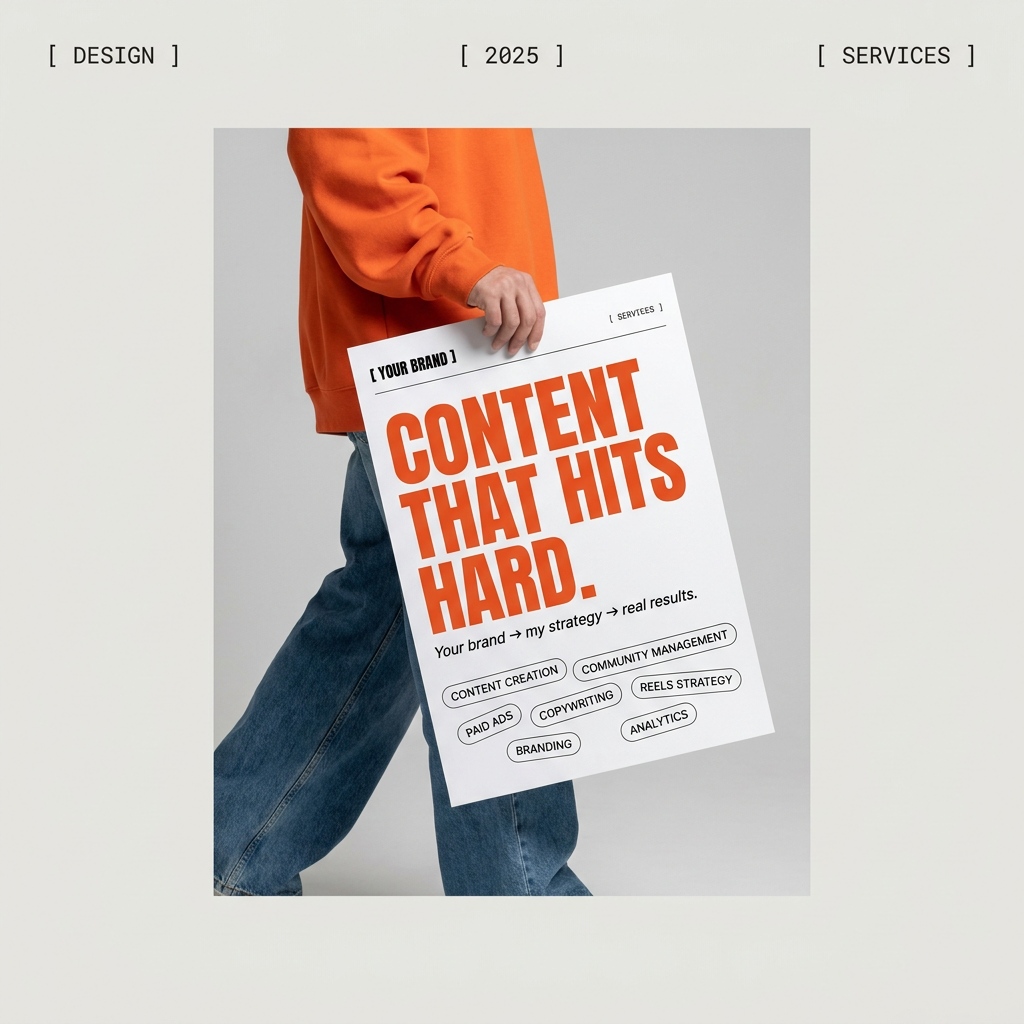
Give your social feed a clean, gallery-like aesthetic. This layout frames your images with structured mono typography and soft, neutral backgrounds for a high-end editorial look. It's perfect for minimal product launches or brand announcements.
Regenerate using your own assets.
For Part 2 (The Insight), you need to make your data point the hero. A workflow that uses a grid structure can present a key statistic in a powerful, editorial style. The Bold Editorial Grid Poster workflow is perfect for turning a percentage or a key finding into a visually compelling scene that stops the scroll.
Workflow code: #myup-n0bi-2wzk
Bold Editorial Grid Poster
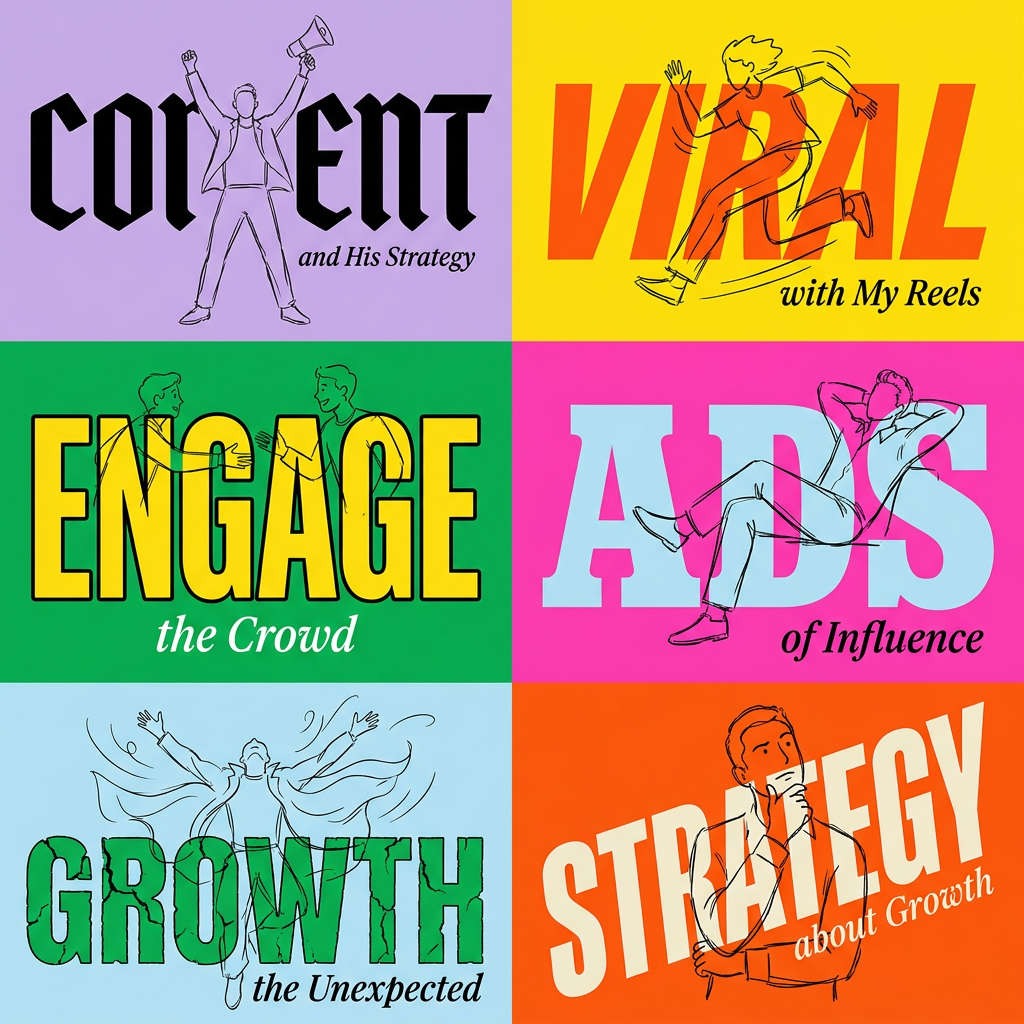
Create striking 2x3 editorial posters with six seamless, flat-color square cards in a perfect 4:5 grid. There are absolutely no gaps between the blocks, giving your content a bold, high-contrast magazine layout. It looks incredibly clean on any social feed.
Regenerate using your own assets.
Part 3 & 4: Driving action with product visuals and ads
The final two clips pivot from information to action. For Part 3 (The Solution), you need a hero shot of your product or a conceptual image that represents your service. Let's say your research was about food trends. You can use a workflow designed for high-impact product shots to create a stunning visual of your solution in action.
Workflow code: #myup-xjsb-hirr
Bold Portrait Food Advertising Photo

Get those high-impact, tight action shots of people actually enjoying your food brand. It drops your product right into a messy, realistic close-up bite shot that feels like a premium lifestyle campaign instead of a boring studio packshot.
Regenerate using your own assets.
Finally, for Part 4 (The CTA), you need a short, punchy ad that drives the final action. This clip should be designed for conversion. Using a purpose-built ad workflow ensures the format, pacing, and visual elements are all optimized to get that click. A vertical ad template is ideal for platforms like TikTok, Reels, or Shorts.
Workflow code: #myup-fts6-4ihp
Vertical Gourmet French Fry Ad
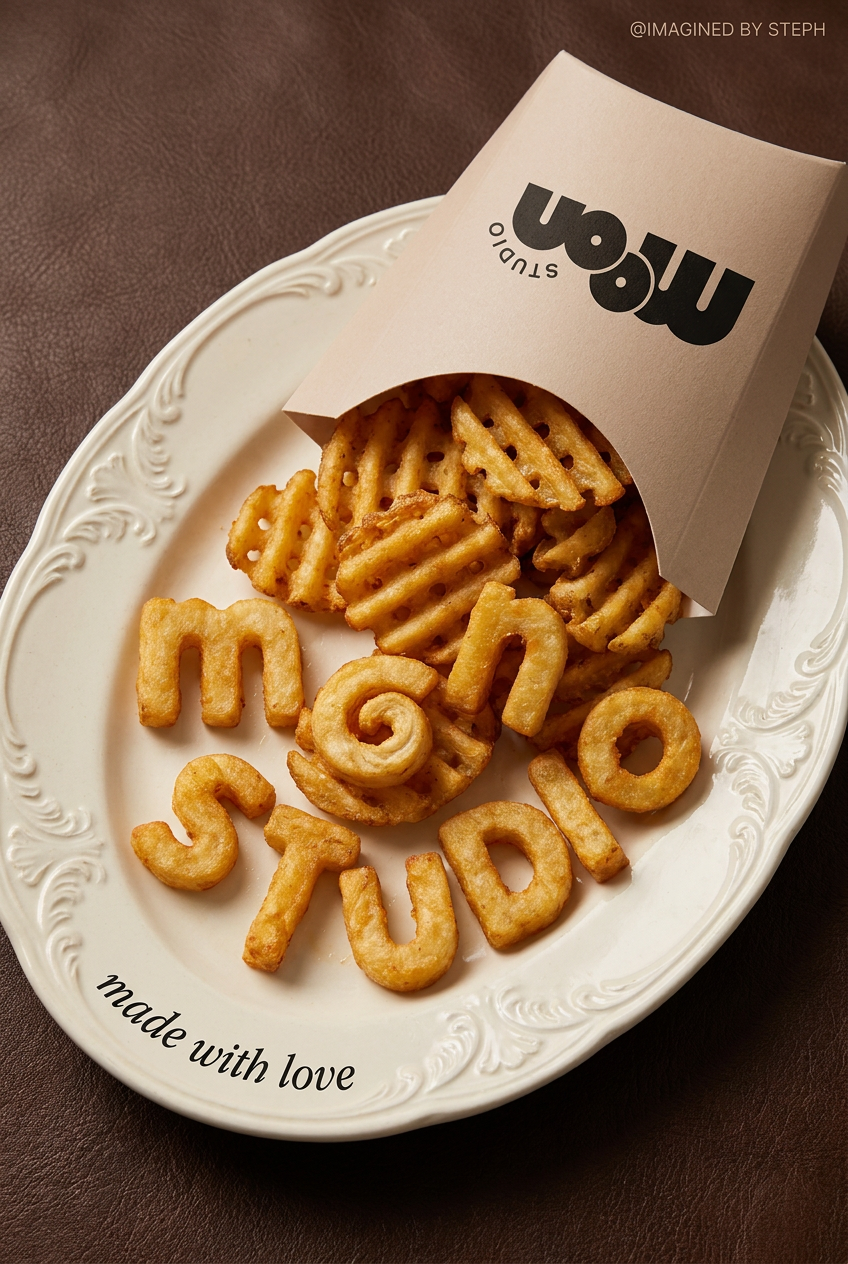
Transform your products into high-fashion editorial ads. This setup uses a dynamic diagonal layout and a slightly tilted overhead angle to give food and packaging incredible depth and texture. It's perfect for giving any brand a chic, premium look.
Regenerate using your own assets.
After running these four workflows, you have a complete, on-brand video series ready for export, all derived from a single document.
From a simple clip to a content engine
Tools like Google's AI clips are excellent for personal productivity. They solve a simple problem: turning a block of text into a single video summary. But brands and content creators have a different, more complex problem to solve. Their challenge is to build an audience, tell a compelling story, and maintain a consistent identity across all their content.
This requires moving from a single output to a repeatable system. A platform like MyUP, built around a Brandkit and strategic workflows, provides that system. It transforms your core knowledge from a static document into a dynamic content engine that can produce an entire campaign's worth of on-brand video assets, not just one clip. Your expertise deserves a narrative, not just a summary.