This month, AI research lab Un-0 signaled a new capability that changes the game for creators: its latest model can effectively 'replicate' the output of other conventional AI systems. While the technical details are complex, the creative implication is simple and profound. We are moving from an era of vaguely 'referencing' a style to one where we can precisely replicate its DNA.
For any creator, brand manager, or agency trying to maintain a consistent visual identity, this is the solution to a core problem. Getting one great image is easy. Getting a hundred different images for a campaign that all feel like they belong together is incredibly difficult. The common approach of using a style reference image is unreliable, often capturing the subject more than the aesthetic. It's time for a more professional workflow.
From style reference to style deconstruction: a better workflow
Simply uploading an image and hoping the AI 'gets it' is a lottery. The model might borrow the color palette but miss the texture, or copy the composition but ignore the lighting. The results are inconsistent because the process lacks intent.
Style Deconstruction is a systematic alternative. Instead of asking the AI to guess, you do the analytical work yourself. You break a target aesthetic down into its fundamental components—its visual DNA—and then codify those rules into a reusable system. This turns a creative guessing game into a reliable production process.
Replicating a style isn't about finding one magic prompt. It's an act of analysis and translation. You identify the core principles of an aesthetic and translate them into a set of instructions the AI can execute perfectly, every time. The tool for this translation is your MyUP Brandkit.
Step 1: Analyze and isolate the style's DNA
Before you can replicate a style, you must understand it. Find an image that perfectly represents the aesthetic you want to capture and analyze it like a designer. Ignore the subject matter and focus on the execution. Look for these five core components:
- Color Palette: Don't just see 'blue and yellow.' Use a color picker tool to identify the exact hex codes. Is the black a true #000000 or a washed-out charcoal? Is the white pure or a creamy off-white? Note 4-6 primary and accent colors.
- Typography: If there's text, what is its role? Is it a clean sans-serif, a distressed slab-serif, or a hand-drawn script? Identify the font or a close alternative.
- Texture & Grain: Look closely at the image surface. Do you see film grain, paper texture, halftone dots for printing, or subtle noise? Is there evidence of chromatic aberration or lens distortion at the edges? These details are crucial for authenticity.
- Lighting & Composition: How is the scene lit? Is it soft and diffused, or hard and dramatic with high contrast? Are compositions centered and symmetrical, or do they follow the rule of thirds? Are they cluttered and maximalist, or clean and minimalist?
- Core Keywords: Now, translate these visual observations into words. This is where tools like Ideogram's 'Describe' feature can provide a useful starting point, generating a list of potential keywords from an image. Collect the most accurate terms describing the style, such as 'risograph print,' 'faded polaroid,' 'vector illustration,' or 'cinematic still.'
Step 2: Codify the style in your MyUP Brandkit
Your analysis is complete. Now, you need to store this visual DNA in a place where it can be deployed automatically. This is the exact job of a MyUP Brandkit. Instead of creating a Brandkit for your company logo, you'll create one that functions as a 'Style Profile' for your target aesthetic.
In MyUP.ai, create a new Brandkit and give it a descriptive name like 'Vintage Risograph Style' or 'Dark Academia Photo Style'.
- Add Your Colors: Input the exact hex codes you identified in Step 1 into the color palette section of the Brandkit.
- Upload Fonts: If your style uses specific typography, upload the font files directly to the Brandkit.
- Save Your Style Keywords: This is the most critical part. In the Brandkit's style guide or notes section, paste the descriptive keywords, texture notes, and lighting/composition rules you gathered. This becomes your master prompt fragment that defines the aesthetic. For a risograph style, this might include terms like: 'risograph print, halftone dots, limited color palette, grainy texture, slight misalignment, bold typography.'
By doing this once, you create a permanent, reusable asset for that style. You've moved the intelligence out of a single prompt and into a system. This is the core of the Brandkit method for achieving consistency.
Step 3: Deploy your captured style with a single click
This is where your upfront work pays off. With your 'Vintage Risograph Style' Brandkit created and saved, you can now apply it to any new generation on MyUP. You no longer need to remember and re-type the complex style descriptors for every image.
Simply start a new project, describe the subject you want to create ('a poster for a summer music festival'), and select your 'Vintage Risograph Style' Brandkit. MyUP automatically applies the colors, fonts, and core style keywords to your prompt, ensuring the output matches the aesthetic you deconstructed. The user validates the result; MyUP handles the production.
Want to create an event poster in that exact style right now? This workflow is pre-built and ready to go. Just tell it about your event, and MyUP will generate a poster using the risograph aesthetic you just learned to deconstruct.
Workflow code: #myup-3xus-3l9x
Vintage Risograph Event Poster
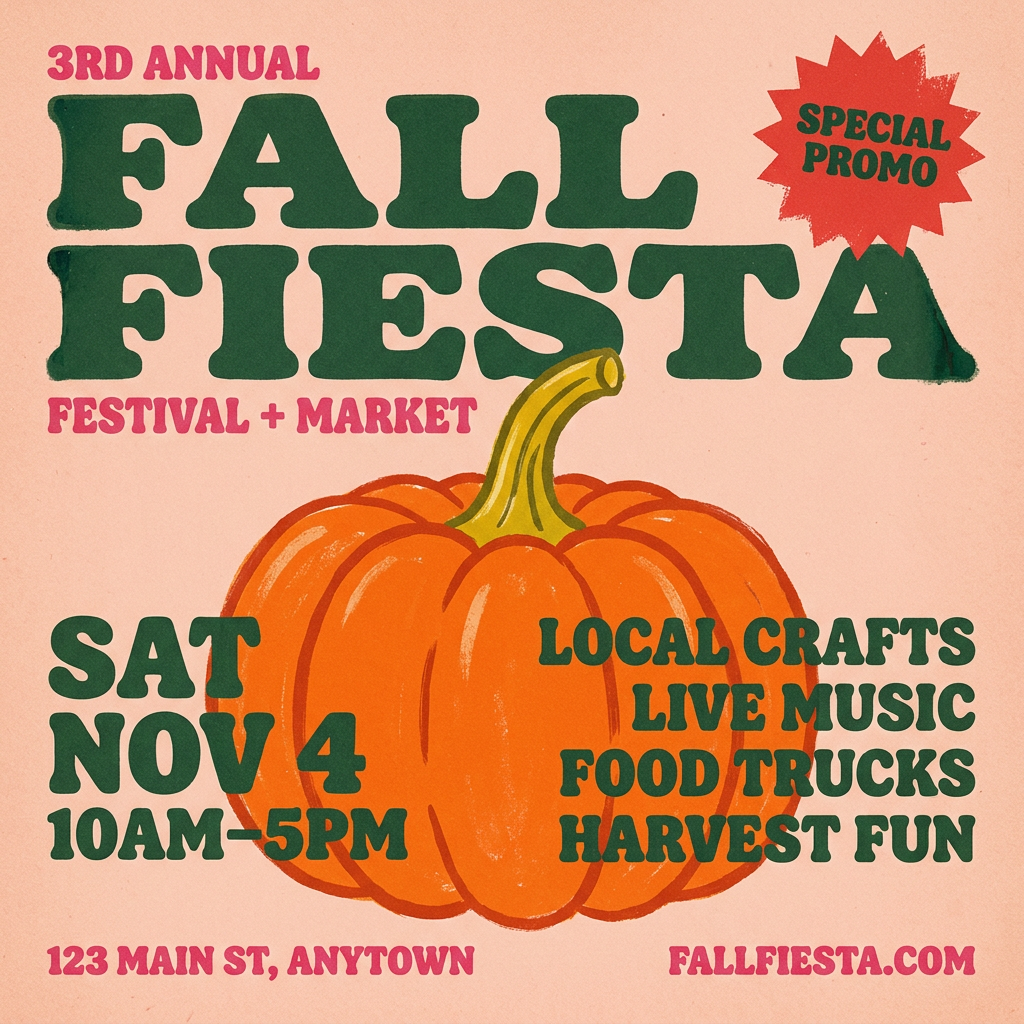
Turn any announcement into a gritty, tactile gig poster. It layers your text with an uneven letterpress ink texture over a dusty, warm pink risograph paper background. It’s perfect for giving social posts a real analog, screenprinted vibe.
Regenerate using your own assets.
Advanced technique: Creating new aesthetics by blending captured styles
Once you have a few Style Profile Brandkits, you can move beyond simple replication and start innovating. Your Brandkits become a palette. You can create a new image and apply one Brandkit, then take that output and apply elements from a second Brandkit in a new generation.
For example, you could take the bold typography and halftone patterns from your 'Vintage Risograph Style' and combine them with the cut-and-paste, photocopied look from a 'Retro Zine Style' Brandkit. This allows you to mix and match aesthetic DNA to create entirely new, hybrid styles with a high degree of creative control.
This workflow for a zine-style poster can be the starting point for your next experiment.
Workflow code: #myup-msop-hlxf
Retro Zine Style Event Poster
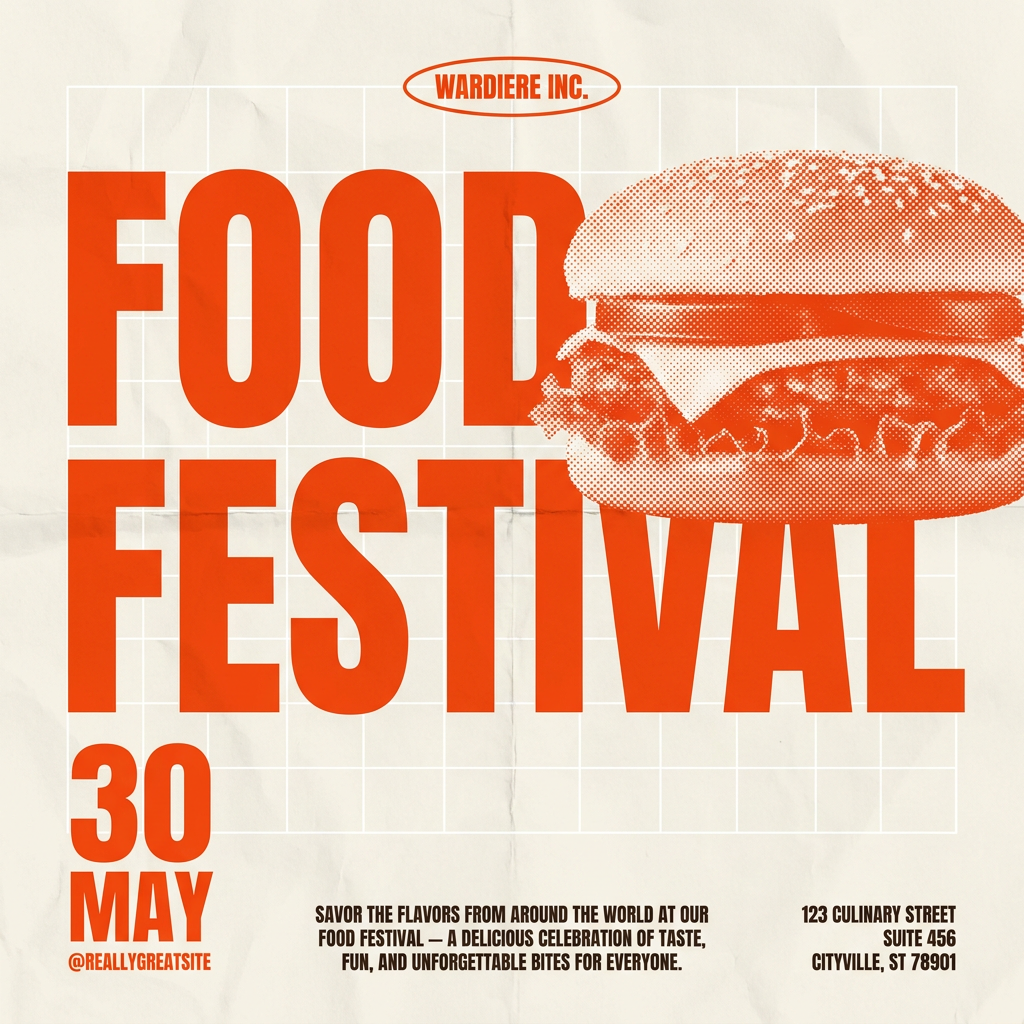
Give your social posts a gritty, analog zine aesthetic. It layers a crumpled paper texture and a subtle grid over a warm cream background to make any event graphic look like a tactile, photocopied flyer. Perfect for DIY gigs and bold promos.
Regenerate using your own assets.
Your Brandkit is your library of styles
The future of professional AI creation isn't about endlessly tweaking prompts to get one perfect image. It's about building a systematic library of captured, deployable aesthetics that you can use on demand to create hundreds of consistent, on-brand assets.
The Style Deconstruction workflow turns you from a prompter into a systems builder. Every MyUP Brandkit you create for a style is another tool in your creative arsenal, ready to be deployed for your next campaign, social media post, or client project. Start building your library today.