
Google's announcement on July 2, 2026, dropping conversational video editing into Gemini with its 'VideoFX' feature, was a genuine 'wow' moment. The ability to just tell an AI to 'make this clip black and white' or 'add a suspenseful soundtrack' feels like the future. It's an incredible tool for exploring an idea or making a quick, one-off video for social media.
But for anyone responsible for brand content, that initial excitement is quickly followed by a practical question: This is amazing for one video, but how do you make the next ten videos look and feel exactly the same? How do you ensure they use your brand's specific hex codes, fonts, and logo placement? That's where the conversation stops and the real work of production begins.
What is conversational video editing, really?
Conversational video editing is a new way to interact with creative software. Instead of using a complex timeline, keyframes, and effect panels, you use natural language prompts to direct the AI. You 'talk' to your video, telling it what changes to make. Google's VideoFX in Gemini is the most prominent example, allowing you to upload a clip and refine it through a series of commands.
Its power lies in its immediacy and accessibility. It demolishes the technical barrier to entry for video editing. For a solo creator brainstorming a concept or a social media manager needing a quick reaction video, it's a massive accelerator. You can test moods, styles, and effects in seconds, arriving at a compelling rough cut without ever touching a traditional editing suite.
The production gap: where conversation falls short for brands
The problem arises when you move from creating a single 'asset' to producing a 'campaign'. A campaign requires consistency, scalability, and precise control — three things a purely conversational model struggles with. This is the production gap that can quietly sabotage your brand's visual identity.
- Brand Consistency: Can you conversationally prompt an AI to use 'Brand Blue #0A2351' every single time? Or to place your logo exactly 20 pixels from the top-right corner with 85% opacity? This level of precision is lost in translation. A conversational AI interprets; it doesn't execute against a ruleset.
- Scalability: Your client loves the first video ad. Now they want nine more, one for each product in the new line. With a conversational tool, you're starting from scratch every time, trying to verbally reconstruct the exact sequence of edits, timings, and styles. It's inefficient and guarantees visual drift across the campaign.
- Creative Control: A conversation is an exploration, not a blueprint. For professional work, you need a blueprint — a defined shot list, specific transition styles, and locked-in pacing. Relying on conversation for this is like asking a builder to construct a house based on a casual chat instead of architectural plans.
Here’s how the two methods stack up for professional use:
FactorConversational Editing (e.g., Gemini VideoFX)Workflow Production (e.g., MyUP.ai)Best Use CaseIdeation, brainstorming, one-off social postsScalable campaigns, series content, brand-compliant assetsBrand ConsistencyLow. Relies on repeated, imprecise descriptionsHigh. Enforced automatically by a saved BrandkitScalabilityLow. Each new asset is a manual, new conversationHigh. Create one workflow, run it for unlimited assetsControlInterpretive. Good for discovery, bad for precisionDeterministic. Executes a precise set of instructions every timeThe workflow solution: from a single idea to a repeatable campaign
A workflow bridges the production gap by turning a creative formula into a repeatable, automated system. Instead of re-explaining the rules every time, you define them once. In MyUP.ai, this is a two-part solution: your Brandkit and a saved workflow.
Your MyUP Brandkit is the single source of truth for your visual identity. You build it once—with your logos, color palettes, and fonts—and it's automatically applied to every asset you create. It removes the risk of an AI guessing your brand's shade of blue or using the wrong typeface.
A workflow is your production blueprint. It’s a series of steps—like 'Create a 3-second opening shot,' 'Add a product shot with a text overlay,' and 'Close with an end card featuring our logo'—that MyUP executes in order. You design the structure, and the AI handles the production. The human creator validates the output, making adjustments as needed, but the core process is automated.
This means when you need to create a whole series of ads, you don't have ten separate conversations. You run one workflow ten times. This is how you move from making a video to producing a campaign. For example, you can build a workflow for a dynamic sportswear ad and reuse it for every product in your collection, ensuring every video has the same high-energy feel and perfect branding.
Workflow code: #myup-ywpr-rqz6
Professional Sportswear Ad
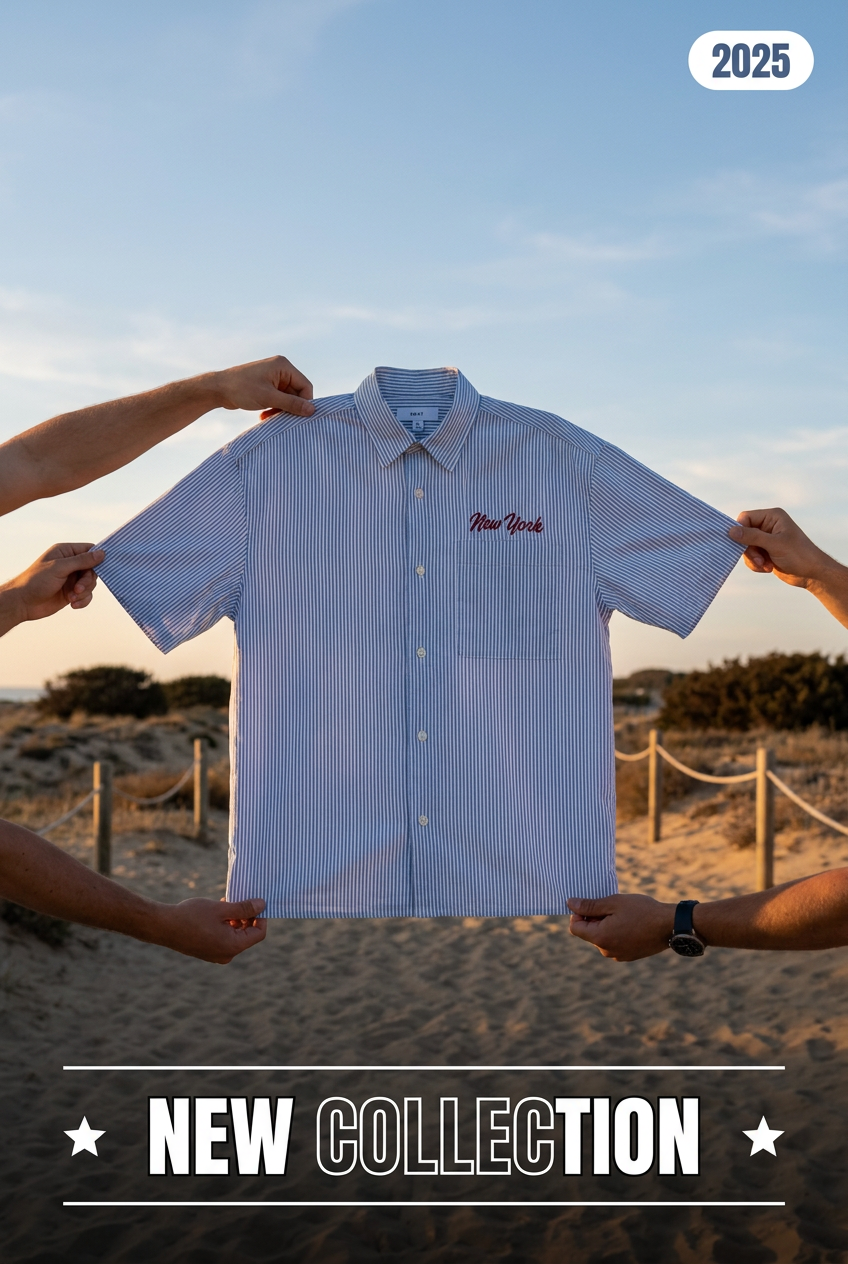
Suspends your apparel right in the center of a high-energy promo shot, held up by hands around the frame. It gives your shirts or jerseys a gritty, collaborative streetwear editorial look that feels alive and physical.
Regenerate using your own assets.
How to combine both for a modern video creation process
The smartest approach isn't to choose one method over the other. It's to use them for what they're best at in a modern, hybrid process.
- Ideate with Conversation: Use a tool like Gemini VideoFX as your creative sandbox. Freely experiment with different visual styles, pacing, and concepts for a new campaign. Talk your way to a rough cut that captures the feeling you're after. This is the fastest way to find a winning idea.
- Produce with a Workflow: Once you've found the idea, bring it to MyUP.ai to systematize it. Rebuild the structure of your winning rough cut as a repeatable workflow. Connect your Brandkit to enforce visual identity. This step turns your creative discovery into a production-ready asset.
- Scale and Validate: Now, run that workflow for every asset in the campaign. Your role shifts from tedious manual editor to creative director. MyUP handles the repetitive production work, and you focus on approving the final outputs, ensuring quality and impact.
This hybrid approach gives you the best of both worlds: the fluid, rapid ideation of conversational AI and the rock-solid consistency and scale of a workflow. You can go from a vague idea to a full set of polished, on-brand campaign assets like a high-end fashion spot or a bold food ad in a fraction of the time.
Workflow code: #myup-xjsb-hirr
Bold Portrait Food Advertising Photo
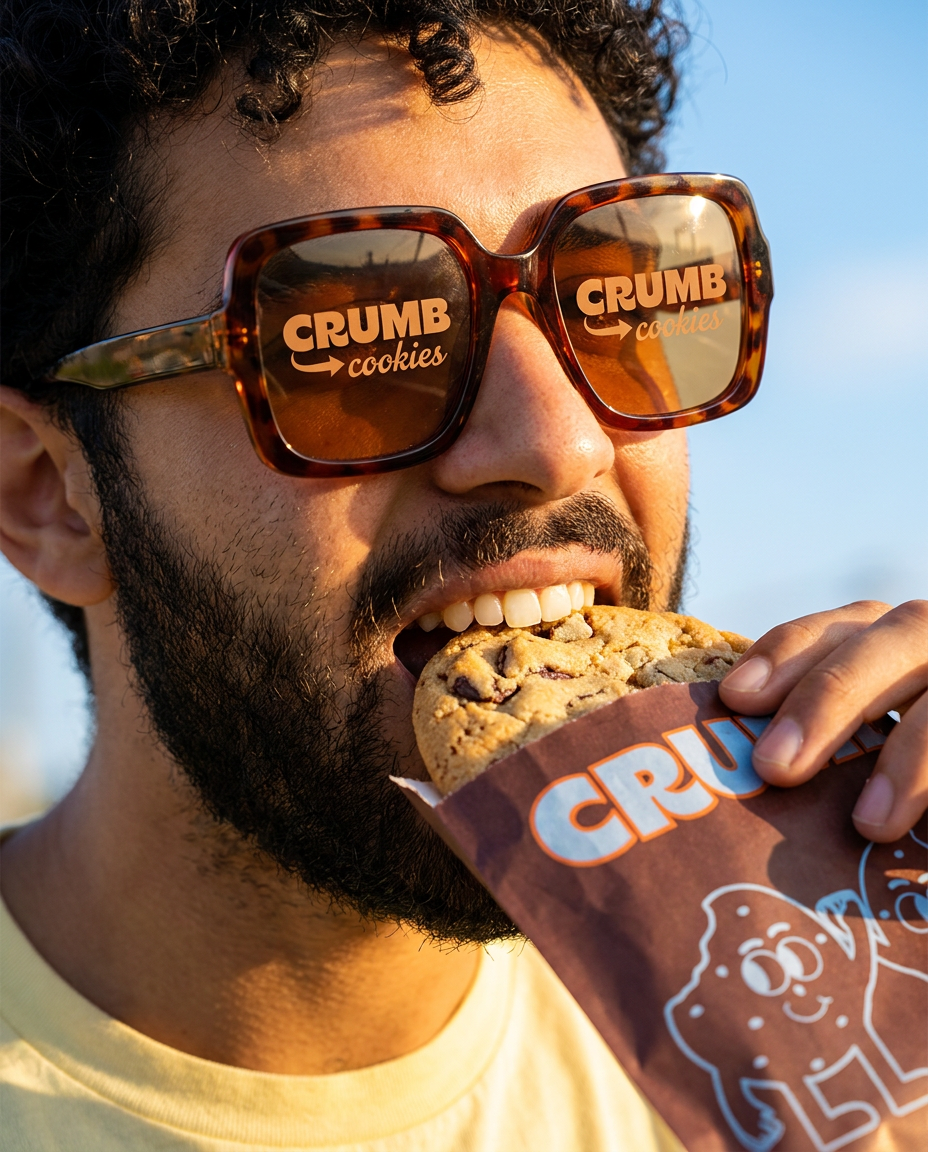
Get those high-impact, tight action shots of people actually enjoying your food brand. It drops your product right into a messy, realistic close-up bite shot that feels like a premium lifestyle campaign instead of a boring studio packshot.
Regenerate using your own assets.
Workflow code: #myup-yk1h-uqy8
High-End Editorial Fashion Magazine Cover
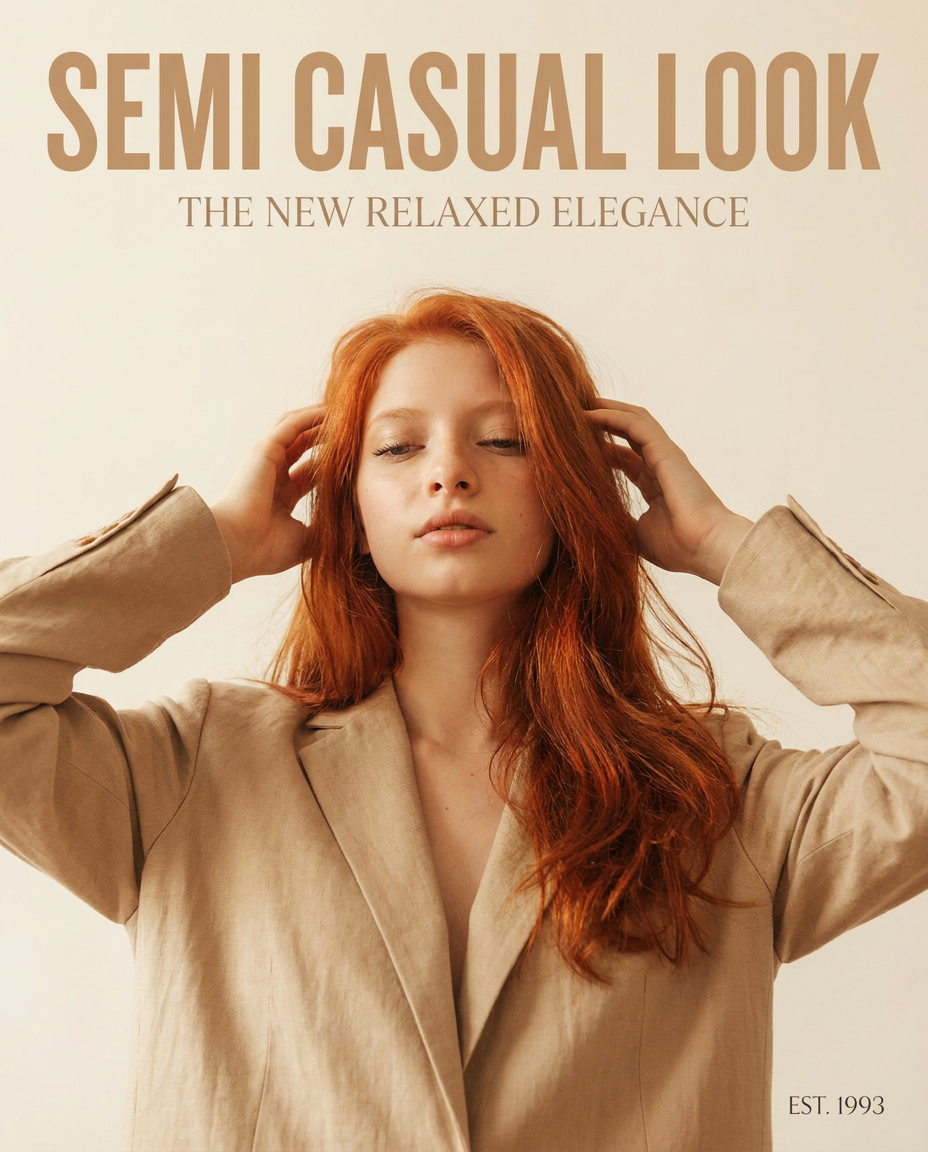
Drop in any portrait and turn it into a high-end editorial magazine cover. It frames your subject beautifully with relaxed, high-fashion posing and soft styling for a polished print aesthetic.
Regenerate using your own assets.
Ideation vs. production: choosing the right tool for the job
Conversational video editing is a legitimate breakthrough, but it's an interface for ideation, not a system for production. It helps you find the answer, but it can't reliably repeat it at scale.
For brands, repeatability is everything. Your audience builds trust through consistent visual communication. A workflow is the only way to guarantee that consistency when using AI. Don't get stuck in an endless conversation trying to recreate past success. Use conversation to find a great idea, then use a platform like MyUP.ai to build a workflow that turns that one great idea into an entire, on-brand campaign.