
In the last week of June 2026, the AI video world simultaneously celebrated a breakthrough and admitted a huge failure. The release of dedicated features like Luma Labs' 'Character Lock' and Midjourney's '--cref' for video finally addressed the single biggest obstacle to AI storytelling: character consistency. Everyone creating narrative content has felt this pain. You generate a perfect character in scene one, only to have them replaced by a slightly-off cousin in scene two.
These new features are a great step, but they lock you into a single platform. The professional, portable secret isn't a feature; it's a system. You don't get consistency by asking for it in a prompt. You get it by building a system of record for your character's identity. This guide shows you that system.
The wrong approach: why your character keeps changing every scene
If you've tried to make a multi-scene story, this probably sounds familiar. You prompt for 'a female astronaut with short blonde hair, looking determined' for your first shot. It looks great. For the next shot, you prompt 'the same astronaut inside the cockpit, pressing a button'. The AI generates another female astronaut, but her jawline is different, her hair is a slightly different shade, and the suit details have changed. The illusion is broken.
This happens because most AI models have no memory from one generation to the next. Each prompt is a new, independent request. Relying on text prompts alone is like describing a person to a new sketch artist for every single frame of a movie. You'll get variations, not consistency. Even using a single image reference can be unreliable, as the AI often only borrows stylistic elements rather than locking onto the core identity.
The professional method: build a 'character bible' before you generate a single clip
The solution used in professional animation and gaming for decades is the character model sheet, or what we'll call a 'Character Bible'. This is the single source of truth for your character's appearance. It’s a definitive document you create once, before you even think about your first video scene.
A proper Character Bible isn't just one good portrait. It includes:
- A Turnaround: Your character shown from the front, side, and back in a neutral pose. This defines their core physical structure.
- Expression Sheet: Key expressions like joy, anger, sadness, and surprise. This teaches the AI their emotional range.
- Key Outfits/Poses: If they have a signature jacket or a specific action pose, document it.
This isn't about prompting better. It's about building a reference asset that forces the AI to conform to a specific identity. Instead of describing the character every time, you point the AI back to their bible. This system gives you control that transcends any single tool's latest feature.
Step 1: Generate your definitive character reference sheet
Your first job is to create the core images for your Character Bible. You're aiming for clean, clear portraits that define the character. The goal is to generate a high-quality, well-lit image that can serve as the foundation. Start by focusing on a definitive front-facing portrait. This will be the master image from which all other references are derived.
In MyUP, you can use a workflow designed for high-quality portraits to establish this key visual. A template built for editorial quality ensures the lighting, detail, and composition are strong enough to serve as a reliable reference.
Workflow code: #myup-yk1h-uqy8
High-End Editorial Fashion Magazine Cover
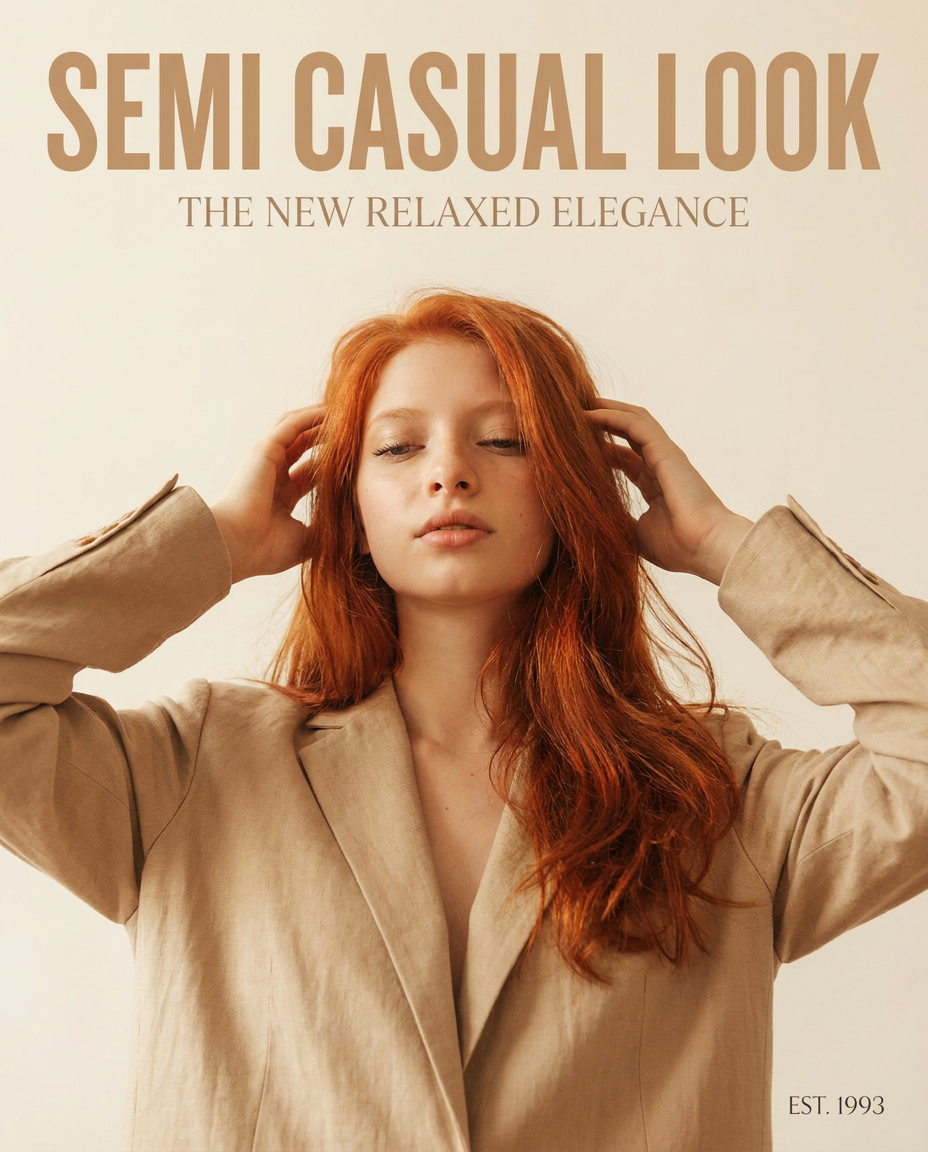
Drop in any portrait and turn it into a high-end editorial magazine cover. It frames your subject beautifully with relaxed, high-fashion posing and soft styling for a polished print aesthetic.
Regenerate using your own assets.
Once you have your core portrait, use it as an image reference to generate the rest of your sheet: the side view, back view, and key expressions. The goal is to create a small but comprehensive set of 4-6 images that define your character from all angles.
Step 2: Turn your character sheet into a reusable MyUP Brandkit
A folder of images on your desktop is a start, but it's not a workflow. To make your Character Bible an active part of your creation process, you need to save it as a system of record. In MyUP, the Brandkit is designed for this. While typically used for logos, color palettes, and fonts, you can easily create a Brandkit for your character.
Here’s how:
- Create a new Brandkit in MyUP and name it after your character (e.g., 'Project Starfinder - Hero').
- Upload your character reference images—the turnaround shots and expression sheet—into the image assets section.
- If your character has specific colors in their outfit or design, add those to the Brandkit's color palette.
Your Brandkit is now a portable, reusable Character Bible. It’s a container for your character's visual DNA that any MyUP workflow can be instructed to use, ensuring every piece of content you create is anchored to the same source of truth.
Step 3: Generate video scenes that obey your character bible
This is where the system pays off. Now, instead of starting every video prompt from scratch, you run a workflow in MyUP that is connected to your character's Brandkit. The workflow will automatically use the images in your Character Bible as strong visual references for every scene it generates.
The user (you) provides the creative direction for the scene—the action, the setting, the camera angle. MyUP handles the production, ensuring the character in the scene matches the one defined in your Brandkit. For example, you can now create a dynamic action shot where your character is the focus.
Workflow code: #myup-ywpr-rqz6
Professional Sportswear Ad
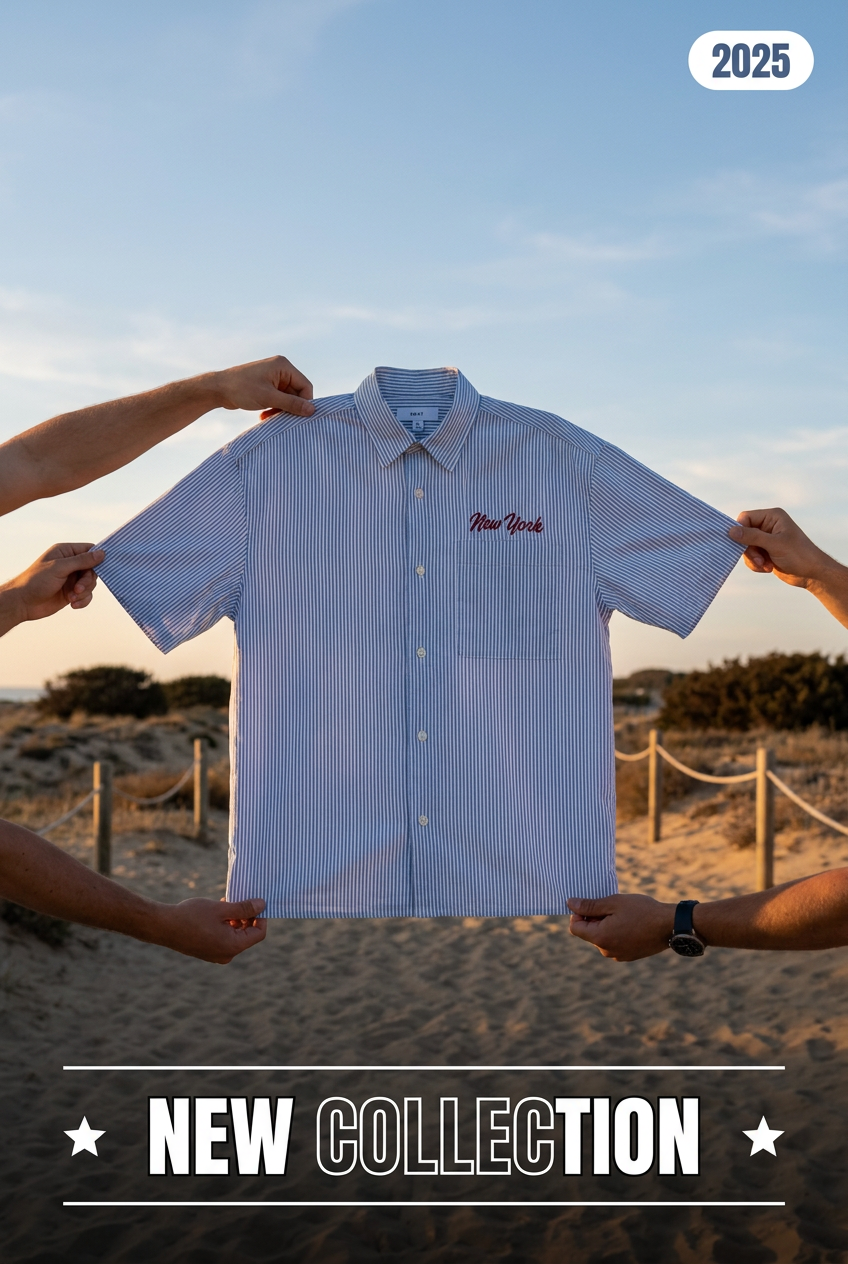
Suspends your apparel right in the center of a high-energy promo shot, held up by hands around the frame. It gives your shirts or jerseys a gritty, collaborative streetwear editorial look that feels alive and physical.
Regenerate using your own assets.
Your prompt for this workflow would focus only on the new information: 'a medium shot of the character running through a neon-lit alley at night'. You no longer need to describe the character's appearance. The workflow references the Brandkit, pulls the character's data, and renders them accurately in the new context. You can repeat this for every scene, changing the setting and action while the character remains perfectly consistent.
The workflow in action: from bible to a 3-shot sequence
The difference is dramatic. Without a Character Bible, a three-shot sequence of 'an explorer finding a glowing artifact' would likely result in three different explorers. The face, gear, and even gender might shift between clips.
With the MyUP Character Bible workflow, the result is a coherent narrative. You get three distinct clips—a wide shot of the explorer entering a cave, a medium shot of her approaching the artifact, and a close-up of her face illuminated by its glow—and it is undeniably the same person in every frame. This is the foundation for building real AI-driven stories, not just a collection of disconnected clips. By establishing a system of record, you move from hoping for consistency to enforcing it, which is the key to creating compelling AI visual stories frame by frame.