
On June 30, 2026, Google announced 'Style Drop' for Gemini, a feature that lets you upload a few images to create a persistent, personal visual style. For an individual creator exploring their aesthetic, it’s a compelling idea. For any brand, business, or marketing team, it’s a trap.
Personalization is not the same as brand consistency. When every team member starts using their own 'Style Drop,' your brand's visual identity fragments. You don't need an AI that knows your personal tastes; you need an AI that knows your brand's style guide, and can apply it flawlessly every single time. This is the core problem that personalized tools create, and it’s why they are fundamentally unsuited for professional content production.
The critical difference between a personal style and a brand identity
A personal AI style, like the one Gemini's Style Drop creates, is subjective. It’s based on an individual's preferences, their recent uploads, and their unique prompting habits. It’s designed to be a creative partner for one person.
A brand identity is the opposite. It is an objective, shared system of rules. It includes specific hex codes, approved fonts, logo usage guidelines, and a defined photographic or illustrative style. Its purpose is to ensure that everything your company produces feels like it came from a single, unified source, regardless of who on the team created it. Mixing these two concepts is a recipe for brand dilution.
When your social media manager, your ad agency, and your product marketer all use their own 'personalized' AI styles, you get three different versions of your brand. The result is a chaotic visual presence that erodes customer trust and a huge amount of time wasted trying to manually correct AI generations to be 'more on-brand'.
Why your team needs a brand memory, not a personal one
To solve this, your team doesn't need better prompts or more training on a specific tool. You need a centralized, controllable system—a 'brand memory'—that the AI can access for every creation. This memory shouldn't be based on one person's account; it should be built from your official brand assets.
This is precisely what the Brandkit on MyUP.ai is designed to be. Instead of training the AI on a user, you train it on your brand. Once. You provide a URL to your website, and MyUP automatically scans and extracts your brand’s core components: logos, color palettes, fonts, and the overall visual mood. This becomes your permanent, shareable Brandkit.
From that moment on, every piece of content generated on MyUP—by anyone on your team—automatically inherits these brand rules. The AI knows your brand red is #E60023, not just 'a shade of red.' It knows your headline font is Helvetica Neue, not a generic sans-serif. This is the foundation of scalable, consistent AI design.
How to create and use a true brand style on MyUP
Building your brand memory in MyUP is a one-time setup that takes about 90 seconds. There's no complex training or fine-tuning required. You simply create a new Brandkit and provide your website's URL. MyUP handles the analysis, extracting your visual DNA and making it ready for production.
The user validates, MyUP executes. You can review the extracted colors, fonts, and logo, making any adjustments needed to perfectly match your official style guide. Once you save the Brandkit, it becomes the default for your workspace. This is how you bake your brand guidelines into every AI visual, ensuring every output is a starting point that is already 90% of the way there, not a random shot in the dark.
From Brandkit to campaign: a practical workflow
Once your Brandkit is active, generating a full campaign of on-brand visuals becomes a matter of running simple, repeatable workflows. Instead of writing complex prompts from scratch, you use templates that are pre-configured for specific marketing tasks and automatically pull from your Brandkit.
Let's say you're launching a new skincare product. You need a set of visuals for social media.
1. The core product announcement
You need a clean, engaging post that introduces the product. The AI needs to understand the product itself and the brand's aesthetic. On MyUP, you simply run a template designed for this.
Workflow code: #myup-kbgo-tlle
Product Brand Post
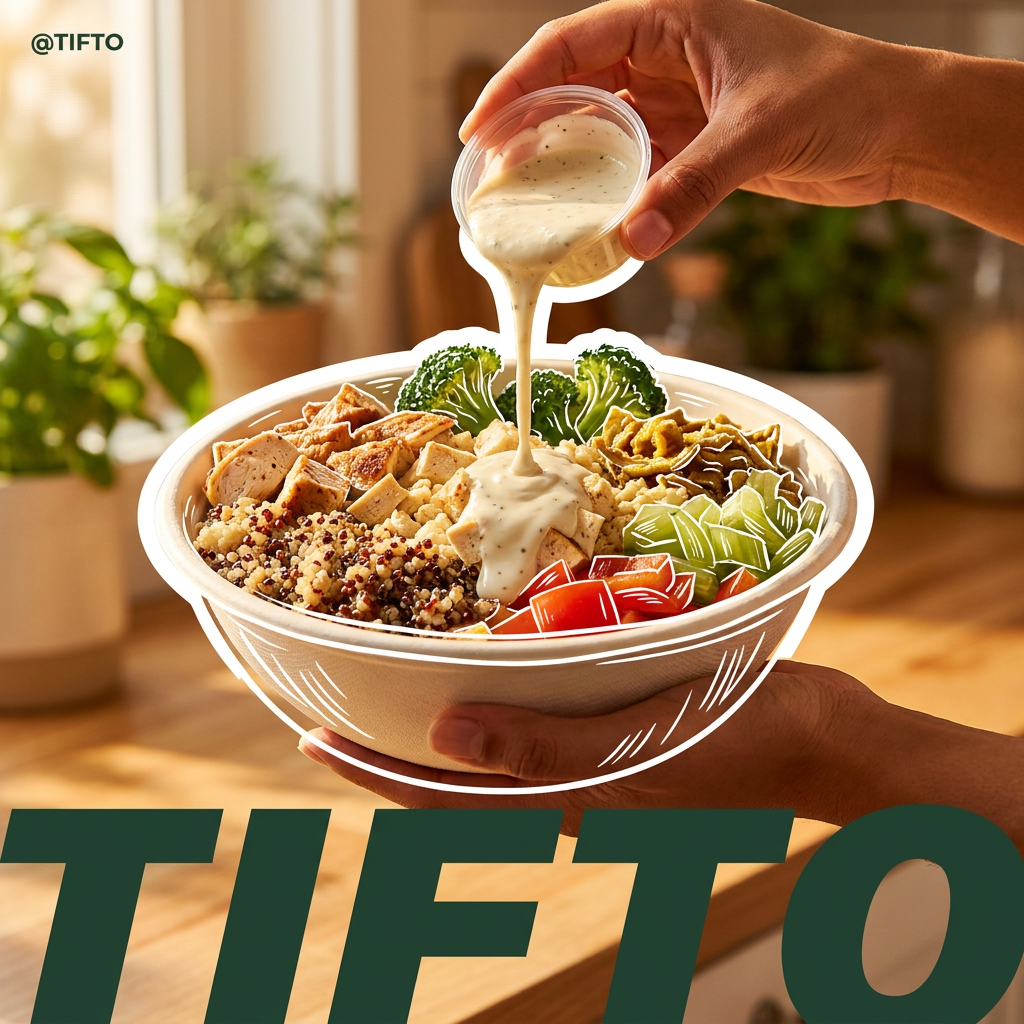
Drop in your product to generate a cohesive nine-post Instagram grid. It blends warm lifestyle photography and flat-lay packaging with bold hand-drawn doodles, collages, and urban billboard mockups. Everything automatically styles itself to your brand's colors.
Regenerate using your own assets.
2. The high-end studio shot
Next, you need a more polished visual for a targeted ad, something that feels like it came from a professional studio shoot. This requires a different lighting and composition style, but must still use the brand's core identity.
Workflow code: #myup-u4lt-o0ho
Studio Product Ad
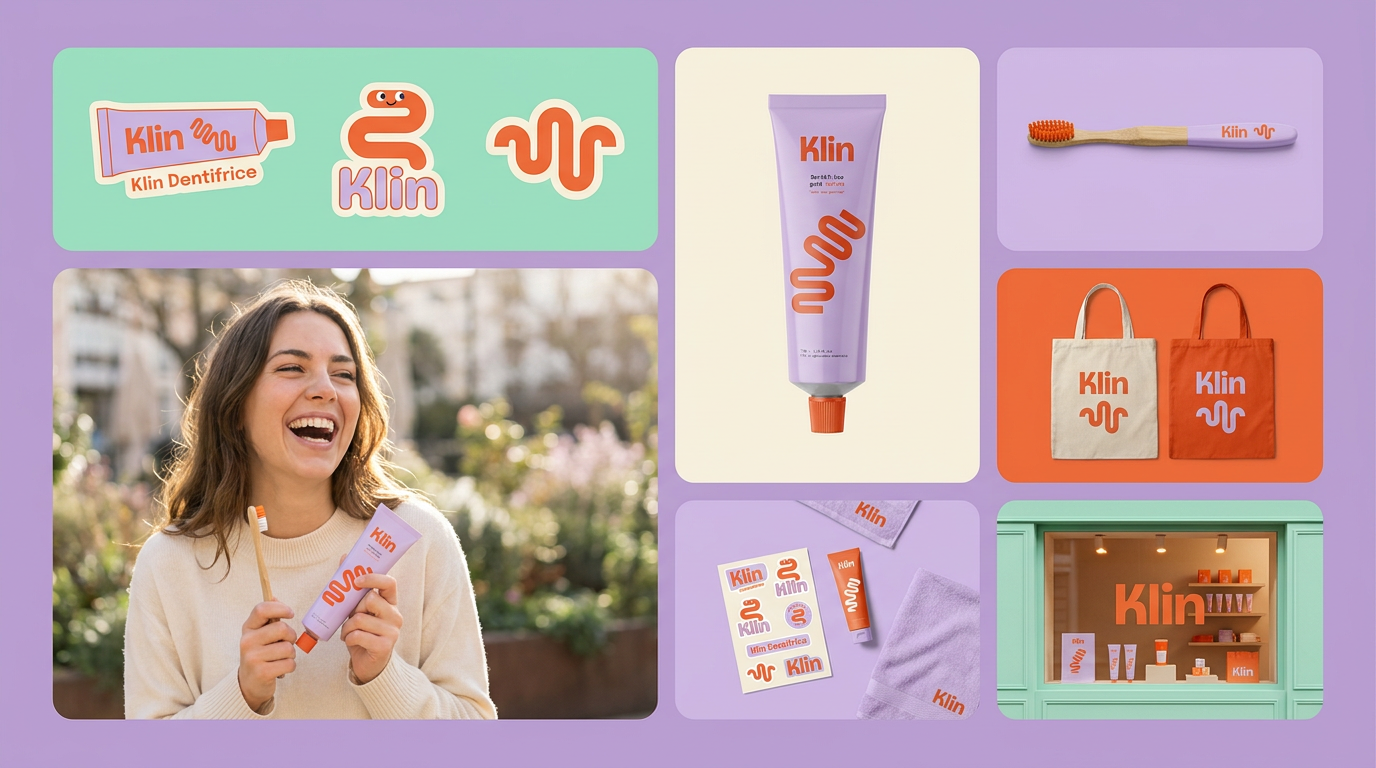
Drop in a single product photo to instantly build a cohesive visual identity. It automatically samples your item's dominant colors to generate a beautifully matched mosaic moodboard, giving your brand an instant, polished aesthetic.
Regenerate using your own assets.
3. The lifestyle context
Finally, maybe your product is apparel or an accessory. You need to show it in a lifestyle context that feels authentic to your brand. Instead of just a product on a plain background, you need a full scene that reflects your brand's mood, colors, and target customer.
Workflow code: #myup-3sro-edbt
Brand Clothes Post

Turn any outfit photo into a high-end fashion promo poster. It centers your subject in a full-body shot against a dark, dramatic studio backdrop, perfectly cropped for social feeds. It gives your apparel a moody, editorial look instantly.
Regenerate using your own assets.
In each case, you're not fighting the AI to stay on brand. The Brandkit ensures consistency is the default, allowing you and your team to focus on the creative concept, not on policing color codes.
Stop personalizing your AI, start branding it
Features like Gemini's Style Drop are a fascinating development for personal creativity, but they highlight a fundamental misunderstanding of what brands need from AI. Brands don't need more personalization; they need more control, more consistency, and more scale.
The goal is not to create a single perfect image that reflects one person's taste. The goal is to build a production system that can generate hundreds of perfectly on-brand images, videos, and posts, no matter who is running the workflow. This requires moving away from tools built for individual expression and embracing a platform built for brand execution. Stop training the AI on you. Start training it on your brand with MyUP.ai.