The ability to generate seamless, tileable patterns with AI is suddenly everywhere. With recent tests from platforms like Midjourney in July 2026 and a corresponding spike in search interest, it seems every creator is prompting for patterns. But this excitement misses a crucial point for anyone building a brand: generating a single, random pattern is a creative dead end.
A one-off pattern that doesn't share DNA with your logo, color palette, or typography is just a pretty image. It’s a temporary asset, not a strategic one. The real challenge, and the real opportunity, isn't to create *a* pattern. It's to build a scalable, proprietary library of patterns that forms a core part of your brand's visual language. This article outlines the professional workflow to do just that.
The goal isn't one pattern, it's a visual system
Iconic brands are built on visual systems. Think of Burberry's check or Louis Vuitton's monogram. These aren't just decorations; they are instantly recognizable assets that create cohesion across products, packaging, and marketing. Your brand deserves the same level of visual consistency, and a pattern library is a powerful way to achieve it.
A proper pattern library isn't just one design. It's a tiered system:
- Primary Patterns: Bold, expressive designs that are instantly recognizable as yours. These are your hero visuals.
- Secondary Patterns: More subtle, complementary designs that can be used as backgrounds, textures, or accents without overpowering the main content.
- Textural Patterns: Simple, often monochrome patterns that add depth and a tactile feel to digital and physical assets.
Creating this system manually is time-consuming and expensive. Using generic AI tools produces a chaotic mix of styles. The only scalable solution is to generate this entire library from a single source of truth: your brand's core identity.
Step 1: Turn your Brandkit into a pattern engine
This is where a simple AI image generator falls short and a brand-aware platform like MyUP becomes essential. The foundation of a pattern system is a comprehensive Brandkit. In MyUP, a Brandkit isn't just a folder for your logo and hex codes. It's an active ingredient in the creation process.
To turn your Brandkit into a pattern engine, you must store not only your visual assets but also your brand's stylistic DNA. Go beyond colors and fonts and add specific style descriptors. These are the keywords that define your aesthetic. For example:
- 'Minimalist geometric lines'
- 'Organic, hand-drawn botanicals'
- 'Bold, 80s-inspired Memphis design'
- 'Soft, ethereal watercolor wash'
By saving these core descriptors alongside your color palette in your MyUP Brandkit, you create a central repository the AI can use to generate an infinite variety of patterns that are all, by definition, on-brand. You define the rules once, and MyUP executes on them every time.
Step 2: The workflow for generating your core patterns
Once your Brandkit is defined, you can create a master workflow in MyUP to generate your entire pattern library. The key is to build a prompt template that references your Brandkit variables instead of using static descriptions.
A simple but powerful prompt structure looks like this:
A seamless, tileable pattern, [Brandkit.Style], featuring abstract shapes. The color palette must be exclusively [Brandkit.Color1], [Brandkit.Color2], and [Brandkit.Color3]. Flat vector illustration style, no gradients.
Here’s how it works in practice:
- Generate the Primary Pattern: In MyUP, run the workflow using your primary style descriptor (e.g., 'Bold, 80s-inspired Memphis design'). The AI will pull that phrase and your exact brand colors to generate a set of options. You review and select the best one.
- Generate Secondary Patterns: Now, run the exact same workflow again, but this time select a more subtle style descriptor from your Brandkit (e.g., 'fine repeating dots'). The structure and colors remain locked to your brand, but the output is a complementary, less dominant pattern.
- Generate Textural Patterns: Run the workflow a third time, perhaps using only one brand color and a descriptor like 'subtle linen texture'.
In minutes, you've created three distinct, purpose-built patterns that are visually related because they all originate from the same Brandkit. This moves you beyond the limits of a single shot and into a professional campaign mindset, creating a suite of assets that work together.
Step 3: Apply your new patterns everywhere
A pattern library is only valuable when it's used. With your core patterns saved, MyUP makes it easy to deploy them across your marketing materials. Because the patterns were generated from your Brandkit, they will automatically feel cohesive with your other brand assets.
Imagine using your new primary pattern on merchandise or packaging. A bold, custom pattern can turn a simple sticker or a plain box into a powerful brand statement. Instead of manually designing each one, you can use a workflow to apply your brand assets automatically.
The workflow below is perfect for quickly creating a sheet of branded stickers using your newly generated patterns as the core visual element. Just upload your pattern, and the workflow handles the rest.
Workflow code: #myup-swqt-4zo3
Product Stickers
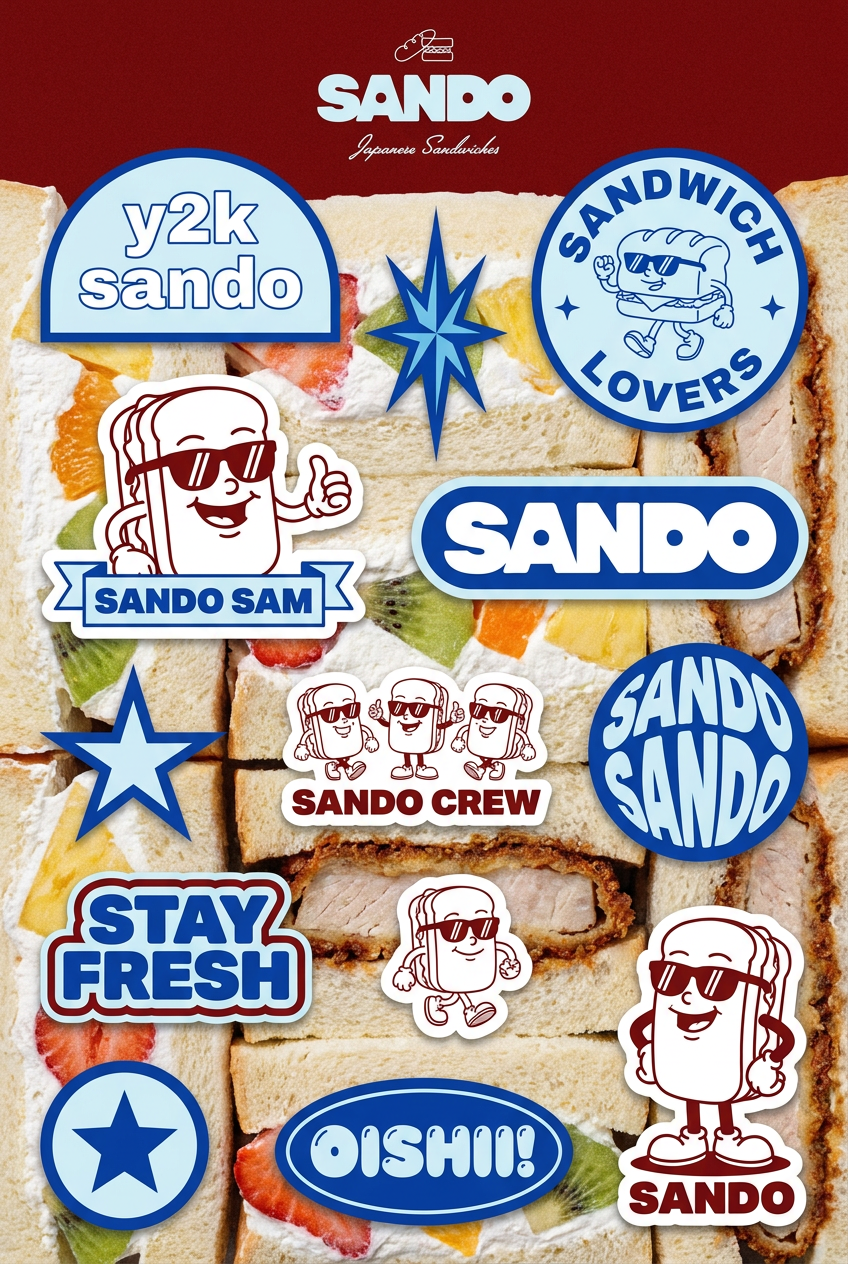
Turn your logo into a nostalgic, vibrant Y2K-style vertical ad. It automatically pulls your brand colors to create matching sweet treats like custom donuts or cupcakes in the background, giving you a super playful retro-pop aesthetic.
Regenerate using your own assets.
Example: From pattern to branded social post in minutes
Your secondary and textural patterns are workhorses for daily content. They make perfect backgrounds for social media posts, stories, and quote cards. They add a layer of professional polish and brand recognition without competing with your message.
Let’s say you need to create a simple announcement poster. Instead of using a stock color background, you can use one of your subtle brand patterns. In MyUP, you can create a workflow that takes your text, applies your brand fonts and colors from the Brandkit, and overlays it on your chosen pattern. This is how you move from a single prompt to a full week of consistent visuals.
Use this workflow to instantly create a clean, modern poster using your pattern as a branded background.
Workflow code: #myup-k4td-9k6z
Minimalist Poster
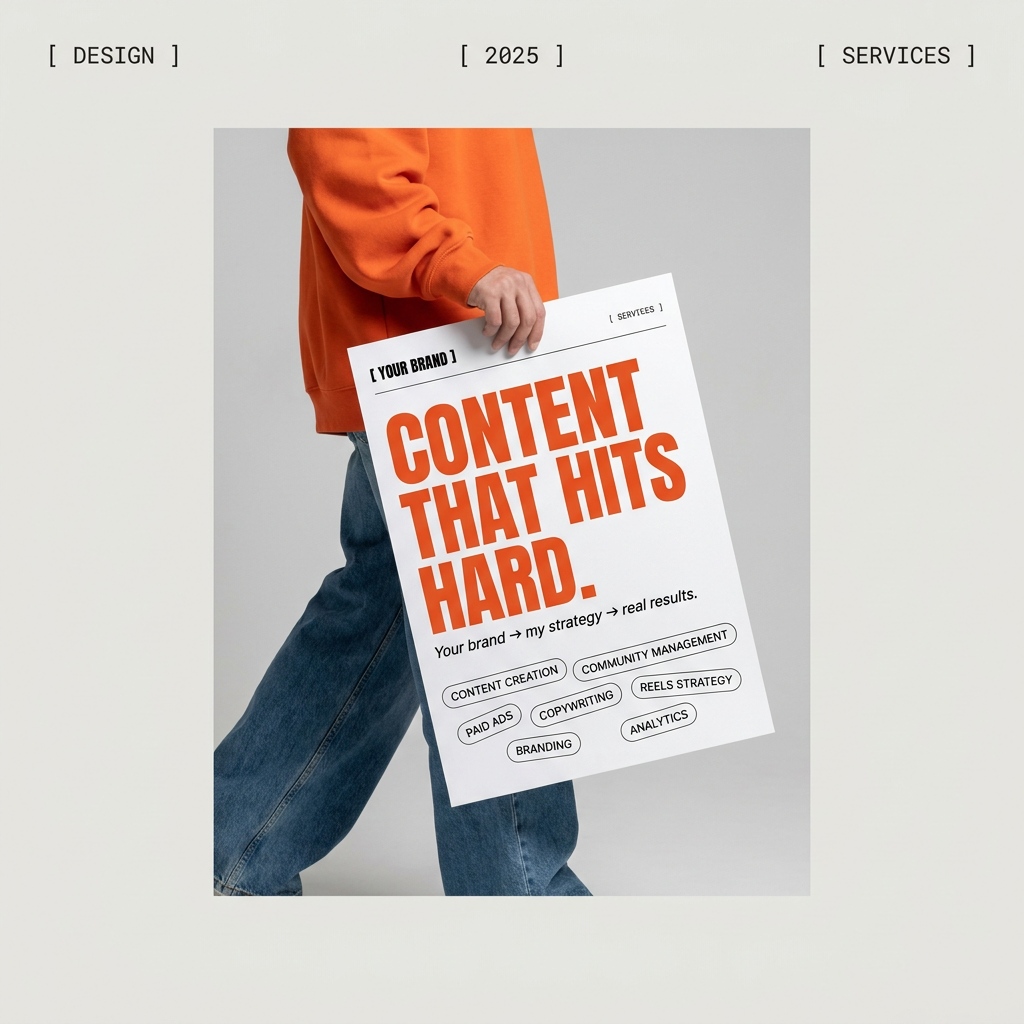
Give your social feed a clean, gallery-like aesthetic. This layout frames your images with structured mono typography and soft, neutral backgrounds for a high-end editorial look. It's perfect for minimal product launches or brand announcements.
Regenerate using your own assets.
Example: Using patterns to elevate product marketing
In product advertising, a well-used pattern can create a premium feel and reinforce brand identity. A subtle textural pattern applied as a backdrop in a product ad can make the entire composition feel more intentional and high-end than a simple white background.
With a library of on-brand patterns at your fingertips in MyUP, you can quickly test different options. You can try a bold geometric pattern for a new product launch and a softer, more organic pattern for an established favorite. The user validates the creative choice; MyUP handles the production, ensuring colors and styles are always correct.
This workflow is designed to generate vibrant, minimal advertising posters. Try adding one of your custom patterns as a background element to see how it elevates the final design.
Workflow code: #myup-zpby-tzie
Minimal Vibrant Product Advertising Poster
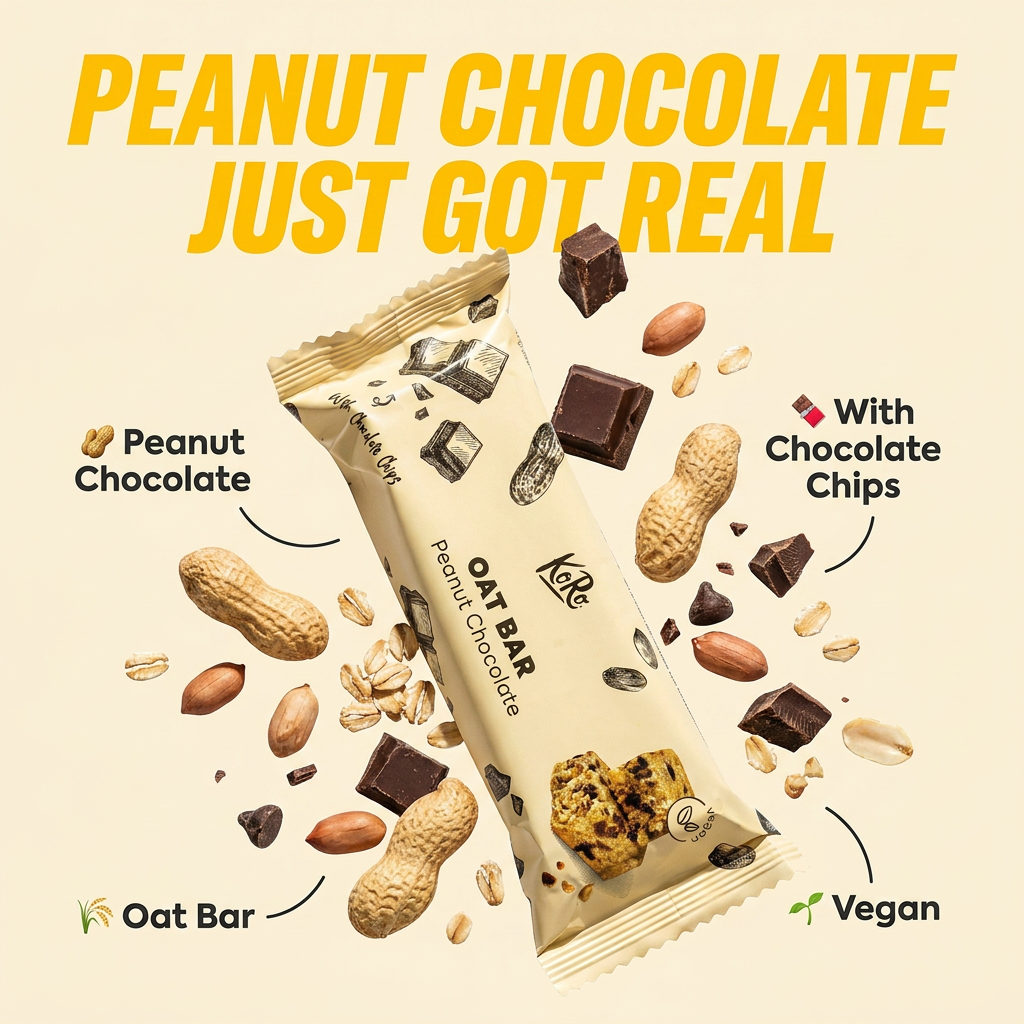
Drop in any product shot and watch it turn into a bold, high-energy square ad. It automatically reads your packaging to pull out the dominant colors and text, then builds a vibrant poster styled perfectly around your brand.
Regenerate using your own assets.
You don't need more random images, you need a brand asset factory
The explosion of AI image tools has flooded the internet with beautiful, but ultimately generic, visuals. For brands, the value of AI isn't in its ability to generate more random images. It's in its ability to systematically produce on-brand assets at scale.
Building a pattern library from a central Brandkit is the perfect example of this professional workflow. It transforms the AI from a creative novelty into a reliable factory for your brand's visual identity. You're not just prompting for pictures; you're building a unique and defensible visual universe. MyUP is the platform designed for that system, giving you the control to ensure every asset you create is an asset that builds your brand.